

Illustrative parent arranging dental advice beside a child
Children’s Dentistry

Children’s Dental Emergencies in Etobicoke

When minutes count, the nearest suitable care may be the right choice. Phone us first to describe your child’s tooth injury or pain, and we’ll talk honestly about availability, timing and whether closer urgent help makes more sense.

Planning urgent care from Etobicoke

Sometimes the right help is closer to home.

We’d rather say this plainly. With a time-sensitive dental injury, the best place is often the nearest provider who can see your child quickly. And no trip of any length is right when a child has breathing or swallowing difficulty, heavy bleeding that won’t ease, a serious head or facial injury, or seems gravely unwell. That calls for 911 or the closest emergency department.

For pain, swelling or a damaged tooth without those warning signs, phone a dental professional soon. If you’re in Etobicoke and want to hear from our team, call (905) 876-4488 before leaving home. Explain your child’s age and what happened, and we’ll discuss availability and timing. If we can’t offer prompt care, seek another emergency dental provider nearer to you.

A diagnosis isn’t expected from you. We just need to know about any knock or fall, whether a tooth is missing or out of line, and whether pain, swelling or bleeding is increasing. Supervise your child and avoid prodding the injured spot. The first appointment is for assessment, and the rest of treatment may follow over further visits.

Request a follow-up for later
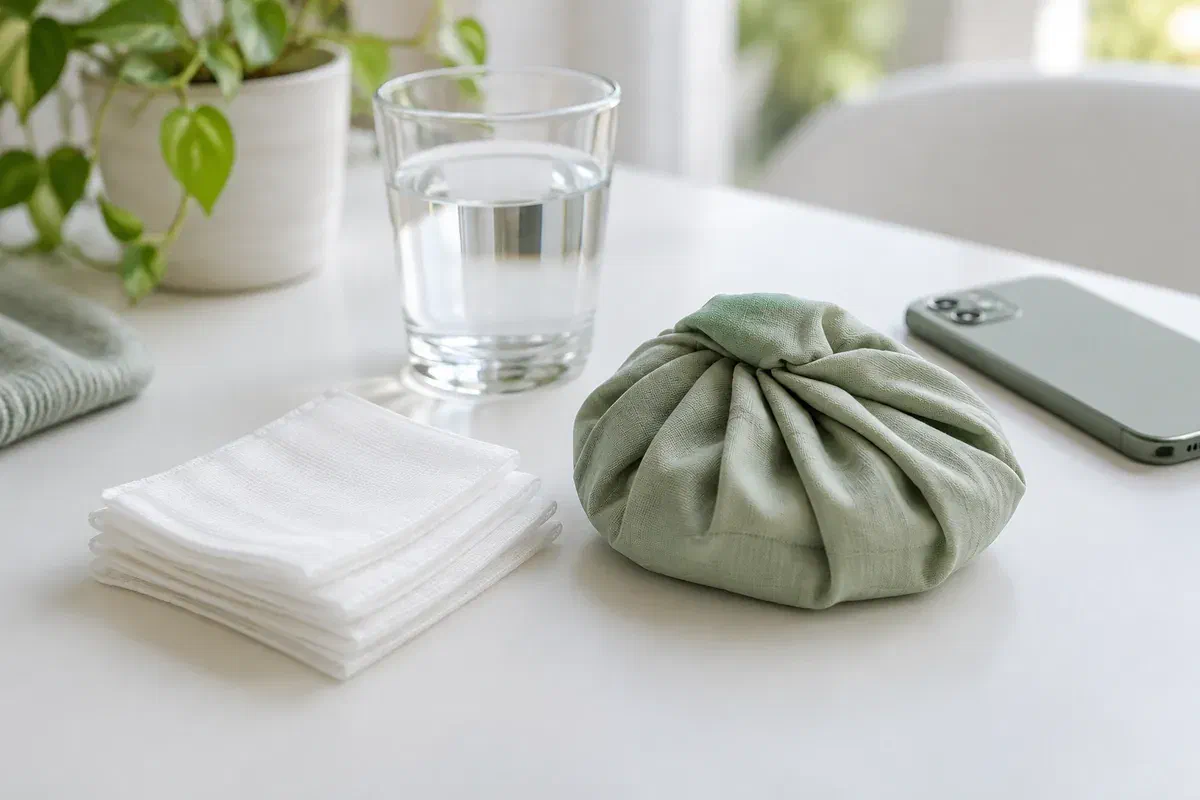
Illustrative gauze, wrapped cold compress, and phone for arranging urgent advice
Deciding how urgent it is

Before you get in the car

Report what you can observe safely. A perfect photo or a certain answer about which tooth is hurt isn’t worth any delay.

An adult tooth knocked out, or any tooth shifted

A knocked-out permanent tooth is the most time-sensitive dental injury, so get dental care immediately, from whichever provider can see your child soonest. Never replant a baby tooth. A tooth pushed in or out of position needs a prompt check too; don’t force it.

Toothache with swelling, fever or illness

Tell us about swelling, temperature, pain that stops sleep or eating, and how unwell your child seems. Where the swelling is and how quickly it is growing both shape the advice. Rapid facial swelling or trouble swallowing or breathing needs emergency medical care, not a long drive.

A broken tooth, or bleeding that continues

Say whether an accident caused the break and whether lips or gums were injured. Keep any fragment you find safely. Heavy, ongoing bleeding or concern about a larger injury needs urgent medical attention close by.

Online booking, email and callback forms are for non-urgent messages and aren’t monitored as an emergency line. Phone about anything urgent, and call 911 or go to the nearest emergency care for serious symptoms.

Getting the most from each trip

One well-planned visit, then a clear follow-up

An urgent appointment is there to identify the problem, handle what can’t wait, and explain the plan. With a longer journey, it’s worth asking at the start how much can reasonably be done in one sitting, and what will need another visit. The first session may focus on assessment and stabilization.

Nobody can predict from a phone call how an injured tooth will do. The type of tooth, the injury, the time passed and the exam all play a role. Moving quickly, to us or to a nearer provider, gives the clinician the best opportunity to assess and talk through options.

A clear medical-versus-dental picture

Injuries sometimes go beyond the mouth. Mention any head knock, loss of consciousness, vomiting or other worrying symptoms. Medical assessment may need to come first, close to home, with dental care organized once your child is ready.

An explanation for parents and kids

Parents want practical steps; children want to understand in simple words. Tell the dentist what your child fears and how they show pain. Ask what can be done today and how to keep them comfortable for the ride home.

Follow-ups grouped where possible

A settled tooth may still need checking. Ask when reviews are due, whether a repair or referral remains, and whether visits can be combined to cut down on trips. Note who to call nearer home if problems arise between appointments.

Call, then travel

Phone before you leave the house.

How urgent things are decides the sequence. Don’t lose time on a routine form when an injury is time-sensitive.

  1. Describe your child and the problem

    Give age, when it started and whether there was a fall or knock. Mention swelling, bleeding, missing teeth, pain and medical conditions. If you can’t tell baby teeth from adult teeth, tell us that.

  2. Weigh the trip against the timing

    Ask when your child could be seen and whether a closer provider or emergency department would be faster or more suitable. Follow that advice. If symptoms worsen on the way, stop and seek nearer help rather than pressing on.

  3. The examination

    The dentist assesses the injured or painful teeth and soft tissues and discusses records or tests if useful. Share first aid already given and any medicine and its timing. Ask what the findings show and whether other teeth were affected.

  4. Leave with a plan you can manage from home

    Review the treatment, its limits and any later visits or referrals. Confirm guidance on eating, cleaning, medicine and warning signs. Before leaving, find out who to contact after hours, including an option closer to Etobicoke.

On the way and back at home

First aid that travels well

Specific instructions from your child’s clinician take priority. These tips don’t replace immediate care for a lost permanent tooth or serious symptoms.

Transporting a knocked-out adult tooth

Touch only the crown, never the root. If it’s dirty, rinse gently with milk or saline and don’t scrub. If it’s clearly permanent and your child is alert and able to cooperate, gently put it back in its socket. If not, carry it in a sealed container of milk and get dental care straight away. Don’t replant baby teeth.

Comfort in the back seat

A wrapped cold compress on the cheek can soothe a minor knock, if advised. Don’t put aspirin, glue or anything sharp on a tooth or gum. Ask a pharmacist or clinician about pain relief, and use the dose for your child’s age and weight.

Care after the appointment

Follow the dentist’s instructions on brushing, meals and any splint or temporary filling. Keep watch on the drive home if lips or cheeks are numb, so they aren’t chewed. Phone if pain or swelling increases, a repair loosens, or recovery doesn’t go as described.

Patient information: American Academy of Pediatrics — first aid for a knocked-out permanent tooth

Where to go, and when

Nearest appropriate care first.

Emergencies need different resources. A phone call to us doesn’t secure a same-day visit, and serious symptoms should be handled at the closest emergency service.

Serious illness or injury

Your nearest emergency department

For a child who is struggling to breathe or swallow, bleeding heavily, hurt about the head or clearly very ill, the right place is the emergency department closest to you. Let the medical team know about missing teeth or a mouth injury so dental follow-up can be arranged.

Time-sensitive tooth problems

Whichever dental office can see you fastest

Knocked-out and displaced permanent teeth, strong pain and dental swelling all need prompt professional care. Choose the provider who can see your child soonest, and describe symptoms and timing so urgency is clear.

Once the emergency is managed

Follow-up care with us

Early treatment may need a final repair, further care or monitoring later. Ask what is still needed and when, and plan those visits together. A more comfortable child is welcome news, but the review still matters.

Etobicoke parents ask about distance and timing

Questions about getting care in time

Phone us for urgent advice. These answers help with planning; they can’t diagnose your child or guarantee a time.

(905) 876-4488
Should I drive to Milton with a knocked-out adult tooth or go somewhere closer?
Go wherever your child can be seen fastest. Time matters with a knocked-out permanent tooth. Keep it in milk, follow first-aid advice, and call ahead to confirm availability. We’re happy to see your child for follow-up afterwards.
Can another dentist’s emergency treatment be followed up at your clinic?
Often, yes. Bring any notes, X-rays or instructions you received, and tell us what was done. The dentist will review the tooth and discuss what further care, if any, is needed.
How can we cut down on trips after a dental injury?
Ask at the first visit which appointments are essential, how far apart they need to be, and whether siblings’ checkups could be booked at the same time. Some reviews must happen at set intervals, so don’t skip them to save a trip.
What symptoms mean we should stop and seek care on the way?
Spreading swelling, trouble swallowing or breathing, bleeding that won’t stop, increasing drowsiness, vomiting or confusion after an injury. Call 911 or go to the nearest emergency department.
Does an urgent visit mean everything gets fixed in one go?
Not always. The first appointment may focus on diagnosis and immediate care, with more treatment or a referral to follow. Ask which steps are temporary and when the next one is due.
Is it safe to wait a day for a chipped tooth that doesn’t hurt?
Call and describe it before deciding. A chip can sometimes expose deeper layers or hide other injury from the same knock. The team can advise how soon it should be checked and whether a closer provider is sensible.
Before you set out from Etobicoke

Call first, so the trip is worth it.

Phone (905) 876-4488 about your child’s dental pain or injury, and we’ll discuss availability during clinic hours. If we can’t offer timely care, use a nearer emergency dental provider. For serious symptoms, call 911 or go to the nearest emergency department.

Online requests are for follow-up that isn’t urgent. Call about urgent dental problems, and use emergency services for serious symptoms.

Visit Milton Dental Clinic
Unit 1, 342 Bronte St. S, Milton, ON L9T 5B7
Get directions Clinic hours
Monday–Thursday
11am–7pm
Friday–Sunday
By appointment only

Areas we serve

  • Milton
  • Oakville
  • Mississauga
  • Georgetown
  • Halton Hills
  • Acton
  • Campbellville
  • Brampton
  • Burlington
  • Puslinch
  • Rockwood
  • Erin
  • Caledon
  • Etobicoke
  • Old Milton
  • Bronte Meadows
  • Timberlea
  • Dorset Park
  • Dempsey
  • Clarke
  • Beaty
  • Coates
  • Harrison
  • Scott
  • Willmott
  • Ford
  • Bowes
  • Cobden
  • Walker
  • Mountain View
  • Milton Heights
  • Hawthorne Village
  • Valley View
  • Fallingbrook
  • Nassagaweya
  • Trafalgar
  • Esquesing
  • Nelson
  • Brookville
  • Moffat
  • Glen Williams
  • Norval
  • Limehouse
  • Stewarttown
  • Ashgrove
  • Hornby
  • Silver Creek
  • Speyside
  • Scotch Block
  • North Oakville
  • River Oaks
  • Glen Abbey
  • West Oak Trails
  • Palermo
  • Bronte Creek
  • College Park
  • Joshua Creek
  • Uptown Core
  • Preserve
  • Iroquois Ridge
  • Lisgar
  • Meadowvale
  • Meadowvale Village
  • Churchill Meadows
  • Erin Mills
  • Central Erin Mills
  • Streetsville
  • East Credit
  • Creditview
  • Heartland
  • Sheridan
  • Mount Pleasant
  • Credit Valley
  • Huttonville
  • Churchville
  • Springbrook
  • Northwest Brampton
  • Bram West
  • Fletcher's Meadow
  • Fletcher's Creek South
  • Alton Village
  • Orchard
  • Millcroft
  • Headon Forest
  • Tansley
  • Brant Hills
  • Tyandaga
  • Kilbride
  • Lowville
  • Aberfoyle
  • Morriston
  • Arkell
  • Hillsburgh
  • Freelton
  • Carlisle
  • Waterdown
  • Flamborough
  • Mountsberg

How can we help?

Milton Dental Clinic

Have a question about your smile? Choose the option that works best for you.

For urgent dental concerns, please call.
Messages are reviewed during clinic hours.