

Illustrative parent arranging dental advice beside a child
Children’s Dentistry

Children’s Dental Emergencies in Rockwood

Blood, a broken tooth and a scared child: the first job is helping them feel safe while you check for danger. Then phone us, describe what happened, and we’ll talk about availability. Serious symptoms mean emergency care first.

Helping a frightened child in Rockwood

Your calm voice comes before the phone call.

A mouth injury looks alarming because lips and gums bleed freely. Kneel down, speak slowly, and tell your child you’re going to help. While you do, look for the signs that need 911 or emergency care at once: struggling to breathe or swallow, bleeding that keeps flowing despite pressure, a hard blow to the head or face, or a child who seems faint or very sick.

If none of those are present, a toothache, a swollen gum or a damaged tooth still needs a dental professional before long. Calling from Rockwood, you can reach our team at (905) 876-4488. Share your child’s age and what happened, and we’ll talk through availability and the next step. Should we be unreachable or full, find another emergency dental provider.

You don’t need to know what’s wrong. Say whether there was a fall or knock, whether a tooth is gone or out of place, and whether pain, bleeding or swelling is getting worse. Keep your child close, hold their hand rather than their jaw, and resist checking the tooth again and again. A first visit is for assessment; more care may follow.

Arrange a later, non-urgent visit
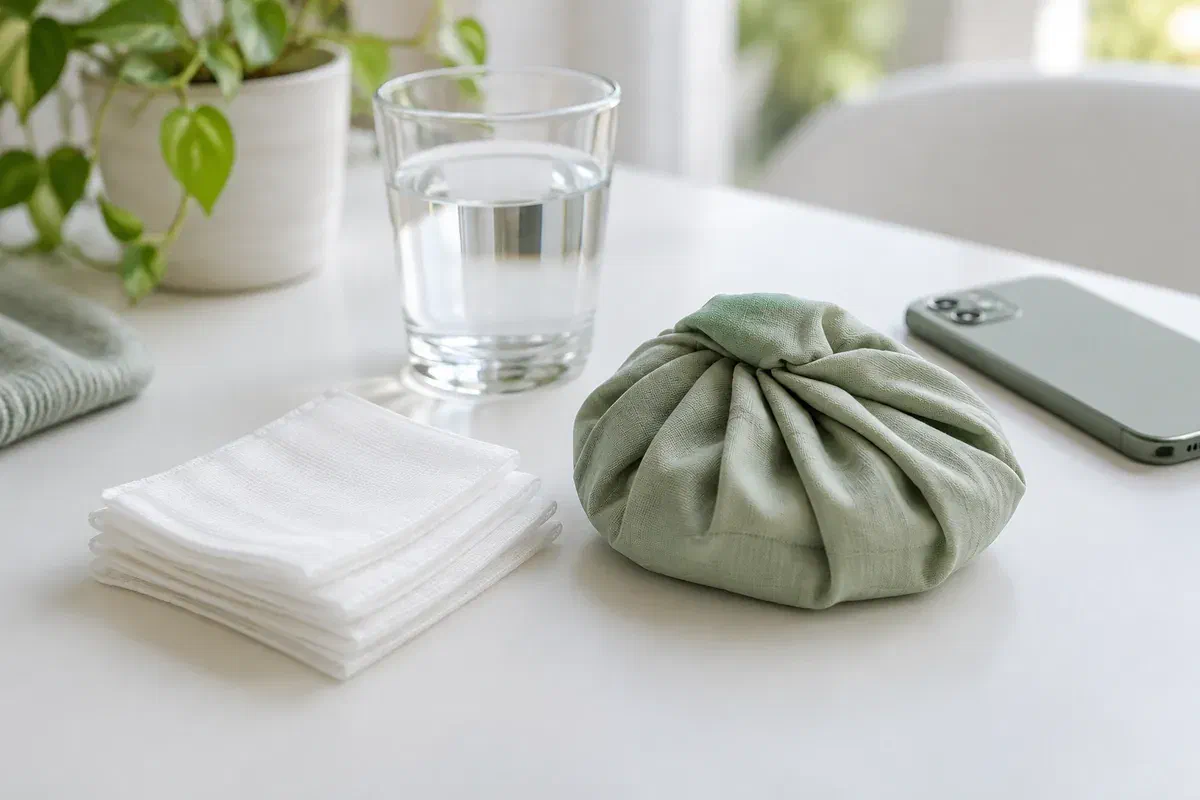
Illustrative gauze, wrapped cold compress, and phone for arranging urgent advice
What to look for while you comfort them

Signs that need a dentist soon

Look only as far as your child will let you without a struggle. A good photo, or being sure which tooth it is, isn’t worth delaying the call.

A tooth out of the mouth or pushed out of place

A knocked-out adult tooth needs urgent dental care; a baby tooth should never be pushed back in. Tell us the time and whether the tooth was found. A tooth shoved up or sideways also needs prompt attention. Reassure your child and let the dentist reposition it, not you.

Pain with swelling, fever or a child who seems sick

Not every scare is an accident. Watch for a puffy face, a temperature, a child who won’t eat or can’t sleep for the pain, or one who’s unusually quiet. Note where the puffiness sits and whether it’s growing. If it spreads quickly or swallowing and breathing get hard, go to the hospital.

A broken tooth or bleeding that continues

Say whether the break came from an accident and whether lips or gums were hurt. If you can safely find a piece of tooth, keep it. Heavy bleeding that won’t stop, or a feeling that the injury is bigger than the mouth, needs urgent medical help.

Email, callback forms and online booking aren’t monitored as an emergency service. Phone about anything urgent, and dial 911 or go to the emergency department when symptoms are serious.

How an urgent visit helps a nervous child

Small steps, explained as they happen

An urgent appointment is about finding out what’s wrong, handling what can’t wait, and making a plan. For an anxious child, the first visit may be kept to examination and stabilization, with other work saved for a calmer day. Before you go, check which questions have been answered and which are still open.

Nobody, however experienced, can tell over the phone how an injured tooth will heal. Baby or adult tooth, the kind of knock, the minutes or hours since, and what turns up in the exam all play their part. Getting your child in sooner simply leaves more room for good choices.

Ruling out an injury beyond the mouth

A fall can cause more than a broken tooth. Tell the team about any head knock, fainting, vomiting or unusual sleepiness. Medical care may need to come first, with dental treatment arranged once your child is ready.

Words your child can understand

Let the dentist know what your child fears most, whether that’s needles, noise or being held, and how they show pain. Ask the team to explain each step in simple terms. You’ll get clear instructions too, so you aren’t guessing at home.

A follow-up plan that keeps things calm

When the pain settles, the cause may still need care. Ask when the tooth should be rechecked and whether a repair, further treatment or a referral is still ahead. Knowing the plan in advance can help your child feel less worried next time.

What the visit looks like

Four steps, at your child’s pace where possible

Urgency sets the order. A time-sensitive injury shouldn’t be held up by a routine form, however calm or upset your child is.

  1. Phone and describe what happened

    Give your child’s age, when the injury or pain started, and whether there was a fall. Mention swelling, bleeding, missing teeth, pain and medical needs. Tell us too if your child is very frightened, so the team knows ahead of time.

  2. Confirm where to go

    The team will tell you what openings exist and whether a hospital or a different dental office makes more sense for these symptoms. Take that advice. If your child seems worse by the time you’re ready to leave, ring again and say what has changed.

  3. A gentle examination

    The dentist checks the hurt teeth, gums and lips, telling your child what each step involves, and explains any X-rays before taking them. Mention the first aid you tried and any medicine given. Ask what was found and whether neighbouring teeth took part of the blow.

  4. Talk through care and what comes next

    Discuss what was done, its limits, and any further visits or referrals. Confirm guidance on food, brushing, medicine and warning signs. Ask who to contact outside opening hours, and how to prepare your child for the next appointment.

Comfort and first aid, side by side

Soothe the child. Protect the tooth.

The clinician’s instructions for your child always come first. These steps support urgent care for a knocked-out adult tooth or serious symptoms but never replace it.

If an adult tooth comes out

Pick it up by the crown and keep your fingers off the root. If dirty, rinse briefly with milk or saline; don’t scrub. If you know it’s an adult tooth and your child is calm, alert and willing, gently guide it back into the socket. If they’re too upset, don’t force it: keep it in milk and get dental care right away. Baby teeth are never replanted.

Calming first aid

Sit your child upright on your lap, press clean gauze on a bleeding lip or gum, and offer a cloth-wrapped cold pack for the cheek if advised. Don’t put aspirin, glue or sharp objects near teeth or gums. Ask a pharmacist or clinician about pain relief suited to your child’s age and weight.

Back home after treatment

Use the home-care sheet the dentist gives you for cleaning, meals and any splint. A quiet movie can keep your child from nibbling a frozen lip while the numbness fades. Ring us if soreness or puffiness climbs, something comes loose, or healing takes a turn you weren’t told to expect.

Patient information: American Academy of Pediatrics — first aid for a knocked-out permanent tooth

Choosing where to begin

How your child is doing points the way.

One place can’t handle every emergency. Phoning our office won’t reserve an opening for today, and a child with serious symptoms shouldn’t be kept waiting to find out.

Serious illness or injury

Hospital emergency services

Go here when breathing or swallowing is a struggle, the bleeding just won’t slow, your child took a big knock to the head, or they look truly ill. Tell the nurses about any missing tooth or cut in the mouth, so a dentist can see them later.

Urgent tooth or mouth problems

A dental visit soon

An adult tooth that’s out or shifted, a throbbing toothache or a swollen gum should be seen quickly by any dental office with room. Give them the story and the timing, and they can judge how soon to bring your child in.

After the immediate problem

Calmer follow-up appointments

A quick fix on the day often leads to a final repair, more treatment or some months of watching. Find out what remains and when. A child who’s smiling again is wonderful, but the review still matters, and a calmer visit can help rebuild trust.

Rockwood parents ask about fear and comfort

Keeping a scared child steady

When it’s urgent, a call beats reading. Think of these answers as a way to feel ready; they can’t examine your child or hold a time slot.

(905) 876-4488
What can I say to calm my child after a tooth injury?
Keep it short and honest: you’re here, you’re going to help, and a dentist will look after their tooth. Avoid promising that nothing will hurt. A calm tone often helps more than the words themselves.
Can I stay with my child during the emergency examination?
Ask the team when you call. Many children cope better with a parent nearby. Let the dentist know what helps your child, such as holding a hand or a favourite toy.
My child is too upset to let me see the injury. What should I do?
Don’t force their mouth open. Describe what you can see from outside, how they’re behaving and whether bleeding is slowing. Get emergency care if there are breathing, swallowing, bleeding or head-injury concerns.
Will a frightening emergency visit make my child afraid of the dentist?
It doesn’t have to. Explaining each step, keeping you close and planning calmer follow-up visits can help. Tell the team about past experiences that worried your child.
Is it all right to give pain medicine before we come in?
Ask a pharmacist or clinician which medicine and dose suit your child’s age and weight, and tell the dentist what was given. Relief doesn’t replace an assessment that has been advised.
Does one urgent visit usually complete the treatment?
Not always. The first visit may diagnose and stabilize the problem, with further care or a referral later. Ask what was temporary and when to come back, and keep that appointment even if things feel better.
For children coming from Rockwood

Call when you’re ready. We’ll take it one step at a time.

Once your child is settled enough for you to talk, ring (905) 876-4488. During opening hours the team will tell you what’s possible. If we have no urgent space, another emergency dental office is your next call, and any serious symptom means 911.

The online form is for gentle follow-ups and routine visits. An injury or sudden pain is a phone call, and a medical emergency is 911.

Visit Milton Dental Clinic
Unit 1, 342 Bronte St. S, Milton, ON L9T 5B7
Get directions Clinic hours
Monday–Thursday
11am–7pm
Friday–Sunday
By appointment only

Areas we serve

  • Milton
  • Oakville
  • Mississauga
  • Georgetown
  • Halton Hills
  • Acton
  • Campbellville
  • Brampton
  • Burlington
  • Puslinch
  • Rockwood
  • Erin
  • Caledon
  • Etobicoke
  • Old Milton
  • Bronte Meadows
  • Timberlea
  • Dorset Park
  • Dempsey
  • Clarke
  • Beaty
  • Coates
  • Harrison
  • Scott
  • Willmott
  • Ford
  • Bowes
  • Cobden
  • Walker
  • Mountain View
  • Milton Heights
  • Hawthorne Village
  • Valley View
  • Fallingbrook
  • Nassagaweya
  • Trafalgar
  • Esquesing
  • Nelson
  • Brookville
  • Moffat
  • Glen Williams
  • Norval
  • Limehouse
  • Stewarttown
  • Ashgrove
  • Hornby
  • Silver Creek
  • Speyside
  • Scotch Block
  • North Oakville
  • River Oaks
  • Glen Abbey
  • West Oak Trails
  • Palermo
  • Bronte Creek
  • College Park
  • Joshua Creek
  • Uptown Core
  • Preserve
  • Iroquois Ridge
  • Lisgar
  • Meadowvale
  • Meadowvale Village
  • Churchill Meadows
  • Erin Mills
  • Central Erin Mills
  • Streetsville
  • East Credit
  • Creditview
  • Heartland
  • Sheridan
  • Mount Pleasant
  • Credit Valley
  • Huttonville
  • Churchville
  • Springbrook
  • Northwest Brampton
  • Bram West
  • Fletcher's Meadow
  • Fletcher's Creek South
  • Alton Village
  • Orchard
  • Millcroft
  • Headon Forest
  • Tansley
  • Brant Hills
  • Tyandaga
  • Kilbride
  • Lowville
  • Aberfoyle
  • Morriston
  • Arkell
  • Hillsburgh
  • Freelton
  • Carlisle
  • Waterdown
  • Flamborough
  • Mountsberg

How can we help?

Milton Dental Clinic

Have a question about your smile? Choose the option that works best for you.

For urgent dental concerns, please call.
Messages are reviewed during clinic hours.