

Illustrative parent and child discussing toothpaste with a dental clinician
Children’s Dentistry

Children’s Fluoride Treatment in Acton

Strong tastes, gagging or a child who hates having things in their mouth can make fluoride feel like a battle. From Acton, talk with us about whether it’s needed and how an application can be adapted to your child.

When the chair feels like a lot

Planning fluoride around a sensitive child

Some children gag easily, react strongly to flavours or textures, or get anxious as soon as they sit back in the chair. For them, the question isn’t only whether fluoride would help. It’s also how an application could be done in a way they can tolerate, and whether home care could carry more of the load.

Tell us what tends to be hard. Is it the taste, the feel of something on the teeth, keeping the mouth open, or simply being somewhere new? Mention any diagnosis that affects sensory processing, along with the toothpaste you use, past cavities, medicines and the water your household drinks. Families coming from Acton can share this when booking, so the team can prepare.

Whatever is decided, fluoride is preventive. It doesn’t replace a gentle exam, daily brushing or treatment of a tooth already damaged. Ask which product would be used, what your child might feel, how long it takes, what happens afterwards and when the plan will be revisited.

Talk about an adapted fluoride visit
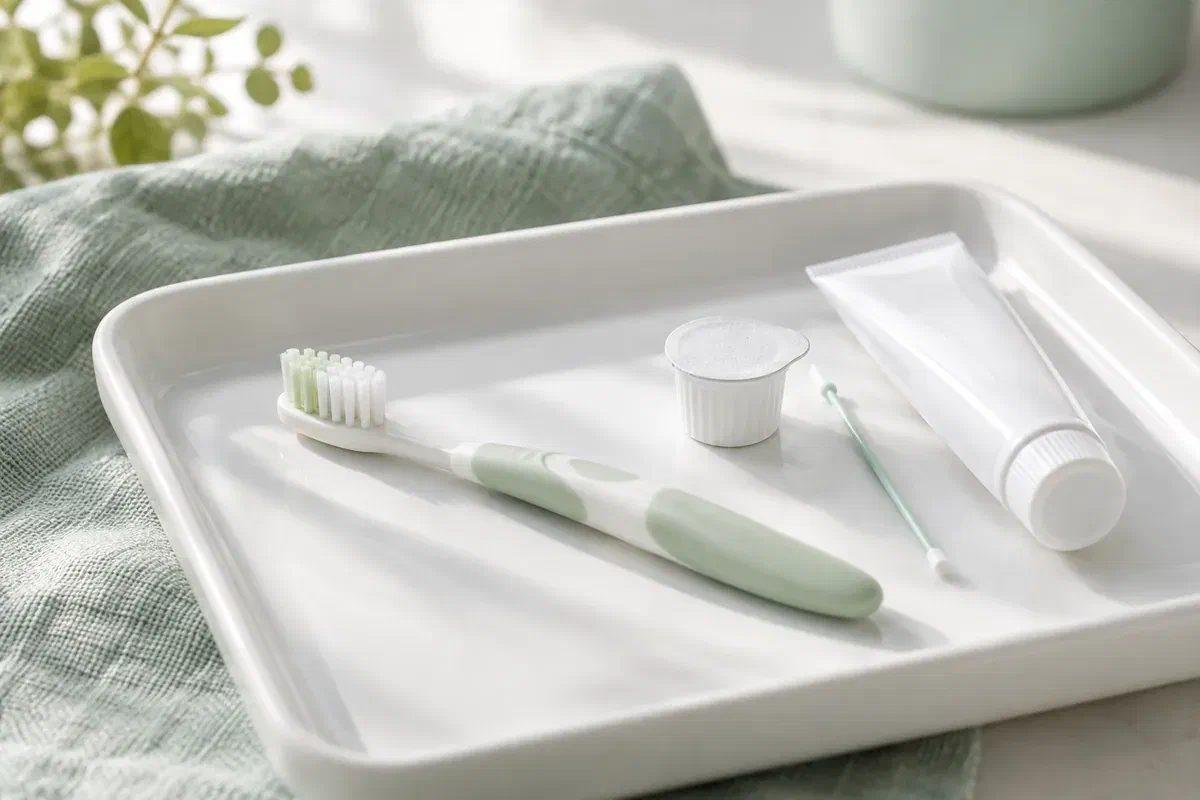
Illustrative fluoride applicator, small unit-dose cup, toothbrush, and toothpaste
What we’d like to know

Comfort first, then the clinical picture

Pushing through a difficult routine with extra products rarely works. Knowing what your child finds hard helps the advice stay realistic.

Teeth that need closer attention

Recent fillings, early changes the dentist is monitoring, or long stretches without proper brushing because it’s a struggle are all important. They help show whether added prevention is worth the effort for your child. The plan should reflect today’s findings.

Brushing that’s hard to get through

If your child resists the brush, dislikes the toothpaste flavour or can’t yet spit, tell us. An adult should still control the amount. The team can suggest gentler techniques, a milder-tasting paste or positions that make brushing easier to manage.

Products already tried

Note any pastes, rinses or supplements you’ve tried or abandoned, and your usual drinking water. A product a sibling tolerates may not suit a child with strong sensory preferences. The team can help sort out which ones are worth keeping.

Mention allergies, flavour sensitivities or a reaction to any dental product before an application. Preparations differ in ingredients and taste, so it helps to discuss the specific product being considered.

Why it may be worth trying

A short step that can add protection

Professional fluoride helps enamel stand up to acid and can support remineralization of suitable early changes. It cannot rebuild tooth structure that has been lost. Ask whether the suggestion is preventive, aimed at an early lesion, or part of a wider plan, especially if brushing at home is limited.

For a child who finds brushing difficult, an application can feel tempting as a shortcut, but it works alongside daily care rather than replacing it. No visit guarantees a cavity-free result. Cleaning, eating and drinking patterns and treatment of any diagnosed issue still need attention between reviews.

Patient information: CDA — fluoride and prevention

A reason that justifies the effort

When a visit takes extra preparation, it helps to know exactly why it matters. Ask which risk or finding the treatment responds to, and if the advice changes later, what led to the change.

Home care that’s achievable

Chairside fluoride and daily toothpaste have related but distinct roles. Ask what to continue and what could change to make brushing easier. A routine your child can tolerate every day is more valuable than an ideal one that never happens.

Honest discussion of worries

Raise concerns about taste, texture, swallowing or ingredients. The clinician can describe the product and any suitable alternatives. You should be able to decide with full information, without feeling rushed into agreeing.

An adapted visit

Slow, predictable and explained in advance

The method depends on the product chosen and on what your child can manage. Visits can be paced to give your child time.

  1. Get to know your child’s needs

    The dentist reviews the exam, past decay, age and current fluoride use, and asks what your child finds hard. Mention sensory sensitivities, medical conditions or swallowing concerns. Ask whether the plan involves an application, a home-care change, or both.

  2. Show and tell before starting

    The team should describe the product, its purpose, how it’s applied and any precautions. Your child may be shown the brush or applicator first. Varnish is one option that may be considered. Ask about its taste and texture, and mention earlier reactions.

  3. Apply in small, manageable steps

    The clinician uses the amount and method that suit the product and the patient. Breaks, a signal to pause or a parent nearby can help; ask what’s possible. If an application isn’t tolerated, the team can discuss another approach or try again at a later visit.

  4. End with clear, calm instructions

    Confirm when your child can eat, drink and brush for the product used, and whether a repeat or recheck is advised. Ask for directions simple enough to share with other caregivers, especially if your child is unsettled afterwards.

After a challenging appointment

Keep the rest of the day low-key.

Each professional preparation can have its own aftercare. Use the treating team’s directions, not a waiting period you came across online.

Prepare for the coated feeling

Some products leave teeth feeling sticky or looking slightly different for a while, which can bother a sensitive child. Ask what to expect and when eating, drinking and brushing can resume. Call the clinic rather than trying to remove the coating early.

Keep toothpaste amounts small

Health Canada guidance asks for a professional risk assessment for children under three; at-risk toddlers use a dab no bigger than a grain of rice, brushed by an adult. From ages three to six, a pea-sized portion with help is recommended, along with spitting. Ask what fits your child.

Supervise and store products

An adult should control amounts, and tubes, rinses and prescription products should stay out of children’s reach. Don’t add supplements or stronger products without advice. A large accidental swallow calls for prompt contact with poison control or a medical professional.

Patient information: Health Canada — fluoride and children’s toothpaste use

Choosing what’s realistic

Options that respect your child’s limits

Ask which choices suit your child’s risk, development and comfort. Keep prevention separate from treatment of any existing cavity.

When added prevention is supported

A carefully paced application

The dentist may recommend a suitable product and schedule if the findings support it. Ask about benefits, precautions and how it can be adapted. It should be chosen for your child, not added to every visit regardless of how hard it is.

When daily care is a struggle

Making home brushing easier

A milder flavour, a softer brush, a different position or brushing at a calmer time of day can make a real difference. Other fluoride products need specific advice. Ask for a routine your child can tolerate, and adjust it together over time.

When a tooth needs more than prevention

Sealants or restorative care

A deep groove might be considered for a sealant, and a damaged tooth may need treatment. Fluoride doesn’t replace these. Ask what each recommendation addresses and how visits can be planned to suit your child.

Sensory and comfort questions

What if my child won’t cooperate?

Bring the products you use and describe what your child finds difficult. Answers should fit the whole prevention plan.

(905) 876-4488
What does fluoride varnish taste like?
Products come in different flavours, and some children notice the taste more than others. Ask the team which product they plan to use and whether there are options if your child has strong taste preferences. Letting your child know in advance that there may be a taste can make it less of a surprise.
My child gags easily. Can fluoride still be applied?
Often an application can be adapted, for example by working quickly, in small sections or with breaks. Tell the team about the gag reflex in advance. If it still isn’t tolerated, the dentist can discuss alternatives or another attempt later.
Can I sit with my child during the application?
Ask the clinic about having a parent close by when you book. Many children feel more settled with a familiar person near them, and you’ll be able to hear the aftercare instructions first-hand.
Is there a fluoride toothpaste that’s easier for sensitive kids?
There are pastes with milder flavours and different textures. Bring the one you’re using and describe what your child dislikes. The dentist can suggest an option with an appropriate fluoride level for your child’s age and risk.
What happens if my child refuses the application?
An application shouldn’t be forced on a distressed child. The team can discuss whether to try again at a later visit, focus on home care for now, or consider another approach. The decision should reflect both your child’s risk and their comfort, and it can be revisited as your child becomes more familiar with visits.
Can we arrange a calm, quiet appointment time from Acton?
Ask the team when you call about times that might be quieter or suit your child’s routine. Sharing your child’s needs ahead of time helps everyone plan for a smoother visit. It can also help to bring a comfort item, and to avoid booking straight after a long day at school.
Book from Acton

A gentler way into fluoride care

Contact our Bronte Street practice to discuss your child’s fluoride needs, past cavities and the things that make visits hard. We’ll talk through options and give practical instructions suited to your child’s assessment and comfort.

Product choice and frequency are individual. Mention sensory needs, allergies or earlier reactions before treatment, and bring the products you use.

Visit Milton Dental Clinic
Unit 1, 342 Bronte St. S, Milton, ON L9T 5B7
Get directions Clinic hours
Monday–Thursday
11am–7pm
Friday–Sunday
By appointment only

Areas we serve

  • Milton
  • Oakville
  • Mississauga
  • Georgetown
  • Halton Hills
  • Acton
  • Campbellville
  • Brampton
  • Burlington
  • Puslinch
  • Rockwood
  • Erin
  • Caledon
  • Etobicoke
  • Old Milton
  • Bronte Meadows
  • Timberlea
  • Dorset Park
  • Dempsey
  • Clarke
  • Beaty
  • Coates
  • Harrison
  • Scott
  • Willmott
  • Ford
  • Bowes
  • Cobden
  • Walker
  • Mountain View
  • Milton Heights
  • Hawthorne Village
  • Valley View
  • Fallingbrook
  • Nassagaweya
  • Trafalgar
  • Esquesing
  • Nelson
  • Brookville
  • Moffat
  • Glen Williams
  • Norval
  • Limehouse
  • Stewarttown
  • Ashgrove
  • Hornby
  • Silver Creek
  • Speyside
  • Scotch Block
  • North Oakville
  • River Oaks
  • Glen Abbey
  • West Oak Trails
  • Palermo
  • Bronte Creek
  • College Park
  • Joshua Creek
  • Uptown Core
  • Preserve
  • Iroquois Ridge
  • Lisgar
  • Meadowvale
  • Meadowvale Village
  • Churchill Meadows
  • Erin Mills
  • Central Erin Mills
  • Streetsville
  • East Credit
  • Creditview
  • Heartland
  • Sheridan
  • Mount Pleasant
  • Credit Valley
  • Huttonville
  • Churchville
  • Springbrook
  • Northwest Brampton
  • Bram West
  • Fletcher's Meadow
  • Fletcher's Creek South
  • Alton Village
  • Orchard
  • Millcroft
  • Headon Forest
  • Tansley
  • Brant Hills
  • Tyandaga
  • Kilbride
  • Lowville
  • Aberfoyle
  • Morriston
  • Arkell
  • Hillsburgh
  • Freelton
  • Carlisle
  • Waterdown
  • Flamborough
  • Mountsberg

How can we help?

Milton Dental Clinic

Have a question about your smile? Choose the option that works best for you.

For urgent dental concerns, please call.
Messages are reviewed during clinic hours.