

Illustrative parent and child discussing toothpaste with a dental clinician
Children’s Dentistry

Children’s Fluoride Treatment in Caledon

The fluoride plan that suited your preschooler may not fit a ten-year-old with new molars or a teen in braces. From Caledon, review how your child’s needs have changed and whether professional treatment still makes sense.

Growing up, plan included

A plan that grows with your child

Fluoride advice isn’t set once and left alone. A toddler needs an adult controlling a tiny smear of paste; a school-age child is getting new permanent molars; a teenager may have braces, sports drinks and a less predictable routine. Each stage can shift the risk of decay, and with it the case for professional fluoride.

So when you book, tell us what has changed since the last plan was made. Has your child started brushing alone? Are there new fillings, spots under watch or orthodontic appliances? List current toothpaste, rinses, medicines and your drinking water, since many homes around Caledon use private wells. That update lets the dentist revisit the recommendation properly.

At any age, fluoride is a preventive tool rather than a treatment for an existing cavity, and it never replaces exams or daily brushing. Ask what product is suggested now, how it’s applied, what aftercare follows and when the dentist plans to look at it again.

Update your child’s fluoride plan
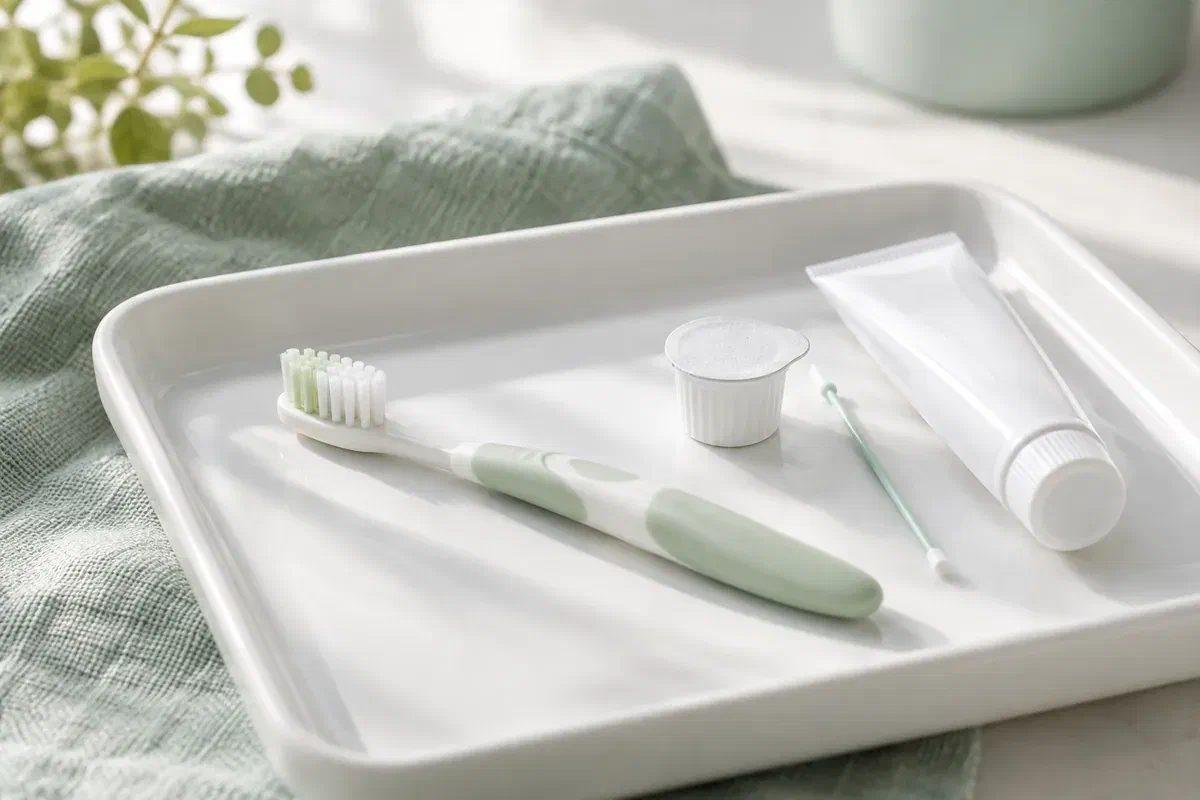
Illustrative fluoride applicator, small unit-dose cup, toothbrush, and toothpaste
What may have changed

New teeth, new habits, new risks

Keeping the same products year after year isn’t always right, and neither is adding more. An honest update keeps the plan current and practical.

Recent dental changes

Mention new fillings, newly erupted molars, early changes being monitored or orthodontic work that makes cleaning harder. These can raise or lower the case for added prevention. Earlier history still matters, but the dentist will focus on your child’s current stage.

Independence at the sink

As children start brushing on their own, technique and amount can drift. Tell us whether an adult still checks, how much paste is used and whether your child spits. Younger kids still need hands-on help, and older ones may benefit from a refresher.

Products picked up along the way

Rinses, prescription pastes, supplements and your water source all count, as do products given for braces. Something suitable for a teen may not suit a younger sibling. The team can review the current mix and say what still belongs.

Tell us about any new allergies or reactions to dental products before an application. Ingredients vary by preparation, so the conversation should be about the exact product being considered at this visit.

Why it may matter at this stage

Support for new enamel and harder-to-clean teeth

Fluoride helps tooth surfaces resist decay and can support remineralization of appropriate early changes, which can be especially relevant as new permanent teeth arrive or when brackets trap plaque. It won’t rebuild lost structure. Ask whether the current advice is preventive, meant to manage an early change, or tied to a broader treatment plan.

However the stage changes, the daily routine stays central. An application doesn’t promise freedom from cavities. Brushing, sugary snacks and drinks, and care for any diagnosed condition all matter, and regular reviews let the dentist step prevention up or down over time.

Patient information: CDA — fluoride and prevention

A reason that fits today

Ask what current risk or finding the treatment addresses, not just what was recommended before. A fresh rationale makes aftercare easier to follow. If the advice changes at the next visit, ask what prompted the update.

Home care for this age

Chairside fluoride and daily toothpaste do related but different jobs. Ask what an older child should now manage alone and what still needs adult checking. A routine matched to your child’s age is easier to keep.

Questions from parents and kids

Older children may have their own questions about taste, ingredients or why treatment is needed. The clinician can explain the product and reasonable alternatives to both of you, so decisions feel shared rather than assumed.

A review visit

Look back, check now, plan ahead

The product and method depend on your child’s current needs and the preparation chosen. The plan may change from one stage to the next.

  1. Compare with the last plan

    The dentist reviews what was recommended before, today’s exam, any new decay, your child’s age and the products in use now. Mention new health conditions or medicines. Ask whether the advice is to continue, adjust or stop professional fluoride.

  2. Explain any change in product

    If a different preparation is proposed, the team should explain why, how it’s applied and what precautions apply. Varnish is one professional approach. Ask what your child might notice, and mention any reactions since the last visit.

  3. Apply it to suit an older child

    The clinician uses an amount and method appropriate for the product and the patient. Older children may prefer to hear each step first. If something about the process is difficult, the team can discuss a reasonable change.

  4. Agree on the next review

    Confirm the eating, drinking and brushing directions for the product used. Ask when the plan will next be reviewed and what changes, such as braces coming off, should prompt an earlier conversation.

Home care at every age

Today’s instructions and the routine for this stage

Aftercare differs between preparations. Use the team’s directions for the product your child received, not a blanket rule from the internet.

Hand the instructions to your child too

Older kids can follow aftercare themselves if they understand it. Ask about food, drinks and brushing for the specific product, and share the advice with other caregivers. A coated feeling can be normal; call rather than scrubbing it off.

Adjust amounts as your child grows

For under-threes, Health Canada recommends a professional look at risk, with a rice-grain smear brushed by an adult for those at risk. Ages three to six use a pea-sized amount with help and spit. After that, ask the dentist what suits your child’s age and ability.

Keep stronger products controlled

Prescription pastes or rinses for an older child should be stored away from younger siblings, and adults should still oversee amounts. Don’t add supplements without advice. If a child accidentally swallows a lot of any product, call poison control or seek medical advice right away.

Patient information: Health Canada — fluoride and children’s toothpaste use

Options for this stage

Step up, hold steady or scale back?

Ask which choices fit your child’s current risk and age. The plan should keep prevention apart from treatment for any existing cavity.

When current findings still support it

Continued professional fluoride

The dentist may recommend continuing, changing or pausing applications depending on the exam. Ask about benefits, cautions and when the decision will be revisited. It shouldn’t continue simply because it was started years ago.

When brushing becomes more independent

A routine your child can own

Useful changes may include a different toothpaste, a reminder about amount, better technique around braces or periodic adult checks. Rinses and prescription products should come with clear directions. Ask for steps your child can follow on their own.

When new molars or damage need care

Sealants or restorations as teeth change

Newly erupted molars with deep grooves may suit sealants, and a damaged tooth may need a restoration. Fluoride doesn’t replace either. Ask what each recommendation addresses and whether they work together.

Questions as kids grow

Fluoride through the school years

Bring current products and any changes since the last visit. Answers should reflect your child’s whole prevention plan.

(905) 876-4488
Does my child still need fluoride treatment now that they’re older?
It depends on current risk, findings and fluoride exposure rather than age alone. Some children need less over time, while others need more, for example during orthodontic treatment. Ask the dentist to explain the reasoning at each review.
Do braces change the fluoride recommendation?
They can. Brackets and wires make it harder to clean, which may increase risk. Tell the dentist about the orthodontic treatment and any products the orthodontist gave you, so advice can be coordinated. Ask how to clean around brackets and whether the plan should be revisited once the braces come off.
At what age can my child brush without supervision?
There isn’t a single age; it depends on skill and reliability. Many children still benefit from adult checks for some time. Ask the dentist whether your child’s technique is ready for more independence.
Are sports drinks a problem for a child getting fluoride?
Frequent sugary or acidic drinks can raise decay risk regardless of fluoride. Mention sports and drink habits, and ask how to balance them with your child’s prevention plan. Water is usually the simplest choice for practices and games, but the dentist can give advice suited to your child.
When the six-year molars come in, should we think about fluoride or sealants?
New permanent molars are a good time for the dentist to review prevention. Depending on the grooves and your child’s risk, sealants, fluoride or both may be discussed. Ask what each would do for those teeth.
We’re on a well in rural Caledon. Should that affect the plan?
Possibly, since well water can vary. Tell the dentist your water source and bring any test results. That helps them consider your child’s overall fluoride exposure before recommending supplements or professional treatment.
Book from Caledon

Time to revisit the plan?

Get in touch with our Bronte Street practice to update your child’s fluoride plan, talk through recent changes and review the products you use. We’ll explain what still makes sense and give clear instructions based on the assessment.

Products and frequency change with each child’s needs. Bring current products and tell us about allergies or new reactions before treatment.

Visit Milton Dental Clinic
Unit 1, 342 Bronte St. S, Milton, ON L9T 5B7
Get directions Clinic hours
Monday–Thursday
11am–7pm
Friday–Sunday
By appointment only

Areas we serve

  • Milton
  • Oakville
  • Mississauga
  • Georgetown
  • Halton Hills
  • Acton
  • Campbellville
  • Brampton
  • Burlington
  • Puslinch
  • Rockwood
  • Erin
  • Caledon
  • Etobicoke
  • Old Milton
  • Bronte Meadows
  • Timberlea
  • Dorset Park
  • Dempsey
  • Clarke
  • Beaty
  • Coates
  • Harrison
  • Scott
  • Willmott
  • Ford
  • Bowes
  • Cobden
  • Walker
  • Mountain View
  • Milton Heights
  • Hawthorne Village
  • Valley View
  • Fallingbrook
  • Nassagaweya
  • Trafalgar
  • Esquesing
  • Nelson
  • Brookville
  • Moffat
  • Glen Williams
  • Norval
  • Limehouse
  • Stewarttown
  • Ashgrove
  • Hornby
  • Silver Creek
  • Speyside
  • Scotch Block
  • North Oakville
  • River Oaks
  • Glen Abbey
  • West Oak Trails
  • Palermo
  • Bronte Creek
  • College Park
  • Joshua Creek
  • Uptown Core
  • Preserve
  • Iroquois Ridge
  • Lisgar
  • Meadowvale
  • Meadowvale Village
  • Churchill Meadows
  • Erin Mills
  • Central Erin Mills
  • Streetsville
  • East Credit
  • Creditview
  • Heartland
  • Sheridan
  • Mount Pleasant
  • Credit Valley
  • Huttonville
  • Churchville
  • Springbrook
  • Northwest Brampton
  • Bram West
  • Fletcher's Meadow
  • Fletcher's Creek South
  • Alton Village
  • Orchard
  • Millcroft
  • Headon Forest
  • Tansley
  • Brant Hills
  • Tyandaga
  • Kilbride
  • Lowville
  • Aberfoyle
  • Morriston
  • Arkell
  • Hillsburgh
  • Freelton
  • Carlisle
  • Waterdown
  • Flamborough
  • Mountsberg

How can we help?

Milton Dental Clinic

Have a question about your smile? Choose the option that works best for you.

For urgent dental concerns, please call.
Messages are reviewed during clinic hours.