

Illustrative child and parent discussing a tooth model with a dental clinician
Children’s Dentistry

Children’s Tooth-Coloured Fillings in Etobicoke

When the trip is longer, each visit has to count. Coming from Etobicoke, you can plan a child’s tooth-coloured filling with fewer, well-prepared appointments and a clear idea of when to seek care closer to home.

Making the trip worthwhile

A well-packed appointment, and a backup plan.

Families who travel from Etobicoke usually want two things from a filling plan: as few trips as safely possible, and confidence about what to do if something flares up between visits. Both are reasonable. Good preparation before the first appointment makes it more likely that each visit achieves something useful.

The clinical picture still sets the pace. A dentist needs to see where the damage is, judge how much sound tooth remains, note whether it is primary or permanent, and decide whether a dry field can be kept for a tooth-coloured material. Sometimes the exam and repair can happen close together; sometimes a tooth needs a different treatment or a period of monitoring first.

Send any previous X-rays or records ahead if you can, and tell us how your child copes with care. A longer car ride can leave some children tired or unsettled before they even sit down. Alongside the repair, we will agree on home habits that protect the rest of the mouth between visits.

Plan an organised filling visit
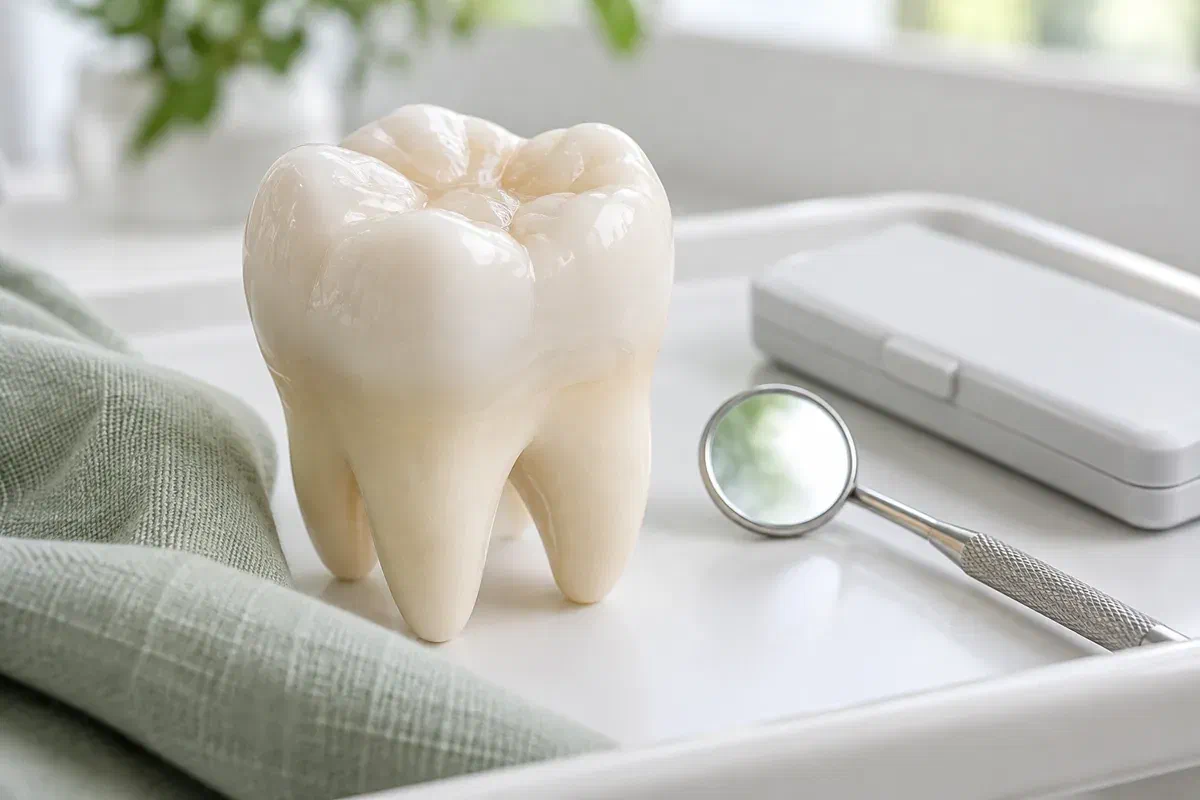
Illustrative opaque molar teaching model with a tooth-coloured repair
Before you set out

Describe the problem so the visit can be planned.

Detailed information before booking helps the team set aside suitable time and decide what can reasonably be done in one appointment.

Where the damage seems to be

Note any visible hole, rough edge or place where food lodges, and photograph it if it is easy to see. The exam determines the real extent. A small opening on the surface can sit over a much wider area of decay, so avoid assuming it will be quick.

How the pain behaves

Record when discomfort occurs, how long it lasts and whether it wakes your child. Swelling, spontaneous throbbing or refusal to eat may mean the pulp is involved. That tooth might need different treatment, and it should be assessed promptly rather than saved for a planned visit.

Your child’s comfort needs

Explain communication preferences, sensory sensitivities and how earlier numbing went. Mention if travel tires your child out. These details help with scheduling and pacing, and with keeping the tooth isolated well enough for the material being considered.

If pain is escalating, the face is swelling, or a tooth has broken, call us right away. When the trip would delay care, seek urgent dental or medical attention closer to home.

What you get from the repair

A restored surface that fits in with the smile.

A direct filling replaces tooth that has been lost to decay, built up and shaped during the appointment. It can rebuild a chewing area or close a side surface so food stops packing in. Being tooth-coloured is a nice advantage, yet the priority is that the restoration suits that tooth.

Materials that look like enamel are not interchangeable. Composite resin, glass ionomer and related options differ in bonding, wear and moisture handling. Ask which one is planned for your child and what its drawbacks are. A filling can serve well for a long time, but none can be promised to last indefinitely.

Patient information: AAPD — pediatric restorative dentistry

Suited to the strength that remains

The dentist weighs the size and location of the damage. If too much tooth has been undermined, a crown or another restoration could offer better support. Knowing this before you travel helps you prepare for more than one possible outcome.

A bite that feels right on the ride home

The finished filling is shaped and its contact with other teeth is checked. If your child later says the tooth feels tall or sore when biting, phone us and describe it. A quick conversation can help decide whether an adjustment is needed.

Prevention that works at a distance

Fewer visits make home care even more important. Use the appointment to discuss brushing help, fluoride and how often sweets or sweet drinks appear in the day. Repairing one surface does nothing for the teeth that are still at risk.

On the day

Four steps, planned around your journey.

What happens depends on the diagnosis, the material and how your child is doing after the trip. Agree on a pause signal so your child knows they can ask for a break.

  1. Review records and examine

    The dentist checks the tooth and any records you sent, and may suggest X-rays where clinically indicated. Ask whether a filling is suitable, which alternatives exist and what could happen without treatment. Confirm whether it is a primary tooth, and how that shapes the plan.

  2. Freeze and isolate

    Local anaesthetic is offered when indicated and explained in terms your child can follow. The tooth is isolated to keep the area dry. Speak up if your child seems tired or tense; being quiet is not the same as being comfortable.

  3. Remove decay and restore

    The affected area is prepared to suit the findings. The material is placed and set according to its own steps. Because some materials need very dry conditions, how the appointment is going can influence the final choice.

  4. Check, explain and book ahead

    Shape and bite are reviewed. Before you leave, confirm eating instructions, numbness care and which symptoms should prompt a call. If other teeth need work, ask whether it can be grouped into one future visit, and when this filling should be reviewed.

The trip home and after

No snacks until the numbness wears off.

Follow the guidance for your child’s material and anaesthetic. Kids can chew on a frozen lip without realising it, especially when they are bored in the car.

Hold the snacks

Wait to offer food as advised until feeling returns. Keep an eye out for chewing, sucking or rubbing at the numb area during the drive. If a sore develops or you are unsure what to do, call the clinic for advice.

Listen for bite changes

Tell us if a tooth seems to meet first, chewing hurts, or sensitivity is strong, lasting or increasing. Note when it started and what sets it off. We can discuss by phone whether a visit is needed, so don’t have your child chew through it.

Keep up home care

Brush and clean around the repaired tooth as usual, with your help as advised, and keep review visits. If a piece breaks or an edge feels rough, call us rather than smoothing or patching it yourself.

Patient information: AAPD — local anaesthesia for pediatric dental patients

Weighing your choices

Which repair, and how many trips?

Ask how each option changes the number of appointments, expected durability and the follow-up needed, so you can plan travel realistically.

When the damage fits a filling

Direct tooth-coloured repair

Composite resin or a similar material may be suggested according to the size of the decay and whether the tooth can be isolated. The dentist will explain the trade-offs. A wish for a white repair is welcome, but it does not decide suitability by itself.

When more than a filling is needed

Crown, pulp care or referral

A large area of damage or an affected pulp may call for a crown, pulp therapy or another approach. If a referral to a pediatric specialist is appropriate, it may be one closer to Etobicoke. Ask what each step is intended to accomplish.

When filling now is not advised

Prevention with planned checks

Some early decay can be managed with fluoride, home changes and monitoring rather than immediate drilling. That plan needs a clear assessment and review date, so the area is followed up rather than forgotten.

Planning from farther away

Practical questions about travel, timing and urgent care.

Bring your child’s questions too. Knowing what to expect can make a longer day feel more manageable for them.

(905) 876-4488
What should I do if my child’s tooth flares up at night and the clinic is far?
For severe pain, facial swelling, fever or difficulty swallowing, seek urgent care close to home rather than waiting for a trip. For milder symptoms, call us in the morning so we can advise on next steps.
Can the exam and the filling happen at the same appointment?
Sometimes, depending on the findings, the time available and how your child is coping. Mention that you are travelling when you book, and the team can tell you what is realistic for your child’s situation.
Should I send previous X-rays before our first visit?
Yes, if you have them. Recent records can help the dentist understand the history of the tooth and may reduce the need for repeat imaging. The dentist will still decide what is clinically needed.
Is it all right to give my child a snack in the car after the filling?
Wait until numbness has worn off, unless the team has said otherwise. Children can bite their lip or cheek without feeling it. Water is usually fine, but ask about anything specific to the material used.
How quickly does a recommended filling need to be done?
That depends on the depth of the decay and any symptoms. Some teeth should be treated soon, while others can safely wait a short time. Ask the dentist for a recommended timeframe and what to watch for meanwhile.
Is a white filling on a baby tooth expected to last until it falls out?
Many do, but it is not guaranteed. Wear, new decay at the edges, or breakage can occur. Regular reviews let the dentist check the filling, so keep follow-up visits even when your child has no symptoms.
Etobicoke children’s fillings

One well-prepared visit is a good place to begin.

Book a consultation at our Bronte Street practice for your child’s tooth. Send any records you have, and tell us about symptoms, past dental experiences and your travel plans so we can make the most of the appointment.

Treatment depends on the exam. For severe pain or swelling, seek prompt care, including closer to home.

Visit Milton Dental Clinic
Unit 1, 342 Bronte St. S, Milton, ON L9T 5B7
Get directions Clinic hours
Monday–Thursday
11am–7pm
Friday–Sunday
By appointment only

Areas we serve

  • Milton
  • Oakville
  • Mississauga
  • Georgetown
  • Halton Hills
  • Acton
  • Campbellville
  • Brampton
  • Burlington
  • Puslinch
  • Rockwood
  • Erin
  • Caledon
  • Etobicoke
  • Old Milton
  • Bronte Meadows
  • Timberlea
  • Dorset Park
  • Dempsey
  • Clarke
  • Beaty
  • Coates
  • Harrison
  • Scott
  • Willmott
  • Ford
  • Bowes
  • Cobden
  • Walker
  • Mountain View
  • Milton Heights
  • Hawthorne Village
  • Valley View
  • Fallingbrook
  • Nassagaweya
  • Trafalgar
  • Esquesing
  • Nelson
  • Brookville
  • Moffat
  • Glen Williams
  • Norval
  • Limehouse
  • Stewarttown
  • Ashgrove
  • Hornby
  • Silver Creek
  • Speyside
  • Scotch Block
  • North Oakville
  • River Oaks
  • Glen Abbey
  • West Oak Trails
  • Palermo
  • Bronte Creek
  • College Park
  • Joshua Creek
  • Uptown Core
  • Preserve
  • Iroquois Ridge
  • Lisgar
  • Meadowvale
  • Meadowvale Village
  • Churchill Meadows
  • Erin Mills
  • Central Erin Mills
  • Streetsville
  • East Credit
  • Creditview
  • Heartland
  • Sheridan
  • Mount Pleasant
  • Credit Valley
  • Huttonville
  • Churchville
  • Springbrook
  • Northwest Brampton
  • Bram West
  • Fletcher's Meadow
  • Fletcher's Creek South
  • Alton Village
  • Orchard
  • Millcroft
  • Headon Forest
  • Tansley
  • Brant Hills
  • Tyandaga
  • Kilbride
  • Lowville
  • Aberfoyle
  • Morriston
  • Arkell
  • Hillsburgh
  • Freelton
  • Carlisle
  • Waterdown
  • Flamborough
  • Mountsberg

How can we help?

Milton Dental Clinic

Have a question about your smile? Choose the option that works best for you.

For urgent dental concerns, please call.
Messages are reviewed during clinic hours.