

Illustrative patient discussing spaces between front teeth with a dental clinician
Cosmetic Dentistry

Black Triangle Closure in Etobicoke

Making the trip from Etobicoke for a cosmetic concern works best when each visit has a clear purpose. We plan black triangle care so the assessment, any bonding and the follow-up are organised, and you know what to do between appointments.

Organised visits, careful planning

Fewer trips, more answers each time

When the drive is longer, it pays to arrive prepared. A black triangle is the small dark opening between two teeth near the gum, and before anyone talks about closing it, the dentist needs to know why it is there. The shape of the teeth, their position and the gum and bone between them can each be responsible.

Bonding is often the cosmetic answer when tooth shape is the main factor. Composite is sculpted onto the sides of the neighbouring teeth to narrow the gap. It does not rebuild receded gum or lost bone, and the finished contact must stay easy to clean. Knowing this ahead of time helps you plan realistic visits.

Bring any recent X-rays, records of past orthodontic or gum treatment and photos that show when the space appeared. With that in hand, a first appointment can cover the examination and a clear discussion of options, so a second trip from Etobicoke is only needed if treatment goes ahead.

Plan your first gap assessment
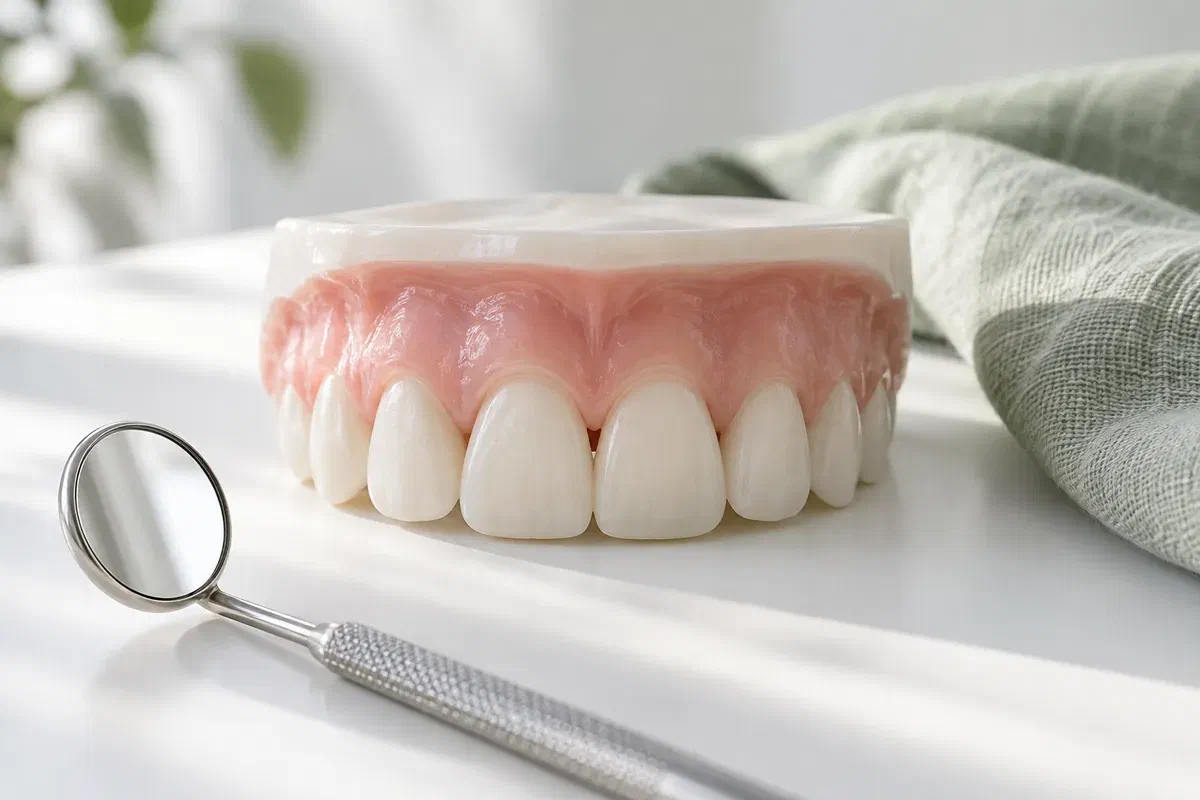
Illustrative dental model showing small triangular spaces near the gumline
Worth sharing at the first visit

Tell us the whole story upfront

A good photo shows what the gap looks like but not why. Describe when you first noticed it, whether it has changed and any symptoms, so one visit can cover as much as possible.

The space you see in the mirror

Show us the gap that bothers you and describe what you hope to change. A single small space and several across the front teeth need different planning. Ask how composite might change the width and proportions of each tooth.

Trouble cleaning between the teeth

Point out where food lodges and whether floss catches or hurts. The assessment covers how the teeth touch and how their sides are shaped. A cosmetic change should never create a ledge or pocket that is hard to clean.

Changes in the gums

Mention bleeding, recession, tenderness or any looseness. These can change what happens first. If there is gum disease, treating it is the priority, and cosmetic closure waits until the tissues are stable.

Not every visible gap is a health problem, and not every healthy gap needs treatment. We will explain which findings matter for your oral health and which decisions are about appearance.

The value of a thought-through plan

Good proportions, easy upkeep, no surprises

In suitable cases, composite built up on the facing surfaces can make an opening much smaller. The extent depends on the tooth shapes and the gums. Full closure is not always realistic, and forcing it can leave teeth looking too broad.

Before agreeing to treatment, ask about the planned outline, the maintenance and the limits. Find out whether bonding is the whole plan or part of wider gum, restorative or orthodontic care, so you can schedule your visits accordingly.

Patient information: Clinical trial — composite restoration of anterior black triangles · Research on tooth contact, bone level, and interdental gum tissue

A plan you can schedule around

Ask the dentist to list what will change, what will stay and how many visits that involves. Clear steps make it easier to book time off and arrange travel. A reduced gap can be a good outcome even without full closure.

Conservative use of tooth structure

Ask whether any enamel would be removed or whether material would only be added. Cosmetic options vary in how much preparation they need. It is also wise to know what a future repair might involve and whether it could be done in one visit.

Follow-up that fits your calendar

Ask how the contact, gums and composite will be checked, and whether reviews can line up with your regular recall. Know who to call if the area becomes hard to clean between visits.

How the visits are arranged

Four steps, grouped where it makes sense

We aim to make each appointment count. Ask which records to bring and whether input from another clinician could be gathered before your first visit.

  1. Assessment with your records in hand

    Share your history of braces, gum care and fillings, plus any recent X-rays. We then look closely at the gap, the neighbouring teeth and the gum between them. Further images may still be needed to see bone levels and contact points that the visible space does not reveal.

  2. A clear plan before you leave

    Before you head home, we lay out the realistic choices: leave it and watch, treat the gums, bond the teeth or ask an orthodontist. If bonding is recommended, ask how the teeth will change and how much reduction is reasonable. Confirm the estimate, the number of visits and the upkeep.

  3. Bonding, if you choose it

    At the treatment appointment, the teeth are prepared and resin is applied, shaped and set with a curing light, working around the neighbouring tooth and gumline. You can ask for a pause or an explanation whenever you need one.

  4. Final check and cleaning demonstration

    The composite is polished and the contact is tested. We show you the right cleaning aid for the treated area. Review the result, any remaining space and when your next check should be.

Between appointments

Know what to do at home and when to call

Daily cleaning matters just as much after bonding. Stay with the technique from your appointment, and phone us if the floss or brush you were given starts to stick.

Keep cleaning the treated spot

Ask which aid and size suit the bonded area, and take one home if you can. Use it gently; never force it. If floss keeps snagging or shredding, call us so we can decide together whether a visit is needed.

Protect the composite

Avoid biting hard objects or opening packaging with your front teeth. Let us know about a chip, rough edge or change in shape. Do not try to smooth or glue it; the right repair depends on the surface.

Combine reviews with recall visits

Where possible, schedule bonding reviews alongside your regular checkups and gum appointments. Mention persistent bleeding, trapped food or a new gap. Bonding does not replace monitoring of gum and bone.

Patient information: Cleveland Clinic — gum recession and its assessment

Which path suits you

Options that follow from the findings

Ask what each option is meant to achieve. A smaller visible gap, healthier gums and better tooth position are separate aims, and they may need separate stages.

When tooth shape can be changed sensibly

Composite reshaping

Bonding can make a triangle less visible by extending the sides of the neighbouring teeth. Talk through proportions, cleaning and upkeep. An honest plan lays out the limits rather than promising every gap will close.

When the tissues need treatment

Gum health first

Inflamed gums, pocketing or a gumline that has moved for no obvious reason take priority over any cosmetic decision. Ask whether a periodontist closer to home would be practical, and when it makes sense to look at appearance again.

When position or preference decides

Monitoring or orthodontic input

A healthy space you are comfortable with can simply be watched. If tooth position contributes, an orthodontist can outline alternatives. Take time to compare the practical demands of each option.

Questions from Etobicoke

Planning, timing and what to expect

Bring whatever matters for your smile and routine. The answers should fit your gap and your schedule, not a set package.

(905) 876-4488
Can the assessment and bonding happen on the same day?
Sometimes, if the gums are healthy, records are available and the plan is straightforward. Often, though, a separate visit is wiser so you have time to consider the options. Ask when booking whether a combined appointment is realistic.
What should I bring to my first appointment from Etobicoke?
Recent X-rays if you have them, details of past orthodontic or gum treatment, your retainer if you wear one and photos showing when the space appeared. This helps make the most of a single visit.
A piece of my bonding chipped off at home. Is that an emergency?
Keep the piece if you find it, avoid biting on that tooth and call us to describe what happened. Most small chips are not urgent, but a sharp edge or pain is worth mentioning so we can advise you.
Is a dark space between teeth always caused by gum disease?
No. It can come from tooth shape or position with healthy gums. An examination, sometimes with X-rays, helps tell a stable anatomical space from one that needs gum care.
Can bonding replace gum that has receded?
No. Composite changes the shape of the teeth; it does not regrow gum or bone. Ask what the restoration will change visually and how your gums will be monitored over time.
How long should I expect to wait between gum treatment and bonding?
It depends on how the gums respond. They usually need time to settle and be reassessed before cosmetic work. Ask your dentist or periodontist for a realistic timeline based on your progress.
From Etobicoke

Make the first visit count

Reserve a consultation at our Bronte Street practice and we can go through the space near your gumline, any cleaning difficulty and the options worth weighing. We will explain the findings clearly and help you plan the visits ahead.

Bonding works for some gaps and not others; tooth outline, alignment and gum health decide. Gum disease that is still active has to be treated on its own terms first.

Visit Milton Dental Clinic
Unit 1, 342 Bronte St. S, Milton, ON L9T 5B7
Get directions Clinic hours
Monday–Thursday
11am–7pm
Friday–Sunday
By appointment only

Areas we serve

  • Milton
  • Oakville
  • Mississauga
  • Georgetown
  • Halton Hills
  • Acton
  • Campbellville
  • Brampton
  • Burlington
  • Puslinch
  • Rockwood
  • Erin
  • Caledon
  • Etobicoke
  • Old Milton
  • Bronte Meadows
  • Timberlea
  • Dorset Park
  • Dempsey
  • Clarke
  • Beaty
  • Coates
  • Harrison
  • Scott
  • Willmott
  • Ford
  • Bowes
  • Cobden
  • Walker
  • Mountain View
  • Milton Heights
  • Hawthorne Village
  • Valley View
  • Fallingbrook
  • Nassagaweya
  • Trafalgar
  • Esquesing
  • Nelson
  • Brookville
  • Moffat
  • Glen Williams
  • Norval
  • Limehouse
  • Stewarttown
  • Ashgrove
  • Hornby
  • Silver Creek
  • Speyside
  • Scotch Block
  • North Oakville
  • River Oaks
  • Glen Abbey
  • West Oak Trails
  • Palermo
  • Bronte Creek
  • College Park
  • Joshua Creek
  • Uptown Core
  • Preserve
  • Iroquois Ridge
  • Lisgar
  • Meadowvale
  • Meadowvale Village
  • Churchill Meadows
  • Erin Mills
  • Central Erin Mills
  • Streetsville
  • East Credit
  • Creditview
  • Heartland
  • Sheridan
  • Mount Pleasant
  • Credit Valley
  • Huttonville
  • Churchville
  • Springbrook
  • Northwest Brampton
  • Bram West
  • Fletcher's Meadow
  • Fletcher's Creek South
  • Alton Village
  • Orchard
  • Millcroft
  • Headon Forest
  • Tansley
  • Brant Hills
  • Tyandaga
  • Kilbride
  • Lowville
  • Aberfoyle
  • Morriston
  • Arkell
  • Hillsburgh
  • Freelton
  • Carlisle
  • Waterdown
  • Flamborough
  • Mountsberg

How can we help?

Milton Dental Clinic

Have a question about your smile? Choose the option that works best for you.

For urgent dental concerns, please call.
Messages are reviewed during clinic hours.