

Illustrative patient and dental clinician discussing a chipped tooth using a model
Cosmetic Dentistry

Chipped Tooth Bonding

A chipped edge can affect more than the appearance of your smile. Explore chipped tooth bonding in Milton with an assessment of the damage, the way your teeth meet, and whether a carefully shaped composite repair is suitable for your tooth.

A closer look at chipped tooth bonding

Rebuild an edge with the whole tooth in mind.

A small chip can catch your tongue, interrupt the outline of a front tooth, or make you hesitate when biting. Composite bonding uses a tooth-coloured resin to rebuild an appropriate damaged area. The material is shaped on the tooth and finished to fit the surrounding surfaces.

Before repairing the edge, it is important to understand what happened. A recent impact, an old restoration that has broken, and a tooth that chips repeatedly under biting forces are different situations. The visible missing piece does not always show the full extent of the problem.

At Milton Dental Clinic, tell us when the chip occurred, whether you have discomfort, and what you would like restored. We begin by assessing the tooth and discussing the options. You do not need to decide in advance whether bonding, another restoration, or further investigation is the right answer.

Arrange an assessment of your chipped tooth
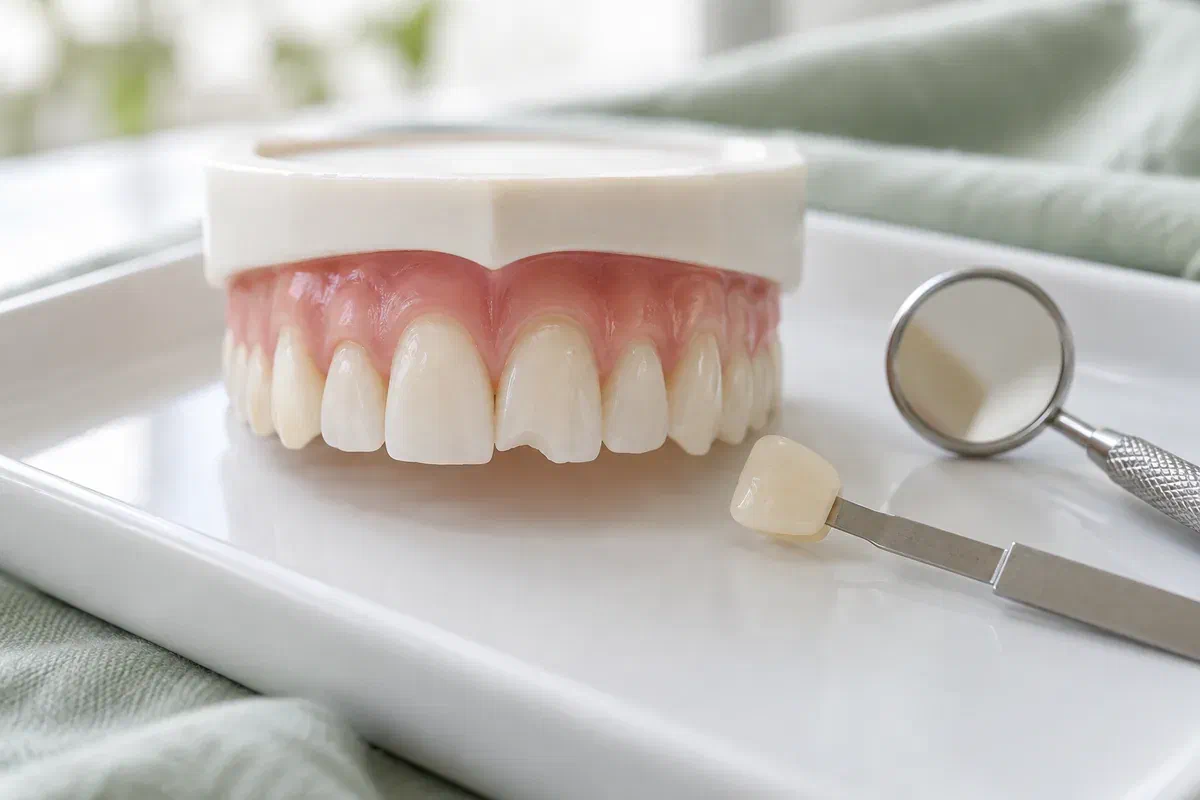
Illustrative front tooth model with a chipped corner beside a shade sample and dental mirror
What the chipped edge can tell us

Describe the break, the symptoms, and the way you bite.

A repair should respond to the condition of the tooth rather than just the size of the missing corner. Share the details even if the tooth currently feels comfortable.

A new chip after an impact

Explain how the injury happened and whether the tooth moved, bled, or became sensitive. Other teeth and surrounding tissues may also need assessment. A small-looking defect should not be assumed to be purely cosmetic after a significant blow.

A sharp or uneven edge

Point out where the tooth rubs your lip or tongue and whether eating feels different. Avoid repeatedly testing the edge with hard foods. Ask whether a small contour adjustment or an added restoration would address the problem more appropriately.

A corner that keeps breaking

Mention previous repairs, clenching, grinding, and habits such as biting pens or opening packages with your teeth. Replacing the same edge without reviewing the contributing factors may leave an important question unanswered. Bring any appliance you currently wear.

If you find a broken tooth fragment, keep it in milk or saliva in a container and bring it to the dentist. A clinician can assess whether reattachment is possible; do not use household glue.

What bonding may help restore

Work toward a comfortable edge and a shape that belongs.

For a suitable chip, resin can be selected and shaped to blend with the neighbouring tooth structure. The aim may include restoring the outline, smoothing an uncomfortable edge, or rebuilding part of the surface used in everyday function.

Bonding is still a restoration with limitations. Material can stain, wear, or chip, and a repair's prospects depend on the tooth and the forces it encounters. Ask what is realistic for your particular edge rather than relying on a general lifespan promise.

Patient information: Canadian Dental Association — bonding and veneers · Cleveland Clinic — dental bonding and maintenance

A focused repair where the damage is limited

Discuss how much of the tooth needs treatment and why. A small defect may allow a more local repair than an option covering a larger surface. The decision should account for sound tooth structure, the fracture pattern, and the condition of any existing restoration.

Attention to the shape you actually notice

Tell the clinician whether length, symmetry, or a rough corner is your main concern. Ask how the planned change relates to the neighbouring tooth. You should have a chance to explain your preference without being expected to redesign your entire smile.

A clear maintenance conversation

Ask which changes would call for polishing, repair, or replacement and how follow-up will work. Understanding those possibilities makes it easier to compare bonding with other choices. Confirm the estimate and whether further assessment is needed before the final plan.

From assessment to a finished edge

Check the tooth, agree on the repair, and refine the fit.

The exact steps depend on the injury and the proposed restoration. Tell us if you are anxious, and ask how comfort will be managed before treatment begins.

  1. Assess the damage and relevant symptoms

    Review the injury or history of chipping, along with any pain on biting or sensitivity. The clinician examines the tooth and considers any further tests or images needed. Ask whether there is a deeper concern that bonding alone would not address.

  2. Discuss shape, shade, and treatment choices

    Compare the proposed repair with appropriate alternatives and decide what outcome is being sought. Explain any plans for whitening or other dental work. Confirm how these choices could affect the sequence and shade selection before the resin is placed.

  3. Prepare and build the composite repair

    For an agreed bonding procedure, the tooth is prepared and the resin is applied and shaped. A curing light hardens the material. The amount of preparation and need for local anaesthetic depend on the work being done; ask what applies to your tooth.

  4. Finish the edge and review the bite

    The restoration is finished and polished, and the clinician checks how the teeth meet. Tell the team if the edge feels unfamiliar or the repaired tooth seems to meet first. Review aftercare and whether the injury needs a later reassessment.

Protecting the bonded edge

Use your tooth normally, with a little awareness of the repair.

Follow the instructions given for your procedure. If local anaesthetic was used, take care with chewing until sensation returns so you do not bite your lip or cheek.

Keep the tooth and neighbouring spaces clean

Continue gentle brushing with fluoride toothpaste and the recommended interdental cleaning. A bonded edge does not remove the need for everyday plaque control. Ask for a demonstration if the shape of the repair makes you uncertain about cleaning around it.

Avoid habits that load a small edge heavily

Do not use the tooth to cut thread, tear packaging, or bite hard objects. If you clench or grind, discuss whether further assessment or an appliance is appropriate. Protection should be based on your needs rather than assumed to be part of every bonding procedure.

Report changes instead of adjusting the repair yourself

Call about a new sharp edge, a changed bite, or a piece that breaks away. Keep the review recommended after an injury even when the appearance seems restored. A comfortable-looking repair does not answer every question about how an injured tooth is recovering.

Patient information: NHS — assessment and treatment of chipped or broken teeth

Choosing the right repair for a chip

The amount of damage helps determine the next step.

Ask what each recommendation would restore and what it would leave unresolved. A simple edge repair and treatment for a deeply damaged tooth serve different purposes.

When the defect is small and suitable

Bonding or a limited contour adjustment

Composite may rebuild a missing corner, while some very minor irregularities may be managed by carefully smoothing the surface. Ask about the effect on tooth shape and enamel. The choice should follow examination rather than a decision made from a photograph alone.

When the remaining structure needs a different approach

Fragment reattachment or a larger restoration

A saved fragment may sometimes be reattached. A tooth with more extensive damage may need a restoration providing greater coverage or support. Discuss why a particular option is proposed and whether enough healthy structure remains for a dependable repair.

When the injury extends beyond the visible edge

Further assessment of the tooth's internal tissues

Deep damage or symptoms can raise questions about the pulp inside the tooth. Additional treatment may be needed according to the diagnosis. Covering a chip with resin is not a substitute for assessing an injury that has affected the tooth more extensively.

Questions about repairing a chipped edge

A small corner can raise several practical questions.

Ask about appearance, comfort, and maintenance together. The right plan should explain the repaired edge as part of a living tooth that still needs care.

(905) 876-4488
Should I have a chipped front tooth checked even when it does not hurt?
Yes. A dentist can assess the extent of the defect and whether the history suggests an injury needing follow-up. Absence of pain does not establish that the chip is only cosmetic. Explain how it happened and any earlier changes in the tooth.
Can bonding restore just one corner without covering the entire front tooth?
It may be suitable for a local repair when the remaining structure and bite support that approach. Ask how much preparation is needed and where the resin would be placed. The clinician should explain if a larger restoration is recommended instead.
What should I do with the piece that broke off my tooth?
Keep it in milk or saliva in a container and take it to the dentist. Reattachment may be considered if the fragment and tooth are suitable. Do not scrub, glue, or try to fit it back yourself.
Why might a bonded corner chip again in the same place?
The bite, habits, remaining tooth structure, and condition of the restoration may contribute. A repeat break deserves assessment rather than an automatic repeat of the previous repair. Describe what you were doing when it happened and bring any existing guard or retainer.
Can I ask for the repaired edge to match my tooth's original length?
Yes. Explain the outline you remember and bring a useful photograph if available. The clinician can discuss what is possible in relation to the adjacent teeth and bite. Restoring a preferred length must still allow a practical, supportable shape.
Will a tooth injured before bonding need another check afterwards?
It may. The nature of the injury determines the follow-up, and some findings need review over time. Ask when to return and which symptoms should prompt an earlier call. A completed cosmetic repair does not necessarily end the injury monitoring plan.
Chipped tooth bonding in Milton

Let us take a closer look at the edge that has changed.

Contact our Bronte Street team to discuss a chipped tooth and arrange an assessment. Tell us when the damage happened and whether there is pain, sensitivity, or looseness so we can advise on an appropriate next step.

Bonding is one possible treatment. Please call about a recent injury or urgent symptoms rather than waiting for an online enquiry response.

Visit Milton Dental Clinic
Unit 1, 342 Bronte St. S, Milton, ON L9T 5B7
Get directions Clinic hours
Monday–Thursday
11am–7pm
Friday–Sunday
By appointment only

How can we help?

Milton Dental Clinic

Have a question about your smile? Choose the option that works best for you.

For urgent dental concerns, please call.
Messages are reviewed during clinic hours.