The chip followed an impact
Explain the injury and whether the tooth moved, bled or became sensitive. Neighbouring teeth and gums may need a look too. An injured tooth can sometimes change colour later, which affects both timing and shade choices.


The first worry with a chipped front tooth is often colour: will a repair look patched? For anyone coming from Georgetown, we examine the chip, discuss shade and any whitening plans, and explain whether composite bonding can blend in with the enamel around it.
Natural teeth are not one flat colour. The edges tend to be slightly translucent, the centre a bit warmer, and every tooth catches light differently. Composite bonding uses tooth-coloured resin that can be selected and layered to imitate those qualities, then shaped and polished to sit naturally beside the teeth around it.
Colour only matters once the tooth itself checks out. A chip from a recent knock, a broken old filling and an edge that keeps giving way under biting pressure each need to be understood first. The part you can see may not reveal a crack or other problem beneath.
When you book from Georgetown, tell us how the tooth broke, how it feels and what bothers you most about the look. We examine it, explain what we see, and talk about shade, shape and other repair options. You don't need to choose a treatment in advance.
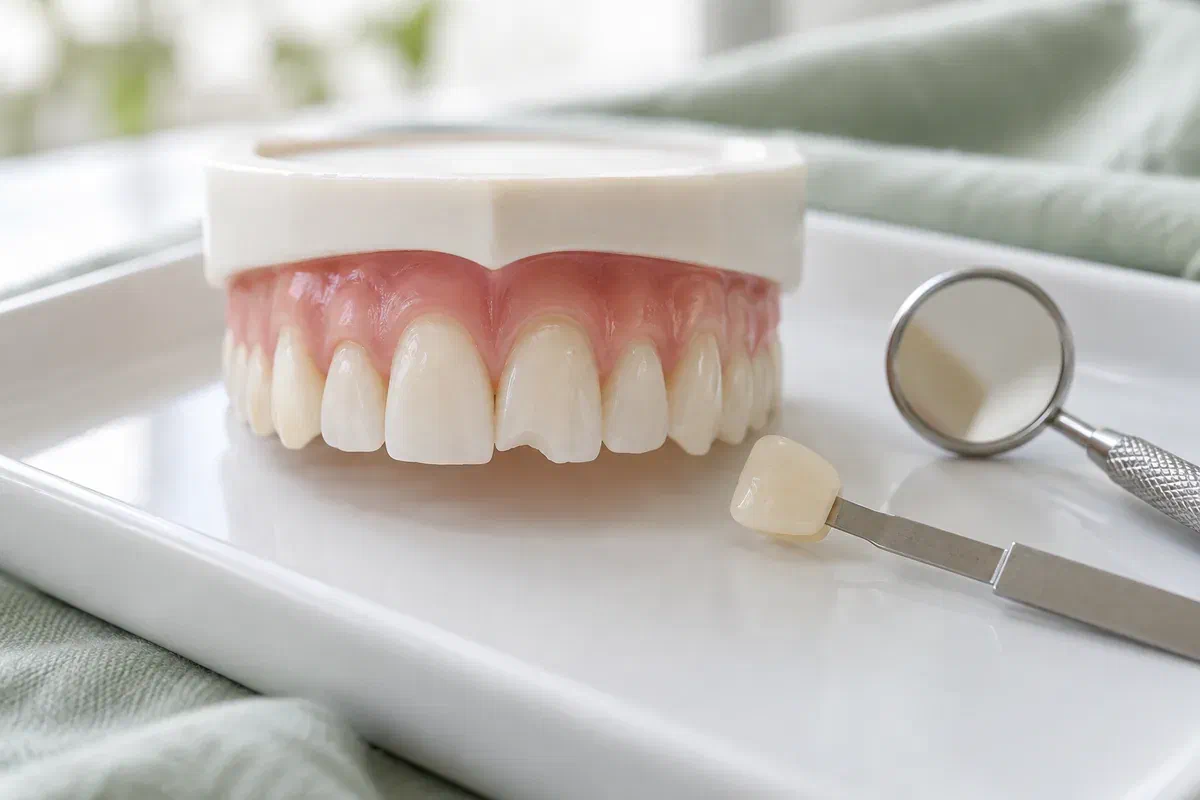
A natural-looking repair still has to suit the tooth underneath. Share these details even if the chip feels completely comfortable.
Explain the injury and whether the tooth moved, bled or became sensitive. Neighbouring teeth and gums may need a look too. An injured tooth can sometimes change colour later, which affects both timing and shade choices.
Show where it rubs and whether biting feels changed. Hold off on testing it with hard foods. Let us know whether the rough feel or the uneven look bothers you more, since that shapes how the repair is planned.
Mention earlier repairs, clenching, grinding and habits such as biting nails or opening packages with your teeth. An older repair may also have darkened compared with the rest of the tooth. Bring any guard or retainer you wear.
Kept the broken piece? Cover it with milk or saliva in a small lidded container and bring it to your visit. The dentist can tell you whether reattachment is worth trying. Please avoid glue.
For a suitable chip, resin shades are compared against your enamel in natural light and sometimes layered for translucency at the edge. The goal is a corner that restores the outline, feels smooth and blends with the surrounding surfaces when you smile and talk.
Composite does have limits. It can pick up stains from coffee, tea, red wine or smoking, may wear, and can chip again. Unlike enamel, it doesn't respond to whitening. Ask what is realistic for your repair rather than relying on a general promise, and how your daily habits might change the way it ages.
Patient information: Canadian Dental Association — bonding and veneers · Cleveland Clinic — dental bonding and maintenance
Ask how much of the tooth will be treated and why. A small chip can often be rebuilt locally, keeping the rest of the tooth's natural surface. That depends on the remaining enamel, how it broke and any old restoration nearby.
Tell the clinician whether shade, length or symmetry matters most. Ask to see how the chosen shade compares before the resin is set. You can share preferences without being steered toward treating more teeth than you want.
Ask how staining, polishing and future whitening could affect the repair, and when a refresh might be suggested. That helps you compare bonding with other options. Confirm the estimate and whether further assessment comes first.
The steps adapt to your tooth and the repair you agree on. If nerves are a factor, tell us early so we can talk through what will help you feel at ease.
We talk about how the chip happened and any pain, tenderness or sensitivity. The clinician examines the tooth and may suggest an X-ray. Ask whether there is a deeper issue that a cosmetic repair wouldn't address.
Shade is usually chosen before the tooth is dried out, since teeth look lighter when they dry. If you're planning whitening, discuss it now. Whitening first and then matching the resin to the lighter colour is a common sequence.
With the plan agreed, the surface is prepared and resin is applied, sometimes in more than one shade, and sculpted. A curing light hardens each layer. Whether freezing is needed depends on the repair, so ask what applies.
The edge is polished to a smooth, light-reflecting surface, and your bite is checked. Tell us if anything feels high. We review aftercare and whether the tooth should be rechecked, especially after an injury.
Follow the instructions for your specific repair. After any local anaesthetic, give the numbness time to fade before you eat, since a numb cheek is easy to bite.
A soft brush, fluoride toothpaste and your usual floss or interdental brushes keep the margins of the repair clean. Regular professional cleanings can help keep the resin's surface smooth. Ask about cleaning technique if the repair's edge feels unfamiliar.
Rinsing with water after coffee, tea or red wine can help limit staining. Don't use the tooth to tear packaging or bite hard objects. If you grind or clench, ask whether an appliance should be assessed for you.
Let us know about a rough edge, a change in your bite, a piece breaking off or the tooth darkening. Avoid adjusting it yourself. Keep any review recommended after an injury, since a matched repair can't show what is happening inside.
Patient information: NHS — assessment and treatment of chipped or broken teeth
Ask about colour, comfort and upkeep together. The best repair looks natural and suits a living tooth that still needs care.
A quick call to our Bronte Street practice is the easiest way to set up an assessment. If you are coming from Georgetown, mention any whitening plans and whether you have pain, sensitivity or a loose tooth, so we can suggest the right next step.
Bonding is one repair option among several. Fresh injuries and urgent symptoms are best handled by phone, not by an online request.
