Where teeth are crowded, spaced or meeting poorly
Show the clinician what you notice, then ask how your bite works when you chew. Movement at the front can change contacts elsewhere. The plan should be specific about what will change and what won’t.


Rural life rarely runs to a tidy schedule. For Campbellville households considering clear aligners, here is how assessment, tray wear, grouped review visits and a backup plan for lost or cracked trays can work when you live out past the town centre.
Outdoor work, early chores and long days mean an appliance has to survive more than an office routine. Clear aligners are removable plastic trays, swapped in a set order, that guide teeth gradually toward planned positions. They only do that while they are in your mouth, so the practical details count.
None of that matters until the clinical picture is clear. The health of your gums and bone, any fillings or crowns and the way your upper and lower teeth meet all determine whether the movements you hope for are reasonable, and whether trays are a sensible way to achieve them.
Campbellville sits within Milton’s boundaries, northwest of the town centre, so our Bronte Street practice is a natural place to start. Bring your goals and your seasonal calendar. Ask who would plan and oversee treatment, which records are needed and whether an orthodontist ought to be consulted.
A tray doesn’t make the diagnosis. Your examination should pin down the tooth movements involved, along with anything that might make them inadvisable or harder to deliver.
Show the clinician what you notice, then ask how your bite works when you chew. Movement at the front can change contacts elsewhere. The plan should be specific about what will change and what won’t.
Mention old fillings, crowns, chipped or knocked teeth and any gum treatment. Active decay or gum disease is usually managed before orthodontics. Ask whether that work can be grouped into the same visits as records to reduce trips.
Planting, harvest, livestock or contract work can upset any routine. Think about when meals happen and how you would clean your teeth away from home. A realistic plan for your hardest weeks is worth more than an ideal one.
Aligners aren’t suitable for every orthodontic problem. If they are suggested, ask why they fit your case and whether another appliance or a specialist opinion would be more appropriate.
In a case that suits them, trays keep working on the days you’re nowhere near a dental chair, provided they’re worn and swapped on schedule. You take them out to eat, brush and floss. That independence helps when trips into town take planning, though it leans heavily on steady habits.
Put the conveniences beside the duties: cleaning trays, following the stage order, attending reviews and phoning about problems quickly. Find out what your quote covers, whether refinement trays cost extra and what retainers will mean once the active phase is over.
Patient information: American Association of Orthodontists — clear aligners · British Orthodontic Society — clear aligner treatment
Have the clinician spell out the aims simply, and jot them down. If a digital preview is used, discuss what it illustrates and what it can’t promise. Know how the clinician will judge progress at each review.
Mention community events, family occasions or work where appearance is important. Ask whether attachments or other parts would be bonded to teeth. Clear trays are discreet, though not every element is invisible.
Follow-up visits confirm fit and movement rather than assuming all is on schedule. Ask how often you need to come in, whom to call between appointments and how to rebook if weather or work gets in the way. Changes should be explained first.
Specifics depend on the movement and on how healthy your teeth and gums are. Request an outline of each stage and your part in it ahead of time, including the arrangements after the final active tray.
Explain your goals, medical history, previous orthodontics and dental work. Following an examination, the clinician recommends records. Ask whether gum treatment, a restoration or a specialist opinion is needed first, and whether some of this can share an appointment.
Cover aims, alternatives, risks, likely duration and fees. Some plans include attachments or remove a measured sliver of enamel from between teeth. Find out the reason for each step, and which of them would leave a tooth permanently changed.
The team checks how the trays sit, then shows you how to put them in, take them out and clean them and how long to wear each stage. Confirm how many stages you are taking home, when each switch is due and which number to phone with questions.
Attend scheduled reviews so the response can be assessed. Extra stages or adjustments may be needed. Before the last active tray, discuss retainers, their wear routine and how retention checks might be timed with your regular dental visits.
Your written instructions are the guide. Write the tray you’re on, the date of your next review and the clinic’s phone number somewhere you’ll find them in a hurry, such as your phone and the kitchen wall.
Wear each tray as prescribed and avoid jumping ahead after a lapse. If a tray won’t seat or an attachment comes off, phone before making the trip. Ask which tray to wear until you get advice.
Trays come out to eat, and for drinks your instructions name, with a brush before they go back. A travel toothbrush in the truck or bag helps. Clean trays as recommended for their material, and keep your routine check-ups and cleanings.
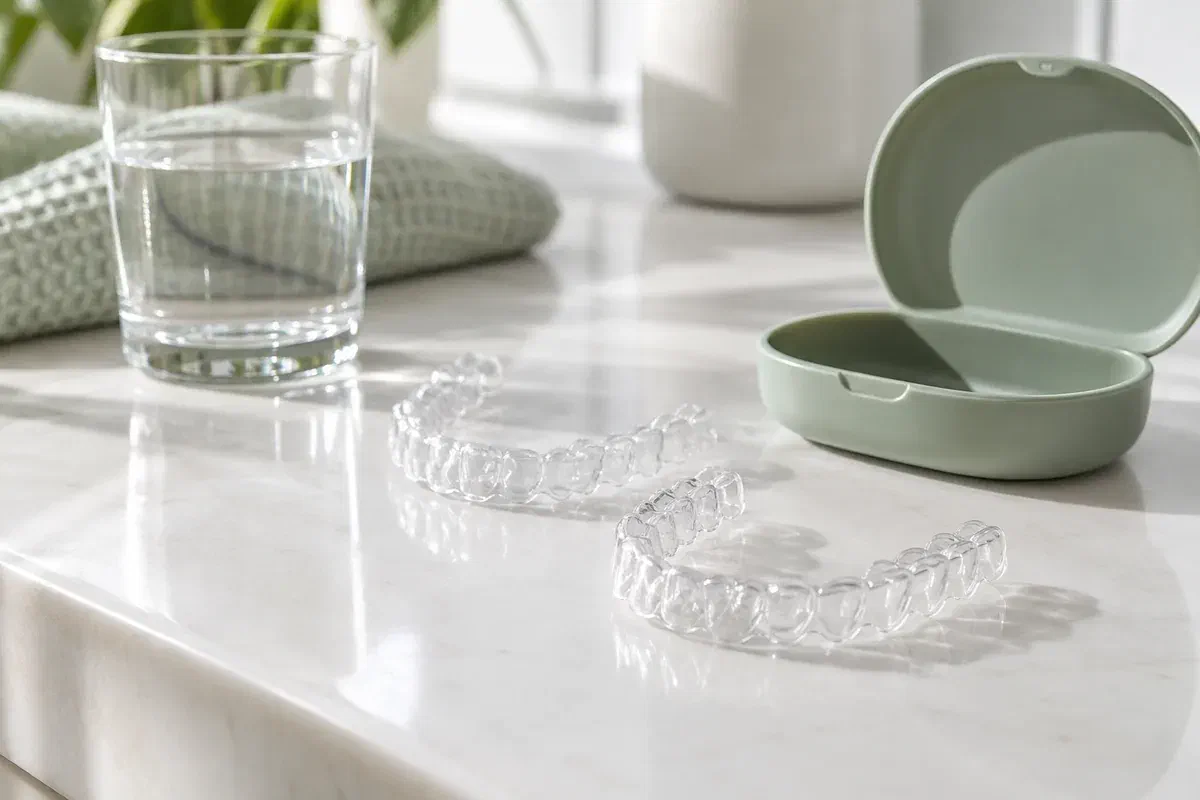
Store trays in the case, away from dogs, heat and dashboards. Ask whether your previous set should be kept in a drawer just in case. When a tray goes missing or cracks, phone with its number first; guessing at another stage or patching it yourself can set treatment back.
Ask about your own plan instead of assuming every tray treatment works alike. Practical questions about rural life are part of a good decision.
Arrange a first appointment at our Bronte Street practice. We’ll look at the crowding, spacing or bite concern you’ve noticed, explain what tray wear involves on working days and plan reviews so they fit around rural life.
Suitability and any referral are determined at assessment. Treatment time, appliance choice and results vary by individual.
