A lost or broken tray
Phone soon and say when you last wore it. Ask what to do in the meantime, and whether a spare can be used. Bring any pieces with you, but don’t glue the crack or heat the tray to reshape it.


Coming from Etobicoke, a retainer problem is easier to handle with a plan. We can review your clear retainer’s fit, wear schedule and cleaning routine, arrange a replacement when one is needed, and help you decide what can wait for a booked visit and what needs care closer to home.
When the trip to an appointment takes some planning, it helps to know exactly what a retainer visit involves before you set out. A clear retainer is a removable tray made to fit snugly over your teeth so they stay where orthodontic treatment moved them. It looks a lot like an aligner but serves to hold, not to shift.
That holding job lasts. Teeth can slowly move for years after treatment, which makes retention a long-term arrangement. The appliance type and number of hours depend on what was done and on your circumstances.
From Etobicoke, the most useful thing you can do is arrive prepared. Bring the current tray, any spare, and written instructions from your orthodontic clinician. We can then assess your tooth positions and plan any next steps with as few extra trips as possible.
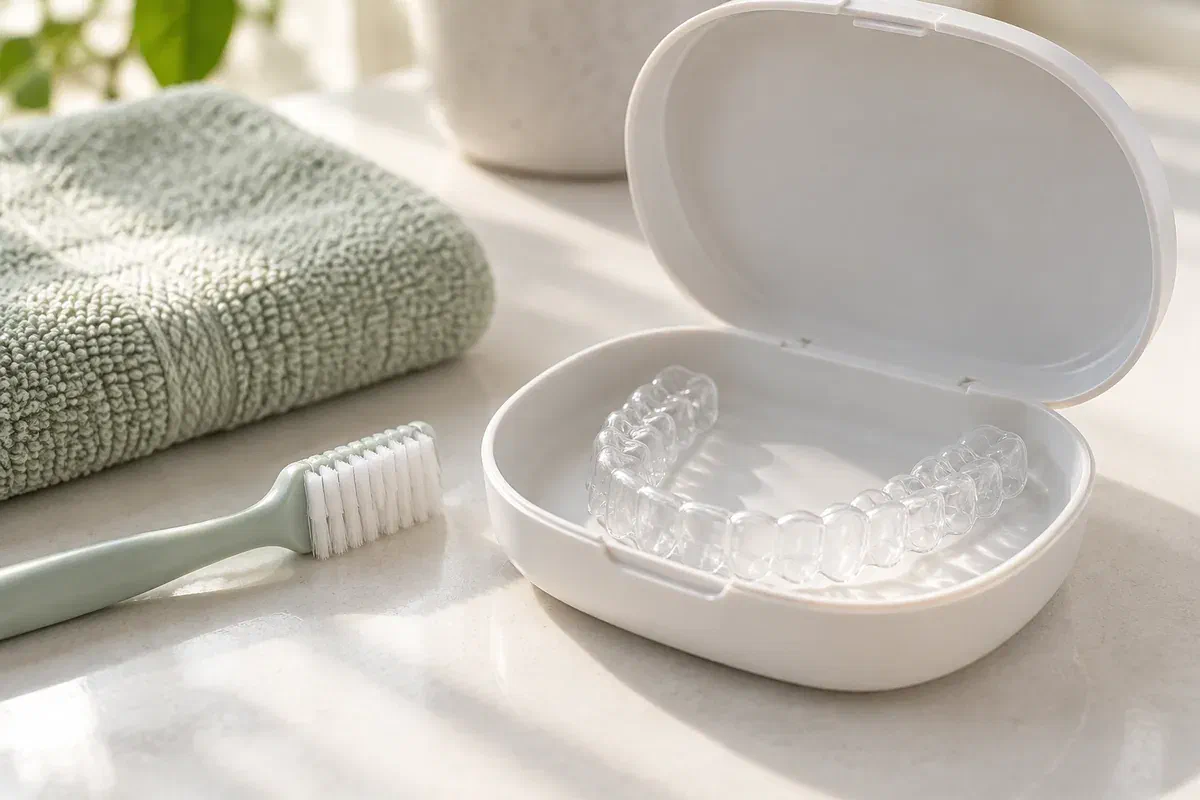
Call first and describe the issue, so we can help you judge how soon you need to be seen and whether a duplicate tray is really the answer.
Phone soon and say when you last wore it. Ask what to do in the meantime, and whether a spare can be used. Bring any pieces with you, but don’t glue the crack or heat the tray to reshape it.
Let us know whether missed wear, a drop or recent dental work came first. The appliance, the teeth, or both may have changed. Forcing a tray on can make things worse, so avoid pressing or biting it into place.
If the instructions are vague or your routine has changed, ask for an update rather than following someone else’s. Confirm who is overseeing your retention and when your next check should be, so it can be booked alongside other visits.
Got a crown, bonding or filling coming up? Bring your retainer along. Changes to tooth shape can affect fit, and planning both at once can save a separate trip later.
A routine built around your life can help keep the result orthodontic care achieved. The tray needs to fit properly and be worn as prescribed. No appliance can promise teeth will stay exactly as they are, so regular reviews remain worthwhile even when everything feels fine.
A clear removable design is unobtrusive, but it depends on you remembering it and storing it carefully, including on busy days away from home. Discuss options with a clinician who understands your treatment history, your hygiene and how practical each choice is with travel in mind.
Patient information: British Orthodontic Society — retainers and long-term retention · American Association of Orthodontists — retention after orthodontics
Know why your hours are set and whether they might change. A routine with a reason is easier to follow. Keep a photo of the instructions on your phone for times you are away and the paper copy is not.
At your fitting, learn how the tray should seat and how to remove it safely. Ask which signs justify a call. Catching a crack or fit change early may let it be dealt with at a planned visit rather than an extra one.
Find out who to contact if the retainer is lost and how replacements are decided. Ask what a replacement might cost and if fresh scans come into it. Some people find a backup tray reduces stress; ask whether it suits your plan.
A first retainer, a simple replacement and a tray that no longer fits each need different steps. Ask which applies when you call, so you know how many visits to expect.
When booking, tell us when treatment ended, what your retainer routine was and what has gone wrong. Bring the appliance and any records. At the visit, your teeth are examined and we discuss whether to involve your orthodontic provider.
We compare a clear removable tray with other designs in light of your plan. If teeth have moved, you can decide between holding the present position or seeking advice about further treatment, which may change how many visits follow.
If a new retainer is indicated, we take the scans or impressions it requires, and the tray is produced for the positions you want held. Ask whether the fitting can line up with another visit you already have planned, and what to wear until then. A replacement takes time to make and won’t correct movement that has happened.
The clinician checks the seating and comfort and shows you how to insert and remove the tray. Wear time, cleaning and review dates are covered. Practise before leaving, and book your next check while you are here.
Use the cleaning approach recommended for your appliance material. When advice from different places conflicts, ask us rather than experimenting with a new product.
Rinse the tray after taking it out and clean it as advised. Hot water and abrasive toothpaste can damage clear plastic. Bleach and strong household products are not suitable replacements for a retainer cleaner.
Keep the retainer away from heat, pets and accidental damage. A napkin-wrapped tray is easily thrown out at a restaurant or office. Keep the case in your bag or a desk drawer, never on a hot dashboard, and clean it regularly as well.
Brush before the retainer goes in and keep regular dental visits. Bring it to scheduled reviews. If a sore area, fit change or damage appears, call to describe it so we can advise whether it needs a visit soon.
Patient information: American Association of Orthodontists — cleaning a retainer · American Association of Orthodontists — a tight or poorly fitting retainer
Bring your actual retainer so we can discuss its material, fit and purpose. Individual instructions count for more than general timelines.
Get in touch with our Bronte Street practice to discuss a fit concern, a replacement or a routine check. Bring your current tray, any spares and previous instructions, and the visit can pick up where your orthodontic treatment left off.
A replacement is only decided once we have looked at the tray and how your teeth sit now. Call soon if a retainer is missing, damaged or no longer fits, and seek nearby care for severe pain or swelling.
