The retainer is gone or broken
Call soon and tell us roughly when you last had it in. Ask how to manage until a new one can be considered. Save any broken pieces, and resist the urge to repair a split with glue or soften the plastic with hot water.


A retainer that suddenly feels tight after a few missed nights is a common reason people call. Talk with us in Milton about how your clear retainer should fit, how often to wear it, how to clean it, and what to do if it goes missing or cracks.
Most people think about their retainer only when something goes wrong: it pinches after a week of forgotten nights, or it vanishes from the bedside table. A clear retainer is a removable tray shaped to your teeth. It can resemble an aligner, but its job is to keep teeth where treatment placed them, not to push them somewhere new.
Tooth positions are not fixed once treatment ends. They can drift gradually for years, so retention is an ongoing part of care rather than a short final chapter. The right retainer and the number of hours you wear it depend on your own history.
When you visit us in Milton, bring the retainer and any written instructions from the orthodontic clinician who treated you. A fit check, a replacement or a review after new fillings all begin by looking at where your teeth are today and what your plan was meant to do.
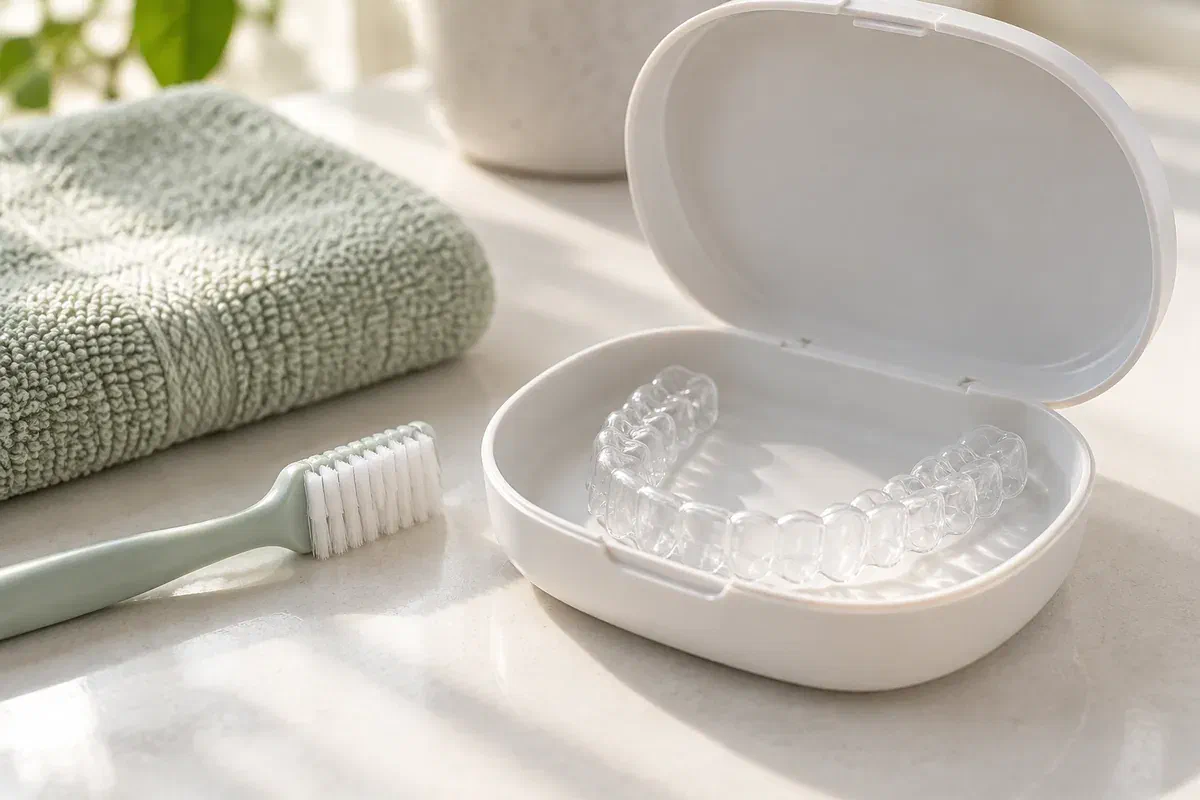
Each of these problems can have more than one cause. Describe what you noticed and when it started, rather than assuming a copy of the old tray will fix it.
Call soon and tell us roughly when you last had it in. Ask how to manage until a new one can be considered. Save any broken pieces, and resist the urge to repair a split with glue or soften the plastic with hot water.
Tell us whether this began after skipped wear, a drop on the floor or recent dental work. Poor seating can come from a warped appliance, from shifted teeth, or both. Never press it on with your fingers or clamp down hard to force it.
Instructions get forgotten, and life changes. If your schedule no longer feels clear, have it reviewed rather than copying what a sibling or co-worker does. Find out who is following your retention and when the tray and your bite should next be checked.
Carry your retainer to dental visits, particularly before bonding, a crown or a new filling. Reshaping a tooth surface can change how the tray sits, so that work may need planning alongside your retention.
Orthodontic treatment takes months or years, and a sensible retainer routine helps the outcome last. That depends on a tray that fits and on wearing it as prescribed. Even then, no appliance can promise teeth will stay perfectly still, so periodic checks still matter.
Many people like a clear design because it is hard to notice in conversation. The trade-off is that it only works when it is in your mouth, and safely stored when it is not. Talk through the choices with someone who knows how your teeth were moved and what routine you can realistically keep.
Patient information: British Orthodontic Society — retainers and long-term retention · American Association of Orthodontists — retention after orthodontics
Find out why your hours were set the way they were and whether they are likely to taper. A number makes more sense when you know its purpose. Keep the written plan within reach for weeks when holidays or shift changes upend your days.
At your fitting, notice how the tray settles and practise removing it without bending it. Ask which sensations deserve a call. You should learn to tell ordinary snugness from a tray that hurts, has cracked or no longer goes on the way you were shown.
Know who to phone if the retainer is lost and how decisions about a new one are made. Ask about likely costs and whether fresh scans might be required. Sorting this out early takes the guesswork out of a stressful morning.
A first retainer, a simple replacement and a tray that stopped fitting are different jobs. Ask which one describes you before expecting old impressions or files to be reused.
We discuss when orthodontic treatment ended, how you were told to wear the retainer and any gaps in that routine. Bring the appliance and any records you have. The teeth are examined, and we consider whether your orthodontic provider should be involved.
Your clear removable tray is weighed against other designs in light of your existing plan. If teeth have shifted, you choose between holding them as they are now or asking about further correction. Those are separate decisions.
If a new retainer is the right step, suitable records are taken so it can be made for the intended positions. Ask how long it will take and what to wear until then. A replacement is rarely same-day, and it will not reverse movement that has already happened.
Fit and comfort are checked, and you are shown how to insert and remove the tray. Wear hours, cleaning and follow-up are reviewed. Practise before you leave, and note how to reach us if it loosens, pinches or disappears.
Your appliance material comes with its own care advice. If two sources disagree about cleaning products or wear hours, check with your clinician before changing anything.
Rinse the tray when it comes out and clean it regularly using the approach you were given. Hot water and gritty toothpaste can scratch or warp clear plastic. Bleach and strong household cleaners are no stand-in for a product made for retainers.
Heat, curious pets and busy counters are common culprits in retainer damage. A tray tucked into a paper napkin at lunch is easily thrown out. Keep the case in your bag for meals out and trips, and wash the case itself too.
Brush before the retainer goes back in and keep up regular dental visits. Bring the tray to any review your treating team requests. If a sore spot lingers, the fit changes or you see damage, report it instead of carrying on with a tray that is not doing its job.
Patient information: American Association of Orthodontists — cleaning a retainer · American Association of Orthodontists — a tight or poorly fitting retainer
Ask about the specific tray you own, including its material, fit and role. Your own instructions count for more than any general rule of thumb.
Reach our Bronte Street practice about a fit problem, a replacement or a routine check. Pack your current retainer and the wear instructions you were given, so we can build on the orthodontic work you have already finished.
Whether a new retainer suits you depends on examining the appliance and your current tooth positions. Contact us soon if a retainer is lost, broken, painful or no longer fitting.
