Missing, split or bent out of shape
Let the treating team know soon and say when you last wore it. Ask what to do until a replacement is decided on. Hold on to any broken parts, but don’t try a glue repair or heat to straighten the plastic.


Clear tray, bonded wire, or both? If you are coming from Oakville, we can help you understand how a clear retainer fits into your retention plan, how long to wear it, how to keep it clean, and what happens when it breaks, goes missing or stops feeling right.
The question usually comes up right at the end of treatment: do I want something I can take out, or something fixed? A clear retainer is the removable answer, a thin tray formed to the shape of your teeth that helps keep them in their finished places. It is similar in look to an aligner, but it holds rather than moves.
Choosing well matters because the job carries on long after the last orthodontic visit. Teeth can creep out of position for years, so retention is a lasting commitment. The type you use, and how many hours you wear it, should follow your own treatment and habits.
From North Oakville or further south, the starting point is the same. Bring any appliance you already have and the instructions from your treating orthodontic clinician. We look at your current tooth positions and the plan you were given before suggesting any change.
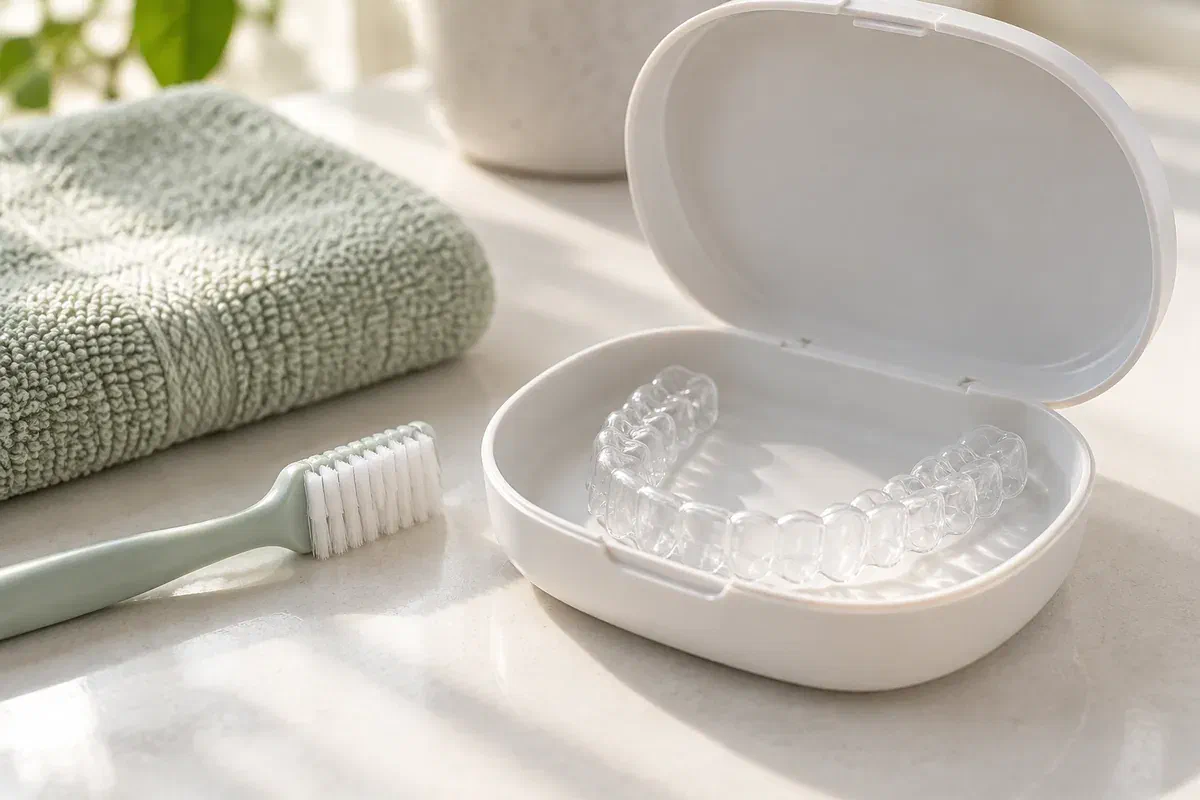
Sometimes the trouble is the tray, sometimes the teeth, and sometimes the routine. Describe what changed before deciding a duplicate appliance is the fix.
Let the treating team know soon and say when you last wore it. Ask what to do until a replacement is decided on. Hold on to any broken parts, but don’t try a glue repair or heat to straighten the plastic.
Note whether the change came after missed nights, a drop or a dental procedure. The appliance may be damaged, the teeth may have moved, or both may be true. Never push it into place or bite it down.
If you have forgotten what you were told, or your days now look very different, request an updated plan. Someone else’s schedule may not suit you. Confirm who is responsible for monitoring your retention and when a review is due.
Have your retainer with you when a crown, bonding or filling is being planned. A change in tooth shape can affect how the tray fits, and the timing may need to be worked out with your retention in mind.
The best retainer is one that fits and that you will wear as directed. A well-chosen routine can help preserve the positions your orthodontic care achieved. It cannot promise teeth will never shift, which is why reviews and open communication stay useful.
Clear removable trays appeal to people who want something discreet and easy to clean around. They do depend on your memory and on careful storage. A clinician who knows your treatment history can help you balance appearance, hygiene and what fits your daily life.
Patient information: British Orthodontic Society — retainers and long-term retention · American Association of Orthodontists — retention after orthodontics
Ask what your hours are meant to achieve and whether they may change later. Knowing the reason makes it easier to follow than an unexplained figure. Keep the written version handy for the weeks when routines fall apart.
During your fitting, learn how the tray should seat and how to remove it without straining it. Ask which signs mean you should call. You will learn to separate a normal snug feeling from a tray that is painful, cracked or not seating as shown.
Find out who to contact if it is lost, and how a replacement is decided. Check what a remake might cost and whether a fresh scan is part of it. With that settled, an unexpected break or a lost case becomes much easier to handle.
Your path depends on whether this is a first retainer, a like-for-like replacement or a tray that has stopped fitting. We will explain which applies before assuming earlier records still work.
We talk about when orthodontic care ended, how you were told to wear your retainer and whether there have been breaks. Please bring the appliance and records if you have them. Your teeth are examined, and we consider coordinating with your orthodontic provider.
A clear removable tray is compared with other designs, keeping your existing plan in view. If teeth have moved, you will need to decide between keeping them where they are now or seeking advice on further treatment.
Once a new appliance makes sense, suitable records are taken so it is made for the positions you intend to hold. Ask about timing and what to wear in the interim. A replacement may take some time and won’t correct unwanted movement.
Seating and comfort are checked, and you are shown how to put the tray in and take it out. We go over wear hours, cleaning and follow-up. Try it yourself before leaving and note who to contact about a loss or fit problem.
Each appliance material has its own care guidance. Before switching cleaning products or changing your hours, check with your clinician, particularly when the advice you have found does not agree.
Rinse and clean the retainer often, using the approach recommended for it. Avoid hot water and abrasive toothpaste, both of which can damage clear plastic. Bleach and strong household chemicals are not a safe alternative to a proper retainer cleaner.
Protect the tray from heat, pets and being knocked off a counter. Wrapped in a napkin, it is easy to throw away by mistake. Bring the case to restaurants, work and on trips, and keep the case itself clean.
Clean your teeth before putting the retainer in and keep up regular dental care. Bring it along to reviews your treating team arranges. If a sore area persists, the fit changes or you notice damage, call us rather than carrying on.
Patient information: American Association of Orthodontists — cleaning a retainer · American Association of Orthodontists — a tight or poorly fitting retainer
Bring the retainer you have now so we can discuss its material, fit and purpose. Your treatment history matters more than general advice.
Get in touch with our Bronte Street practice to discuss retainer options, a replacement or a fit check. Bring your current appliance and any wear instructions, so we can build on the treatment you have already completed.
Recommending a replacement depends on assessing the appliance and your current tooth positions. Contact the treating team quickly if a retainer is lost, damaged, painful or no longer fits.
