The old tray is gone or broken
Let us know soon, along with the last time you wore it. Ask what to do in the interim. Keep any fragments to show us, and leave them unglued and unheated, since home repairs change the shape.


Noticed a front tooth turning or a small gap reopening since your braces? From Puslinch, you can talk with us about what a clear retainer can and cannot do once teeth have moved, how the fit and wear schedule are set, how to care for the tray, and when an orthodontic opinion is the better next step.
It often starts in a photo. One lower front tooth sits a little forward, or a space you closed years ago has crept back. The natural hope is that a new clear retainer will nudge everything home. Usually it will not. This kind of retainer is a lift-out tray shaped around your teeth as they are on the day it is made, so its strength is holding a position, not creating a new one. It resembles an aligner only on the surface.
Teeth can move gradually throughout adult life, which is why retention is normally long-term. Once some movement has happened, the real question becomes what you want to keep.
Coming from Puslinch, bring your old retainer, any photos taken at the end of treatment and your orthodontic instructions. Comparing them with your teeth today helps us explain your choices clearly in one visit.
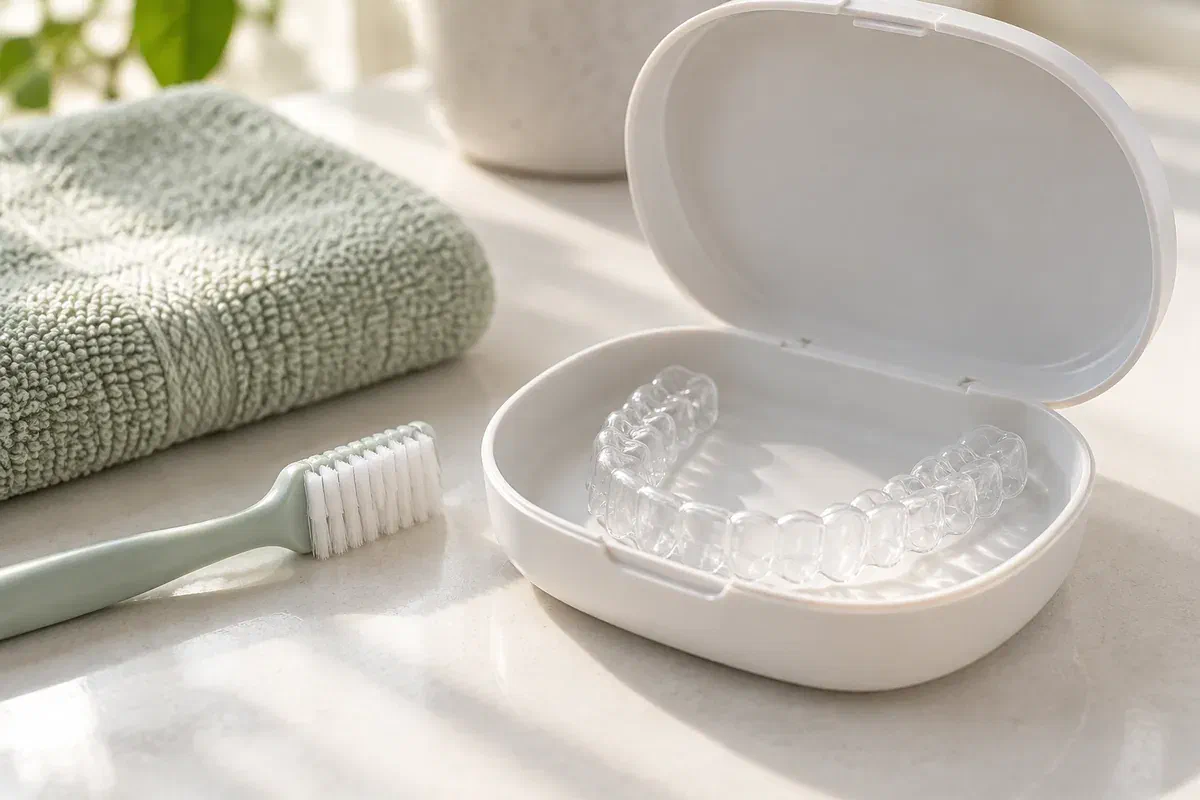
Movement, damage and lapses in wear often go hand in hand. Tell us what you have noticed and when, so the cause can be worked out before anyone assumes a copy of the old tray is the fix.
Let us know soon, along with the last time you wore it. Ask what to do in the interim. Keep any fragments to show us, and leave them unglued and unheated, since home repairs change the shape.
That is often the first sign teeth have moved, though a warped appliance can do the same. Mention missed wear and any recent fillings or crowns. Please don’t press or bite it down in the hope of pushing teeth back.
If the instructions are long gone, ask for a plan built around your teeth now, not a friend’s routine. Establish who is keeping watch over your teeth from here, and when they should be looked at again.
A crown, bonding or new filling can change the outline a retainer must fit. If restorative work is coming up, bring your tray so the timing of a new retainer can be planned around it.
A properly fitted retainer worn as directed can help stop further drift from today’s positions. That may be exactly what you want if the change is small and does not bother you. It cannot guarantee teeth will never move again, so occasional checks still make sense.
Where the change does bother you, a new retainer alone is unlikely to satisfy you, because it is made to hold what is already there. A clinician who understands your history can explain when retention is enough and when an orthodontic opinion is worth seeking first.
Patient information: British Orthodontic Society — retainers and long-term retention · American Association of Orthodontists — retention after orthodontics
Find out why a particular schedule is recommended and whether it is expected to ease later. The hours for holding a position are different from the hours for active treatment. Keep your instructions where they are easy to find.
When a retainer is fitted, notice the sensation of a fully seated tray and practise removing it without twisting. Ask which changes need a call. You will soon recognise ordinary snugness versus pain, damage or a tray that rides up.
Know who to contact and how decisions about another replacement are made. Ask about likely fees and whether fresh scans would be needed. With that agreed, a future loss is far easier to manage.
Restarting retention after movement differs from replacing a recent tray or fitting a first retainer. Older records may show where teeth were, but they may not suit what you decide to keep.
We talk about when treatment ended, how the retainer was worn and when you first noticed movement. Bring old trays, photos and records. Your teeth are examined, and we discuss whether your orthodontic provider should be part of the decision.
Here the choice is yours: hold teeth as they sit now, or ask about further correction before any new retainer is made. Both are reasonable; they simply lead to different plans and timelines.
If you choose to retain the current position, records are taken and a tray is made to match it. Ask how long that will be and what to wear meanwhile. If correction comes first, retention is planned for afterwards.
We confirm the tray sits evenly over today’s positions and feels comfortable, and you practise handling it yourself. Wear hours, cleaning and review dates are explained. Practise before leaving, and note who to call about fit problems.
Use the care method that suits your retainer material. If advice you have seen elsewhere conflicts with what you were told, check with your clinician before changing anything.
Rinse the tray when it comes out and clean it on a regular routine using the method you were given. Hot water and abrasive toothpaste can warp or scratch clear plastic. Bleach and household chemicals are not suitable replacements for a retainer cleaner.
Heat, pets and accidental knocks are common causes of damage. A tray wrapped in a napkin or tissue is easily thrown out. Keep the case with you for meals away from home and trips, and clean it regularly.
Brush before putting the retainer in and keep up your regular dental visits. Bring it to reviews so any new movement is caught early. If you notice soreness, a change in fit or damage, call rather than waiting.
Patient information: American Association of Orthodontists — cleaning a retainer · American Association of Orthodontists — a tight or poorly fitting retainer
Bring any old retainers, end-of-treatment photos and instructions. Your own records tell us more than general guidance about how teeth tend to move.
Call our Bronte Street practice to talk about shifted teeth, a replacement retainer or a fit concern. Bring your trays, photos and instructions so we can work from the orthodontic treatment you have already completed.
Whether a replacement suits you depends on what you want to keep and on assessing your current tooth positions. Get in touch soon if a retainer is lost, cracked, sore or no longer fits.
