

Illustrative patient discussing tooth shade and shape with a dental clinician
Cosmetic Dentistry

Composite Veneers

Explore composite veneers in Milton with a clear discussion of the changes you want and the teeth you already have. Consider shade, shape, preparation, and future maintenance before choosing a resin veneer for a suitable front tooth.

A closer look at composite veneers

Consider a new surface without losing sight of the tooth.

A composite veneer uses tooth-coloured resin across the visible front surface of a tooth to change its appearance. It may be considered for selected concerns about colour, outline, or surface shape. The material is bonded and sculpted, with the design guided by the tooth and the surrounding smile.

This is a broader surface change than a small repair to one corner. Before deciding, ask whether the concern needs a veneer at all and what preparation would be involved. A suitable cosmetic plan should account for healthy tooth structure, gum condition, and the way your teeth meet.

At Milton Dental Clinic, bring your preferences in everyday terms: a less noticeable stain, a different outline, or a surface that feels more consistent with neighbouring teeth. We can discuss what is realistic, what another option might achieve, and what ongoing care would mean for you.

Talk through composite veneer options
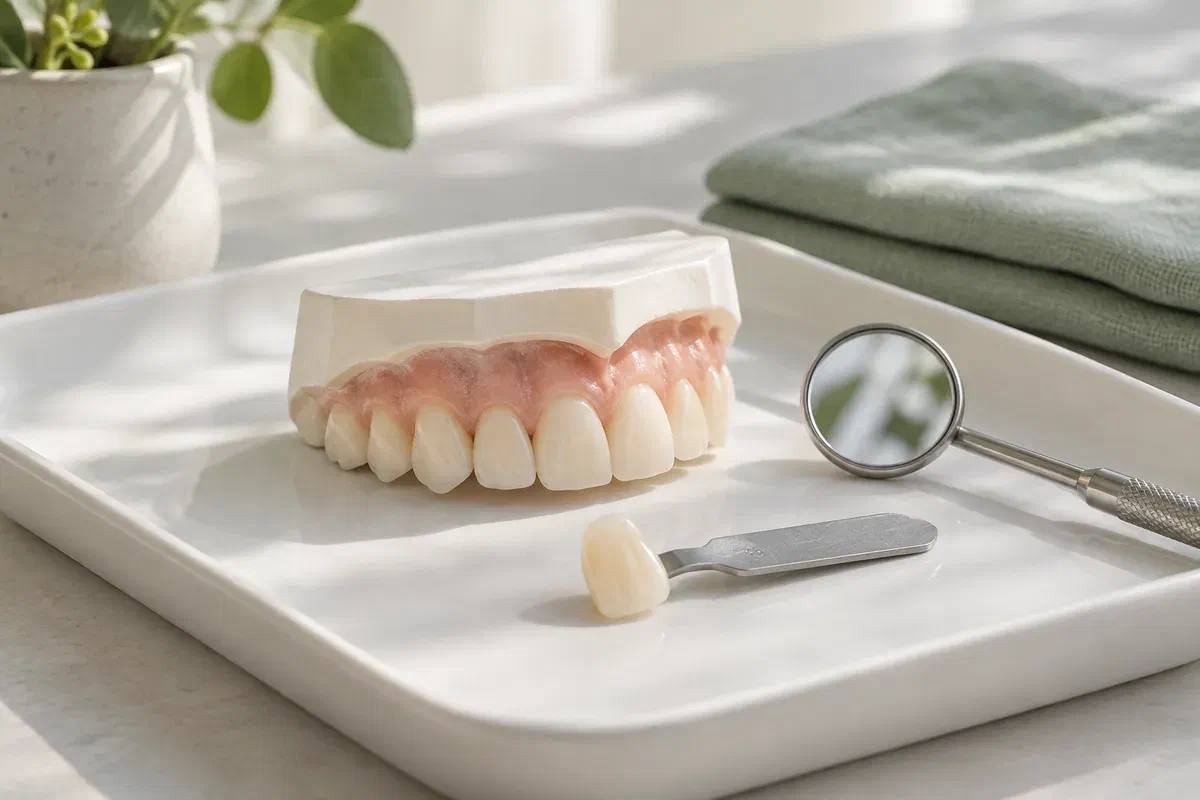
Illustrative front-teeth teaching model beside a shade sample and dental mirror
Deciding what you want to change

Start with a specific concern, not a fixed number of veneers.

Describe the feature you notice and how much it matters to you. An assessment can separate an appearance preference from a tooth or gum problem that needs a different kind of care.

Colour that does not blend with nearby teeth

Explain whether the colour has always been present or has changed. A darker tooth deserves an assessment before it is covered. Ask whether cleaning, whitening, a restoration, or another investigation is relevant to the reason for the discolouration.

A front surface or outline you would like adjusted

Point out the shape you are concerned about rather than assuming every tooth needs treatment. Discuss length, width, and the way the tooth looks beside its neighbours. Photographs can help explain your preference, but they do not establish what is appropriate for your mouth.

Wear, clenching, or previous repairs

Tell the clinician about grinding, repeated chipping, and restorations already on the tooth. These details affect planning and maintenance. Ask whether the forces on the tooth or the condition of an older repair need attention before a veneer is considered.

Cosmetic treatment should follow assessment of decay, gum health, and relevant symptoms. A veneer covers a surface; it does not resolve an untreated problem underneath it.

What a composite veneer may offer

Shape the visible surface around an agreed, realistic goal.

Resin can be selected and sculpted to alter the appearance of an appropriate tooth. The conversation should include the desired shade, surface character, and proportions. A natural-looking result does not require every tooth to have an identical shape or unusually bright colour.

Composite has maintenance needs. It can lose polish, stain, wear, or chip, and the next step may involve polishing, repair, or replacement. Discuss those possibilities before treatment so the initial decision also reflects what you are comfortable looking after over time.

Patient information: American Dental Association — composite and porcelain veneers

A design discussion centred on your preference

Explain what you would like preserved as well as changed. You may like the general character of your smile and only want one feature softened. Ask how the proposed surface relates to your existing teeth rather than assuming a standard design suits everyone.

A comparison of preparation and future care

Ask how much tooth structure would be altered for each appropriate option. Do not assume every resin veneer is reversible or requires no preparation. Understanding the starting procedure and likely maintenance helps you make a more informed comparison.

A plan that can focus on the teeth that need it

Discuss whether one tooth, a small group, or a wider plan is being proposed and why. The number should follow the goals and findings. You should understand any matching difficulty without feeling that a concern about one tooth automatically requires treating the whole smile.

Planning and placing composite veneers

Agree on the surface change before the material is placed.

The appointment sequence depends on the teeth and the work involved. Ask what will happen at each stage, how comfort will be managed, and when you can review the proposed appearance.

  1. Assess the teeth and discuss expectations

    Review the concern, relevant dental history, existing restorations, and any symptoms. The clinician examines the teeth, gums, and bite and identifies further information needed. Discuss whether cosmetic treatment is suitable now or whether another issue should be addressed first.

  2. Choose the approach, shade, and scope

    Compare a veneer with reasonable alternatives and agree on the teeth to be treated. Ask how the chosen shade will relate to neighbouring teeth and any future whitening plans. Confirm preparation, costs, maintenance, and the limitations of the proposed change.

  3. Prepare the surface and sculpt the resin

    For an agreed direct composite veneer, the surface is prepared and resin is bonded in a carefully shaped layer or layers. A curing light hardens the material. The clinician develops the outline and surface, accounting for the tooth and the space available.

  4. Finish, check, and explain the next steps

    The surface is finished and polished, and the clinician checks the bite and surrounding contacts. Ask about anything that feels unusually high or rough. Review cleaning, any planned follow-up, and the changes that should prompt a call.

Caring for a composite surface

Keep the finish clean and the tooth under review.

The veneer and the underlying tooth both need attention. Follow the personalised instructions, and ask before using an abrasive product or attempting to change the surface yourself.

Maintain gentle, effective daily cleaning

Brush with fluoride toothpaste and clean between the teeth as recommended. Ask for a demonstration around any unfamiliar contour. Persistent bleeding, trapped food, or floss catching repeatedly deserves a review rather than a decision to stop cleaning that area.

Protect the surface from avoidable stress

Avoid biting hard objects or using the treated teeth as tools. Discuss sport and any grinding concerns so an appropriate protection plan can be considered. Do not assume an existing retainer or guard will fit after the tooth's surface has changed.

Arrange assessment when the finish changes

Mention roughness, chipping, staining that concerns you, or a change in how the teeth meet. The clinician can assess whether polishing, a repair, or another step is appropriate. Do not use a file, glue, or aggressive home polishing method on the veneer.

Patient information: Cleveland Clinic — dental veneers and their care

Comparing surface treatment choices

A veneer is one route to a change in appearance.

Ask what each option would change, how much preparation it needs, and what it cannot correct. The answer should reflect the condition of your teeth and the feature that matters to you.

When resin is suitable for the proposed change

A composite veneer or a smaller bonded repair

A veneer changes a broader front surface, while a smaller repair may address a local concern. Discuss which scope is justified. Resin can be a useful option, but its appearance and condition will need review and maintenance over time.

When another material or coverage is being considered

A porcelain veneer or another restoration

Compare preparation, appearance, repair possibilities, and replacement needs. A more extensive restoration should have a clear reason related to the tooth. Ask why it is recommended rather than assuming that greater coverage is automatically a better cosmetic result.

When colour, position, or personal preference leads elsewhere

Whitening, orthodontic advice, or no elective change

A different approach may address the concern without adding a veneer. Whitening changes suitable natural tooth colour; orthodontics addresses position. You can also choose to keep a healthy tooth as it is after understanding the available options.

Questions before choosing composite veneers

Understand the commitment behind the new surface.

A veneer decision includes more than colour. Ask about preparation, the number of teeth, ongoing care, and what would happen if your preferences or oral health change.

(905) 876-4488
How is a composite veneer different from bonding a small chip?
A veneer covers a broader visible front surface, while a chip repair usually adds material to a smaller defect. Both can use composite resin. Ask which extent of treatment is needed for your concern and whether a more limited approach is reasonable.
Does choosing composite mean my teeth will never need preparation?
No. The preparation depends on the tooth and the intended change. Ask exactly what would be altered and whether enamel would be removed. You should not assume that every composite veneer is fully reversible simply because resin is used.
Can I choose a composite veneer shade that still looks like my own teeth?
Yes. Explain how subtle or noticeable you want the change to be. Discuss the shade alongside neighbouring teeth and the planned surface shape. The aim can be harmony with your existing smile rather than the brightest available colour.
Should planned tooth whitening happen before composite veneers are matched?
Discuss the sequence before treatment. Whitening affects natural teeth differently from existing restorations, so later colour changes can alter the match. The clinician can advise on suitable whitening, timing, and shade selection according to the teeth involved.
If a composite veneer loses its shine, does it always need replacing?
Not always. The clinician needs to assess the surface, margins, and underlying tooth. Some changes may be managed with polishing or a local repair, while others need more work. Avoid trying to restore the shine with abrasive household products.
Can I have a consultation about one composite veneer without agreeing to a full set?
Yes. Start with the tooth and feature that concern you. Ask how a single restoration would match and whether there are practical limitations. A consultation should help you compare the choices before deciding how much elective treatment, if any, you want.
Composite veneers in Milton

Bring your preference. Leave with a clearer understanding.

Arrange an assessment at our Bronte Street practice to discuss composite veneers and suitable alternatives. We can review the teeth involved, your preferred appearance, and the preparation and maintenance that deserve consideration.

Veneer suitability depends on tooth structure, gum health, and the bite. The proposed appearance and future maintenance should be discussed before treatment.

Visit Milton Dental Clinic
Unit 1, 342 Bronte St. S, Milton, ON L9T 5B7
Get directions Clinic hours
Monday–Thursday
11am–7pm
Friday–Sunday
By appointment only

How can we help?

Milton Dental Clinic

Have a question about your smile? Choose the option that works best for you.

For urgent dental concerns, please call.
Messages are reviewed during clinic hours.