

Illustrative patient discussing the appearance of uneven teeth during a dental consultation
Cosmetic Dentistry

Cosmetic Correction of Uneven Teeth in Campbellville

Not every uneven tooth needs fixing, and sometimes the most useful thing an assessment gives you is a clear answer. For Campbellville adults unsure whether a difference is worth treating, we explain the cause, the options, and what simply keeping an eye on it would involve.

Treat it, or leave it?

Sometimes the best plan is an informed no.

Plenty of people live comfortably with a slightly uneven smile for years, then start wondering whether it is time to do something. Maybe a family member mentioned it, or you caught your reflection at an odd angle. Before deciding, it helps to know what you are looking at and whether it is changing.

An uneven appearance can come from the edge of a tooth, its position, gradual wear, or the gum and older dental work around it. Some of those are stable and harmless. Others may be part of something still developing, like grinding. Knowing which lets you weigh bonding, very limited contouring, orthodontic advice, or a plan to watch and review.

Living in a rural part of Milton such as Campbellville, you may prefer to settle the question in a single unhurried visit, perhaps alongside a routine checkup. Tell us how long the difference has been there and how much it bothers you on a scale from barely to a lot. Your answer shapes the advice as much as the examination does.

Ask whether an uneven tooth needs treatment
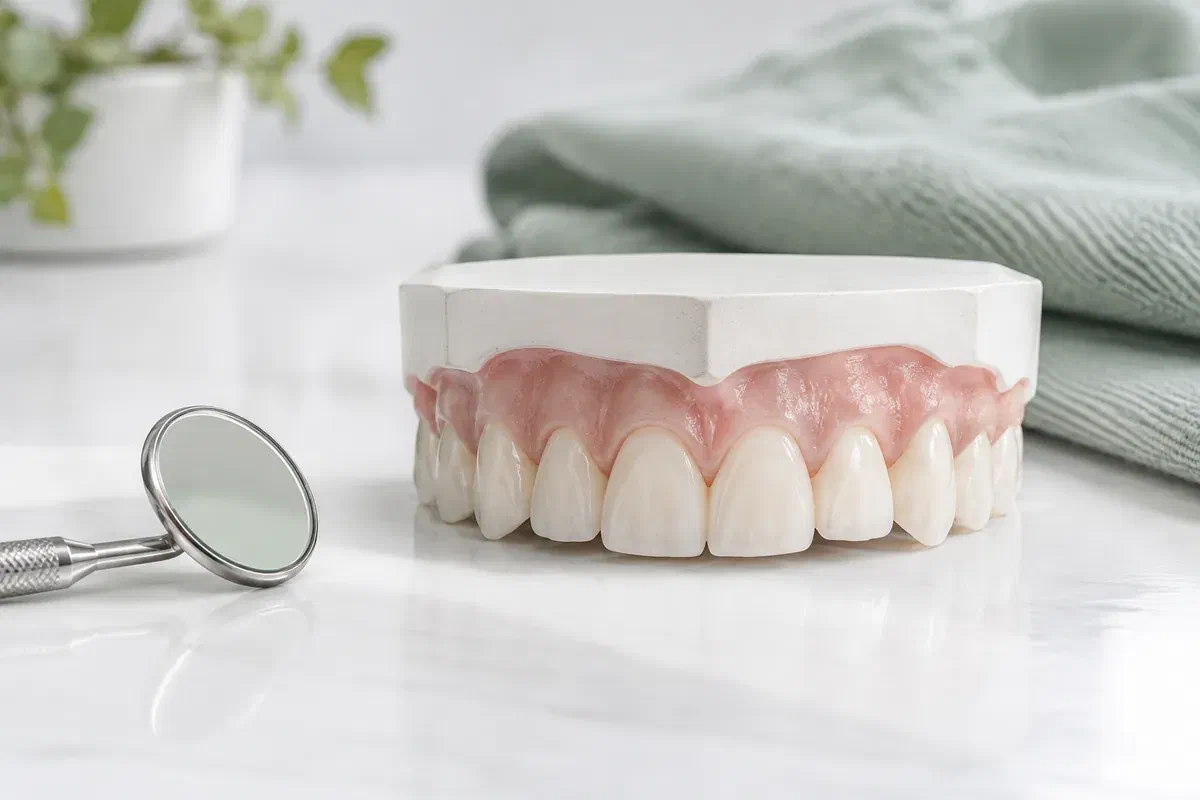
Illustrative teaching model showing modest differences in front-tooth edge lengths
Questions the assessment can answer

Stable, changing, or a sign of something else?

Show us the area and tell us whether you notice it only in photos or every day. Mention any chipping, sensitivity, or change in how your teeth close, even if it seems minor.

An edge that has always been a little different

A naturally shaped edge that has not changed in years is a different starting point from one losing length to wear. Mention any recent chipping or sensitivity. Ask whether the edge is stable and what a change would mean for your bite.

A tooth that sits a bit out of line

Slight crowding or rotation is common and often harmless. Covering it with bonding changes the look but not its position. Ask whether alignment affects cleaning or the bite, or whether it is purely a matter of appearance.

The gum or a past filling creating the impression

Gum height or an older restoration can make teeth look uneven when the teeth themselves are fine. The examination should identify this. Ask whether any change is needed, and if so, where.

If the unevenness is new, chips keep happening, or something hurts, that deserves attention rather than a wait-and-see approach. Please don’t file an edge at home; enamel taken away by a file is gone for good.

What a clear answer gives you

Confidence in whichever choice you make

Understanding the cause lets you decide on your own terms. If the difference is stable and healthy, you can leave it with peace of mind. If something is changing, you can address it before it progresses, and choose a cosmetic step for the right reasons.

Natural variation is part of most healthy smiles. Teeth do not need identical edges to function well or look good. If you do want a change, describe how much would be enough, and ask whether more would mean altering sound teeth unnecessarily.

Patient information: Cleveland Clinic — tooth contouring and enamel preservation · American Association of Orthodontists — tooth alignment and bite

A plain explanation of what you are seeing

Ask the clinician to show you the area in a mirror or photo and describe what is creating the uneven look. Knowing whether a change would add material, remove enamel, or move teeth helps you judge whether it is worth doing.

Permission to keep your smile as it is

You are allowed to decide that you like your teeth the way they are. Say if that is where you are leaning. The assessment can confirm whether that is a healthy choice and what, if anything, to monitor.

A sense of what each path asks of you

Treatment involves appointments, upkeep, and sometimes future repairs or retention. Monitoring involves reviews. Ask what each path looks like over several years so you can compare them fairly.

How the decision is made

Examine, explain, and then you decide.

Correcting uneven teeth is not one procedure. After the assessment, the next steps depend on the findings and on whether you choose to treat, refine, or monitor.

  1. Hear your history and examine the teeth

    Share when you first noticed the difference and whether it seems to be growing. The clinician looks at enamel, gums, restorations, and your bite. Photos can provide a baseline, which is especially useful if you decide to monitor.

  2. Explain the cause and whether it is changing

    You learn whether the uneven look comes from shape, position, wear, gum level, or several factors. If anything is uncertain, the clinician explains what would clarify it. Stable and active causes lead to different advice.

  3. Lay out treatment and monitoring side by side

    Options may include bonding, a small contour, an orthodontic opinion, restorative or gum care, or observation. Ask how much each would change the tooth. If you choose to wait, ask what would prompt a rethink.

  4. Follow through, whichever path you choose

    After any treatment, the fit, contacts, or bite are checked as appropriate. If you are monitoring, a review is scheduled with photos for comparison. In either case, confirm what to watch for and when to return.

After treatment, or while monitoring

Looking after teeth you’ve changed, or chosen not to

Aftercare depends on what was done. Bonding, contouring, and orthodontic movement each need their own routine, and monitoring needs one too.

Daily cleaning that reaches every edge

Use the brushing and interdental methods recommended for you. If a contact catches floss or an edge feels rough, mention it. Good cleaning matters just as much for uneven teeth you leave alone as for ones you change.

Watching for wear or new chips

If wear or grinding was noted, follow the prevention advice. Report a new chip or a change in how an edge looks, since that may change the advice. A cosmetic repair on its own does not manage every cause of wear.

Appliances and regular reviews

If a guard or retainer is part of the plan, confirm how to use it and bring it to future visits. Reviews, with comparison photos where useful, help show whether things are stable or changing.

Patient information: Cleveland Clinic — tooth erosion and changes in tooth surfaces

Three reasonable paths

Refine the edge, align the tooth, or simply keep watch

The right path depends on the cause and on how much the difference matters to you. Compare how much healthy tooth each option preserves, including the option of leaving it untreated.

If the edge is the source and you want a change

Bonding or a very small contour

A little tooth-coloured material can lengthen an edge that is short or nicked, and a very light contour can soften a minor bump if the enamel is thick enough. Ask which is appropriate and why. Any contouring is permanent.

If position or the bite is involved

An orthodontic opinion

When a tooth’s position is the main factor, moving it may make more sense than altering its surface. Ask about appliance options, time commitment, and retention, considering appearance and the bite together.

If the cause lies elsewhere or no change is needed

Restorative or gum care, or monitoring

An older restoration or gum change may warrant its own review. A stable, healthy difference can be left as it is with periodic checks. Ask what would be watched and which changes should bring you in sooner.

Patient information: American Association of Orthodontists — adult orthodontic options

Campbellville questions

Do I really need to do anything?

Tell us how much the difference bothers you and when you notice it. Your feelings about it matter, and the exam shows whether there is any health reason to act.

(905) 876-4488
How common are slightly uneven front teeth?
Very common. Small differences in edge length, angle, or gum height appear in many healthy smiles. Often other people notice them far less than the person who has them. The assessment can tell you whether yours is simply natural variation.
Is there any health reason to correct an uneven tooth?
Sometimes. Unevenness linked to active wear, a bite problem, or a tooth that is hard to clean may be worth addressing for health reasons. A stable, cosmetic difference usually is not. Ask which category yours falls into.
What does monitoring an uneven tooth involve?
Usually photos or notes at your regular visits so changes can be compared over time, plus any prevention advice such as wearing a guard. Ask what changes would prompt a different recommendation.
Could leaving it now make treatment harder later?
For a stable difference, usually not. If wear or movement is ongoing, waiting could allow more change. The clinician can explain whether your situation is stable and what the risk of waiting would be.
Can I check on it at a routine cleaning instead of a separate visit?
Often, yes. Mention it when you book your checkup so time can be set aside to look at the tooth and discuss it. If treatment is chosen later, a separate appointment may be needed.
If I decide to go ahead later, will the options be the same?
Often they will, though wear or movement could change what is suitable. Keeping reviews means any change is spotted early. Ask whether any option is time-sensitive in your case.
Uneven teeth advice for Campbellville

Get a clear answer, then decide.

Book a visit at our Bronte Street practice to find out what is behind an uneven edge or tooth. We will explain the cause and compare treatment with monitoring, so you can choose what suits your preferences and oral health.

Advice depends on the cause. A healthy natural difference often needs no treatment, and enamel removed by contouring is permanent.

Visit Milton Dental Clinic
Unit 1, 342 Bronte St. S, Milton, ON L9T 5B7
Get directions Clinic hours
Monday–Thursday
11am–7pm
Friday–Sunday
By appointment only

Areas we serve

  • Milton
  • Oakville
  • Mississauga
  • Georgetown
  • Halton Hills
  • Acton
  • Campbellville
  • Brampton
  • Burlington
  • Puslinch
  • Rockwood
  • Erin
  • Caledon
  • Etobicoke
  • Old Milton
  • Bronte Meadows
  • Timberlea
  • Dorset Park
  • Dempsey
  • Clarke
  • Beaty
  • Coates
  • Harrison
  • Scott
  • Willmott
  • Ford
  • Bowes
  • Cobden
  • Walker
  • Mountain View
  • Milton Heights
  • Hawthorne Village
  • Valley View
  • Fallingbrook
  • Nassagaweya
  • Trafalgar
  • Esquesing
  • Nelson
  • Brookville
  • Moffat
  • Glen Williams
  • Norval
  • Limehouse
  • Stewarttown
  • Ashgrove
  • Hornby
  • Silver Creek
  • Speyside
  • Scotch Block
  • North Oakville
  • River Oaks
  • Glen Abbey
  • West Oak Trails
  • Palermo
  • Bronte Creek
  • College Park
  • Joshua Creek
  • Uptown Core
  • Preserve
  • Iroquois Ridge
  • Lisgar
  • Meadowvale
  • Meadowvale Village
  • Churchill Meadows
  • Erin Mills
  • Central Erin Mills
  • Streetsville
  • East Credit
  • Creditview
  • Heartland
  • Sheridan
  • Mount Pleasant
  • Credit Valley
  • Huttonville
  • Churchville
  • Springbrook
  • Northwest Brampton
  • Bram West
  • Fletcher's Meadow
  • Fletcher's Creek South
  • Alton Village
  • Orchard
  • Millcroft
  • Headon Forest
  • Tansley
  • Brant Hills
  • Tyandaga
  • Kilbride
  • Lowville
  • Aberfoyle
  • Morriston
  • Arkell
  • Hillsburgh
  • Freelton
  • Carlisle
  • Waterdown
  • Flamborough
  • Mountsberg

How can we help?

Milton Dental Clinic

Have a question about your smile? Choose the option that works best for you.

For urgent dental concerns, please call.
Messages are reviewed during clinic hours.