

Illustrative patient discussing the appearance of uneven teeth during a dental consultation
Cosmetic Dentistry

Cosmetic Correction of Uneven Teeth in Georgetown

Most people who ask about uneven teeth are not after a brand-new smile. They want one edge, one corner, or one tooth to stop drawing the eye. From Georgetown, book an assessment that finds why that tooth stands out and keeps any change as small and natural as your situation allows.

Small changes, natural results

Just that one tooth, please.

You like your smile. It is yours, with its own shape and personality. Still, there is one tooth whose edge sits a fraction lower, or a corner with a tiny notch, and your tongue and eyes keep finding it. Wanting that single detail softened is a common and reasonable request.

A subtle change still begins with understanding the cause. A notch from an old chip may be filled with a little bonding. A slight bump might be smoothed with very conservative contouring, which permanently removes enamel. A tooth that is turned just slightly may look different because of its angle, not its edge. Each needs a different, modest response.

Coming from Georgetown, you can describe exactly what you would and would not like changed. Bring a photo where the tooth bothers you and one where you love your smile. That contrast helps us suggest something that blends in, or confirm that leaving it alone would serve you best.

Ask about softening one uneven tooth
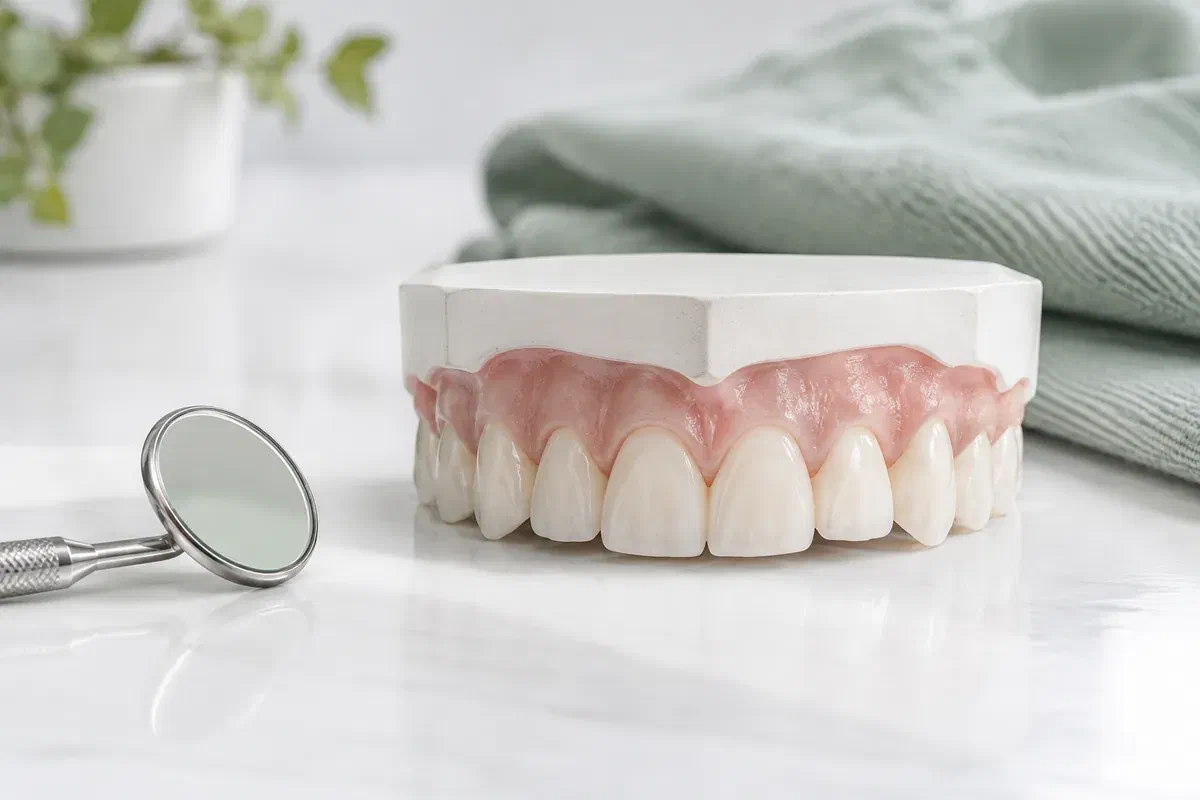
Illustrative teaching model showing modest differences in front-tooth edge lengths
Why one tooth can stand out

A notch, a tilt, or the frame around it

Point to the tooth and describe what you notice. Tell us whether it is purely cosmetic, or whether you also feel roughness, sensitivity, or a different contact when you bite.

A small notch or a slightly short edge

A tiny chip or a naturally shorter edge can catch the light. Mention whether it changed recently or feels sharp. Ask whether a small addition would blend with neighbouring teeth and how it would meet the teeth below.

A gentle twist or tilt

A tooth turned a few degrees can reflect light differently and appear wider or uneven. Bonding can soften the look but will not straighten the tooth. Ask whether a short orthodontic course might give a more natural result.

Gum outline or a nearby filling

A slightly higher gum margin, or a filling that has darkened at its edge, can make one tooth look different from its partner. Ask whether the tooth needs changing at all, or whether the surrounding area deserves attention instead.

A notch that grows, chipping that repeats, or any discomfort should be examined. Please never file a small bump at home; even tiny amounts of enamel do not grow back, and the edge can be damaged.

Keeping it subtle

The smallest change that makes the difference

When you know why the tooth stands out, you can choose a change scaled to that cause. That might be a few minutes of bonding or a tiny contour, or it might be advice that a different approach, or none at all, would serve the tooth better.

Subtle work depends on respecting natural variety. Real smiles have small asymmetries that make them look like you. Describe the one thing you want different, and ask whether pursuing more symmetry would mean altering healthy teeth you are happy with.

Patient information: Cleveland Clinic — tooth contouring and enamel preservation · American Association of Orthodontists — tooth alignment and bite

Hearing exactly what would be done

Ask the clinician to explain, in plain terms, whether a little material would be added, a little enamel removed, or the tooth moved. Even small procedures carry different long-term implications.

Protecting the character of your smile

Say out loud what you like about your teeth. A careful plan targets the single detail that bothers you and leaves the rest untouched, so your smile still looks familiar.

Thinking about how a small change ages

Bonding can stain or chip over time and may need refreshing. Contouring is permanent. Ask how each option is likely to look in a few years, and what maintenance or protection it will need.

A careful approach

Look closely, explain, compare, refine

No single procedure fixes uneven teeth. Even a subtle change follows a sequence shaped by the cause and by how little you want altered.

  1. Look closely at the tooth and its neighbours

    Tell us how long the detail has bothered you and whether it has changed. The clinician examines the tooth, surrounding teeth, gums, restorations, and bite. Close-up photos can help you both see what stands out.

  2. Explain what makes the tooth stand out

    You learn whether shape, angle, wear, gum height, or a nearby restoration is responsible. If anything is unclear, the next step is explained. A stable detail is treated differently from one that is changing.

  3. Compare subtle options, including none

    Weigh a small bonding addition, a very slight contour, a word with an orthodontist, care for a nearby filling or gum, or simply leaving it. Ask how much tooth is involved and how the result would blend. If a sequence is suggested, ask why.

  4. Check how the change blends and feels

    After treatment, the clinician checks the edge, contacts, and bite. Look at the result in natural light and mention anything that feels or looks off. Confirm upkeep and when to return for a review.

Keeping the change invisible

Care that suits a small cosmetic change

Even subtle treatments have specific aftercare. Ask for instructions that apply to the work you had, whether bonding, contouring, or orthodontics.

Clean the edge gently but thoroughly

Brush and clean between teeth with the methods you were shown. If floss catches or the edge feels rough, mention it. A subtle change should not make cleaning harder or leave a spot that traps food.

Avoid what chipped the tooth before

If biting nails, chewing pens, or grinding contributed, follow the prevention advice. Report any new chip rather than asking for more smoothing, since a cosmetic repair does not prevent every cause of damage.

Follow appliance advice and reviews

If a retainer or guard is part of the plan, confirm the routine and bring it to future appointments when more work is considered. Reviews help confirm the change still blends and functions well.

Patient information: Cleveland Clinic — tooth erosion and changes in tooth surfaces

Subtle options

Add a little, smooth a little, or turn it gently

Choose the approach that matches the cause. Ask how much natural tooth each option keeps, and remember that a small, healthy difference is often best left alone.

For a notch or a slight bump

A touch of bonding or a tiny contour

Bonding can fill a small notch or lengthen a short edge, and very limited contouring can soften a minor bump where enough healthy enamel exists. Ask which is gentler for your tooth. Contoured enamel is lost permanently.

For a tooth set at a slight angle

Orthodontic advice

If the angle of the tooth is the main issue, moving it may look more natural than building over it. Ask about appliance choices, commitment, and retention, with appearance and the bite considered together.

When the cause is elsewhere or the detail is minor

Other care, or leaving it

A darkened filling or gum change may need separate attention. A stable, healthy detail can also stay as it is. Ask what would be monitored and what changes should bring you back.

Patient information: American Association of Orthodontists — adult orthodontic options

Georgetown questions about subtle changes

Will anyone notice it was done?

Show us the photos where you like your smile and where you don’t. Your preferences guide the conversation, and the exam confirms what is suitable.

(905) 876-4488
Can one tooth be changed without touching the others?
Often, yes. A small edge repair or contour can be limited to one tooth. Sometimes the comparison with its neighbour means a tiny adjustment elsewhere is suggested, and you can ask why before agreeing.
Will a small bonding repair look natural?
Bonding is shaped and shaded to blend with your tooth, though matching natural translucency takes care. Ask how the shade will be chosen and what to expect from the edge in different lighting.
Is there a way to preview the change first?
In some cases a temporary mock-up or photos can help show how a change might look. Ask whether a preview is possible for your situation, so you can judge whether the change feels right.
Can bonding be removed if I don’t like it?
Bonding can usually be adjusted or removed, though the tooth surface may need preparation and polishing afterwards. Ask what removal would involve before treatment.
Is a tiny notch in my front tooth worth treating?
Not always. A stable, smooth notch may cause no harm. If it is sharp, growing, or bothers you, a small repair may be reasonable. The assessment can tell you which applies.
Why would the dentist look at my bite for one small edge?
How your teeth meet affects whether a new edge will chip or wear. Checking the bite helps plan a shape that lasts. Mention any clenching or past chips, even if only one tooth concerns you.
Subtle uneven-teeth care for Georgetown

Tell us the one thing you’d change.

Arrange a consultation at our Bronte Street practice focused on a single uneven edge or tooth. We will explain why it stands out and compare small, natural-looking options alongside your preferences and oral health.

Each recommendation follows the cause. Small natural differences often need no treatment, and enamel cannot be put back once contoured away.

Visit Milton Dental Clinic
Unit 1, 342 Bronte St. S, Milton, ON L9T 5B7
Get directions Clinic hours
Monday–Thursday
11am–7pm
Friday–Sunday
By appointment only

Areas we serve

  • Milton
  • Oakville
  • Mississauga
  • Georgetown
  • Halton Hills
  • Acton
  • Campbellville
  • Brampton
  • Burlington
  • Puslinch
  • Rockwood
  • Erin
  • Caledon
  • Etobicoke
  • Old Milton
  • Bronte Meadows
  • Timberlea
  • Dorset Park
  • Dempsey
  • Clarke
  • Beaty
  • Coates
  • Harrison
  • Scott
  • Willmott
  • Ford
  • Bowes
  • Cobden
  • Walker
  • Mountain View
  • Milton Heights
  • Hawthorne Village
  • Valley View
  • Fallingbrook
  • Nassagaweya
  • Trafalgar
  • Esquesing
  • Nelson
  • Brookville
  • Moffat
  • Glen Williams
  • Norval
  • Limehouse
  • Stewarttown
  • Ashgrove
  • Hornby
  • Silver Creek
  • Speyside
  • Scotch Block
  • North Oakville
  • River Oaks
  • Glen Abbey
  • West Oak Trails
  • Palermo
  • Bronte Creek
  • College Park
  • Joshua Creek
  • Uptown Core
  • Preserve
  • Iroquois Ridge
  • Lisgar
  • Meadowvale
  • Meadowvale Village
  • Churchill Meadows
  • Erin Mills
  • Central Erin Mills
  • Streetsville
  • East Credit
  • Creditview
  • Heartland
  • Sheridan
  • Mount Pleasant
  • Credit Valley
  • Huttonville
  • Churchville
  • Springbrook
  • Northwest Brampton
  • Bram West
  • Fletcher's Meadow
  • Fletcher's Creek South
  • Alton Village
  • Orchard
  • Millcroft
  • Headon Forest
  • Tansley
  • Brant Hills
  • Tyandaga
  • Kilbride
  • Lowville
  • Aberfoyle
  • Morriston
  • Arkell
  • Hillsburgh
  • Freelton
  • Carlisle
  • Waterdown
  • Flamborough
  • Mountsberg

How can we help?

Milton Dental Clinic

Have a question about your smile? Choose the option that works best for you.

For urgent dental concerns, please call.
Messages are reviewed during clinic hours.