

Illustrative patient discussing the appearance of uneven teeth during a dental consultation
Cosmetic Dentistry

Cosmetic Correction of Uneven Teeth in Milton

A tooth that looks taller or a corner that sits lower than its neighbour may come from shape, wear, position, or the gum around it. Book a Milton assessment that finds the reason first, then weighs gentle ways to change the look while keeping healthy enamel in mind.

Uneven teeth, seen up close in Milton

The photo shows what looks off. An exam shows why.

Many people first notice it in a group picture or on a video call: one front tooth seems a little longer, or an edge dips where its neighbour runs straight. That single impression can have several sources, including a chipped corner, a slightly turned tooth, gradual wear, or gum tissue sitting at a different height.

Each of those sources points toward a different kind of care. Bonding adds material to build out an outline. Contouring smooths away a small amount of enamel. Orthodontic treatment moves the tooth itself. Some situations call for a combination in a sensible order, and some call for nothing beyond reassurance.

Here in Milton, you can bring the picture that bothered you and show us the spot. Tell us whether the difference is new or has always been there, and how much change you actually want. A modest refinement is a perfectly reasonable goal, and you can understand every choice before anything permanent happens.

Ask about an uneven front tooth
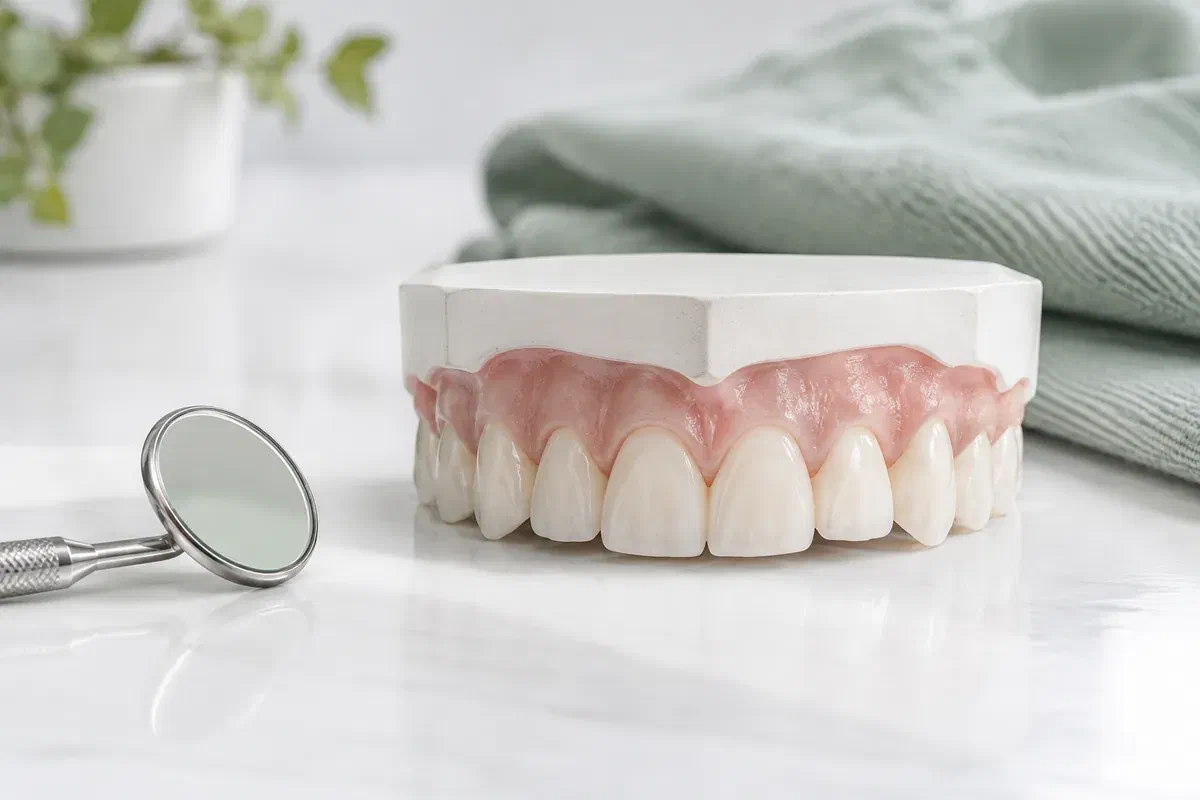
Illustrative teaching model showing modest differences in front-tooth edge lengths
Three common sources

Where does the unevenness really begin?

Start by telling us what you see and when it bothers you. Mention whether your concern is mostly about looks, or whether something also feels different when you chew or close your teeth together.

A tooth edge that looks shorter or chipped

Some edges are naturally shaped that way, while others have lost length to wear or a small break. Those are different starting points. Point out any chips, sensitivity, or recent change, and ask how a new edge shape would meet the opposing teeth.

Position: forward, back, or rotated

Where a tooth sits can make it seem broader, narrower, or more noticeable than the others. Adding material over the front can soften that look without changing its position. Ask whether moving the tooth would serve you better before covering it.

Gum tissue or older dental work shaping the view

Occasionally the tooth is fine and the difference comes from gum height or the outline of a past filling or crown. Your assessment should sort that out. Ask whether the tooth needs any change at all, or whether another area deserves attention first.

Unevenness that appears suddenly, chipping that keeps recurring, or any pain deserves a proper look. Please avoid filing a tooth yourself, since enamel does not grow back and home reduction can damage the tooth.

Why the assessment comes first

Right-sized care for the difference you see

Knowing the cause keeps you from picking a procedure simply because it sounds fast. One tooth may need only a minor touch, while a different smile may need wear addressed or a conversation about alignment and how the teeth come together.

Natural variety deserves room in the plan as well. Healthy, attractive smiles rarely have perfectly matching edges. Describe what enough improvement would look like to you, and ask whether going further would mean giving up more sound tooth than the gain justifies.

Patient information: Cleveland Clinic — tooth contouring and enamel preservation · American Association of Orthodontists — tooth alignment and bite

A plain explanation of what would change

Ask to see the area in a mirror or photo while the clinician describes the plan in everyday words. Find out whether material is added, enamel is removed, or teeth are moved, because each of those carries a different long-term commitment.

Room to keep the features you like

Perhaps you are fond of your smile overall and only one edge distracts you. Say that clearly. The planning conversation can separate the detail you want changed from the character you would rather keep exactly as it is.

A view of both today and the years ahead

Talk about how many visits are involved, what upkeep looks like, whether repairs may be needed later, and any retainer or protection that would follow. A short first appointment is only part of the picture, so ask how each choice affects the tooth over time.

How planning unfolds

Four steps from first look to follow-up

No single procedure goes by the name of uneven-tooth correction. What happens after the assessment depends on what is found, what matters to you, and which approach you choose.

  1. Talk through the history, then examine

    Share when the difference first caught your eye and whether it seems to be growing. The clinician looks at enamel surfaces, past restorations, gum tissue, and your bite. Photographs or other records may help clarify the concern and guide further questions.

  2. Name what is causing the uneven look

    Find out whether the main factor is shape, position, wear, gum height, or a mix. If something is still unclear, ask what further investigation would help. A good plan separates a stable cosmetic preference from a change that is still in progress.

  3. Weigh treatment against watching

    Compare a small restoration, limited contouring, an orthodontic opinion, or another fitting option. Confirm how much tooth preparation is involved and what result is intended. If the work happens in stages, ask why the sequence matters and when it will be reviewed.

  4. Check the result and agree on upkeep

    Once treatment is complete, the clinician checks fit, contacts, or your bite as the procedure requires. Mention anything that feels unfamiliar. Confirm the maintenance or retainer routine and when you should come back for a review.

Looking after the change

Aftercare that matches the work you had done

Bonding, contouring, and tooth movement each come with their own instructions. Ask for guidance tailored to your plan instead of following advice meant for a different procedure.

Clean the reshaped area thoroughly

Brush and clean between your teeth with the methods your clinician suggests. Mention any contact that shreds floss or an edge that feels rough to your tongue. A cosmetic change should never make daily cleaning harder or uncomfortable.

Deal with what caused the damage

If grinding, wear, or repeat chipping played a part, follow the prevention plan you were given. Report a fresh break instead of asking for yet another smoothing. A repair focused on appearance does not, by itself, stop every cause of wear.

Keep up with appliances and reviews

When braces, aligners, retainers, or a night guard are part of the plan, confirm how and when to wear them. Bring any appliance to visits where more dental work is planned. Reviews let the clinician check both appearance and function.

Patient information: Cleveland Clinic — tooth erosion and changes in tooth surfaces

Comparing approaches

Build up, smooth down, or move: which fits?

The right option is the one that addresses where the difference actually comes from. Any comparison should consider how much natural tooth is kept, and whether a healthy variation could simply stay as it is.

When a suitable edge is the main issue

Bonding or a small, careful contour

Bonding can lengthen a short or chipped area, and limited contouring can soften a minor bump where enough healthy enamel exists. Ask which one suits your tooth and why. Even a small amount of enamel removal is permanent.

When position or the bite is involved

An orthodontic opinion

Moving a tooth can address a position problem more directly than changing its surface. An assessment can outline appliance choices, the time commitment, and the retention that follows. Appearance and the way your teeth meet belong in the same discussion.

When the cause lies elsewhere or nothing needs changing

Restorative or gum review, or simply monitoring

An older restoration or a gum change may need its own evaluation. A healthy, stable difference can also be left untouched if you prefer. Ask what would be watched and which symptoms or changes should bring you back sooner.

Patient information: American Association of Orthodontists — adult orthodontic options

Uneven-teeth questions from Milton

What people ask before changing a tooth edge

A photo, or a quick description of when the difference stands out, makes a helpful starting point. Your observations shape the conversation, and the examination confirms which choices are suitable.

(905) 876-4488
Why does my tooth look uneven in photos but fine in the mirror?
Camera angle, lens distance, and lighting can exaggerate small differences, and a mirror reverses the image you are used to. Bring the photo anyway. The examination can show whether a real difference in length or position exists and whether it matters to you.
If one tooth looks too long, is trimming it the obvious answer?
Not always. The tooth’s position, its edge shape, the tooth beside it, or the gumline can all influence how long it appears. Ask what is creating the effect before agreeing to remove enamel, because another approach, or no treatment, may suit you better.
Can uneven teeth be corrected in one appointment?
Some small bonding or contouring changes can be completed in a single visit, while orthodontic or staged plans take longer. Ask how many appointments your specific option involves and whether any review visit would follow before you decide.
Will bonding on an uneven edge stain differently from my natural teeth?
Bonding material can pick up surface stain over time and may not respond to whitening the way enamel does. Ask whether whitening should come first, and how to care for the bonded edge so it continues to blend in.
Can I ask for a small improvement rather than a perfect match?
Yes. Many people want only one distracting edge softened. Describe what would feel like enough, and the clinician can explain whether that goal is achievable with a limited change or whether a different approach is needed.
Does a chipped edge always need to be repaired?
Not every small chip needs treatment, though a new break, a sharp edge, or sensitivity should be checked. The assessment can show whether the chip is stable, whether it reflects a bite or wear issue, and what monitoring would look like.
Uneven teeth care in Milton

Show us the edge that catches your eye.

Book an assessment at our Bronte Street practice to talk about tooth length, edges, or alignment. We will look at where the uneven appearance comes from and compare suitable changes alongside your goals and overall oral health.

The right plan depends on what is causing the difference. Natural variation is often healthy and may not need treatment, and enamel that is removed does not return.

Visit Milton Dental Clinic
Unit 1, 342 Bronte St. S, Milton, ON L9T 5B7
Get directions Clinic hours
Monday–Thursday
11am–7pm
Friday–Sunday
By appointment only

Areas we serve

  • Milton
  • Oakville
  • Mississauga
  • Georgetown
  • Halton Hills
  • Acton
  • Campbellville
  • Brampton
  • Burlington
  • Puslinch
  • Rockwood
  • Erin
  • Caledon
  • Etobicoke
  • Old Milton
  • Bronte Meadows
  • Timberlea
  • Dorset Park
  • Dempsey
  • Clarke
  • Beaty
  • Coates
  • Harrison
  • Scott
  • Willmott
  • Ford
  • Bowes
  • Cobden
  • Walker
  • Mountain View
  • Milton Heights
  • Hawthorne Village
  • Valley View
  • Fallingbrook
  • Nassagaweya
  • Trafalgar
  • Esquesing
  • Nelson
  • Brookville
  • Moffat
  • Glen Williams
  • Norval
  • Limehouse
  • Stewarttown
  • Ashgrove
  • Hornby
  • Silver Creek
  • Speyside
  • Scotch Block
  • North Oakville
  • River Oaks
  • Glen Abbey
  • West Oak Trails
  • Palermo
  • Bronte Creek
  • College Park
  • Joshua Creek
  • Uptown Core
  • Preserve
  • Iroquois Ridge
  • Lisgar
  • Meadowvale
  • Meadowvale Village
  • Churchill Meadows
  • Erin Mills
  • Central Erin Mills
  • Streetsville
  • East Credit
  • Creditview
  • Heartland
  • Sheridan
  • Mount Pleasant
  • Credit Valley
  • Huttonville
  • Churchville
  • Springbrook
  • Northwest Brampton
  • Bram West
  • Fletcher's Meadow
  • Fletcher's Creek South
  • Alton Village
  • Orchard
  • Millcroft
  • Headon Forest
  • Tansley
  • Brant Hills
  • Tyandaga
  • Kilbride
  • Lowville
  • Aberfoyle
  • Morriston
  • Arkell
  • Hillsburgh
  • Freelton
  • Carlisle
  • Waterdown
  • Flamborough
  • Mountsberg

How can we help?

Milton Dental Clinic

Have a question about your smile? Choose the option that works best for you.

For urgent dental concerns, please call.
Messages are reviewed during clinic hours.