

Illustrative patient discussing the appearance of uneven teeth during a dental consultation
Cosmetic Dentistry

Cosmetic Correction of Uneven Teeth in Old Milton

Teeth change slowly. Edges wear, old fillings age, and gums shift, until one day the smile looks less even than you remember. For Old Milton, we offer an assessment that traces how that happened and compares careful options that protect the healthy tooth you still have.

When a smile changes over time

It didn’t always look like this.

Decades of chewing, a habit of clenching, a filling placed long ago, or teeth that have drifted a little can each leave the front of the smile looking uneven. The change is often so gradual that you notice it only when an old photograph sits beside a new one.

Because the history matters, so does sorting out which change came first. A worn edge might be rebuilt with bonding. A small rough spot might be contoured. A tooth that has drifted might be better moved than covered. An ageing restoration might simply need replacing. Sometimes the honest advice is to leave things as they are.

For anyone in Old Milton, the town’s historic downtown, our Bronte Street practice is a short way from Main Street. Tell us what has changed and roughly when. Mention past dental work you remember, because it often explains part of the story and helps us suggest something proportionate.

Talk about a smile that has changed
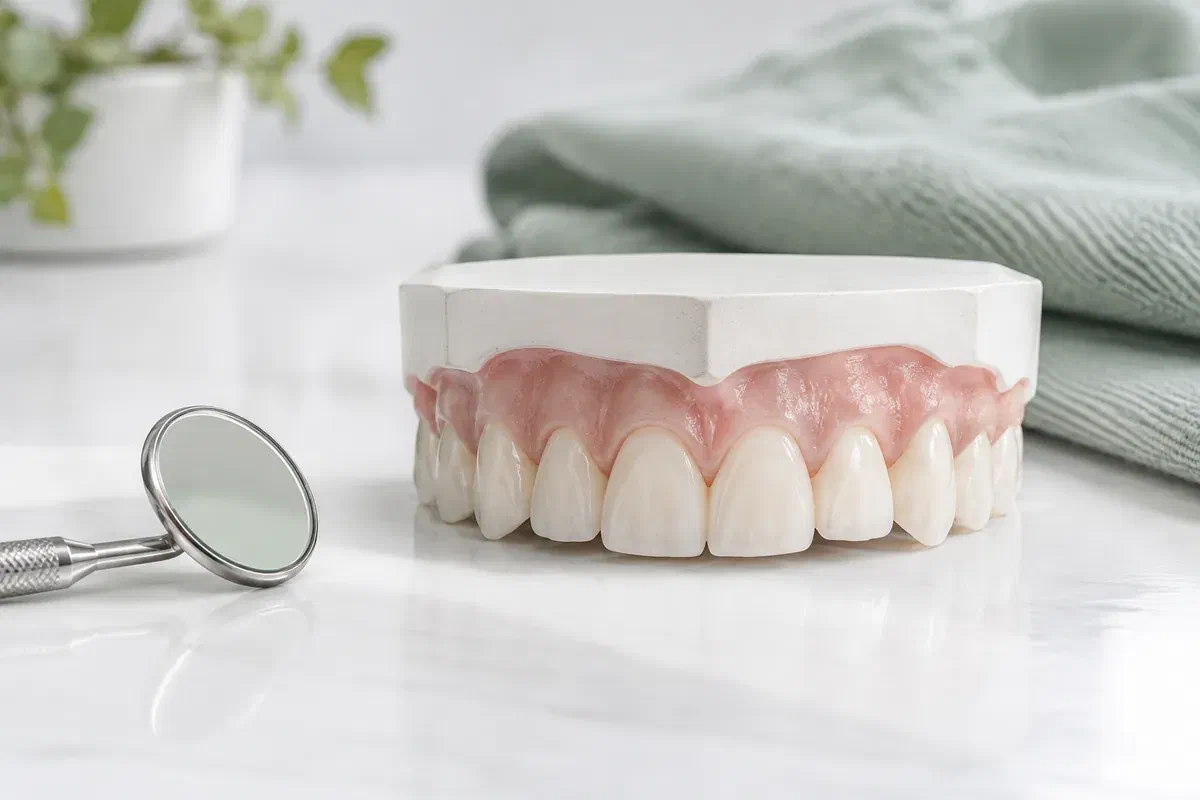
Illustrative teaching model showing modest differences in front-tooth edge lengths
What years of use can leave behind

Wear, drift, and ageing dental work

It helps to separate what you have always had from what is newer. Let us know whether the concern is appearance alone, or whether chewing, comfort, or the way your teeth close has changed too.

Edges shortened by long-term wear

Front teeth can flatten or lose a corner after years of use, grinding, or acidic drinks. Rebuilding an edge without knowing why it wore may not last. Ask what caused the loss and how a restored edge would handle your bite.

Teeth that have gradually crowded or spread

Teeth can move slowly over a lifetime, especially after an extraction or gum changes. Covering a drifted tooth may disguise it without addressing why it moved. Ask whether an orthodontic opinion makes sense before choosing a cosmetic cover.

Old fillings, crowns, and receding gums

An older restoration may no longer match its neighbours in colour or outline, and gum recession can make one tooth look longer. Ask whether the tooth itself needs changing or whether the restoration or gum deserves its own review.

Please report recent unevenness, chips that keep returning, or any discomfort. Never file or sand an edge at home to level it, because lost enamel stays lost and the tooth may be harmed.

Planning with the long view

Matching the fix to the history

A smile that changed over many years seldom needs a dramatic answer. Understanding the history helps you avoid repairing the visible symptom while the underlying cause, such as grinding or an unstable bite, carries on wearing the teeth.

It also allows for the character you have earned. Mature teeth are rarely perfectly matched, and they do not need to be. Tell us how much refinement would feel right, and ask whether a bigger change would cost more healthy structure than it is worth.

Patient information: Cleveland Clinic — tooth contouring and enamel preservation · American Association of Orthodontists — tooth alignment and bite

Knowing exactly which tooth is being changed

Ask the clinician to point to each area and describe the plan simply. Adding bonding, removing a little enamel, and moving a tooth all ask something different of you, so it is worth hearing them explained separately.

Keeping the parts of your smile you value

You might like the look of your teeth overall and want one worn corner tidied. Make that wish clear. The plan can then focus narrowly on that edge and leave the rest of your smile alone.

Weighing upkeep alongside the first visit

Ask about future repairs, how often bonding or an older restoration may need attention, and whether a night guard or retainer would protect the result. A quick first step is helpful, but how the tooth fares over years is what counts.

What a visit involves

History, diagnosis, options, review

Uneven teeth are a description, not a single treatment. The steps after your first examination are shaped by what is found and the changes you feel comfortable making.

  1. Piece together the story

    We ask when you first noticed the change, what dental work you have had, and whether anything has shifted recently. The examination covers enamel, gums, existing restorations, and how your teeth meet. Photos or records may be taken to compare later.

  2. Explain what caused the difference

    You hear whether wear, drifting, an older restoration, gum change, or a combination is responsible. If anything remains uncertain, the next step for clarifying it is explained. Knowing whether the process is still active shapes every decision that follows.

  3. Lay out the choices, including waiting

    Options may include bonding, limited contouring, orthodontic advice, replacing a restoration, or monitoring. Ask how much tooth would be prepared and what the result would look like. If several steps are suggested, ask why that order was chosen.

  4. Confirm the result and the routine

    After treatment, the clinician checks the bite, contacts, and fit as needed. Tell us about anything that feels strange. Before you leave, confirm what upkeep, protection, or retention is expected and when your review should be booked.

Keeping the result steady

Your aftercare should fit your treatment.

Bonded edges, contoured enamel, and moved teeth are cared for in different ways. Ask for instructions that match what was done for you, not generic advice.

Daily cleaning around new outlines

Follow the brushing and flossing advice you were given, including any interdental brushes. Let us know if floss catches or an edge feels rough. Your new shape should be easy to keep clean every day.

Protecting teeth from the cause of wear

When grinding, clenching, or acid exposure contributed, keep to the prevention plan. If a bonded edge breaks again, book an assessment rather than asking for another quick touch-up, since cosmetic repair alone does not halt ongoing wear.

Appliances, retainers, and regular checks

If you were given a night guard or retainer, wear it as instructed and bring it when further work is planned. Regular reviews let us watch how the teeth look and how they are working together.

Patient information: Cleveland Clinic — tooth erosion and changes in tooth surfaces

Options to discuss

Three directions, depending on the cause

Each option suits a different source of unevenness. Ask how much natural tooth each one preserves, and whether leaving a healthy, stable difference alone is a sensible choice for you.

For a worn, chipped, or slightly irregular edge

Rebuilding or gently contouring an edge

Bonding can restore lost length, and careful contouring can smooth a minor irregularity if there is enough healthy enamel. Ask which suits your situation. Removed enamel cannot be replaced, however little is taken.

For teeth that have shifted

Assessment for orthodontic movement

When teeth have drifted, moving them back may solve the concern more directly than reshaping surfaces. Ask about appliance options, the commitment, and long-term retention, and consider appearance and bite together.

When the cause isn’t the tooth itself

Replacing older work, reviewing gums, or watching

An ageing restoration or gum recession may deserve its own plan. A stable, healthy difference can also be monitored instead of treated. Ask what we would look for at reviews and which changes should prompt an earlier call.

Patient information: American Association of Orthodontists — adult orthodontic options

Old Milton questions

Is it normal for teeth to look less even with age?

Bringing an older photo can help show what has changed. Your memory of the smile is useful, and the examination explains what is happening now.

(905) 876-4488
Do teeth really move as we get older?
They can. Gradual shifting is common over a lifetime and can be influenced by tooth loss, gum health, and bite forces. The assessment can show whether movement is stable or continuing and whether it affects your choices.
My old filling makes one tooth look different. Should it be replaced?
A filling placed years ago may be replaced for appearance if the tooth and the restoration allow it, or it may be sound enough to leave. Ask about the condition of the filling, what replacing it involves, and whether the colour can be matched.
Can worn front edges be built back up?
In suitable cases bonding can restore some lost length. The cause of the wear matters, because restoring an edge without managing grinding or acid exposure may lead to repeat breakage. Ask what protection would be recommended.
Why does one front tooth look longer than it did years ago?
Gum recession, wear on the neighbouring tooth, or slight movement can all change how long a tooth appears. Before any enamel is reduced, ask what has actually changed, since shortening the tooth may not address the cause.
Is it worth correcting teeth that have always been a bit uneven?
That depends on your preferences and the health findings. A long-standing, stable difference does not have to be treated. Ask whether anything needs monitoring and how much change you would want before deciding.
Should I bring my night guard when we discuss reshaping?
Yes. Changing an edge can affect how a guard or retainer fits. Bringing it allows the clinician to consider the fit and plan any adjustment or replacement along with the cosmetic work.
Uneven teeth care for Old Milton

Tell us how your smile has changed.

Book a visit at our Bronte Street practice to look at worn edges, drifted teeth, or older restorations. We will explain what lies behind the uneven look and compare careful options that suit your preferences and oral health.

Recommendations depend on the cause. A healthy difference may be left as it is, and enamel taken away cannot be put back.

Visit Milton Dental Clinic
Unit 1, 342 Bronte St. S, Milton, ON L9T 5B7
Get directions Clinic hours
Monday–Thursday
11am–7pm
Friday–Sunday
By appointment only

Areas we serve

  • Milton
  • Oakville
  • Mississauga
  • Georgetown
  • Halton Hills
  • Acton
  • Campbellville
  • Brampton
  • Burlington
  • Puslinch
  • Rockwood
  • Erin
  • Caledon
  • Etobicoke
  • Old Milton
  • Bronte Meadows
  • Timberlea
  • Dorset Park
  • Dempsey
  • Clarke
  • Beaty
  • Coates
  • Harrison
  • Scott
  • Willmott
  • Ford
  • Bowes
  • Cobden
  • Walker
  • Mountain View
  • Milton Heights
  • Hawthorne Village
  • Valley View
  • Fallingbrook
  • Nassagaweya
  • Trafalgar
  • Esquesing
  • Nelson
  • Brookville
  • Moffat
  • Glen Williams
  • Norval
  • Limehouse
  • Stewarttown
  • Ashgrove
  • Hornby
  • Silver Creek
  • Speyside
  • Scotch Block
  • North Oakville
  • River Oaks
  • Glen Abbey
  • West Oak Trails
  • Palermo
  • Bronte Creek
  • College Park
  • Joshua Creek
  • Uptown Core
  • Preserve
  • Iroquois Ridge
  • Lisgar
  • Meadowvale
  • Meadowvale Village
  • Churchill Meadows
  • Erin Mills
  • Central Erin Mills
  • Streetsville
  • East Credit
  • Creditview
  • Heartland
  • Sheridan
  • Mount Pleasant
  • Credit Valley
  • Huttonville
  • Churchville
  • Springbrook
  • Northwest Brampton
  • Bram West
  • Fletcher's Meadow
  • Fletcher's Creek South
  • Alton Village
  • Orchard
  • Millcroft
  • Headon Forest
  • Tansley
  • Brant Hills
  • Tyandaga
  • Kilbride
  • Lowville
  • Aberfoyle
  • Morriston
  • Arkell
  • Hillsburgh
  • Freelton
  • Carlisle
  • Waterdown
  • Flamborough
  • Mountsberg

How can we help?

Milton Dental Clinic

Have a question about your smile? Choose the option that works best for you.

For urgent dental concerns, please call.
Messages are reviewed during clinic hours.