

Illustrative patient discussing a tooth-edge concern with a dental clinician
Cosmetic Dentistry

Enamel Recontouring

A small change to a tooth edge deserves careful planning. Discuss enamel recontouring in Milton to understand whether a limited adjustment is suitable, how much healthy enamel can be preserved, and when another approach would better address the concern.

A closer look at enamel recontouring

A modest adjustment starts with knowing the limits.

Enamel recontouring involves carefully removing a small amount of the tooth's outer surface to alter a suitable edge or outline. You may also hear it called tooth reshaping or enameloplasty. It is considered for selected minor differences, not as a way to make major changes by repeatedly shortening healthy teeth.

The amount that can be changed depends on the individual tooth, its enamel, and the bite. Removing enamel is permanent. Before treatment, it is important to understand whether the feature can be adjusted responsibly and whether adding material, moving a tooth, or leaving the shape alone makes more sense.

At Milton Dental Clinic, point out the edge you notice and explain what you would like to feel or see differently. A small concern is worth discussing, but it does not automatically need a procedure. We can help you compare a limited contour change with the other appropriate choices.

Ask about a small tooth-edge adjustment
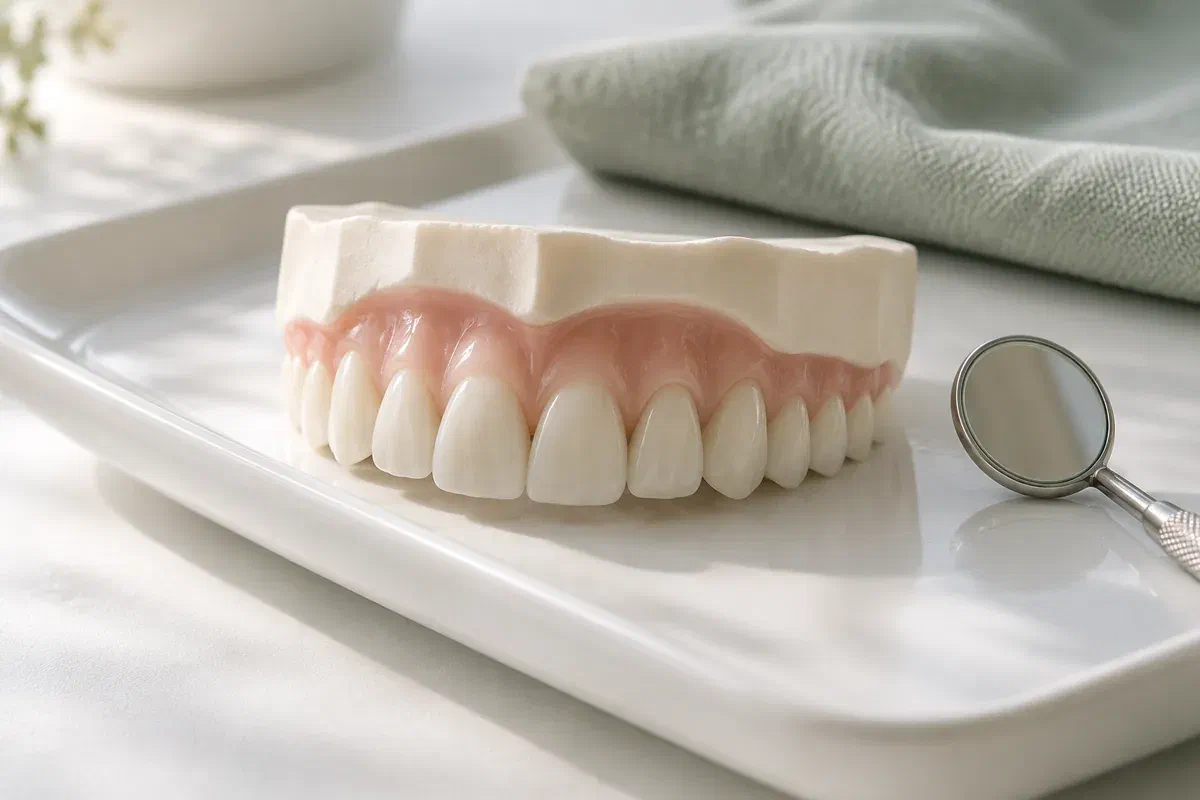
Illustrative upper front-teeth model showing natural edge shapes beside a dental mirror
Checking the starting point

Look at the edge and the reasons it appears uneven.

A shape that seems easy to smooth may have more than one explanation. Mention whether it is longstanding, recently chipped, or changing as part of a wider pattern of wear.

A minor point or irregular outline

Describe the exact area rather than asking for all the front teeth to be made level. The clinician can assess whether a small change is appropriate and how it would affect the overall outline. Natural variation may be worth preserving.

An edge that catches your lip or tongue

Explain when the roughness began and whether there was an injury or broken restoration. A comfortable surface is a reasonable goal, but the cause should be identified first. Smoothing alone may not address a fracture or another underlying problem.

Sensitivity or a history of tooth wear

Tell the team about cold sensitivity, grinding, erosion, or previous adjustments. These details can affect whether further enamel removal is sensible. Ask what the examination shows and whether the priority is protecting existing structure rather than altering it.

Do not use a nail file or other tool on a tooth. The amount and location of any adjustment need professional assessment; a change that looks tiny can still be irreversible.

What a limited contour change may achieve

Keep the goal small, specific, and appropriate for the tooth.

In a suitable case, recontouring can soften a minor point or adjust an irregular edge without adding a restoration. That possibility should be weighed against the fact that sound enamel would be removed. A conservative intention still requires a clear reason and an agreed limit.

The consultation is also an opportunity to decide that no removal is needed. If the desired change goes beyond a modest adjustment, another approach may better preserve the tooth. Ask what improvement is realistic without treating a naturally individual shape as a defect.

Patient information: Cleveland Clinic — enameloplasty and limited tooth contouring · Clinical report — conservative recontouring and composite alternatives

A clearly identified area of treatment

Ask the clinician to show you where the change would be made. You should understand which tooth and surface are involved before consenting. A broad instruction to make everything even is less useful than an agreed description of one specific feature.

A comparison of removal and addition

Sometimes the apparent long edge is noticeable because the neighbouring tooth is shorter. Ask whether a small addition elsewhere would be more suitable than removing enamel from the first tooth. The comparison should consider the bite and future maintenance.

A decision that acknowledges natural proportions

Discuss how the proposed edge would relate to the smile as a whole. Matching every tooth to the shortest one is not automatically an appropriate goal. You can prefer a subtle change and keep the characteristics that make your smile familiar.

How recontouring is considered

Assess the tooth, agree on the limit, and review the finish.

The examination determines whether the procedure is appropriate. Ask how the clinician will evaluate the enamel and the bite, and what alternatives remain if removal is not advised.

  1. Explain the concern and review relevant history

    Discuss any injury, sensitivity, grinding, previous contouring, or recent change in the edge. The clinician examines the teeth and considers relevant records. A new fracture or damaged restoration may require a different assessment from a longstanding cosmetic preference.

  2. Confirm the proposed change and its limitations

    Ask what will be altered and what will remain. Discuss the permanent nature of enamel removal, possible sensitivity, and reasonable alternatives. The intended extent should be agreed before treatment rather than expanded repeatedly in pursuit of perfect symmetry.

  3. Make the carefully limited adjustment when suitable

    For an agreed procedure, the clinician uses appropriate dental instruments to refine the selected area. Tell the team if you feel discomfort or want a pause. The work should stay within the assessed plan rather than rely on your ability to tolerate further removal.

  4. Check the surface and how the teeth meet

    The adjusted area is finished and polished, and the clinician reviews the result and bite. Explain if an edge still feels unexpectedly rough. Confirm any aftercare, review arrangements, and symptoms that should prompt contact.

After a small contour adjustment

Protect the enamel that remains and report meaningful changes.

Follow the advice given for your teeth. There is no new restoration to maintain after recontouring alone, but the natural tooth still needs cleaning, protection, and routine review.

Continue gentle cleaning with fluoride toothpaste

Brush and clean between the teeth using the recommended technique. Do not scrub the adjusted edge more aggressively to make it feel smoother. Ask for advice if sensitivity makes cleaning difficult or if you are unsure which product is appropriate.

Avoid testing the edge with hard objects

Do not bite pens, ice, or packaging to see whether the tooth feels stronger or more even. Mention habits that contributed to previous wear. If protection or further assessment was recommended, follow that plan rather than treating the contour change as the whole solution.

Have persistent sensitivity or bite changes checked

Contact the team if discomfort persists, worsens, or interferes with eating. Describe when it happens and whether the tooth feels different on contact. Do not respond by requesting more filing before the cause has been assessed.

Patient information: Cleveland Clinic — tooth enamel and its protection

Choosing how to manage the edge

Removing enamel is only one possible response.

Ask how each option relates to the actual concern and the condition of the teeth. The aim is an appropriate change with a clear understanding of its consequences.

When a minor outline change is suitable

Carefully limited enamel recontouring

A small adjustment may be considered where the tooth and bite allow it. Discuss the intended benefit and the stopping point. This approach cannot rebuild a short tooth or correct substantial crowding by simply removing more surface.

When the concern involves missing length or structure

A local composite addition or repair

Bonding may be considered for a suitable area that needs rebuilding rather than shortening. Ask about preparation, the new contour, and maintenance. It changes the tooth differently from recontouring and should be compared on that basis.

When the apparent shape difference has another explanation

Orthodontic advice, further investigation, or observation

A position-related issue, ongoing wear, or an unexplained chip may need another assessment. A healthy stable edge can also be left alone. Ask what would be monitored and whether a different approach would better address your goal.

Questions about enamel recontouring

Understand the limits before changing a natural edge.

Small changes still deserve clear answers. Ask about the exact tooth, the amount of adjustment, and the alternatives relevant to your concern.

(905) 876-4488
Is enamel recontouring the same general procedure as tooth reshaping?
The terms commonly overlap and describe a limited adjustment to tooth enamel. What matters is the specific work proposed for your tooth. Ask which surface would change, why it is suitable, and whether any additional bonding or other treatment is involved.
Can the enamel removed during recontouring grow back later?
No. Enamel that is physically removed does not regrow. Preventive care can help protect remaining tooth structure, but it cannot replace the original edge. Discuss the permanent nature of the change before deciding.
Would recontouring make a short tooth longer by evening out the teeth next to it?
It does not add length. Shortening neighbouring teeth may be inappropriate, so ask whether the short tooth’s condition or position should be addressed instead. The plan should consider the whole bite and preserve healthy structure where possible.
Can a recently broken edge be smoothed without checking the rest of the tooth?
The injury and tooth should be assessed first. A small visible defect does not reveal every possible effect of a fracture or impact. The clinician can explain whether smoothing, repair, further testing, or follow-up is appropriate.
Should I mention earlier enamel adjustments before having more recontouring?
Yes. Previous treatment and wear are relevant to the amount and condition of remaining structure. Explain what was done and when, if known. A past adjustment does not mean that further removal will be suitable.
Can I decide against recontouring after hearing the limits of the proposed change?
Yes. You can consider the expected improvement alongside the permanence and alternatives. Ask whether leaving a healthy edge alone is reasonable. Understanding a procedure does not commit you to an elective change you do not want.
Enamel recontouring in Milton

Bring the small detail you would like to understand.

Arrange an assessment at our Bronte Street practice to discuss an irregular edge or minor shape concern. We can review the enamel, bite, and alternatives before deciding whether a limited adjustment is appropriate.

Suitability must be assessed individually. Enamel removal is permanent, and some cosmetic goals are better addressed with another approach or no treatment.

Visit Milton Dental Clinic
Unit 1, 342 Bronte St. S, Milton, ON L9T 5B7
Get directions Clinic hours
Monday–Thursday
11am–7pm
Friday–Sunday
By appointment only

How can we help?

Milton Dental Clinic

Have a question about your smile? Choose the option that works best for you.

For urgent dental concerns, please call.
Messages are reviewed during clinic hours.