

Illustrative patient discussing a tooth-edge concern with a dental clinician
Cosmetic Dentistry

Enamel Recontouring in Acton

Clenching and grinding can leave front edges chipped, flattened or slightly jagged. If you’re travelling from Acton with that kind of wear, we first look at what is causing it and how much enamel remains, then explain whether light reshaping, protection or rebuilding suits.

Acton · when wear is the story

Edges shaped by a clenched jaw

Many people grind without knowing it, often at night or during concentrated work. Over time the front edges can develop small chips, flat spots or a faintly saw-toothed look. Enamel recontouring, also called enameloplasty or reshaping, can refine a suitable minor irregularity by taking away a very thin layer of outer enamel. It is for small, selected differences and should never become a habit of shortening healthy teeth again and again.

Wear complicates the decision. Teeth that have been ground already have less enamel to spare, and anything removed is gone permanently. So the first questions are about the cause and the remaining structure: is the grinding still happening, would a guard help, and would adding material protect the tooth better than smoothing it?

Coming from Acton, it helps to note whether anyone has heard you grind, whether your jaw feels tired in the morning, and when the edges began to change. Mention any previous smoothing too. Asking about a jagged edge is sensible, and the answer may focus on protection rather than reshaping.

Ask about worn or jagged edges
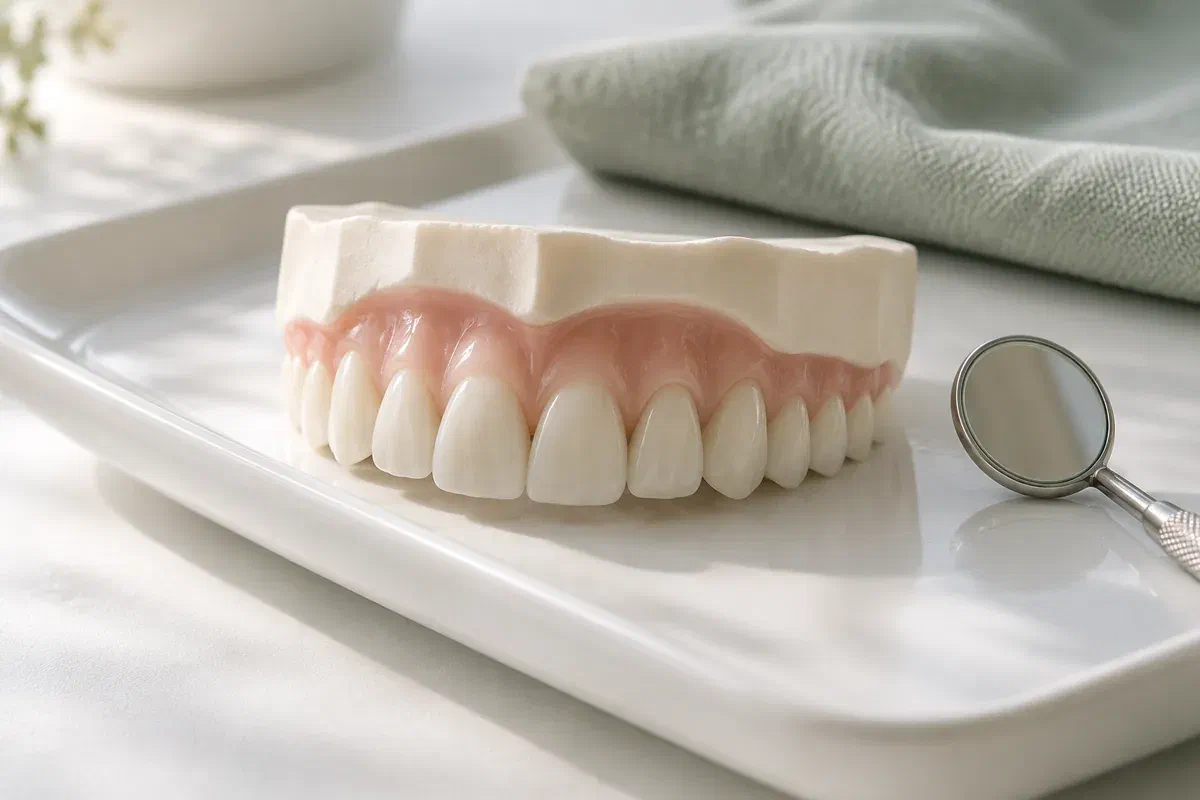
Illustrative upper front-teeth model showing natural edge shapes beside a dental mirror
Reading the wear

Chipped, flat or uneven: three things to mention

Grinding can produce several patterns. Let us know whether the change has been slow, sudden, or limited to one tooth, and whether other teeth seem affected.

Small jagged spots along an edge

Point to the area that bothers you most rather than asking for every tooth to be levelled. The clinician considers whether a slight refinement is reasonable and how it would sit with the rest of the edge. Some irregularity may be harmless.

A rough patch that rubs your lip

Say when it started and whether it followed a hard bite or a chipped filling. Comfort is a fair goal, yet the reason for the roughness needs finding first. Smoothing alone won’t help if a crack or broken restoration lies underneath.

Flattened edges or cold sensitivity

Describe sensitivity, morning jaw tiredness, erosion or earlier reshaping. These signal that enamel may already be thin. The examination may show that protecting the teeth from further wear should come before any change in shape.

A nail file might seem like a quick fix for a jagged edge, but please don’t. Professional assessment is needed to decide where and how much to adjust, especially on enamel that grinding has already thinned.

What reshaping can realistically do

Smooth a small irregularity, but deal with the cause.

For a suitable tooth, recontouring can take the jaggedness off a minor chip or tidy a slightly uneven edge without a restoration. That can make the edge more comfortable. The cost is a little healthy enamel, so the purpose and the limit both need agreeing first.

On teeth worn by grinding, the visit may well conclude that nothing should be removed. A guard to reduce further wear, or bonding to rebuild lost length, may protect you better. Ask what is realistic, and don’t treat natural character in an edge as automatically wrong.

Patient information: Cleveland Clinic — enameloplasty and limited tooth contouring · Clinical report — conservative recontouring and composite alternatives

A clearly marked area to treat

Before agreeing, ask the clinician to show you exactly which tooth and surface would change. A clear description of one feature is better than a general request to even everything up.

Rebuilding compared with smoothing

When wear has shortened some teeth, the others can look long by comparison. Ask whether adding material to the worn teeth would suit better than reducing the longer ones, considering your bite and grinding.

A result that suits your whole smile

Consider how the refined edge fits among the other teeth. Trimming everything to the most worn tooth would only lose more enamel. A modest change that keeps your familiar look is entirely reasonable.

Our approach to worn edges

Cause first, shape second

Whether recontouring suits you is decided during the examination. Ask how enamel thickness and your bite will be assessed, and what protective options exist if removal isn’t advised.

  1. Talk about grinding, sensitivity and history

    Share what you know about clenching, jaw tiredness, injuries, sensitivity or earlier reshaping. The clinician examines the teeth for wear patterns and reviews records. A fresh fracture is handled differently from gradual wear.

  2. Agree on what changes, and what protects

    Ask which edge would be refined and which left alone, and whether a guard or other protection is recommended. Discuss permanence and possible sensitivity. The extent is set before work begins, not enlarged in stages.

  3. Refine only the agreed spot, if appropriate

    With a settled plan, suitable dental instruments shape the selected area. Say if anything feels uncomfortable or you want a pause. How much is done follows the plan rather than how much you can bear.

  4. Polish and check how your teeth close

    The surface is polished and the clinician reviews the result and your bite, which matters especially with grinding. Mention any remaining roughness. Confirm aftercare, protection and any review before you leave.

Protecting worn teeth afterwards

Slow the wear down.

Follow the advice given for your mouth. Reshaping alone leaves nothing new to maintain, but teeth affected by grinding benefit from protection, gentle cleaning and regular review.

Wear a guard if one was recommended

A night guard can help reduce further wear on edges. If one was suggested, use it as directed and bring it to checkups. Let us know if it feels different after any reshaping.

Brush gently with fluoride toothpaste

Clean your teeth and between them with the technique you’ve been shown. Pressing harder won’t smooth the edge further. Ask for advice if sensitivity makes brushing uncomfortable.

Notice clenching, and report lasting symptoms

Try to catch daytime clenching and relax your jaw. Contact us if sensitivity persists, worsens or makes eating hard, or if your bite feels changed. The cause should be checked before any further adjustment.

Patient information: Cleveland Clinic — tooth enamel and its protection

Approaches for worn edges

Smoothing is one option among several.

Ask how each choice addresses the cause of the wear and suits the condition of your teeth. You should understand what each would change and what it means long term.

For a small jagged spot with enough enamel

Carefully limited enamel recontouring

A slight refinement can be an option when enough sound enamel remains and the bite allows it. Discuss the benefit and the stopping point. It cannot replace length lost to grinding or correct crowding.

For edges that have lost length

Composite bonding to rebuild worn areas

Bonding may restore a worn or chipped section. Ask about preparation, shaping and maintenance, especially if grinding continues, since bonded edges can also chip. Compare it with reshaping on what each does.

For active wear or an unclear cause

A guard, further assessment, or monitoring

Ongoing grinding, erosion or a crack may need its own assessment and protection first. Stable, healthy edges can be left and watched. Ask what would be monitored at future visits.

Grinding and reshaping

Questions about worn front teeth

Teeth affected by wear deserve careful answers. Ask about the specific edge, how much enamel remains and every alternative that might protect it.

(905) 876-4488
How do I know if grinding caused my uneven edges?
The clinician looks for wear patterns, flattened surfaces and chips, and asks about jaw tiredness or clenching. Someone in your household noticing night grinding can also help. Together these suggest whether wear is involved.
Is it worth reshaping if I’m still grinding?
Often the grinding is addressed first, because continuing wear can quickly undo a small refinement. A guard or other protection may be recommended before any change to the edge is considered.
Can a night guard stop my edges from chipping?
A guard can help protect teeth from grinding forces, though it can’t guarantee no further chips. Ask whether one suits you and how it fits with any reshaping or bonding plan.
Does grinding leave enough enamel for recontouring?
It depends on how much wear has occurred. Where enamel is already thin, removing more may be unwise, and rebuilding or protection could be better. The examination answers this for each tooth.
Will bonding hold up if I grind my teeth?
Bonded edges can chip under heavy grinding forces, so protection is often discussed alongside it. Ask how the clinician would plan bonding with your habits in mind.
If I decide not to reshape, what should I do about the wear?
Protection and monitoring may still be worthwhile. Ask what the clinician recommends to slow wear, and what to watch for between visits. Declining an elective change doesn’t mean ignoring the cause.
Booking from Acton

Show us the wear, and we’ll talk it through.

Arrange a visit to our Bronte Street practice to look at worn, chipped or jagged edges. We will examine the wear pattern, check your bite and explain protection, rebuilding and reshaping before any decision is made.

Each tooth is assessed on its own merits. Enamel removal is permanent, and worn teeth are often better protected or rebuilt than reshaped.

Visit Milton Dental Clinic
Unit 1, 342 Bronte St. S, Milton, ON L9T 5B7
Get directions Clinic hours
Monday–Thursday
11am–7pm
Friday–Sunday
By appointment only

Areas we serve

  • Milton
  • Oakville
  • Mississauga
  • Georgetown
  • Halton Hills
  • Acton
  • Campbellville
  • Brampton
  • Burlington
  • Puslinch
  • Rockwood
  • Erin
  • Caledon
  • Etobicoke
  • Old Milton
  • Bronte Meadows
  • Timberlea
  • Dorset Park
  • Dempsey
  • Clarke
  • Beaty
  • Coates
  • Harrison
  • Scott
  • Willmott
  • Ford
  • Bowes
  • Cobden
  • Walker
  • Mountain View
  • Milton Heights
  • Hawthorne Village
  • Valley View
  • Fallingbrook
  • Nassagaweya
  • Trafalgar
  • Esquesing
  • Nelson
  • Brookville
  • Moffat
  • Glen Williams
  • Norval
  • Limehouse
  • Stewarttown
  • Ashgrove
  • Hornby
  • Silver Creek
  • Speyside
  • Scotch Block
  • North Oakville
  • River Oaks
  • Glen Abbey
  • West Oak Trails
  • Palermo
  • Bronte Creek
  • College Park
  • Joshua Creek
  • Uptown Core
  • Preserve
  • Iroquois Ridge
  • Lisgar
  • Meadowvale
  • Meadowvale Village
  • Churchill Meadows
  • Erin Mills
  • Central Erin Mills
  • Streetsville
  • East Credit
  • Creditview
  • Heartland
  • Sheridan
  • Mount Pleasant
  • Credit Valley
  • Huttonville
  • Churchville
  • Springbrook
  • Northwest Brampton
  • Bram West
  • Fletcher's Meadow
  • Fletcher's Creek South
  • Alton Village
  • Orchard
  • Millcroft
  • Headon Forest
  • Tansley
  • Brant Hills
  • Tyandaga
  • Kilbride
  • Lowville
  • Aberfoyle
  • Morriston
  • Arkell
  • Hillsburgh
  • Freelton
  • Carlisle
  • Waterdown
  • Flamborough
  • Mountsberg

How can we help?

Milton Dental Clinic

Have a question about your smile? Choose the option that works best for you.

For urgent dental concerns, please call.
Messages are reviewed during clinic hours.