

Illustrative patient discussing a tooth-edge concern with a dental clinician
Cosmetic Dentistry

Enamel Recontouring in Erin

Maybe you notice it biting into an apple: one front edge meets the food a little differently from the rest. For households in Erin and Hillsburgh, we can examine that edge alongside your bite, explain whether a slight reshape is reasonable, and help you fit any visit into a busy rural week.

Erin · noticed at mealtimes

An apple, a sandwich, and one edge that feels off

Your front teeth are working tools as well as part of your smile, so an uneven edge often shows itself while you eat. One tooth may seem to bite first, or a small ridge may drag across food. Enamel recontouring, also called enameloplasty or tooth reshaping, takes away a very thin layer of outer enamel to refine a suitable edge. It is meant for small, selected differences and never for remodelling teeth by trimming healthy enamel again and again.

Because these edges do real work, the bite is central to any decision. Enamel thickness, the way your front teeth guide your jaw and any wear already present all limit what is sensible, and removed enamel is not replaced. A careful assessment considers whether a light refinement, bonding, orthodontic advice or no change at all would serve the tooth best.

Living out in Erin can mean grouping errands and appointments. If several people in the household need checkups, ask whether visits can be arranged close together. Bring a note of when you first noticed the edge and what bothers you about it. Asking does not commit you to anything.

Ask about an edge that bites unevenly
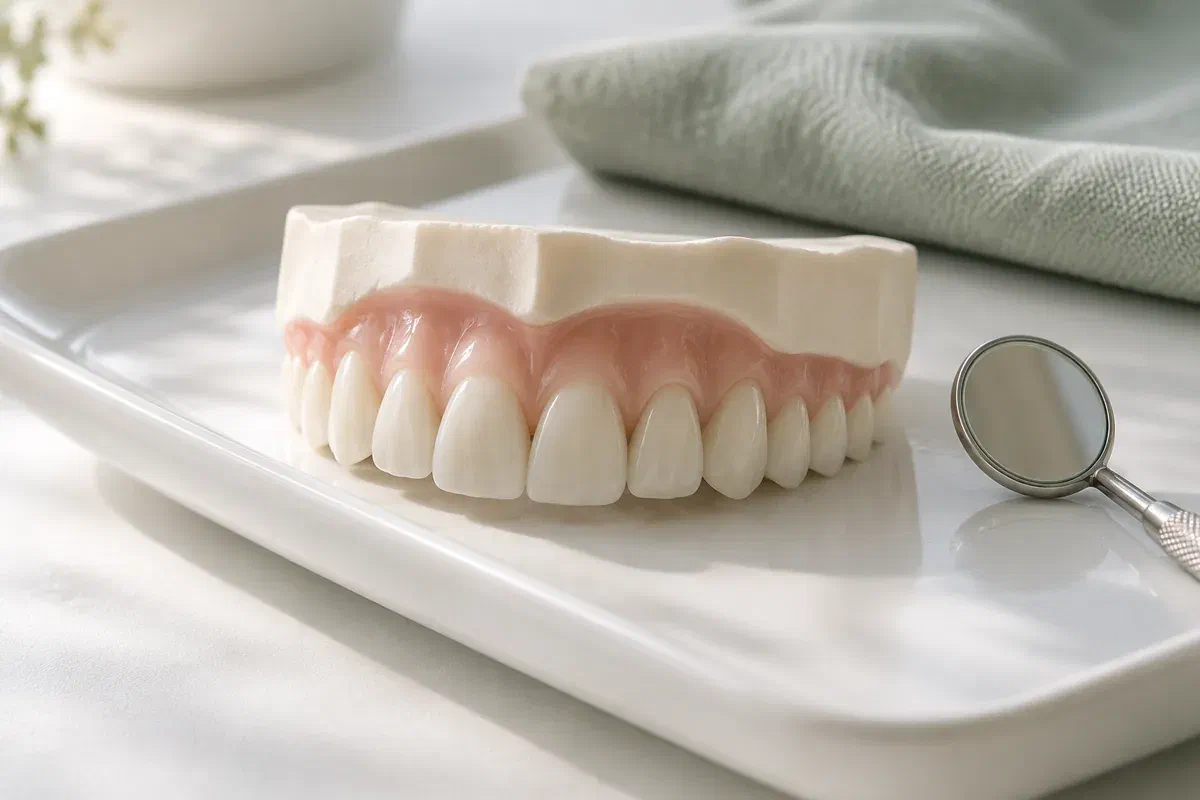
Illustrative upper front-teeth model showing natural edge shapes beside a dental mirror
What may explain it

It could be shape, a chip, or slow wear.

Different causes need different advice. Tell us whether the edge has always felt this way, changed after an injury, or seems to be wearing along with other teeth.

A slightly longer or uneven edge

Point out the single tooth instead of asking for all of them to be levelled. The clinician considers whether a gentle refinement would help and how it would change the way the front teeth line up. Some variation is completely normal.

A ridge that drags or catches

Mention when it began and whether you bit something hard, took a knock, or lost part of a filling. A smoother edge is reasonable to want, but the cause needs finding first, since a crack calls for more than smoothing.

Wear, clenching or tender teeth

Share any sensitivity, grinding, erosion or earlier reshaping. These affect how much enamel can sensibly be spared. The examination might show that protecting the edge is a better use of the visit than changing it.

It’s tempting to tidy a rough edge with whatever is in the toolbox or bathroom drawer, but please don’t. Enamel removed at home is gone for good, and only a professional assessment should decide on any change.

What you might gain

Smoother biting, kept within safe limits

Where a tooth is suitable, a careful recontour may take the drag out of a small ridge or level a slightly uneven edge without any filling or veneer. That can make eating feel more natural. Because sound enamel is removed permanently, the change needs a clear reason and a limit agreed before starting.

The visit may also end with the advice to leave the edge as it is, especially if it plays an important role in your bite. If you want more than a modest change, another approach may protect the tooth better. Ask what is realistic for your teeth.

Patient information: Cleveland Clinic — enameloplasty and limited tooth contouring · Clinical report — conservative recontouring and composite alternatives

An agreed spot, clearly pointed out

Ask the clinician to show you which tooth and surface would be involved. A shared description of one feature gives a much better plan than a general request to make the front teeth even.

A fair look at adding material

One edge may feel long only because the tooth beside it is short or chipped. Ask whether building up the shorter tooth would suit better than reducing the longer one, and what each means for your bite.

A bite that still works well

Consider how the change would affect chewing and biting, not just appearance. Levelling every edge to the shortest one is rarely a good idea. A very slight refinement can be the most sensible choice.

What the visit involves

Bite check, plan, refinement, recheck

Whether recontouring is appropriate is decided by examination. Ask how the clinician will assess the enamel and your bite, and what other routes remain if removal isn’t advised.

  1. Describe how and when you notice the edge

    Explain what happens when you bite, along with any injury, sensitivity, grinding or earlier reshaping. The clinician examines your teeth and how they meet, and reviews records. A recent break is assessed differently from a lifelong shape.

  2. Agree on the change and its boundaries

    Ask what would be refined and what would stay. Discuss permanence, possible sensitivity and alternatives. The extent is settled before treatment and not extended step by step toward perfect evenness.

  3. Refine the selected area, where suitable

    If you go ahead, suitable dental instruments are used on the agreed spot only. Mention discomfort or ask for a pause at any time. The plan sets the limit, not how much you are prepared to put up with.

  4. Polish and test your bite again

    The edge is polished and the clinician checks how your teeth meet now. Try a gentle bite and mention anything that still drags or feels odd. Confirm aftercare and the symptoms that should prompt a call.

Back to normal routines

Care for it as you would any healthy tooth.

Stick with the advice you were given. Reshaping alone leaves no new restoration to look after, so the focus is everyday cleaning, sensible eating habits and regular checkups.

Brush gently, with fluoride toothpaste

Keep brushing and cleaning between teeth as you’ve been shown. Extra force on the refined edge won’t smooth it further. Ask for advice if sensitivity makes cleaning uncomfortable.

Use your teeth for food only

Biting twine, packaging, pens or ice can chip an edge. Mention any such habits, since they may explain earlier wear. If protection or further assessment was suggested, keep to that plan.

Call before driving in about lingering symptoms

If sensitivity continues, worsens or makes eating difficult, or your bite feels different, phone to describe it first. We can advise whether you need to come in. Further adjustment waits until the cause is known.

Patient information: Cleveland Clinic — tooth enamel and its protection

Choosing a route

More than one way to even out a bite

Ask how each option deals with your concern and suits the condition of your teeth. A good decision is one whose effects on eating and appearance you understand.

For a small edge difference the bite can tolerate

Carefully limited enamel recontouring

A slight refinement is possible when enough enamel remains and the bite allows. Discuss what you expect and where the work stops. It cannot lengthen a short tooth or straighten crowding by removing extra surface.

For a chipped or short edge

Composite bonding or a local repair

Bonding adds material where structure is missing. Ask about preparation, shaping and care, and how a bonded edge copes with biting forces. It changes the tooth differently from reshaping.

For a position or wear-related difference

Orthodontic advice, further checks, or no change

A tooth that sits out of line, progressing wear or a chip with no clear cause may need a different assessment. A stable, healthy edge can be left alone. Ask what would be watched.

Questions from the chair

Reshaping edges that you bite with

A small change to a working tooth deserves a clear answer. Ask about the particular edge, how much would change and every alternative.

(905) 876-4488
Why does one front tooth seem to hit food first?
It may be slightly longer, positioned differently, or its neighbours may have worn. The clinician checks your bite and tooth positions to work out which, before any change is suggested.
Will recontouring change how I bite into food?
A very limited refinement is intended to feel natural, but front edges help guide your bite, so it is checked before and after. Ask how the planned change would affect biting.
Can several family members be seen on the same day from Erin?
Ask when booking. Where schedules allow, we can try to arrange appointments close together so households travelling in from Erin can make fewer trips.
Is enamel replaced after it is removed?
No. Enamel does not regrow. Fluoride and careful cleaning help protect the remaining enamel, but the original edge isn’t restored, so the amount is agreed first.
Can a bonded edge be reshaped later if needed?
Bonded material can often be adjusted or repaired, unlike removed enamel which can’t be restored. Ask how bonding and recontouring compare for future changes to your tooth.
What should I do if the edge chips while I’m eating?
Keep any piece if you can, avoid biting on the tooth and call for advice. A new chip needs assessing, and painful symptoms or swelling may need urgent care.
Planning from Erin

Book once, and bring your questions.

Set up an assessment at our Bronte Street practice for an edge that bites unevenly or another small shape concern. We will examine how your teeth meet, review the enamel and explain each reasonable option.

Every tooth is assessed individually. Removing enamel is permanent, and some concerns are better met with bonding, another approach or no treatment.

Visit Milton Dental Clinic
Unit 1, 342 Bronte St. S, Milton, ON L9T 5B7
Get directions Clinic hours
Monday–Thursday
11am–7pm
Friday–Sunday
By appointment only

Areas we serve

  • Milton
  • Oakville
  • Mississauga
  • Georgetown
  • Halton Hills
  • Acton
  • Campbellville
  • Brampton
  • Burlington
  • Puslinch
  • Rockwood
  • Erin
  • Caledon
  • Etobicoke
  • Old Milton
  • Bronte Meadows
  • Timberlea
  • Dorset Park
  • Dempsey
  • Clarke
  • Beaty
  • Coates
  • Harrison
  • Scott
  • Willmott
  • Ford
  • Bowes
  • Cobden
  • Walker
  • Mountain View
  • Milton Heights
  • Hawthorne Village
  • Valley View
  • Fallingbrook
  • Nassagaweya
  • Trafalgar
  • Esquesing
  • Nelson
  • Brookville
  • Moffat
  • Glen Williams
  • Norval
  • Limehouse
  • Stewarttown
  • Ashgrove
  • Hornby
  • Silver Creek
  • Speyside
  • Scotch Block
  • North Oakville
  • River Oaks
  • Glen Abbey
  • West Oak Trails
  • Palermo
  • Bronte Creek
  • College Park
  • Joshua Creek
  • Uptown Core
  • Preserve
  • Iroquois Ridge
  • Lisgar
  • Meadowvale
  • Meadowvale Village
  • Churchill Meadows
  • Erin Mills
  • Central Erin Mills
  • Streetsville
  • East Credit
  • Creditview
  • Heartland
  • Sheridan
  • Mount Pleasant
  • Credit Valley
  • Huttonville
  • Churchville
  • Springbrook
  • Northwest Brampton
  • Bram West
  • Fletcher's Meadow
  • Fletcher's Creek South
  • Alton Village
  • Orchard
  • Millcroft
  • Headon Forest
  • Tansley
  • Brant Hills
  • Tyandaga
  • Kilbride
  • Lowville
  • Aberfoyle
  • Morriston
  • Arkell
  • Hillsburgh
  • Freelton
  • Carlisle
  • Waterdown
  • Flamborough
  • Mountsberg

How can we help?

Milton Dental Clinic

Have a question about your smile? Choose the option that works best for you.

For urgent dental concerns, please call.
Messages are reviewed during clinic hours.