

Illustrative patient discussing a tooth-shape question with a dental clinician
Cosmetic Dentistry

Enamel Reshaping in Caledon

Perhaps someone has already suggested reshaping a tooth, and you would like to understand the idea before agreeing. From Bolton or elsewhere in Caledon, you can bring that suggestion to us, have the tooth examined and talk through what is proposed, what it would change and what else could work.

Caledon · weighing a suggestion

What exactly would be changed, and why?

A suggestion to “just smooth that tooth a little” can come up during a cleaning, a cosmetic consultation or a conversation with a friend. It sounds minor, and sometimes it is. Still, any plan that removes enamel deserves a clear explanation before you say yes.

The procedure goes by several names, including enamel reshaping, recontouring and enameloplasty. It refines a suitable surface by taking away a small amount of outer enamel. It does not add material, and the change is permanent. It can suit some minor features on healthy teeth, but not stains, decay, damaged restorations or crowding, and teeth that are already worn may need protecting instead.

When you bring a proposal to us, the clinician can examine the tooth and explain what they see. You can compare the suggestion with alternatives such as bonding, orthodontic advice or simply leaving a healthy shape. Taking a second look at a permanent decision is never a waste of time.

Get a second look at a proposal
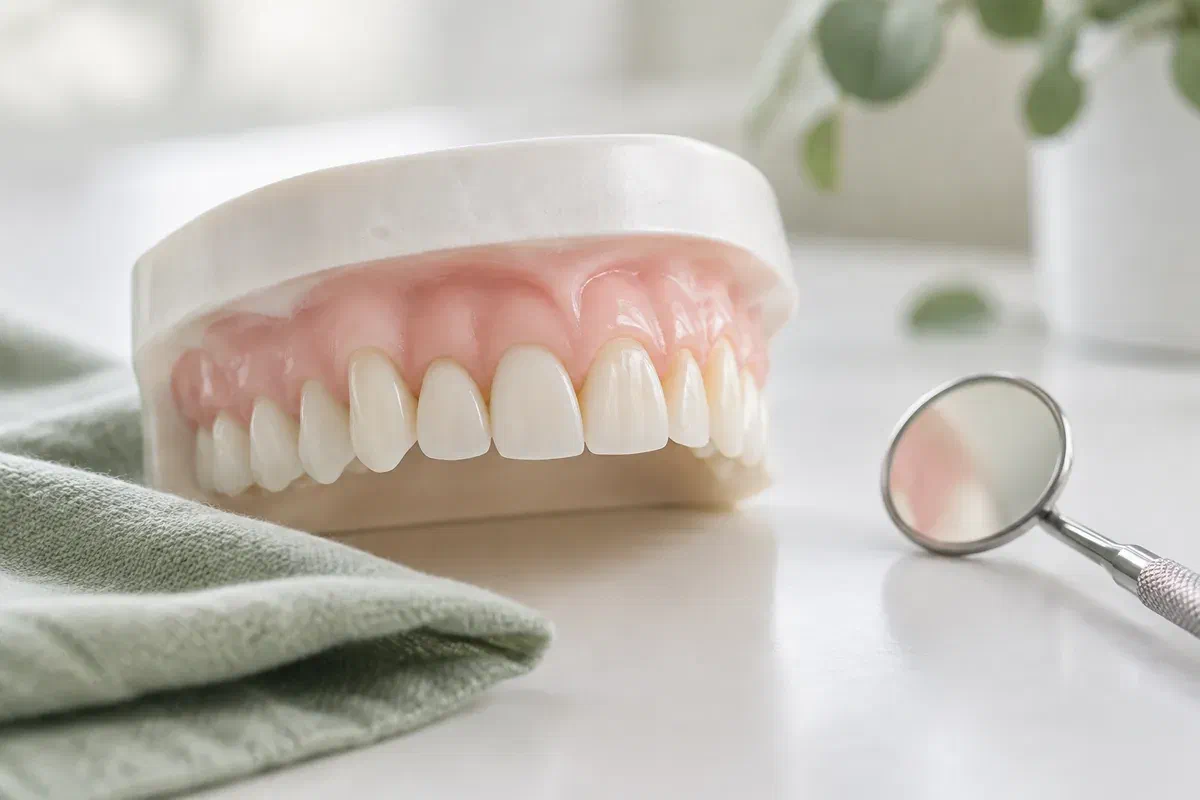
Illustrative upper-teeth teaching model showing modest natural variation in tooth corners
Bring what you were told

Notes, photos and questions all help

Share what was suggested, by whom and why, alongside what you notice yourself. That context lets the clinician give a useful opinion.

A contour someone suggested refining

Point out the tooth and repeat what was proposed. The clinician can say whether the feature is a healthy natural shape, how much change would be involved and how it might affect proportions. You may decide the shape is worth keeping.

A roughness you were told could be polished

Explain when it began and whether it relates to past work. Polishing a restoration and reshaping enamel are different things. The surface has to be identified so you know which is actually being suggested.

Worn edges, chips or sensitivity

Mention grinding, acidic drinks, past erosion or teeth that react to cold. Removing enamel from a tooth that is already losing it may be unwise. Prevention, repair or looking for the cause may be a better first step.

Whatever was suggested, please do not try to make the change yourself in the meantime. Home filing can alter the tooth before anyone has assessed it properly.

What a good proposal looks like

Specific, modest and clearly explained

A sound reshaping plan names one or two surfaces, describes the change in plain terms and explains why that tooth can afford it. For the right tooth, a small refinement may avoid any new material. It should never be presented as a fix for colour, decay or alignment.

Since the change cannot be undone, a proper explanation of its limits is part of what makes it worthwhile. You should be able to compare the expected improvement with the risks and decide calmly. Being told that a healthy feature can stay as it is counts as good advice too.

Patient information: Cleveland Clinic — enameloplasty · Clinical report — selective enamel reduction and aesthetic planning

The exact surface involved

Ask which tooth and which part of it would be changed, and how that matches your concern. Vague plans make it hard to know what you are agreeing to. Say if comfort is your priority.

An honest boundary

Check whether your hoped-for look would take more than a minor adjustment. If it would, alternatives deserve discussion before enamel is touched. A proposal should not grow because a more striking result sounds appealing.

A view of your whole mouth

Mention retainers, guards, crowns, recent fillings and treatment planned elsewhere. Even a small change can affect contacts and appliances. The team can say whether to coordinate or wait.

How we review it

Examine, explain, compare, then decide

Ask when booking what the visit will cover and whether treatment could follow on the same day if you choose. Sometimes a review leads to records, a further opinion or a different plan.

  1. Assess the tooth independently

    The clinician examines the surface, nearby teeth and your bite and listens to your history and the suggestion you received. Images may be recommended when they would answer a particular question. Mention any home attempts to alter the tooth.

  2. Explain the options side by side

    You talk through whether reshaping suits, that it is permanent and what it could achieve, alongside other routes. Ask about sensitivity and which option preserves the most tooth. You decide only when the comparison is clear.

  3. Proceed with the agreed refinement, if chosen

    If reshaping is suitable and you decide to go ahead, the selected surface is adjusted with dental instruments. Agree on a signal to pause. Mention any discomfort rather than tolerating it.

  4. Finish and confirm the result

    The area is polished and the way your teeth meet is checked. Describe the new edge in your own words, and leave crunchy or hard foods for later rather than putting it to the test. You will hear about aftercare and how to reach the clinic if a question comes up once you are home.

After a reshaping visit

Keep it simple and stay observant

Follow the guidance given for the work performed. If bonding or another procedure was included, ask which extra care applies.

Gentle cleaning with fluoride

Brush softly with fluoride toothpaste and clean between teeth as recommended. A surface that feels different does not need extra scrubbing. If sensitivity lingers, ask before switching to harsher products.

Follow through on any wear plan

If grinding, erosion or another factor was spotted, its management still matters. Ask about referrals or follow-up if they came up. A refined outline does not stop continuing surface loss.

Report a bite or comfort change

If one tooth starts to feel out of step with the others, describe where and in what situations. The surface, contacts or another cause may need checking. More reduction should not be the automatic response.

Patient information: American Dental Association — recognising and managing dental erosion

Comparing what is on the table

Is reshaping the best fit, or one of several?

A useful comparison starts by asking what each option actually does: take away sound enamel, put back what has been lost, or tackle a cause elsewhere. A procedure’s name is not the same as a diagnosis, and the suggestion you received may still turn out to be the right one.

Suited to a minor contour on a sound tooth

Limited reshaping of healthy enamel

A defined reduction may work for a small feature if the tooth has enough enamel and your bite leaves room. Request a description of what stays untouched and how noticeable the change will be. A good plan does not rely on taking more off over repeated visits.

Suited to chips, short edges or damage

Bonding or another restoration

Where structure is missing, adding material may serve the tooth better. Discuss the size of the area, the tooth that remains and the upkeep involved. Repair aims to restore rather than refine.

Suited to position concerns or healthy features

Orthodontic advice, investigation, or no change

A difference caused by tooth position may need orthodontic input, and an unexplained change may need further assessment. A stable, healthy feature can be left. Ask how each alternative meets your concern.

Caledon questions about proposals

Before you agree to a reshaping plan

General answers for anyone weighing up a suggestion. The clinician will apply them to your tooth.

(905) 876-4488
Is it reasonable to get a second opinion on a minor cosmetic change?
Yes. Because enamel removal is permanent, it is sensible to understand a proposal fully, and a second look can confirm or clarify it. Bring any notes, photos or records you have.
What questions should I ask before agreeing to reshaping?
Ask which surface would change, by roughly how much, why the tooth can afford it, what the risks are and what alternatives exist. You should also know what happens if you decide not to proceed.
How does reshaping compare with veneers for changing a tooth’s shape?
They are very different. Reshaping removes a small amount of enamel for a minor change, while veneers cover the front of a tooth and involve their own planning and upkeep. The clinician can explain which, if either, suits your goal.
Can a crowned tooth be reshaped the same way?
A crown is not natural enamel, so adjusting it is a different matter. The clinician will check the crown and explain whether polishing, adjustment or another step is appropriate.
Could part of the plan involve bonding a neighbouring tooth instead?
Sometimes balancing a smile works better by adding to one tooth than removing from another. Ask which approach changes less natural tooth and what upkeep each involves.
Can family members from Caledon book their visits on the same day?
Ask the front desk when you call. Arranging appointments close together can make a longer trip easier for a household. Mention the days that work best for you.

Patient information: American Dental Association — fluoride and enamel protection

From Caledon

Understand the plan before you commit

Reach our Bronte Street practice by phone or online to arrange a review of a reshaping suggestion or a tooth you are unsure about. We will examine it, explain what reshaping could and could not do and compare the alternatives.

Enamel reshaping and recontouring are overlapping terms. Suitability is assessed tooth by tooth, and removed enamel does not regrow.

Visit Milton Dental Clinic
Unit 1, 342 Bronte St. S, Milton, ON L9T 5B7
Get directions Clinic hours
Monday–Thursday
11am–7pm
Friday–Sunday
By appointment only

Areas we serve

  • Milton
  • Oakville
  • Mississauga
  • Georgetown
  • Halton Hills
  • Acton
  • Campbellville
  • Brampton
  • Burlington
  • Puslinch
  • Rockwood
  • Erin
  • Caledon
  • Etobicoke
  • Old Milton
  • Bronte Meadows
  • Timberlea
  • Dorset Park
  • Dempsey
  • Clarke
  • Beaty
  • Coates
  • Harrison
  • Scott
  • Willmott
  • Ford
  • Bowes
  • Cobden
  • Walker
  • Mountain View
  • Milton Heights
  • Hawthorne Village
  • Valley View
  • Fallingbrook
  • Nassagaweya
  • Trafalgar
  • Esquesing
  • Nelson
  • Brookville
  • Moffat
  • Glen Williams
  • Norval
  • Limehouse
  • Stewarttown
  • Ashgrove
  • Hornby
  • Silver Creek
  • Speyside
  • Scotch Block
  • North Oakville
  • River Oaks
  • Glen Abbey
  • West Oak Trails
  • Palermo
  • Bronte Creek
  • College Park
  • Joshua Creek
  • Uptown Core
  • Preserve
  • Iroquois Ridge
  • Lisgar
  • Meadowvale
  • Meadowvale Village
  • Churchill Meadows
  • Erin Mills
  • Central Erin Mills
  • Streetsville
  • East Credit
  • Creditview
  • Heartland
  • Sheridan
  • Mount Pleasant
  • Credit Valley
  • Huttonville
  • Churchville
  • Springbrook
  • Northwest Brampton
  • Bram West
  • Fletcher's Meadow
  • Fletcher's Creek South
  • Alton Village
  • Orchard
  • Millcroft
  • Headon Forest
  • Tansley
  • Brant Hills
  • Tyandaga
  • Kilbride
  • Lowville
  • Aberfoyle
  • Morriston
  • Arkell
  • Hillsburgh
  • Freelton
  • Carlisle
  • Waterdown
  • Flamborough
  • Mountsberg

How can we help?

Milton Dental Clinic

Have a question about your smile? Choose the option that works best for you.

For urgent dental concerns, please call.
Messages are reviewed during clinic hours.