

Illustrative patient discussing a tooth-shape question with a dental clinician
Cosmetic Dentistry

Enamel Reshaping in Campbellville

Not every uneven tooth needs changing. For households in Campbellville, an assessment can confirm whether a feature is simply natural, whether a small enamel reshaping step would genuinely help, or whether repair or leaving it alone is the wiser plan, ideally in one well-planned trip.

Campbellville · is a change needed?

Sometimes the right amount of change is none

Natural teeth are rarely identical. Corners differ, tips vary in length, and a canine may look a little more pointed on one side than the other. Many of those differences are perfectly healthy and part of what makes a smile look natural rather than uniform.

Enamel reshaping, also called recontouring or enameloplasty, can refine a suitable surface by removing a small amount of enamel. It is useful for some minor features, but it is permanent and adds nothing back. How much can be changed depends on the thickness of the enamel and the way your teeth meet. That makes the first question less about how to change a tooth and more about whether it needs changing at all.

A consultation gives you an honest view. The clinician can explain what the feature is, what a small change would look like and what leaving it would mean. If you do go ahead, a little planning on the phone can help combine assessment and treatment into fewer trips.

Ask whether a change is worthwhile
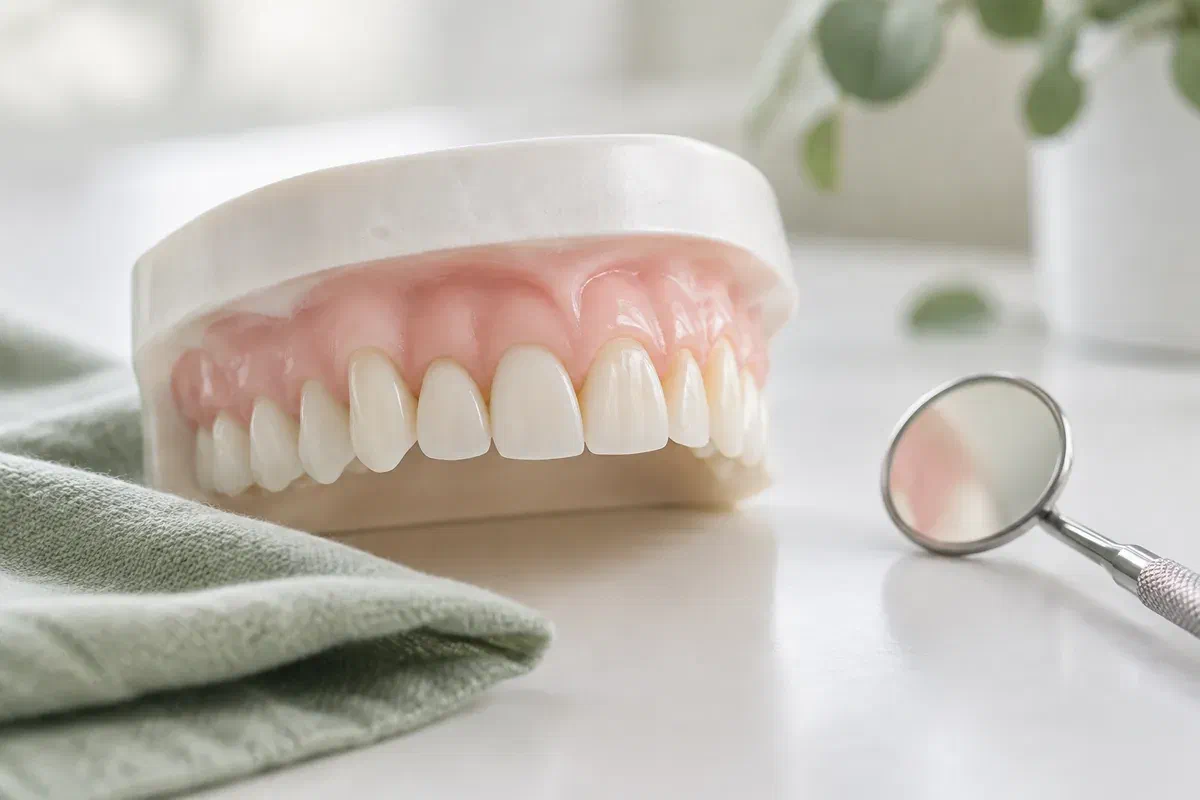
Illustrative upper-teeth teaching model showing modest natural variation in tooth corners
Things to bring up

Separating a preference from a problem

Some concerns are about appearance, others about damage. Sharing what you notice helps the clinician tell which is which.

A tooth shape you have always disliked

Show which tooth and explain what bothers you. Long-standing shapes are often healthy natural contours. The clinician can tell you how a reduction would change proportions, and whether the difference would be as noticeable to others as it is to you.

A surface that has recently become rough

Say when it changed and whether anything happened around that time. New roughness is more likely to involve a chip, worn enamel or a restoration than a shape preference. It deserves a look before any smoothing is discussed.

Wear, sensitivity or repeated chips

Mention grinding, acidic drinks, past erosion or teeth that react to cold. Those suggest enamel that needs protecting. Removing more may be unwise, and prevention or repair could be the better step.

A minor difference is never worth a home attempt. Files and abrasives can do lasting damage to a tooth that may not have needed any change.

If you decide to go ahead

One small, deliberate improvement

On a suitable tooth, limited reshaping can sometimes refine a minor contour without adding any material, so there is no restoration to maintain. The goal should be specific and modest. It is not a way to whiten, treat decay or straighten crowded teeth.

Removed enamel stays removed, so the consultation is valuable whatever you decide. You can weigh a likely change against its risks. Many people leave reassured that a feature is healthy and choose to keep it, and that is a good outcome.

Patient information: Cleveland Clinic — enameloplasty · Clinical report — selective enamel reduction and aesthetic planning

A specific spot, agreed together

Make sure you and the clinician mean the same surface and the same goal, ideally while looking at the tooth together in a mirror. That keeps expectations realistic. If you are more interested in comfort than appearance, say so.

A clear line on what is possible

Ask whether the look you want would take more than a small adjustment. If it would, other options should be explained before enamel is removed. A procedure should not grow simply because a larger change sounds tempting.

Planning around the rest of your care

Mention guards, retainers, recent fillings and any treatment planned elsewhere. A change to one tooth can affect others and any appliance. The team can advise on coordinating or waiting.

What to expect

An assessment first, with no pressure to proceed

Ask ahead what the visit covers and whether treatment could follow on the same day if you decide. The examination may suggest records, another visit or a different procedure.

  1. Look at the feature in context

    The clinician examines the tooth, its neighbours and your bite, and asks about your history. X-rays or photos may be recommended when they would settle a particular question. Mention any home attempts to change the tooth.

  2. Weigh change against no change

    You talk through whether a refinement would really help, how lasting the change would be and how much difference it might make. Ask about sensitivity and whether bonding or monitoring would serve you better. You decide only once the options are clear.

  3. Make the agreed refinement, if chosen

    When reshaping suits and you want to proceed, the selected surface is adjusted with dental instruments. Agree on how you will indicate a pause. Mention discomfort rather than waiting it out.

  4. Polish and confirm the result

    The area is smoothed and the clinician checks how your teeth come together. You can run your tongue over it and tell us what you notice, but skip the nuts and hard crusts as a test. Before leaving, you will know the aftercare and how to reach the clinic.

Afterwards

Little changes, little fuss

Follow the specific advice you received. If reshaping was paired with bonding or another treatment, ask which extra care applies.

Carry on with gentle home care

Brush with fluoride toothpaste and a soft brush, and keep up the interdental cleaning recommended for you. No extra scrubbing is needed. If sensitivity hangs around, ask rather than switching to abrasive products.

Keep following any wear advice

If grinding, erosion or another factor was spotted, that plan still applies. Ask about referrals or follow-up if they were mentioned. A refined outline does not stop ongoing surface loss.

Phone if the bite or comfort changes

Describe which tooth feels different and when. A quick call can tell you whether a visit is needed, which saves an unnecessary trip. More reduction should not be the automatic fix.

Patient information: American Dental Association — recognising and managing dental erosion

All the options, including none

Refine, restore, or let it be

Clarify whether the aim is to alter healthy enamel, rebuild missing structure or address something different. The choice should come from the diagnosis, not a treatment name.

When a modest refinement genuinely helps

Limited enamel reshaping

A defined reduction may suit a minor feature where enamel and bite allow. Ask what will stay and how big the change will be. A sensible plan does not keep chasing natural variation.

When a tooth is chipped, short or damaged

Bonding or another restoration

Missing structure may need material added rather than more taken away. Talk about how large the damaged area is, how much natural tooth is left and what looking after the material involves over the years. A repair restores what was lost, which is a different job from refining a healthy outline.

When the feature is healthy or the cause unclear

Monitoring, further assessment, or no change

A natural, stable shape can simply be left and reviewed at check-ups. A position-related concern or unexplained change may need another assessment. Ask how each option answers your concern and what to watch.

Questions from Campbellville

Deciding whether to change a tooth at all

General answers about natural variation, waiting and planning visits. The clinician will relate them to your own teeth.

(905) 876-4488
Is it normal for my two front teeth to be slightly different shapes?
Yes, small differences are very common and usually healthy. Whether to change them is a matter of preference and suitability, not necessity. The clinician can explain what is natural and what, if anything, has changed.
Will an uneven tooth get worse if I leave it?
A stable natural shape generally does not. A tooth that is chipping, wearing or eroding may change over time, which is why the cause is assessed. Regular check-ups help track any change.
What are the downsides of reshaping a tooth that did not need it?
The main one is permanence: enamel removed cannot be replaced. There is also a possibility of sensitivity or a change in how teeth meet. That is why the option to leave a healthy feature alone is always discussed.
Can an appointment from Campbellville combine my check-up with a reshaping consultation?
Ask the front desk when booking. Grouping appointments can save trips for a rural household, and the clinician can say whether any treatment could be done on the same day. Regular hours run Monday to Thursday, with Friday to Sunday by appointment only, so mention the days that work best.
My uneven edge is actually part of an old filling. Does that change things?
Yes. Adjusting restoration material is different from reshaping enamel. The filling may need polishing, repair or replacement depending on its condition, so it will be examined first.
Could reshaping get rid of a yellowish patch on the tooth?
Generally not. Colour usually needs its cause assessed, and removing enamel may make the tooth look worse. Ask about options that address colour while preserving healthy structure.

Patient information: American Dental Association — fluoride and enamel protection

Enamel reshaping near Campbellville

Get an honest opinion on that tooth

Call our Bronte Street practice to book an assessment and mention if you would like to combine visits. We will explain whether reshaping would genuinely help, where its limits are and what the other options look like.

Reshaping and recontouring describe overlapping work. Each tooth is considered on its own merits, and removed enamel does not regrow.

Visit Milton Dental Clinic
Unit 1, 342 Bronte St. S, Milton, ON L9T 5B7
Get directions Clinic hours
Monday–Thursday
11am–7pm
Friday–Sunday
By appointment only

Areas we serve

  • Milton
  • Oakville
  • Mississauga
  • Georgetown
  • Halton Hills
  • Acton
  • Campbellville
  • Brampton
  • Burlington
  • Puslinch
  • Rockwood
  • Erin
  • Caledon
  • Etobicoke
  • Old Milton
  • Bronte Meadows
  • Timberlea
  • Dorset Park
  • Dempsey
  • Clarke
  • Beaty
  • Coates
  • Harrison
  • Scott
  • Willmott
  • Ford
  • Bowes
  • Cobden
  • Walker
  • Mountain View
  • Milton Heights
  • Hawthorne Village
  • Valley View
  • Fallingbrook
  • Nassagaweya
  • Trafalgar
  • Esquesing
  • Nelson
  • Brookville
  • Moffat
  • Glen Williams
  • Norval
  • Limehouse
  • Stewarttown
  • Ashgrove
  • Hornby
  • Silver Creek
  • Speyside
  • Scotch Block
  • North Oakville
  • River Oaks
  • Glen Abbey
  • West Oak Trails
  • Palermo
  • Bronte Creek
  • College Park
  • Joshua Creek
  • Uptown Core
  • Preserve
  • Iroquois Ridge
  • Lisgar
  • Meadowvale
  • Meadowvale Village
  • Churchill Meadows
  • Erin Mills
  • Central Erin Mills
  • Streetsville
  • East Credit
  • Creditview
  • Heartland
  • Sheridan
  • Mount Pleasant
  • Credit Valley
  • Huttonville
  • Churchville
  • Springbrook
  • Northwest Brampton
  • Bram West
  • Fletcher's Meadow
  • Fletcher's Creek South
  • Alton Village
  • Orchard
  • Millcroft
  • Headon Forest
  • Tansley
  • Brant Hills
  • Tyandaga
  • Kilbride
  • Lowville
  • Aberfoyle
  • Morriston
  • Arkell
  • Hillsburgh
  • Freelton
  • Carlisle
  • Waterdown
  • Flamborough
  • Mountsberg

How can we help?

Milton Dental Clinic

Have a question about your smile? Choose the option that works best for you.

For urgent dental concerns, please call.
Messages are reviewed during clinic hours.