
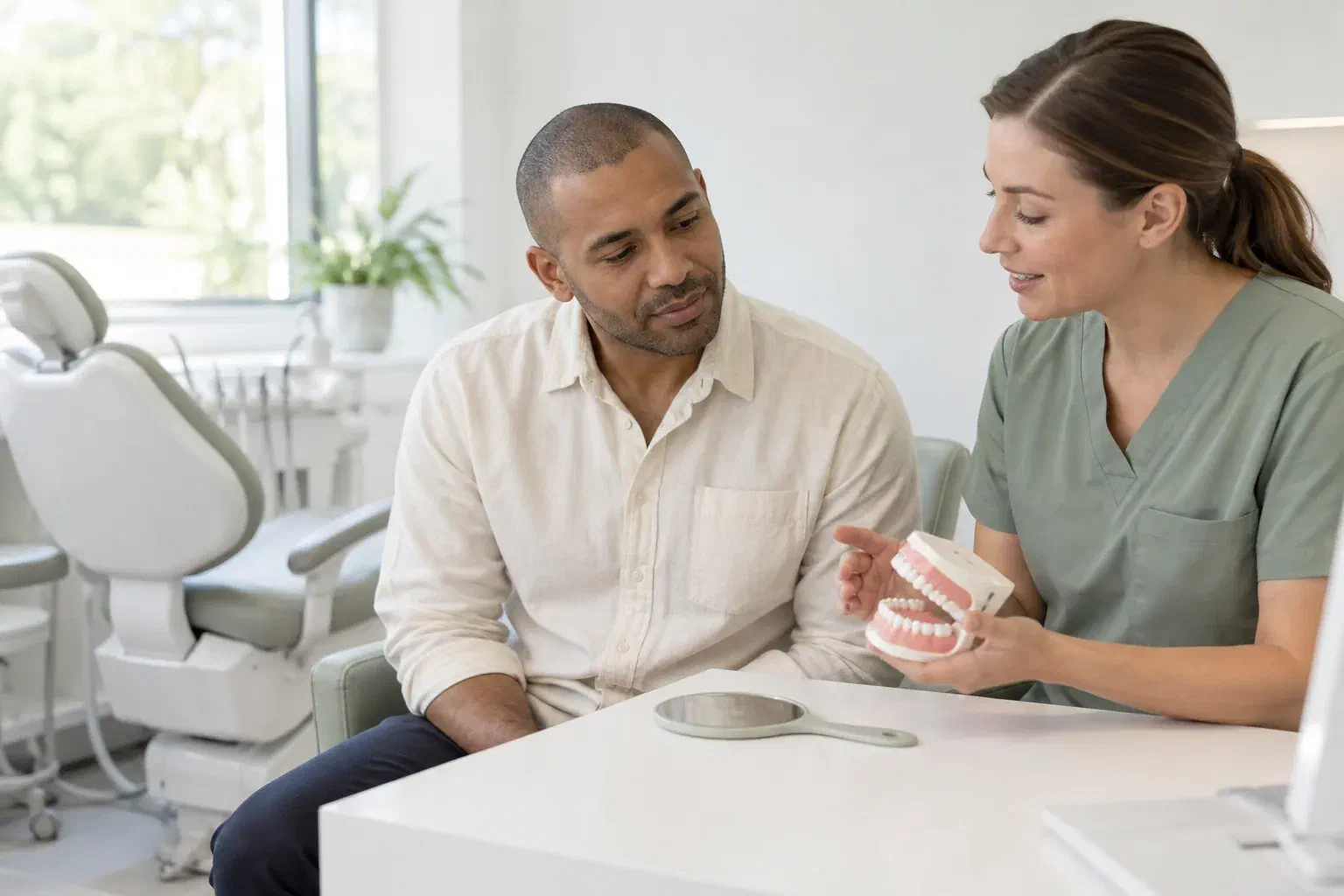
Illustrative patient discussing a tooth-shape question with a dental clinician
Cosmetic Dentistry

Enamel Reshaping in Erin

The edge you notice while brushing at night is often where this starts, and your routine at home matters long after any adjustment. From Erin or Hillsburgh, you can have the tooth assessed, learn whether limited enamel reshaping suits it, and leave with clear daily care.

Erin · it starts at the sink

Noticed while brushing, cared for every day after

Bathroom mirrors under bright light are unforgiving. Brushing before bed, you see one corner that looks sharper than its neighbour, or feel a ridge the bristles keep catching. That small observation is a good reason for a proper look, rather than a reason to reach for a nail file.

Dentists call the procedure enamel reshaping, recontouring or enameloplasty, and it refines a suitable surface by removing a small amount of outer enamel. Nothing is added, and the enamel taken away does not come back. That is why the decision depends on the tooth’s condition, your bite and the cause of what you noticed, which might be natural shape, wear, a chip or an old restoration.

It is also why home care deserves as much attention as the adjustment itself. Gentle brushing, fluoride and sensible habits protect the enamel that remains. In a consultation you can ask whether reshaping is appropriate, what the alternatives are and which daily routine would suit your teeth afterwards.

Ask about an edge you noticed
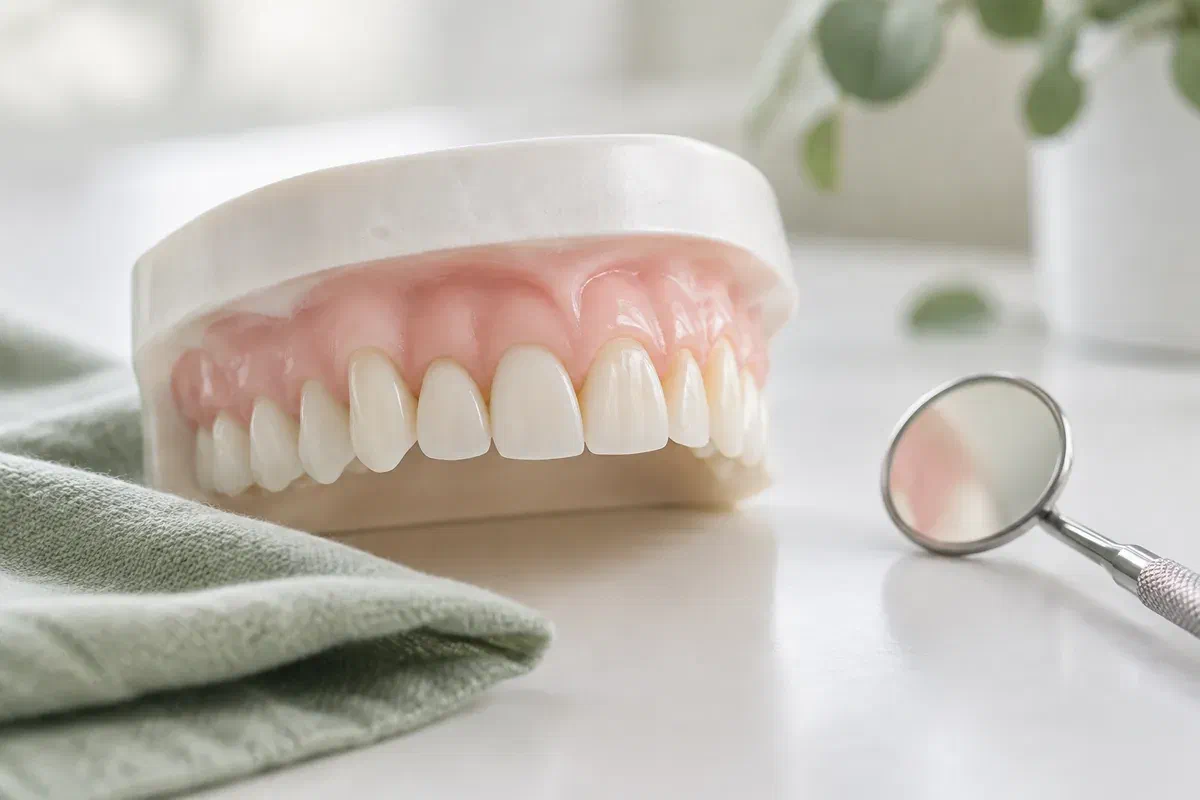
Illustrative upper-teeth teaching model showing modest natural variation in tooth corners
What to describe

Your routine tells part of the story

How you brush, what you drink and what you notice day to day all help the clinician understand the surface. Be as specific as you like.

A corner that looks more noticeable than the rest

Point to it and say what you would prefer. The clinician can explain whether it is a healthy natural outline and how a small reduction would alter it. Many people decide to keep a shape once they understand it is normal.

A ridge or rough spot your brush catches

Describe when it appeared and whether it followed dental work or a knock. A restoration edge, a small fracture or worn enamel can feel similar. The surface has to be identified before smoothing comes up.

Brushing habits, diet and sensitivity

Mention hard-bristled brushes, whitening pastes, frequent acidic or sparkling drinks, grinding or teeth that react to cold. These can wear enamel. Changing habits or protecting the tooth may come before any reshaping.

A file, emery board or gritty paste might seem like a quick fix at the sink. It is not. Home abrasion removes enamel that cannot be replaced.

Done carefully, it can help

A quiet improvement that leaves enough enamel behind

One appeal of reshaping is that, for the right tooth, there is nothing new to look after afterwards. A minor outline can occasionally be refined with no filling or bonding placed, so your usual brush and floss carry on as before. The aim needs to be narrow, such as easing one corner. Stains, cavities and crowding call for other treatments.

The trade-off is that every bit of enamel taken away stays gone. A good consultation gives you the time to set the expected improvement beside the risks, including possible sensitivity, before you agree. Plenty of people hear that a feature is healthy and simply decide to keep it, and that choice is respected.

Patient information: Cleveland Clinic — enameloplasty · Clinical report — selective enamel reduction and aesthetic planning

Clarity on the spot you saw in the mirror

Confirm the exact area being considered and how it matches what caught your eye at home. Looking at it together in a hand mirror can help. If your goal is a smoother feel under the brush rather than a new look, mention it.

Straightforward limits

Find out whether the result you have in mind would need more than a small adjustment. If it would, alternatives should be explained before enamel is removed. A tempting bigger change is no reason to extend treatment.

Linking with other care and appliances

Mention retainers, guards, recent fillings and treatment planned elsewhere. Small changes can affect contacts and the way an appliance sits overnight. The team can suggest coordinating with other care or waiting a while.

In the chair

Simple steps, explained as they happen

Ask when booking what the appointment covers and whether treatment could follow straight after the assessment. The clinician may instead suggest records, another visit or a different procedure.

  1. Look at the tooth and talk about your habits

    The clinician examines the surface, neighbouring teeth and your bite, and asks about brushing, diet and symptoms. Imaging might be recommended to answer a particular question. Mention any home attempt to smooth the tooth.

  2. Decide on the extent, or another route

    You discuss why a change is being considered, the fact that removed enamel stays removed, and the kind of result that is realistic. Ask about sensitivity and whether a different option would keep more enamel. Treatment waits until you are both clear.

  3. Refine the chosen surface

    If reshaping suits and you go ahead, the agreed area is adjusted with dental instruments. Arrange a signal for a pause. Mention any discomfort instead of waiting for it to pass.

  4. Polish, check and plan your routine

    The surface is smoothed, and how your teeth meet is checked. Share what your tongue notices, and save the crunchy snacks for another day. Before you leave, you will go over aftercare and the home routine that suits you.

Your home routine

Small habits that protect the result

Follow the specific instructions you were given. If bonding or another treatment was part of the plan, ask which additional care applies.

Soft bristles, fluoride, gentle pressure

Use a soft brush or a gentle setting on an electric brush, with fluoride toothpaste and the interdental cleaning recommended for you. Avoid scrubbing a surface just because it feels new. Ask before trying highly abrasive or whitening pastes.

Go easy on acid and grinding

If acidic drinks, reflux or grinding came up, the plan for them matters more than the cosmetic step. Sipping water after acidic drinks and wearing a guard if advised can help. A refined edge does not stop ongoing wear.

Notice changes and call early

If a tooth feels different, sensitivity lingers or your bite seems off, describe which tooth and when. A call may save a trip if a visit is not needed. More smoothing should not be the default response.

Patient information: American Dental Association — recognising and managing dental erosion

Alternatives worth knowing

Reshape, restore, or change the routine

Before choosing, check whether the plan would alter healthy enamel, rebuild missing structure or deal with the cause of wear. The diagnosis, not the procedure name, should lead, and for many people the most useful change turns out to be in the daily routine.

When healthy enamel can spare a little

Careful, limited reshaping

A small reduction may suit a minor feature where enamel and bite allow. Find out what will remain and what difference to expect. A good plan avoids removing a bit more each time a natural variation is noticed.

When a chip or short edge needs rebuilding

Bonding or another restoration

Adding material can restore lost structure. Ask about the size of the area, what tooth remains and the care the material needs at home. Repair has a different aim from refining healthy enamel.

When wear, position or an unknown cause is at play

Habit changes, investigation, or no change

Adjusting brushing, diet or grinding habits, or a further assessment, may address the concern better. A stable, healthy feature can be left and reviewed. Ask how each option answers your concern.

Everyday questions from Erin

Living with a reshaped tooth

Practical answers about home care, eating and long-term protection. Your clinician will adjust them to your situation.

(905) 876-4488
Is an electric toothbrush fine to use on a reshaped tooth?
Generally yes, used gently with a soft head. Let the brush do the work rather than pressing hard, and consider a model with a pressure warning if you tend to scrub. Ask if you have any sensitivity or if bonding was also placed.
Can I eat and drink normally after reshaping?
Usually you can, though some people prefer to avoid very cold foods if they notice sensitivity. If bonding was also done, ask whether any specific advice applies.
Should I stop using whitening toothpaste afterwards?
Some whitening pastes are fairly abrasive. Ask the clinician whether yours is suitable, especially if you have sensitivity, wear or erosion.
Will reshaping change how my floss slides between teeth?
If the adjustment is near a contact point, floss may feel slightly different. Mention anything that catches or shreds so the clinician can check the contacts.
What can I do day to day to protect the enamel I still have?
Brush gently with fluoride toothpaste, clean between teeth, limit frequent acidic drinks and wear a guard if one was advised. Regular check-ups help catch changes early.
Does fluoride varnish restore the bit that was reshaped?
No. Fluoride products help strengthen and protect remaining enamel, but they do not rebuild a removed contour. Treat the change as permanent when you decide.

Patient information: American Dental Association — fluoride and enamel protection

Coming in from Erin

Get the tooth checked and the routine sorted

Contact our Bronte Street practice to book an assessment of an edge or rough spot. We will explain whether reshaping suits, compare alternatives and talk through the home care that protects your enamel.

Reshaping and recontouring describe overlapping work. Suitability is judged tooth by tooth, and removed enamel does not grow back.

Visit Milton Dental Clinic
Unit 1, 342 Bronte St. S, Milton, ON L9T 5B7
Get directions Clinic hours
Monday–Thursday
11am–7pm
Friday–Sunday
By appointment only

Areas we serve

  • Milton
  • Oakville
  • Mississauga
  • Georgetown
  • Halton Hills
  • Acton
  • Campbellville
  • Brampton
  • Burlington
  • Puslinch
  • Rockwood
  • Erin
  • Caledon
  • Etobicoke
  • Old Milton
  • Bronte Meadows
  • Timberlea
  • Dorset Park
  • Dempsey
  • Clarke
  • Beaty
  • Coates
  • Harrison
  • Scott
  • Willmott
  • Ford
  • Bowes
  • Cobden
  • Walker
  • Mountain View
  • Milton Heights
  • Hawthorne Village
  • Valley View
  • Fallingbrook
  • Nassagaweya
  • Trafalgar
  • Esquesing
  • Nelson
  • Brookville
  • Moffat
  • Glen Williams
  • Norval
  • Limehouse
  • Stewarttown
  • Ashgrove
  • Hornby
  • Silver Creek
  • Speyside
  • Scotch Block
  • North Oakville
  • River Oaks
  • Glen Abbey
  • West Oak Trails
  • Palermo
  • Bronte Creek
  • College Park
  • Joshua Creek
  • Uptown Core
  • Preserve
  • Iroquois Ridge
  • Lisgar
  • Meadowvale
  • Meadowvale Village
  • Churchill Meadows
  • Erin Mills
  • Central Erin Mills
  • Streetsville
  • East Credit
  • Creditview
  • Heartland
  • Sheridan
  • Mount Pleasant
  • Credit Valley
  • Huttonville
  • Churchville
  • Springbrook
  • Northwest Brampton
  • Bram West
  • Fletcher's Meadow
  • Fletcher's Creek South
  • Alton Village
  • Orchard
  • Millcroft
  • Headon Forest
  • Tansley
  • Brant Hills
  • Tyandaga
  • Kilbride
  • Lowville
  • Aberfoyle
  • Morriston
  • Arkell
  • Hillsburgh
  • Freelton
  • Carlisle
  • Waterdown
  • Flamborough
  • Mountsberg

How can we help?

Milton Dental Clinic

Have a question about your smile? Choose the option that works best for you.

For urgent dental concerns, please call.
Messages are reviewed during clinic hours.