

Illustrative patient discussing a tooth-shape question with a dental clinician
Cosmetic Dentistry

Enamel Reshaping in Etobicoke

Making the trip from Etobicoke for a small cosmetic change is easier when you know what to expect. We help you plan a well-organised visit, explain whether limited enamel reshaping suits the tooth, and make clear when bonding, monitoring or care closer to home makes more sense.

Planning from Etobicoke

Make one visit count

When the journey is longer, you naturally want fewer trips and clear answers. That starts with understanding the treatment itself. Enamel reshaping, also known as recontouring or enameloplasty, removes a small amount of outer enamel to refine a suitable surface. Nothing is added, and the amount that can be changed is set by the tooth.

An uneven corner might be healthy natural shape, an old chip, worn enamel or the edge of a filling, and each needs a different response. Sometimes the examination confirms that a small refinement suits, and sometimes it points toward bonding, further assessment or leaving the tooth alone. Knowing this helps you plan realistically.

Call ahead to explain your concern and ask whether assessment and treatment might happen on the same day if the tooth proves suitable. Mention any recent dental records from another office. Even with a longer drive, there is no obligation to decide on the spot about a permanent change.

Plan a reshaping visit
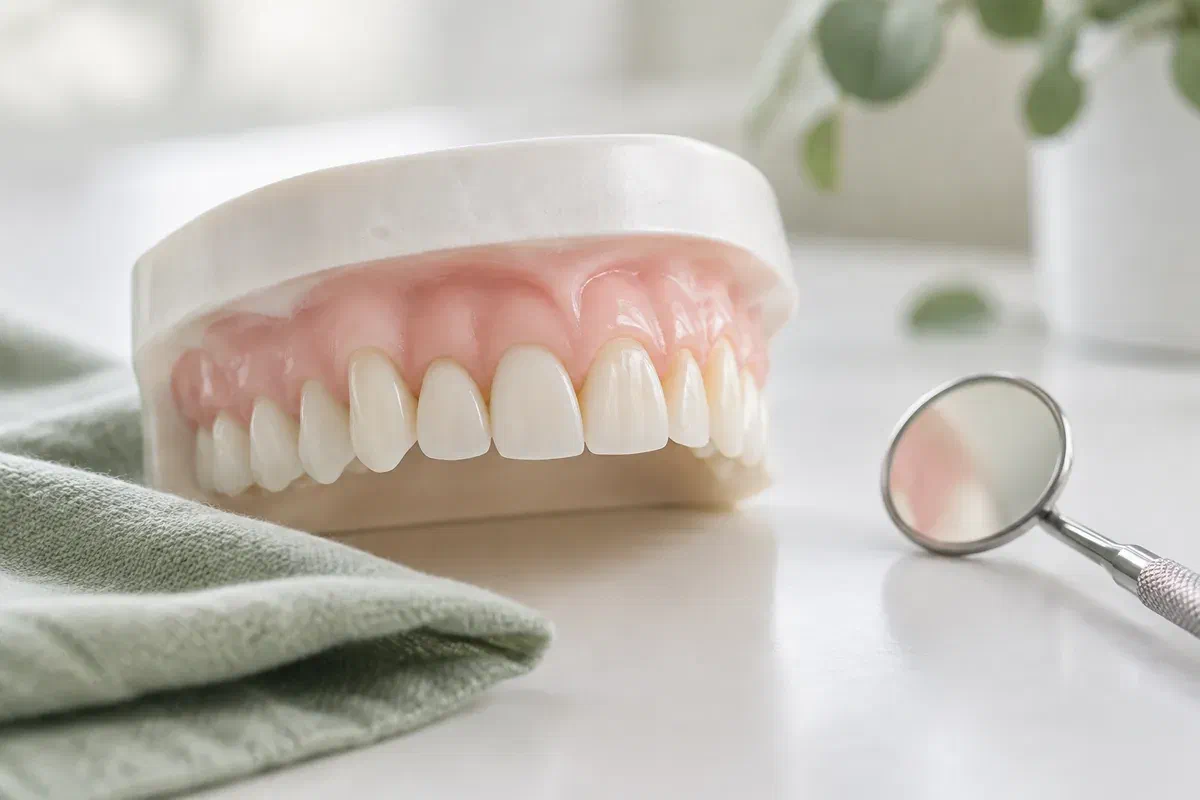
Illustrative upper-teeth teaching model showing modest natural variation in tooth corners
Before you set out

Gather a few details to bring with you

A clear description, plus any history from other dental offices, helps the clinician reach a decision in fewer appointments. Jot notes beforehand if that is easier.

The exact corner you would like softened

Note which tooth, and what bothers you about its shape. In the chair, the clinician can tell you whether the feature is a healthy natural contour and how altering it would affect proportions. You may decide the shape is worth keeping.

Any roughness, and when it started

Write down whether it followed dental work, appeared after a knock or developed gradually. A restoration edge, a fracture or worn enamel can all feel rough. Identifying which is present is the first step.

History of wear, chips or sensitivity

Record grinding, acidic drinks, earlier erosion, repeated chips or reactions to cold. When enamel is already thin, removing more may not be suitable. Protection, repair or looking into the cause may come first.

Waiting for an appointment can be frustrating, but avoid smoothing the tooth yourself in the meantime. Files and abrasives remove enamel unevenly and can complicate the plan.

Is the trip worthwhile?

A clear answer, even if it is “not yet”

For a suitable tooth, limited reshaping can sometimes deal with a minor contour without a new restoration, which may mean fewer follow-up visits to maintain material. The aim should be named precisely. It does not clear stains, treat decay or straighten teeth.

Enamel does not grow back, so a careful consultation has value on its own. You hear the likely change and the risks and can decide whether the improvement justifies them. A trip that ends with the advice to leave a healthy tooth alone is still a useful one.

Patient information: Cleveland Clinic — enameloplasty · Clinical report — selective enamel reduction and aesthetic planning

A surface you can both point to

Agree on the precise area and how it connects with your concern. That keeps expectations about size in line. If comfort rather than appearance is your goal, mention it.

Limits explained before any work

Ask whether the look you want would require more than a small adjustment. If so, discuss other options before enamel is removed. Making the trip worthwhile is never a reason to extend treatment.

Coordination with your regular dentist

If you see another dentist closer to home, mention any planned work, recent restorations, retainers or guards. A small change to one tooth can affect contacts and appliances. The team can suggest whether to coordinate or wait.

On the day

Assess, agree, refine, review

Ask when you book what the visit will include and whether treatment the same day is possible. The examination may still suggest records, another opinion or a different procedure.

  1. Examination and history

    The clinician looks at the surface, nearby teeth and your bite, alongside your symptoms and records. Further images may be recommended if they would answer a particular question. Share any attempt to alter the tooth at home.

  2. A shared decision

    You talk through why an adjustment is being considered, its permanence and its limits. Ask about sensitivity and whether another approach would preserve more structure. If you want time to think, it is fine to leave and decide later.

  3. The agreed refinement, if you proceed

    Where reshaping suits and you choose to go ahead, the selected surface is shaped with dental instruments. Set up a signal for a pause beforehand. Discomfort should be mentioned straight away, not quietly tolerated because you want to finish in one sitting.

  4. Polishing and a final check

    The area is smoothed and polished and your bite and contacts are rechecked. Describe how it feels without testing it on anything hard. Before you head home, make sure you know the aftercare and who to call.

Back home

Easy care, and knowing who to call

Follow the instructions for the work done. If bonding or another procedure was part of the plan, ask which extra care applies before you leave.

Keep your usual gentle routine

Brush with fluoride toothpaste using a soft brush and continue the interdental cleaning recommended. A surface that feels new does not need scrubbing. If sensitivity lingers, call for advice before buying stronger products.

Keep addressing any cause of wear

When grinding, erosion or another factor was found, that plan still matters, and your regular dentist can be part of it. Ask about referrals if they were mentioned. A new outline does not stop ongoing surface loss.

Phone before driving in

If the tooth feels different or your bite seems off, call first and describe which tooth and when. The clinician may advise whether a visit is needed. Further reduction should not be assumed to be the solution.

Patient information: American Dental Association — recognising and managing dental erosion

Alternatives to consider

The treatment should follow the cause

Confirm whether the aim is to alter healthy enamel, rebuild lost structure or handle a different problem. A cosmetic label is not a diagnosis.

Suited to a small contour on a sound tooth

Limited enamel reshaping

A defined reduction can work for a minor feature when enamel and bite allow. Ask what will stay and how much difference to expect. The plan should not involve returning to remove more until every natural difference disappears.

Suited to chips, short edges or damage

Bonding or another restoration

A tooth with missing structure may need material added rather than more removed. Discuss the defect, the remaining tooth and how the material is maintained, including whether upkeep could be shared with your regular dentist.

Suited to concerns reshaping cannot fix

Investigation, orthodontic input, or no change

A difference caused by position, or a surface change nobody can explain yet, may need another assessment. A stable, healthy feature can simply be observed. Ask how each option addresses the concern and what to keep watching.

Etobicoke visit questions

Planning ahead for a small change

Practical answers for a longer trip, plus a few common questions about reshaping itself.

(905) 876-4488
Could the assessment and the reshaping happen in a single trip from Etobicoke?
Sometimes, if the tooth proves suitable and you are ready to decide. Ask when booking whether time can be allowed for both. If records or further thought are needed, a second visit may still make sense.
What should I bring to my first appointment?
Bring a list of medications, notes about when you noticed the concern, details of any recent dental work and any retainer or guard you wear. Records from another office can help if you have them. A photo showing the difference that first caught your eye can also be a helpful starting point for the conversation.
Will I need a follow-up visit after reshaping?
Not always. Many small refinements need no planned review, but the clinician may suggest one depending on the work done. Ask before leaving, and call if anything feels different.
Who do I contact if the tooth feels sensitive once I am home?
Mild, temporary sensitivity can occur after enamel work. Call our office to describe it, especially if it is not settling, and note whether cold, sweet foods or biting set it off. Seek urgent care nearby for swelling, severe pain or a broken tooth.
Is local anaesthetic part of every reshaping appointment?
No. Small enamel adjustments may not need it, though this depends on the tooth and your comfort. Ask what you might feel and how to pause. Any surface that turns out not to be enamel may need a different approach.
If the rough part is on a filling from another dentist, can it still be looked at?
Yes. Adjusting or repairing a filling is not the same as removing natural enamel, and the clinician will first identify the surface. Polishing, repair or another option may suit, depending on its condition.

Patient information: American Dental Association — fluoride and enamel protection

Visiting from Etobicoke

Call first, travel once

Phone our Bronte Street practice to describe the tooth and plan a well-organised visit. We will assess the surface, explain where reshaping stops being sensible and compare the alternatives with you.

Reshaping and recontouring are overlapping terms. Suitability is assessed one tooth at a time, and removed enamel does not regrow.

Visit Milton Dental Clinic
Unit 1, 342 Bronte St. S, Milton, ON L9T 5B7
Get directions Clinic hours
Monday–Thursday
11am–7pm
Friday–Sunday
By appointment only

Areas we serve

  • Milton
  • Oakville
  • Mississauga
  • Georgetown
  • Halton Hills
  • Acton
  • Campbellville
  • Brampton
  • Burlington
  • Puslinch
  • Rockwood
  • Erin
  • Caledon
  • Etobicoke
  • Old Milton
  • Bronte Meadows
  • Timberlea
  • Dorset Park
  • Dempsey
  • Clarke
  • Beaty
  • Coates
  • Harrison
  • Scott
  • Willmott
  • Ford
  • Bowes
  • Cobden
  • Walker
  • Mountain View
  • Milton Heights
  • Hawthorne Village
  • Valley View
  • Fallingbrook
  • Nassagaweya
  • Trafalgar
  • Esquesing
  • Nelson
  • Brookville
  • Moffat
  • Glen Williams
  • Norval
  • Limehouse
  • Stewarttown
  • Ashgrove
  • Hornby
  • Silver Creek
  • Speyside
  • Scotch Block
  • North Oakville
  • River Oaks
  • Glen Abbey
  • West Oak Trails
  • Palermo
  • Bronte Creek
  • College Park
  • Joshua Creek
  • Uptown Core
  • Preserve
  • Iroquois Ridge
  • Lisgar
  • Meadowvale
  • Meadowvale Village
  • Churchill Meadows
  • Erin Mills
  • Central Erin Mills
  • Streetsville
  • East Credit
  • Creditview
  • Heartland
  • Sheridan
  • Mount Pleasant
  • Credit Valley
  • Huttonville
  • Churchville
  • Springbrook
  • Northwest Brampton
  • Bram West
  • Fletcher's Meadow
  • Fletcher's Creek South
  • Alton Village
  • Orchard
  • Millcroft
  • Headon Forest
  • Tansley
  • Brant Hills
  • Tyandaga
  • Kilbride
  • Lowville
  • Aberfoyle
  • Morriston
  • Arkell
  • Hillsburgh
  • Freelton
  • Carlisle
  • Waterdown
  • Flamborough
  • Mountsberg

How can we help?

Milton Dental Clinic

Have a question about your smile? Choose the option that works best for you.

For urgent dental concerns, please call.
Messages are reviewed during clinic hours.