

Illustrative patient discussing a tooth-shape question with a dental clinician
Cosmetic Dentistry

Enamel Reshaping in Halton Hills

Edges that look nicked or uneven are often a sign of grinding, clenching or acid wear rather than a shape problem. From anywhere in Halton Hills, you can have worn edges examined, learn whether a little reshaping is sensible, and hear why protecting enamel sometimes comes first.

Halton Hills · worn edges

Worn edges, and what they may be telling you

Tiny nicks along the biting edge, a front tooth that has gone slightly flat, a corner that feels sharp after you wake: these are everyday signs that enamel is being worn. Clenching at night, grinding under stress, acidic drinks and reflux can all contribute, sometimes without you noticing.

Enamel reshaping, also referred to as recontouring or enameloplasty, smooths or refines a suitable surface by removing a small amount of enamel. On a healthy tooth with a minor feature, that can tidy an outline. On a tooth that is already losing enamel, however, taking more away may leave it less protected, so the reason for the wear matters first.

An examination can separate a harmless shape from active wear and suggest what should happen next. That might be a limited refinement, a night guard, a repair with added material, or a period of watching. For someone in Georgetown, Acton, Glen Williams or one of the smaller Halton Hills hamlets, the first visit can simply be about understanding the cause. You can ask about each option and take time before choosing.

Have worn edges assessed
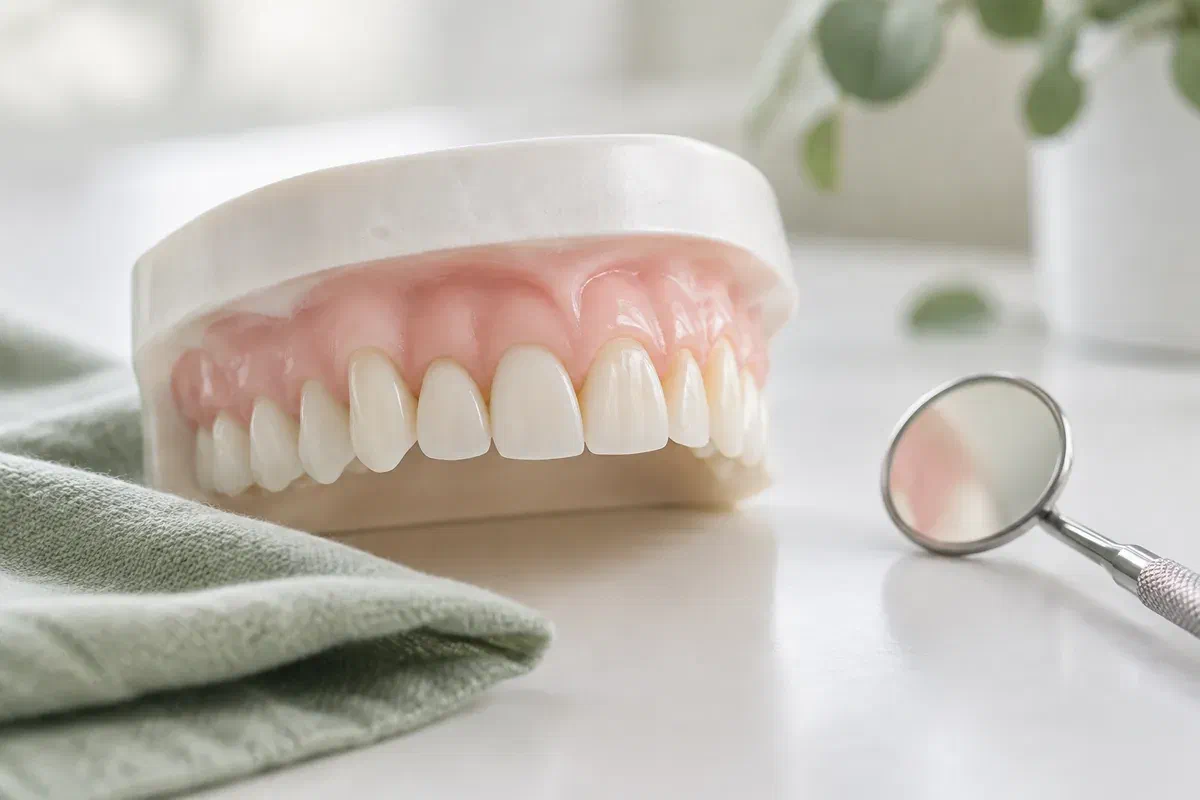
Illustrative upper-teeth teaching model showing modest natural variation in tooth corners
Clues worth sharing

How the edge changed matters as much as how it looks

Habits, symptoms and timing help the clinician tell wear from natural shape. Mention anything a partner, family member or previous dentist has pointed out.

A tip that looks uneven against the rest

Show which edge bothers you and describe what you would like. Some unevenness is simply natural. Other times one tooth has worn faster than its neighbours. The clinician can say which you have and whether refining it would suit the tooth.

Little sharp spots that come and go

Say whether they appear after a stressful week, on waking or after a hard bite. Tiny chips from grinding, a cracked filling and worn enamel can all feel sharp. Knowing the cause decides whether smoothing helps or whether something else is needed.

Flattening, thinning or cold sensitivity

Mention jaw tightness, grinding noises others have heard, sparkling or acidic drinks, reflux or teeth that react to cold. These point toward protecting enamel. Prevention, a guard or repair may be a better first step than reshaping.

A sharp nick can be tempting to file down yourself. Please do not. Home tools remove enamel that worn teeth can least afford to lose.

When reshaping does make sense

A small tidy-up, once the cause is under control

If a healthy edge has a small, stable irregularity, limited reshaping can sometimes smooth it without placing new material. The change should be modest and specific, such as softening one sharp point. It does not stop grinding, reverse erosion, remove stains or straighten teeth.

Because enamel is permanent, the most useful part of the visit is often understanding why the edge changed. Once the cause is clear, you can weigh any cosmetic gain against the risk of further thinning. Leaving a healthy, worn-looking tooth alone is still a reasonable decision.

Patient information: Cleveland Clinic — enameloplasty · Clinical report — selective enamel reduction and aesthetic planning

Clear agreement on the area

Confirm which edge is being considered and how that relates to what you feel or see. A precise description avoids surprises. If your main wish is for your tongue to stop catching a point, say so.

Honesty when wear needs more than smoothing

Ask whether your preferred result would require more than a small adjustment. Significant wear often suits added material instead. Any alternative should be explained before enamel is removed.

Linking with guards and other treatment

Tell the team about night guards, retainers, recent restorations and any plans elsewhere. A reshaped edge changes how a guard sits and how teeth meet. Sometimes the guard or other care should come first.

What happens at the clinic

Find the cause, then decide about the contour

Ask what the appointment covers and whether a same-day adjustment is possible. With wear, the examination often points first toward records, a guard or a different procedure.

  1. Look closely at the wear pattern

    The clinician examines the edges, nearby teeth and how your bite slides and meets, and asks about habits and symptoms. Records may be recommended if they would help track change over time. Mention any home filing.

  2. Talk through protection and the cosmetic goal

    You discuss whether a contour change is wise given the wear, that it is permanent and what it could realistically achieve. Ask about sensitivity and alternatives that keep more enamel. Treatment starts only with shared understanding.

  3. Refine a suitable edge if agreed

    Where the tooth suits reshaping and you decide to proceed, the agreed surface is shaped with dental instruments. Choose a signal to pause. Mention discomfort as soon as you notice it.

  4. Smooth, recheck and plan ahead

    The surface is polished and the clinician checks how your teeth meet in different movements. Say how it feels without biting on hard objects to test it. You will hear the aftercare and the plan for any ongoing wear.

Living with it

Protect the edge you have kept

Follow the guidance for your treatment. If a guard, bonding or other procedure is part of the plan, ask which care applies to each.

Clean gently and skip the whitening grit

A soft brush, fluoride toothpaste and the interdental cleaning recommended for you are enough. Highly abrasive pastes can add to wear. If sensitivity lingers or cleaning feels awkward, ask before changing products.

Wear the guard and manage acid exposure

If a night guard or diet changes were advised, they matter more than the cosmetic step. Ask your doctor about reflux if it was mentioned. A smoother outline will not stop wear that is still happening.

Notice a bite or ache that persists

Describe which tooth feels different and when, especially first thing in the morning. The surface, contacts or a clenching habit may need attention. Further reduction should not be the go-to answer.

Patient information: American Dental Association — recognising and managing dental erosion

Other paths for worn teeth

Smooth, rebuild, or protect and watch

Work out whether the goal is to refine healthy enamel, replace lost structure or slow the cause of wear. The answer should follow the diagnosis.

For a small, stable irregularity

Limited reshaping

A careful reduction can tidy a minor feature where enamel thickness and bite allow. Find out what will remain and how visible the change will be. The plan should not chase every new nick by removing a little more.

For edges that have lost length or structure

Bonding or another restoration

Worn or chipped edges may need material added to restore shape and protect the tooth. Ask about the size of the area, what tooth remains and the upkeep involved, particularly if grinding continues.

For wear that is still active or unexplained

A guard, investigation, or monitoring

Night guards, diet advice, medical input and regular review may address the cause better than any cosmetic change. A stable feature can be watched. Ask how each option meets your concern and what to look out for.

Wear and reshaping

Questions from people with worn edges

General answers about grinding, erosion and reshaping. Your own plan depends on what the examination finds.

(905) 876-4488
Does grinding my teeth rule out enamel reshaping?
Not automatically, but it changes the picture. Active grinding can keep wearing an edge, and removing enamel may not be wise until it is managed. The clinician will look at how much enamel remains and whether a guard should come first.
Can worn front teeth be built back up instead?
Often that is the more suitable direction. Bonding or another restoration can add length or shape where enamel has been lost. Ask about the options and the maintenance each one needs.
How can I tell the difference between erosion and grinding wear?
You usually cannot be sure on your own, and both can occur together. The clinician looks at where and how the enamel has been lost and asks about habits, diet and health. Knowing the cause shapes the advice.
Will a new night guard still fit if an edge is smoothed?
A small change may affect how a guard sits, since many guards are shaped closely around the biting edges. Bring it to the appointment so fit can be checked, and ask whether any adjustment is needed afterwards. If a new guard is planned, the order of the two steps is worth discussing.
Is it all right to smooth a sharp nick with a file until my appointment?
No. Even a few strokes can remove enamel unevenly. If a sharp edge is irritating your tongue or cheek, call for advice and mention it when you book. Avoiding very hard foods on that tooth in the meantime is sensible.
Will fluoride rebuild edges I have lost to wear?
No. Fluoride helps protect remaining enamel and supports repair of very early mineral changes, but it cannot replace lost length or shape. That is why prevention and protection matter.

Patient information: American Dental Association — fluoride and enamel protection

From Halton Hills

Understand the wear before you change the shape

Contact our Bronte Street practice to book an assessment of worn or uneven edges. We will look at the cause, explain whether reshaping makes sense and talk through guards, repairs and other options.

Enamel reshaping and recontouring overlap in meaning. Suitability is assessed tooth by tooth, and enamel that is removed does not grow back.

Visit Milton Dental Clinic
Unit 1, 342 Bronte St. S, Milton, ON L9T 5B7
Get directions Clinic hours
Monday–Thursday
11am–7pm
Friday–Sunday
By appointment only

Areas we serve

  • Milton
  • Oakville
  • Mississauga
  • Georgetown
  • Halton Hills
  • Acton
  • Campbellville
  • Brampton
  • Burlington
  • Puslinch
  • Rockwood
  • Erin
  • Caledon
  • Etobicoke
  • Old Milton
  • Bronte Meadows
  • Timberlea
  • Dorset Park
  • Dempsey
  • Clarke
  • Beaty
  • Coates
  • Harrison
  • Scott
  • Willmott
  • Ford
  • Bowes
  • Cobden
  • Walker
  • Mountain View
  • Milton Heights
  • Hawthorne Village
  • Valley View
  • Fallingbrook
  • Nassagaweya
  • Trafalgar
  • Esquesing
  • Nelson
  • Brookville
  • Moffat
  • Glen Williams
  • Norval
  • Limehouse
  • Stewarttown
  • Ashgrove
  • Hornby
  • Silver Creek
  • Speyside
  • Scotch Block
  • North Oakville
  • River Oaks
  • Glen Abbey
  • West Oak Trails
  • Palermo
  • Bronte Creek
  • College Park
  • Joshua Creek
  • Uptown Core
  • Preserve
  • Iroquois Ridge
  • Lisgar
  • Meadowvale
  • Meadowvale Village
  • Churchill Meadows
  • Erin Mills
  • Central Erin Mills
  • Streetsville
  • East Credit
  • Creditview
  • Heartland
  • Sheridan
  • Mount Pleasant
  • Credit Valley
  • Huttonville
  • Churchville
  • Springbrook
  • Northwest Brampton
  • Bram West
  • Fletcher's Meadow
  • Fletcher's Creek South
  • Alton Village
  • Orchard
  • Millcroft
  • Headon Forest
  • Tansley
  • Brant Hills
  • Tyandaga
  • Kilbride
  • Lowville
  • Aberfoyle
  • Morriston
  • Arkell
  • Hillsburgh
  • Freelton
  • Carlisle
  • Waterdown
  • Flamborough
  • Mountsberg

How can we help?

Milton Dental Clinic

Have a question about your smile? Choose the option that works best for you.

For urgent dental concerns, please call.
Messages are reviewed during clinic hours.