

Illustrative patient discussing a tooth-shape question with a dental clinician
Cosmetic Dentistry

Enamel Reshaping in Milton

That small corner your tongue keeps finding deserves a proper look before anything is smoothed. In Milton, we can examine the tooth, explain what limited enamel reshaping could and could not change, and set it beside bonding, monitoring or simply leaving a healthy shape as it is.

Enamel reshaping, close to home in Milton

The spot your tongue keeps returning to

Most people notice it in an ordinary moment: reading, driving, or sitting through a meeting, when the tip of the tongue drifts to one slightly sharper corner. Enamel reshaping, also called recontouring or enameloplasty, takes away a very small amount of outer enamel to refine a suitable surface. Nothing is added, and how much can be changed depends on the tooth itself.

What that corner actually is matters more than how it feels. It could be a healthy natural contour, the edge of an older filling, a recent chip, or enamel thinned by erosion. Each one calls for a different response, so the choice belongs to an examination rather than to a glance in the bathroom mirror.

Because our Bronte Street practice is right here in town, a first visit can simply be a conversation and a look. You can ask how far a change would go, how it might affect the way your teeth meet, and whether another option suits better. A small adjustment still deserves an unhurried decision.

Ask about a tooth corner
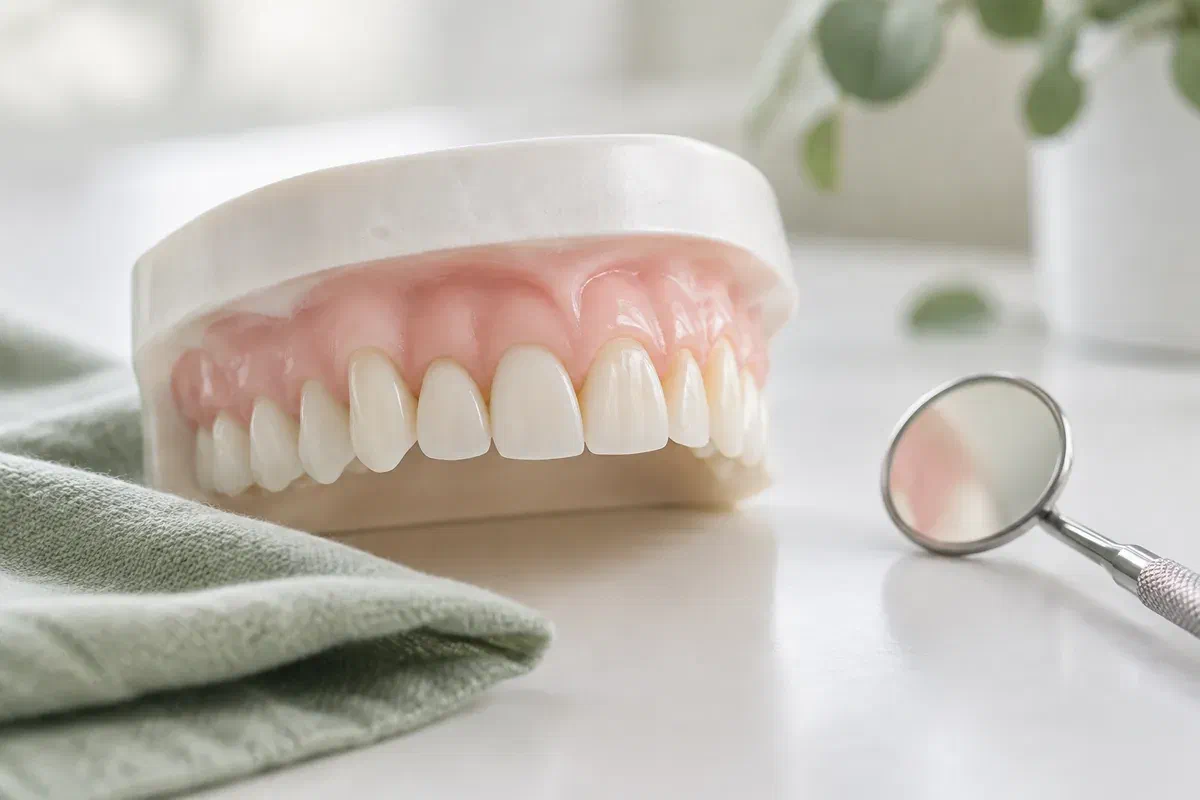
Illustrative upper-teeth teaching model showing modest natural variation in tooth corners
Bring these details to your Milton visit

Tell us where it is, how it feels, and whether it has changed

Your own description helps the clinician separate a shape you would simply prefer to refine from a surface that is being damaged. Rough or uncertain wording is fine; point to the area if that is easier.

A point that seems to stand out

Point to the exact spot and say what you picture changing. The clinician can explain whether it belongs to a healthy natural outline and how softening it might alter the proportions of that tooth. Some people decide to keep the shape once they see the trade-offs.

Texture that catches your tongue or lip

Say whether the roughness appeared after dental work, arrived suddenly, or has been there for years. A restoration margin, a small fracture and worn enamel can all feel alike. Identifying the cause comes before any decision about smoothing.

Thin-looking enamel or new sensitivity

Mention grinding, acidic drinks, past erosion, chips that keep recurring, or teeth that react to cold. When enamel needs protecting, removing more of it may not be sensible. The better next step might be prevention, repair, or finding out why it is happening.

Please do not try this at home. Nail files, emery boards and abrasive tools can damage enamel quickly, even on an area that looks tiny.

What a sensible result looks like

A specific, modest change, with enamel kept in reserve

When the tooth is suitable, a minor contour refinement can sometimes be managed without placing any new filling material. The aim should be narrow and named, such as softening one corner after assessment. Reshaping does not whiten stains, treat decay or move crowded teeth into line.

Removed enamel is gone for good, so a clear consultation is itself part of the value. You get to weigh the likely change against the risks before agreeing to anything. Leaving a healthy feature exactly as it is stays a reasonable choice throughout.

Patient information: Cleveland Clinic — enameloplasty · Clinical report — selective enamel reduction and aesthetic planning

One agreed surface

Confirm which part of which tooth is under discussion and how it links to what bothers you. Being precise keeps everyone’s expectations of the amount of change aligned. If comfort matters more to you than appearance, say so early.

Honest limits, stated up front

Find out whether the result you have in mind would need more than a limited adjustment. If so, alternatives should be talked through before any enamel is touched. Treatment should never grow just because a bigger change sounds attractive in the chair.

A fit with the rest of your dental care

Let the team know about retainers, night guards, recent fillings or treatment booked with another provider. A tooth’s outline interacts with its neighbours and with any appliance you wear. Sometimes coordination is needed, and sometimes waiting is wiser.

How an appointment unfolds

Look first, agree second, adjust only what was agreed

Before the visit, ask what it will cover and whether treatment could happen the same day. Sometimes an assessment points toward records, another examination, or a different procedure altogether.

  1. Examine the tooth and its neighbours

    The clinician looks at the surface, the teeth around it and how your bite comes together, alongside your symptoms and history. Additional records may be suggested if they would answer a particular question. Mention any earlier attempt to change the tooth yourself.

  2. Settle the extent and compare options

    Together you confirm why the adjustment is being considered, that it is permanent, and what result is realistic. Raise possible sensitivity and ask whether a different route would keep more enamel. Treatment begins only once you share the same picture.

  3. Make the limited, agreed refinement

    If reshaping suits the tooth and you decide to go ahead, the chosen surface is refined with dental instruments. Agree beforehand how you will signal for a break. Discomfort should be mentioned, not endured as though it were required.

  4. Polish, check and talk through care

    The treated area is smoothed and polished, and contacts and bite are checked. Describe how it feels without pressing it against hard foods to test it. You will hear any specific instructions and how to reach us if something feels wrong later.

The days after reshaping

Carry on gently and pay attention to how it feels

Follow the instructions you were given for the work done. Where reshaping was paired with bonding or another treatment, check which extra care applies to that part.

Keep to gentle, familiar cleaning

Brush softly with fluoride toothpaste and clean between teeth as recommended. A surface that feels new is no reason to scrub harder. If sensitivity lingers or cleaning becomes awkward, ask rather than switching to harsher products.

Stay with any wear or erosion plan

When the assessment found a contributing habit or condition, managing it still matters after a cosmetic change. If a doctor or specialist was suggested, keep that appointment in view. A new outline does nothing to stop ongoing loss of tooth surface.

Speak up about a bite that feels off

Tell us which tooth feels different and when you notice it. The surface, the contacts or something unrelated may need checking. More reduction should not be the automatic answer to a fresh symptom.

Patient information: American Dental Association — recognising and managing dental erosion

Other routes worth comparing

Match the treatment to the cause, not the label

Clarify whether the plan is to alter healthy enamel, rebuild missing structure, or deal with something else entirely. A procedure’s name should never stand in for a diagnosis.

For a small contour change the tooth can afford

Limited reshaping of suitable enamel

A defined reduction can suit a minor feature when enamel thickness and bite allow. Ask what will be kept and how much change is realistic. Good planning avoids chasing every natural difference by removing a little more each time.

For a tooth that needs material added or repaired

Bonding or another restoration

A chipped, short or damaged area often needs rebuilding rather than further reduction. Discuss the size of the defect, how much tooth remains, and what upkeep the material needs. A repair serves a different purpose from elective refinement.

When reshaping would not address the real issue

Further assessment, orthodontic advice, or leaving it

A concern tied to tooth position, or an unexplained surface change, may need a different evaluation. A healthy, stable feature can reasonably be watched. Ask how each alternative answers your concern and what should be monitored.

Milton questions about reshaping

Practical answers before you decide

These cover comfort, scope and some common misunderstandings. Your own answers will depend on the tooth being assessed.

(905) 876-4488
How long does a typical enamel reshaping visit take?
It depends on how many surfaces are involved and whether the assessment and treatment happen on the same day. A single small refinement is usually brief, but planning time matters too. Ask for a realistic estimate once the tooth has been examined.
Does reshaping a tooth make it weaker?
A limited, well-planned adjustment is intended to stay within what the enamel can safely lose. Taking away too much, or reshaping a tooth already thinned by wear, could leave it more vulnerable. That is why the assessment looks at thickness, bite and history first.
Is a sharp tooth corner something I should get checked even if it does not hurt?
It is reasonable to have it looked at, particularly if it is new or catching your tongue. A painless corner can still be an old chip or worn edge. The clinician can tell you whether smoothing, repair or simply watching it makes sense.
Can reshaping take away a deep internal discolouration?
Generally no. Colour that sits within the tooth needs its cause and depth assessed, and removing enamel may make matters worse. Ask which approach could address the colour while keeping healthy structure.
If I already rubbed the corner with a nail file, what should I mention?
Tell the clinician what you used, for how long, and whether the tooth now feels sensitive or the bite has shifted. That helps them judge the surface that remains. The information is there to guide care, not to criticise.
Will fluoride rebuild the enamel that was reshaped away?
No. Fluoride helps protect the enamel you still have and supports repair of very early mineral loss, but a contour that has been removed will not grow back. Make sure the permanence is clear before you agree.

Patient information: American Dental Association — fluoride and enamel protection

Book in Milton

Have that corner looked at properly

Get in touch with our Bronte Street practice about a small contour or a rough edge. We will examine the tooth, explain where reshaping stops being sensible, and compare other options so the next step is your informed choice.

Reshaping and recontouring describe overlapping work. Suitability is decided tooth by tooth, and enamel that is removed does not grow back.

Visit Milton Dental Clinic
Unit 1, 342 Bronte St. S, Milton, ON L9T 5B7
Get directions Clinic hours
Monday–Thursday
11am–7pm
Friday–Sunday
By appointment only

Areas we serve

  • Milton
  • Oakville
  • Mississauga
  • Georgetown
  • Halton Hills
  • Acton
  • Campbellville
  • Brampton
  • Burlington
  • Puslinch
  • Rockwood
  • Erin
  • Caledon
  • Etobicoke
  • Old Milton
  • Bronte Meadows
  • Timberlea
  • Dorset Park
  • Dempsey
  • Clarke
  • Beaty
  • Coates
  • Harrison
  • Scott
  • Willmott
  • Ford
  • Bowes
  • Cobden
  • Walker
  • Mountain View
  • Milton Heights
  • Hawthorne Village
  • Valley View
  • Fallingbrook
  • Nassagaweya
  • Trafalgar
  • Esquesing
  • Nelson
  • Brookville
  • Moffat
  • Glen Williams
  • Norval
  • Limehouse
  • Stewarttown
  • Ashgrove
  • Hornby
  • Silver Creek
  • Speyside
  • Scotch Block
  • North Oakville
  • River Oaks
  • Glen Abbey
  • West Oak Trails
  • Palermo
  • Bronte Creek
  • College Park
  • Joshua Creek
  • Uptown Core
  • Preserve
  • Iroquois Ridge
  • Lisgar
  • Meadowvale
  • Meadowvale Village
  • Churchill Meadows
  • Erin Mills
  • Central Erin Mills
  • Streetsville
  • East Credit
  • Creditview
  • Heartland
  • Sheridan
  • Mount Pleasant
  • Credit Valley
  • Huttonville
  • Churchville
  • Springbrook
  • Northwest Brampton
  • Bram West
  • Fletcher's Meadow
  • Fletcher's Creek South
  • Alton Village
  • Orchard
  • Millcroft
  • Headon Forest
  • Tansley
  • Brant Hills
  • Tyandaga
  • Kilbride
  • Lowville
  • Aberfoyle
  • Morriston
  • Arkell
  • Hillsburgh
  • Freelton
  • Carlisle
  • Waterdown
  • Flamborough
  • Mountsberg

How can we help?

Milton Dental Clinic

Have a question about your smile? Choose the option that works best for you.

For urgent dental concerns, please call.
Messages are reviewed during clinic hours.