A healthy, stable space
With no other concerns nearby, you can focus on whether to close the gap fully or partly. Adding composite widens the teeth, so their shape is assessed carefully. Proportions often matter more than the size of the gap.


Where does a cosmetic change fit when other dental care is also on the list? Households in Campbellville can have a gap assessed alongside gum health, existing fillings and bite, then decide when composite bonding makes sense and how to fold it into visits that are already planned.
A gap in your front teeth may be the thing you notice most, but it is rarely the only item on a dental plan. Cavities, gum care or a worn filling can change what is sensible to do first. Bonding narrows a gap by adding composite to the edges of the neighbouring teeth, so it works best on teeth that are already healthy and stable.
Some people never want the gap changed, and that is entirely reasonable. For those who do, the clinician weighs the reason the space exists, its width and its location. A gap that has sat unchanged for years between sound teeth is a different starting point from one that appeared alongside gum or bite changes.
When you come in from Campbellville, the initial appointment at our Bronte Street practice can look at your whole mouth, not only the gap. Tell us what you would like to change and what else is going on. We will explain where bonding could fit and what other options exist.
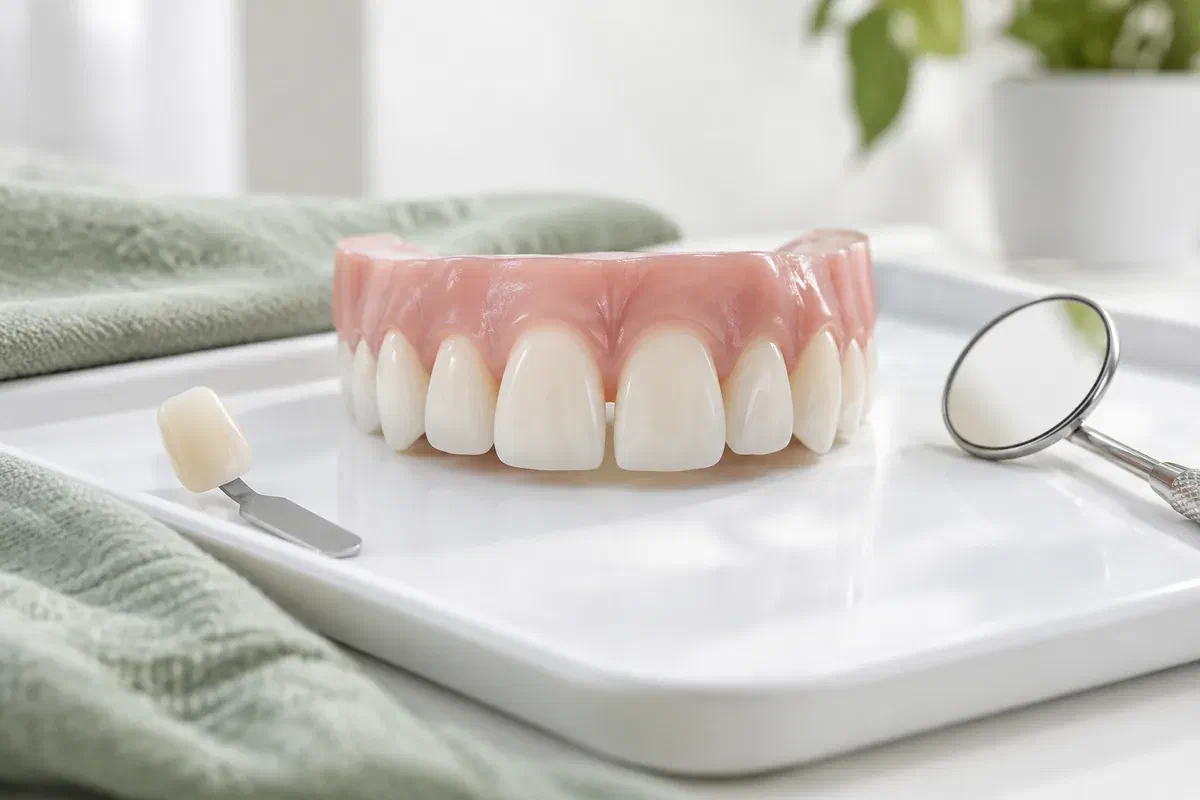
Share the gap's history, any symptoms and existing dental work. That lets the clinician decide whether bonding can be planned now or whether other care should happen first.
With no other concerns nearby, you can focus on whether to close the gap fully or partly. Adding composite widens the teeth, so their shape is assessed carefully. Proportions often matter more than the size of the gap.
Bleeding gums, a loose tooth, decay or a change in your bite should be mentioned. These need attention before cosmetic work, and a widening gap may be linked to them. Bonding should never hide a problem that is still developing.
Existing composite or a history of braces affects planning. Bring a retainer if you have one and describe what was done. The clinician can check tooth position and whether older restorations should be addressed first.
A gap from a missing tooth, whether it never grew in, was removed or was lost, may call for a replacement option rather than gap bonding. Let us know so that can be included in your plan.
On teeth that are ready, composite is sculpted onto the edges beside the gap to give a new outline. The shade is matched and the surface polished so it blends in. Your bite and the contact between the teeth are planned at the same time.
Bonding will need care over the years. Composite may stain, wear or chip, and it may need polishing, repair or replacement. Ask about that when you plan, so the cosmetic step fits sensibly with the rest of your dental care.
Patient information: Canadian Dental Association — bonding for small gaps and shape changes · Cleveland Clinic — tooth gaps and their causes
You can still focus on the gap without a full makeover. Ask which teeth would be built up and why, and how that fits with other treatment. Effects on nearby teeth should be explained, not assumed to need work.
Ask whether reshaping, moving the teeth or a staged combination best suits your gap. Each fits differently into a wider plan. A short procedure is not automatically the right choice for the cause of the space.
Talk about how you will clean the new contact and gumline. A narrower gap is only helpful if it can be kept healthy, especially if gum care is part of your plan.
Suitability and alternatives are discussed before anything is placed. Ask how the planned contour will be assessed and which other treatments should come first.
Explain the gap's history, past orthodontics and fillings, and anything that has changed. Your teeth, gums and bite are examined. If other care is needed, or records and another opinion would help, that is discussed before cosmetic advice.
Decide what needs to happen first, then how wide the bonded teeth should be and whether to close the gap fully or partly. Talk about preparation, shade, fees and upkeep. Compare with orthodontics or leaving the gap.
Once the mouth is ready and you agree, the clinician prepares the enamel and builds up composite in layers, hardening each with a curing light. The edges are shaped to meet the neighbouring tooth and finish neatly at the gum.
After polishing, your bite is tested and the contact is checked. You are shown how to clean between the treated teeth. Look over the result together, and plan the next steps in your wider treatment.
Clean the reshaped teeth the way you were shown. They are still separate teeth, and the contact between them needs daily attention even when the gap no longer shows.
Pass the recommended aid gently. If it frays, sticks every time, or will not reach the gumline, ask for a check at your next visit. Keep cleaning the area even though the gap has closed.
Avoid chewing hard objects or opening packaging with your teeth. If you clench or grind, mention it and ask whether further assessment would help. Protection should be planned for you rather than assumed.
Book a review if the edge feels rough, composite chips, or the space appears to change. The cause decides whether polishing, repair or a new assessment comes next. Leave any shaping to the clinic.
Patient information: Cleveland Clinic — maintaining dental bonding
Ask how the plan fits your tooth shape, bite, cleaning and other treatment. Suitability depends on more than the size of the gap.
Book a consultation with us on Bronte Street to talk about your gap and any other dental care. We will review the space, the health of the surrounding teeth and gums, and how bonding could fit into a sensible overall plan.
Bonding depends on why the gap formed, your tooth proportions and your bite. A gap that is new or changing should be assessed before cosmetic closure.
