

Illustrative patient discussing tooth spacing and bonding with a dental clinician
Cosmetic Dentistry

Gap Closure with Dental Bonding in Milton

Noticed a space between your front teeth in a recent photo and wondered whether it could look different? In Milton, a bonding assessment looks at the gap itself, the shape of the neighbouring teeth, your gums and your bite, so you can decide whether added composite suits the change you have in mind.

Bonding a gap, explained for Milton

A gap is measured in millimetres, but judged by the whole smile.

Many people first think seriously about a gap after seeing it in a group photo or on a video call. Bonding is one way to respond. Tooth-coloured composite is added to the sides of the teeth next to the space, so the teeth become a little wider instead of being moved. Whether that makes sense depends on how the new widths would look and whether the area stays easy to clean.

Not every gap needs fixing, and many people like theirs. When you do want a change, it helps to know how long the space has been there, how wide it is and which teeth it sits between. An old, steady gap between healthy teeth calls for a different conversation than one that opened recently or came with gum changes.

For people in Milton, the first visit is mostly a conversation. Tell us how much difference you are hoping for and which parts of your smile you already like. After an examination, we can explain whether bonding fits, what the alternatives are and what each would involve, so the decision stays yours.

Ask about the gap in your smile
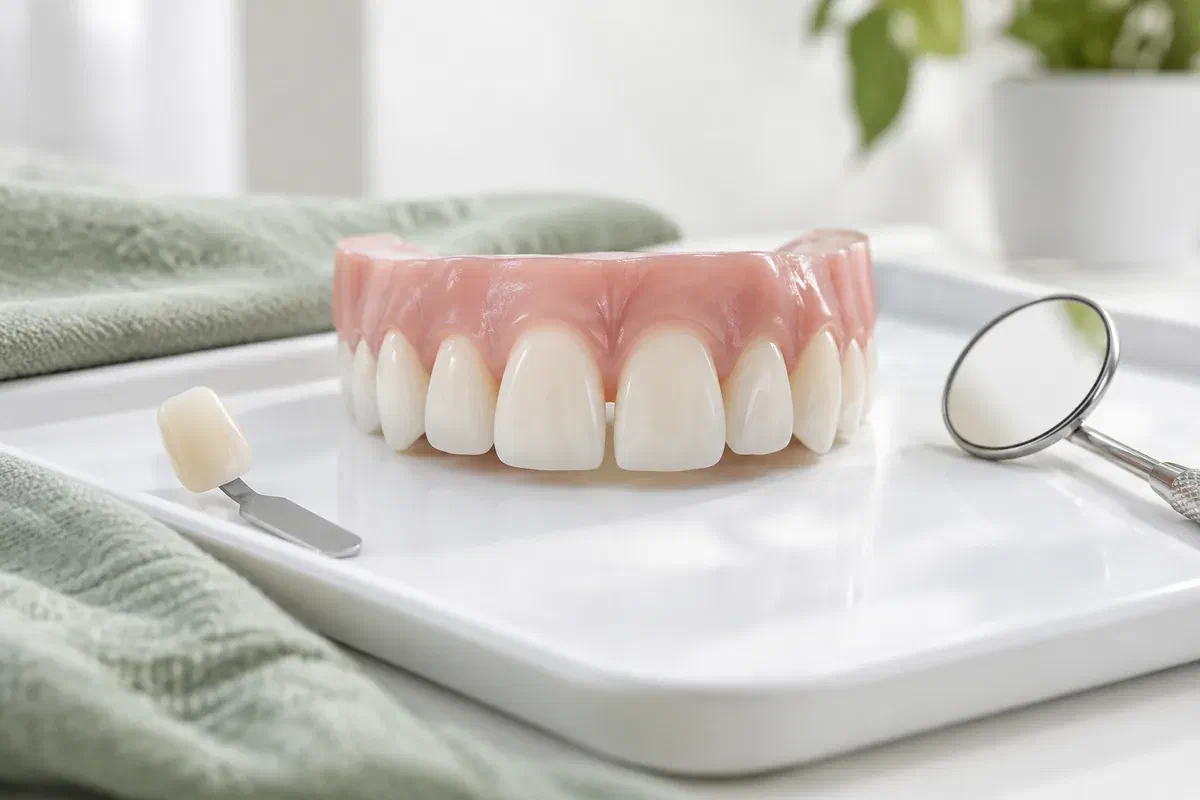
Illustrative front-teeth teaching model with a narrow central gap beside a shade sample
What kind of gap is it?

Where the space came from shapes what happens next.

Tell us what you remember about the gap: when you first saw it, whether it has changed, and any dental work nearby. That history helps decide whether you are ready for a cosmetic plan or need another check first.

A long-standing space you would like smaller

Say whether you picture the gap fully closed or only narrowed. Adding composite makes each tooth wider, so the clinician will look at how that changes their shape. Sometimes the existing tooth proportions matter more than the size of the gap in deciding what looks natural.

A gap that is new or getting bigger

Mention bleeding gums, a tooth that feels loose, or any change in how your teeth come together. A gap that is growing needs the gums and bone checked, along with other possible causes. Filling it with material before knowing why it changed would leave the real issue unexplored.

Spacing that returned after braces or old bonding

Bring any retainer you still have and describe the treatment you had before. The clinician can check where the teeth sit now, what remains of earlier composite and how the result would be held in place. Ask whether reshaping the teeth would affect how a retainer fits.

If the space is where a tooth is missing, whether it never grew in, was taken out or was lost, simple gap bonding may not be the right answer. Let us know so replacement options can be looked at properly.

What bonding can do here

A narrower gap, planned around shape, bite and cleaning.

When the teeth are suitable, composite can be built onto the edges facing the gap to give them a new outline. Choosing the right shade and polishing the surface help the added material blend with the natural tooth. The plan also has to account for where the teeth touch and how you bite.

Composite is a material that ages. Over the years it may pick up stain, wear down or chip, and it can need polishing, repair or replacement. Asking about that upkeep before you commit means you are choosing with the long view in mind, not just the first look in the mirror.

Patient information: Canadian Dental Association — bonding for small gaps and shape changes · Cleveland Clinic — tooth gaps and their causes

One concern, handled on its own

You can talk about the gap without signing up for a larger cosmetic plan. Ask which teeth would get composite and the reason for each. A good proposal explains how nearby teeth would be affected rather than assuming they all need work as well.

A fair look at moving the teeth instead

Ask whether changing the tooth shape, shifting the teeth or a planned mix of both suits your gap best. Each route asks something different of you. The quickest option is not necessarily the one that best fits why the space exists.

A contour you can still keep clean

Talk about daily care while the new shape is being planned. Ask how floss or another aid will reach the contact and the gumline afterwards. A smaller gap only helps if the area around it can still be looked after well.

How the visits unfold

From first look to final polish, in four stages.

Treatment comes after a clear talk about whether bonding suits you and what else you could do. Ask how the planned shape will be judged and whether anything else should be taken care of first.

  1. Look closely at the gap and your oral health

    Share how long the gap has been there, any braces or fillings in the past, and anything that has changed. The clinician examines your teeth, gums and bite. Sometimes more records or a second opinion are needed before a cosmetic suggestion can be made.

  2. Decide how much composite goes where

    Discuss how wide and what shape the treated teeth would become, and whether the gap should close fully or partly. Ask about preparation, shade, fees and upkeep. Check how this compares with orthodontics or simply leaving a healthy gap alone.

  3. Build and sculpt the composite

    If you go ahead, the tooth surfaces are prepared, then resin is layered on and shaped by hand. A curing light sets each layer. The clinician pays attention to how the new edge meets the tooth next to it and how it sits near the gums.

  4. Polish, check and show you how to clean

    The surfaces are smoothed and polished, then your bite and the contact are checked. Ask to be shown how to clean between the treated teeth. Look at the result, note any space that remains, and confirm when you should come back.

Caring for your bonded teeth

The gap is gone from view, not from your routine.

Use the cleaning method you were shown for the new tooth shapes. They are still two separate teeth, and the contact between them needs daily attention even though the space is less visible.

Floss gently and ask if it snags

Use the aid you were shown with light pressure, and ask for help if it does not slide through. Floss that keeps catching or tearing, or trouble reaching the gumline, is worth a check. Keep cleaning the area even though the old gap has gone.

Spare the bonding from hard jobs

Avoid opening packaging with your teeth or biting on pens, ice and other hard items. Let the clinician know if you grind or clench, and ask whether that needs looking into. Any protection should be planned for you rather than assumed.

Speak up about chips, stains or shifting

Book a review if an edge feels rough, a piece breaks off, or the gap seems to be coming back. The cause will decide whether polishing, a repair or a fresh assessment is needed. Please do not try to glue, file or reshape the composite yourself.

Patient information: Cleveland Clinic — maintaining dental bonding

Other ways to approach it

Bonding is one option among several.

Ask what each choice would change and what it would leave alone. Depending on what the exam shows, the plan may be cosmetic, orthodontic, restorative, or focused on your gums first.

When added width still looks balanced

Composite bonding where it fits

Bonding can work when the gap and the neighbouring teeth allow a natural shape and a sensible contact. Ask whether one tooth or both would be built up and how you would care for them. No single gap size decides suitability for everyone.

When tooth position is part of the story

Orthodontics, or a combined plan

Moving teeth changes spacing in a different way from widening them. Some smiles do better with treatment in stages rather than one addition. Ask why a certain order is suggested and what retainers or restorations might follow.

When the gap points to something else

Gum treatment, replacing a tooth, or leaving it

Movement caused by gum disease, or a space where a tooth is missing, needs its own assessment. A steady, healthy gap can also simply stay. Ask which parts of the decision affect your oral health and which are about how you want to look.

Common questions in Milton

What people ask before bonding a gap.

These cover how bonding changes tooth shape and how it holds up. Suitability comes from an exam, not from how big the gap looks.

(905) 876-4488
Is bonding a way of pulling my front teeth together?
No. The teeth stay where they are, and composite is added to their sides to narrow the space. Moving teeth is what orthodontic treatment does. Ask which approach suits the cause of your gap and the shape of the teeth on either side.
How long does composite used to close a gap usually last?
It varies with your bite, habits and how well the area is cared for. Composite can stain, wear or chip over time and may need polishing, repair or replacement at some point. Ask the clinician what to watch for in your situation.
Can bonding be matched if I plan to whiten my teeth?
Composite does not lighten with whitening products the way natural enamel can. If whitening is on your list, mention it early so the order of treatment and the shade can be discussed before any composite is placed.
My gap seems wider than it was a year ago. Should I still book a cosmetic visit?
Book a visit, but expect it to start with a check of your gums, bite and tooth support rather than a cosmetic plan. A change in spacing can have a cause that needs attention first. Mention any bleeding, looseness or discomfort.
Will I need numbing for bonding a small gap?
It depends on how much preparation the tooth surfaces need, and this varies from person to person. Ask the clinician to walk you through what the appointment involves and how comfort will be managed for you.
Can I book around school pickups or work in Milton?
Our Bronte Street practice is open Monday to Thursday from 11am to 7pm, with Friday to Sunday visits by appointment only. Call (905) 876-4488 to find a time that suits your week, and ask how many visits your plan is likely to need.
Your next step in Milton

Bring the photo that made you wonder.

Visit our Bronte Street practice to talk about the gap between your teeth. We will look at its history, the gums and teeth around it, and the choices available, then help you weigh a change that fits both your wishes and your oral health.

Whether bonding suits you depends on why the gap is there, the shape of your teeth and your bite. A gap that is new or widening should be checked before any cosmetic closure.

Visit Milton Dental Clinic
Unit 1, 342 Bronte St. S, Milton, ON L9T 5B7
Get directions Clinic hours
Monday–Thursday
11am–7pm
Friday–Sunday
By appointment only

Areas we serve

  • Milton
  • Oakville
  • Mississauga
  • Georgetown
  • Halton Hills
  • Acton
  • Campbellville
  • Brampton
  • Burlington
  • Puslinch
  • Rockwood
  • Erin
  • Caledon
  • Etobicoke
  • Old Milton
  • Bronte Meadows
  • Timberlea
  • Dorset Park
  • Dempsey
  • Clarke
  • Beaty
  • Coates
  • Harrison
  • Scott
  • Willmott
  • Ford
  • Bowes
  • Cobden
  • Walker
  • Mountain View
  • Milton Heights
  • Hawthorne Village
  • Valley View
  • Fallingbrook
  • Nassagaweya
  • Trafalgar
  • Esquesing
  • Nelson
  • Brookville
  • Moffat
  • Glen Williams
  • Norval
  • Limehouse
  • Stewarttown
  • Ashgrove
  • Hornby
  • Silver Creek
  • Speyside
  • Scotch Block
  • North Oakville
  • River Oaks
  • Glen Abbey
  • West Oak Trails
  • Palermo
  • Bronte Creek
  • College Park
  • Joshua Creek
  • Uptown Core
  • Preserve
  • Iroquois Ridge
  • Lisgar
  • Meadowvale
  • Meadowvale Village
  • Churchill Meadows
  • Erin Mills
  • Central Erin Mills
  • Streetsville
  • East Credit
  • Creditview
  • Heartland
  • Sheridan
  • Mount Pleasant
  • Credit Valley
  • Huttonville
  • Churchville
  • Springbrook
  • Northwest Brampton
  • Bram West
  • Fletcher's Meadow
  • Fletcher's Creek South
  • Alton Village
  • Orchard
  • Millcroft
  • Headon Forest
  • Tansley
  • Brant Hills
  • Tyandaga
  • Kilbride
  • Lowville
  • Aberfoyle
  • Morriston
  • Arkell
  • Hillsburgh
  • Freelton
  • Carlisle
  • Waterdown
  • Flamborough
  • Mountsberg

How can we help?

Milton Dental Clinic

Have a question about your smile? Choose the option that works best for you.

For urgent dental concerns, please call.
Messages are reviewed during clinic hours.