

Illustrative patient discussing tooth spacing and bonding with a dental clinician
Cosmetic Dentistry

Gap Closure with Dental Bonding in Oakville

Closing a gap completely is only one choice. If you are coming from Oakville, an assessment can show whether composite bonding could narrow or close the space, taking in tooth proportions, gum health and your bite, so you can settle on how much change actually feels right.

How much of the gap should go?

Sometimes the best change is a smaller one.

People often arrive picturing a gap fully sealed, then realise they would be happy with less. Bonding gives room for that choice. Composite in a natural tooth shade is added to the edges beside the gap, which makes those teeth wider. Nothing moves, so the amount of closure is decided by how much extra width each tooth can carry.

Your gap may be part of what makes your smile yours, and leaving it alone is a sound option. If you lean toward changing it, the clinician needs to understand why it is there, how wide it is and where it sits. A gap that has been steady for years between healthy teeth is a different starting point from one linked to shifting teeth or gum trouble.

From Oakville, a first visit to our Bronte Street practice is a chance to talk it through. Explain what you would like to change and what you would rather keep. After an examination, we can compare bonding with other suitable approaches and let you decide how far to go.

Explore partial or full gap closure
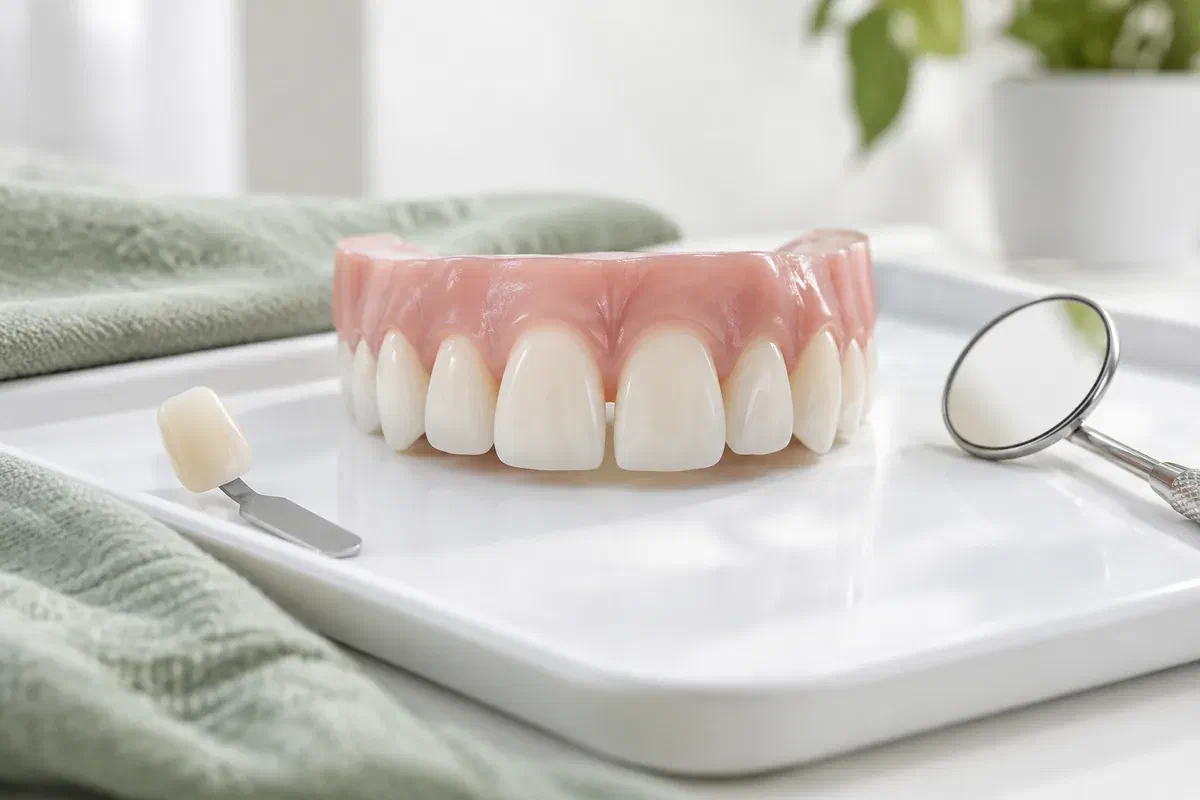
Illustrative front-teeth teaching model with a narrow central gap beside a shade sample
Three common starting points

Steady, shifting or returning: which describes yours?

A short history of the gap, plus any symptoms and earlier dental work, tells the clinician whether a cosmetic plan can start now or something else should be looked at first.

Steady for as long as you remember

Consider whether you want it closed or softened. Because composite adds width, the clinician will look at how each tooth's proportions would change. In many cases, the existing shape of the front teeth sets the limit more than the gap itself.

Opening wider in recent months

Mention gum bleeding, any looseness, or a change in how your teeth meet. Spacing that is changing calls for a look at the gums and bone, as well as other possible causes. A cosmetic cover-up should never take the place of finding out why.

Back again after earlier treatment

If you had braces or bonding before, bring any retainer and describe what was done. The clinician can review tooth position, leftover composite and how a new result would be kept in place. Ask how reshaping would affect an appliance you wear.

A space where a tooth is missing is a different situation. Let the team know if a tooth never developed, was removed or was lost, so suitable replacement options can be considered.

The case for a measured change

Narrow the gap without losing the shape you like.

For suitable teeth, composite is sculpted onto the sides that face the gap to change their outline. Matching the shade and polishing the surface help the new material read as part of the tooth. How the teeth touch and how your bite works also shape what is possible.

Composite does not stay new forever. It can stain, wear or chip, and over time it may need polishing, repair or replacing. Asking about that before treatment helps you judge the choice by more than how it looks on day one.

Patient information: Canadian Dental Association — bonding for small gaps and shape changes · Cleveland Clinic — tooth gaps and their causes

You set the scope

Talk about the gap on its own, without being steered toward a bigger makeover. Ask which teeth would be built up and the reason for each. Any effect on neighbouring teeth should be explained, not assumed to need treatment too.

Honest comparison with orthodontics

Ask whether reshaping, moving the teeth or a planned mix suits your gap. Each choice asks for a different commitment. A faster appointment is not necessarily the better match for the cause of the space.

Room to keep the area clean

The final contour should be planned around daily cleaning. Ask how you will reach the contact and gumline afterwards. A smaller gap is only an improvement if the area can still be looked after well.

From consultation to finish

Each step is agreed before the next begins.

Suitability and alternatives come first, then treatment. Ask how the planned shape will be checked and whether any other care should happen beforehand.

  1. Examination and history

    Explain how long the gap has existed, any orthodontics or fillings, and recent changes. The clinician examines teeth, gums and bite. More records or another opinion may be needed before cosmetic advice is given.

  2. Choosing the amount of closure

    Decide together how wide the teeth will become and whether the gap closes fully or only partly. Ask about preparation, shade, fees and long-term care. Compare the plan with orthodontic options and with keeping a healthy gap.

  3. Placing the composite

    With your agreement, the tooth surfaces are prepared and composite is layered and shaped. Each layer is set with a curing light. The clinician refines how the edge meets the next tooth and how it finishes at the gum.

  4. Finishing and a cleaning demonstration

    The surfaces are polished and the bite and contact are checked. Ask to be shown how to clean between the teeth. Review the result, including any space you chose to keep, and confirm when to return.

Living with the new contour

Small habits keep bonded edges looking their best.

Use the cleaning technique you were shown. The treated teeth are still separate, and the place where they meet needs attention every day, gap or no gap.

Clean the contact patiently

Pass your floss or brush gently, and ask for help if it does not go through as shown. Repeated catching, shredding, or trouble reaching the gumline should be looked at. Do not skip the area because the gap is no longer obvious.

Keep hard objects away from the edges

Avoid opening things with your teeth or biting down on hard items. Mention grinding or clenching and ask whether it needs assessing. Protection should be chosen for your circumstances, not assumed.

Report anything that changes

Book a review if the edge feels rough, composite breaks off, or the spacing seems to shift. The cause will decide whether polishing, repair or a new assessment comes next. Please leave any reshaping or gluing to the clinic.

Patient information: Cleveland Clinic — maintaining dental bonding

Options worth comparing

The right approach depends on why the gap exists.

Ask what each option would change and what it would leave alone. Depending on the exam, the plan may be cosmetic, orthodontic, restorative, or begin with gum care.

When added width keeps proportions natural

Composite bonding

Bonding may suit a gap when the teeth beside it can take extra material and still look balanced with a cleanable contact. Ask whether one tooth or both would be treated. No single gap measurement makes bonding right for everyone.

When tooth position is the main factor

Orthodontics or a coordinated plan

Moving teeth redistributes space in a way that widening cannot. Some smiles do better with treatment in planned stages. Ask why a particular order is suggested and what retention or restoration would follow.

When the gap signals something else

Gum care, tooth replacement, or leaving it

Movement from gum disease or a missing tooth needs its own assessment. A stable, healthy gap can stay as it is if you prefer. Ask which decisions affect your oral health and which are simply about appearance.

Oakville questions, answered

Things to clear up before choosing bonding.

Think about tooth width, your bite and your cleaning routine as well as the gap. Suitability is individual, and it rarely comes down to size alone.

(905) 876-4488
How does the clinician decide how much of my gap to close?
They look at the width and shape of the teeth beside it, your bite, your gums and what you would like to see. Composite adds width, so the aim is a result that still looks in proportion. Your preference is part of that conversation.
Could I try a smaller change first and close more later?
That may be possible in some cases, but it depends on the teeth and the material already placed. Ask whether adding more composite later would be practical for you and how it might affect the finish and cleaning.
Does bonding change the colour of my front teeth?
The composite is shade-matched to your teeth, but natural enamel and composite can age differently. If you are thinking about whitening, raise it before bonding so the timing and shade can be planned together.
What should I tell the clinician about a gap that has started to grow?
Mention when you first noticed the change, and any bleeding gums, looseness, discomfort or differences in your bite. A widening gap can have an underlying cause, so the first step is finding out what is happening.
Is a dark triangle by my gums treated like a gap between the teeth?
Not always. A small triangular space near the gumline can relate to gum shape or support as well as tooth contour. Point to the exact area that bothers you so the clinician can explain which options apply.
Coming from Oakville for more than one visit, how can I plan ahead?
Ask at your consultation how many appointments your plan is likely to need, so you can arrange them in advance. We are open Monday to Thursday from 11am to 7pm, with Friday to Sunday visits by appointment.
Next step from Oakville

Decide how much change suits you.

Book an assessment at our Bronte Street practice to discuss the gap between your teeth. We will review its history and the health of the surrounding tissues, then talk through options that fit your preferences and your oral health.

Whether bonding suits you depends on the cause of the gap, the shape of your teeth and your bite. A new or widening gap should be checked before elective closure.

Visit Milton Dental Clinic
Unit 1, 342 Bronte St. S, Milton, ON L9T 5B7
Get directions Clinic hours
Monday–Thursday
11am–7pm
Friday–Sunday
By appointment only

Areas we serve

  • Milton
  • Oakville
  • Mississauga
  • Georgetown
  • Halton Hills
  • Acton
  • Campbellville
  • Brampton
  • Burlington
  • Puslinch
  • Rockwood
  • Erin
  • Caledon
  • Etobicoke
  • Old Milton
  • Bronte Meadows
  • Timberlea
  • Dorset Park
  • Dempsey
  • Clarke
  • Beaty
  • Coates
  • Harrison
  • Scott
  • Willmott
  • Ford
  • Bowes
  • Cobden
  • Walker
  • Mountain View
  • Milton Heights
  • Hawthorne Village
  • Valley View
  • Fallingbrook
  • Nassagaweya
  • Trafalgar
  • Esquesing
  • Nelson
  • Brookville
  • Moffat
  • Glen Williams
  • Norval
  • Limehouse
  • Stewarttown
  • Ashgrove
  • Hornby
  • Silver Creek
  • Speyside
  • Scotch Block
  • North Oakville
  • River Oaks
  • Glen Abbey
  • West Oak Trails
  • Palermo
  • Bronte Creek
  • College Park
  • Joshua Creek
  • Uptown Core
  • Preserve
  • Iroquois Ridge
  • Lisgar
  • Meadowvale
  • Meadowvale Village
  • Churchill Meadows
  • Erin Mills
  • Central Erin Mills
  • Streetsville
  • East Credit
  • Creditview
  • Heartland
  • Sheridan
  • Mount Pleasant
  • Credit Valley
  • Huttonville
  • Churchville
  • Springbrook
  • Northwest Brampton
  • Bram West
  • Fletcher's Meadow
  • Fletcher's Creek South
  • Alton Village
  • Orchard
  • Millcroft
  • Headon Forest
  • Tansley
  • Brant Hills
  • Tyandaga
  • Kilbride
  • Lowville
  • Aberfoyle
  • Morriston
  • Arkell
  • Hillsburgh
  • Freelton
  • Carlisle
  • Waterdown
  • Flamborough
  • Mountsberg

How can we help?

Milton Dental Clinic

Have a question about your smile? Choose the option that works best for you.

For urgent dental concerns, please call.
Messages are reviewed during clinic hours.