Teeth partly hidden by thicker gum
Sometimes the tooth underneath is a normal size and the tissue over it is simply thick. Other times there is more going on. An exam establishes the tooth’s real outline, something no photograph can do.

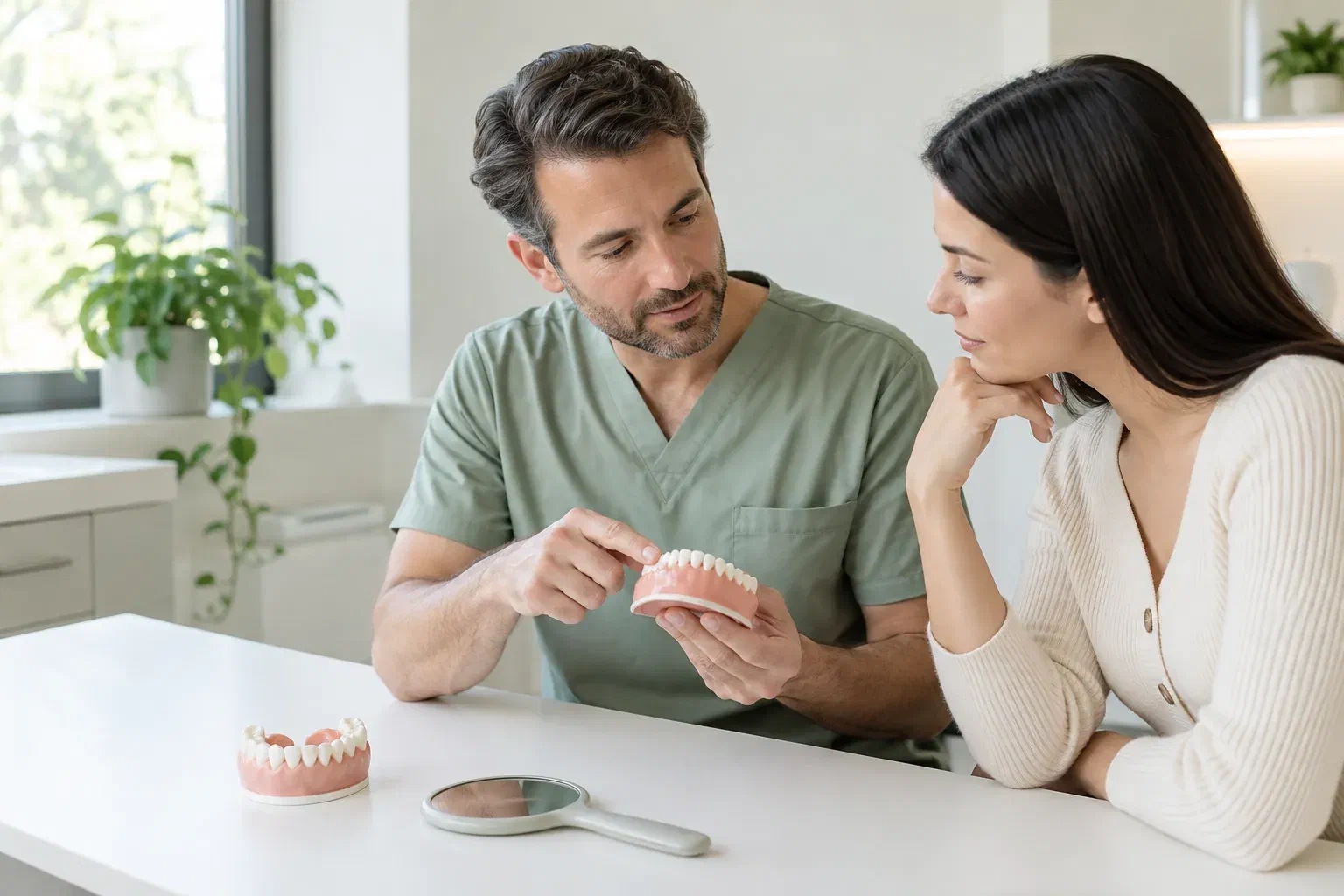
Gums that look thick or puffy raise a fair question: is this cosmetic, or is something going on? We check tissue health and possible causes first, then discuss whether reshaping, gum treatment, a specialist opinion or simply monitoring fits.
Gum tissue that looks bulky can be perfectly healthy, the way some people simply have fuller lips. It can also be inflamed, irritated by plaque, or enlarged for reasons linked to general health or certain medicines. From the outside, these can look surprisingly alike, which is why reshaping is never the first conversation.
Gum contouring is planned surgery on the gum’s edge, used for particular areas where excess tissue or an irregular outline alters how the teeth appear. It suits some mouths and not others, depending on how gum, tooth and bone relate. Removing tissue without dealing with its cause may simply see it return.
When you come to us from Brampton, the first job is to understand the tissue. We examine it, ask about your health and routine, and explain whether cosmetic contouring, gum care, a periodontist’s input or watching and waiting makes the most sense.
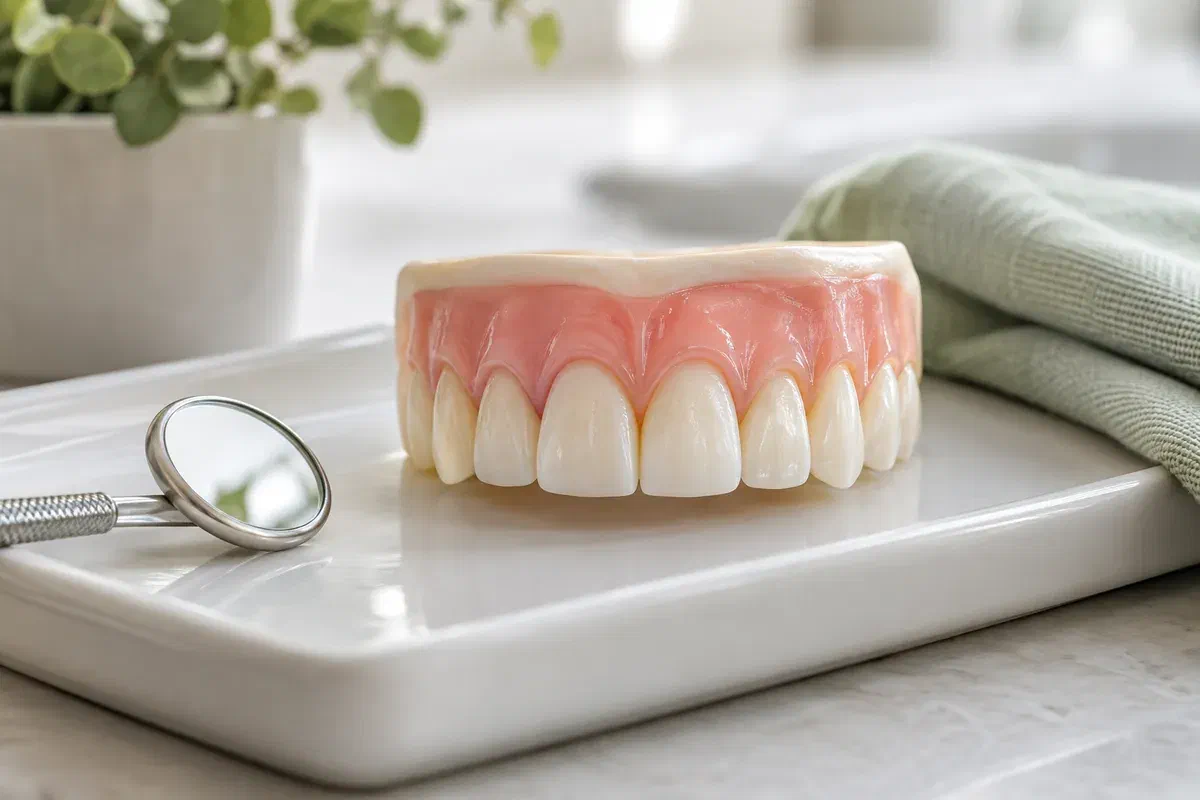
Let us know about bleeding, tenderness, swelling, a bad taste or gum that seems to be pulling back, along with any cosmetic worry. Each points toward a different next step.
Sometimes the tooth underneath is a normal size and the tissue over it is simply thick. Other times there is more going on. An exam establishes the tooth’s real outline, something no photograph can do.
Patchy thickness can make the gumline look uneven. Point out the area and what you would change. Some variation is natural, so it helps to ask whether a plan would focus on one region or the smile as a whole.
These are signs to investigate rather than cosmetic features. Share your medical history, medicines and cleaning habits. Enlargement with a cause usually needs that cause addressed, and recession is a separate problem altogether.
Some medicines can be associated with changes in the gums, but please do not stop or adjust any prescription yourself. Tell us and the prescribing clinician, so that any review can be planned between you.
If the tissue is healthy and the anatomy allows, reshaping selected areas can show more of the natural teeth or even out a bulky edge. That only helps when it fits the structures beneath. Fuller gum on its own is not a diagnosis that calls for surgery.
Trade-offs are part of the discussion. Surgery involves a healing phase, possible complications, and tissue that may reshape itself as it recovers or over time. Bring up soreness, bleeding, infection, sensitivity, regrowth and the possibility of further care.
Patient information: Cleveland Clinic — gum contouring, assessment, and recovery · American Academy of Periodontology — cosmetic periodontal procedures
Every tooth in the plan should come with a reason. You should also hear whether soft tissue alone would be reshaped or deeper structures included. A promise of a neater smile does not cover that.
How the new edge relates to tooth length and your lip matters as much as how much tissue is removed. Your wishes count, within healthy limits. Find out which parts of the concern would remain.
Mention planned veneers, crowns or orthodontic care. Healing tissue can change the right order. Ask when the gum will be re-examined before other work is designed around it.
What happens depends on what is found. Feel free to ask who would carry out any procedure, whether a periodontist might be involved, and what preparation or follow-up you would need.
We go over your goals, health history, medicines and any earlier gum care. The clinician examines the gums closely and how they sit on each tooth. Measurements or records may be needed, and any inflammation or disease is addressed before cosmetic planning.
If reshaping is reasonable, it is compared with alternatives including monitoring. You will know whether soft tissue only is involved or whether bone would also be reshaped in a crown lengthening procedure. Risks, fees, healing and referral are explained so your decision is informed.
For a suitable case, the treating clinician uses the anaesthetic and technique you discussed. You can ask how to request a pause and what sensations to expect. The method is chosen for your tissue rather than assumed.
Instructions cover cleaning, food, recommended medicines and activity. A review is booked with a way to contact us in between. Ongoing home care matters here, since the original cause may still need managing.
Healing depends on the extent of treatment and the method. The instructions from your treating clinician come first, ahead of general advice written for other gum procedures.
Find out how to clean the treated area and when your usual technique can resume. Eat as advised to protect the site. Avoid poking at the gum or pulling your lip back to look.
Use only the recommended medicines at the doses given, with allergies and other prescriptions considered. Ask about physical work, exercise, smoking or vaping. Not every recovery needs an antibiotic or medicated rinse.
Early appearance can be misleading. Keep the review and mention ongoing tenderness, sensitivity, or tissue that seems to be thickening again. Ask when the final look can be judged.
Good questions get at the cause of the appearance, what a procedure would actually change, and how the healing would work. The answers you receive should be about your own tissue, not gums in general, and should leave room for the option of no treatment.
Book a visit at our Bronte Street practice to have the tissue examined and the cause explained. We will outline your options, whether specialist input would help, and what to resolve before any treatment.
Contouring depends on gum health and anatomy. Any procedure, provider and recovery plan are confirmed after assessment.
