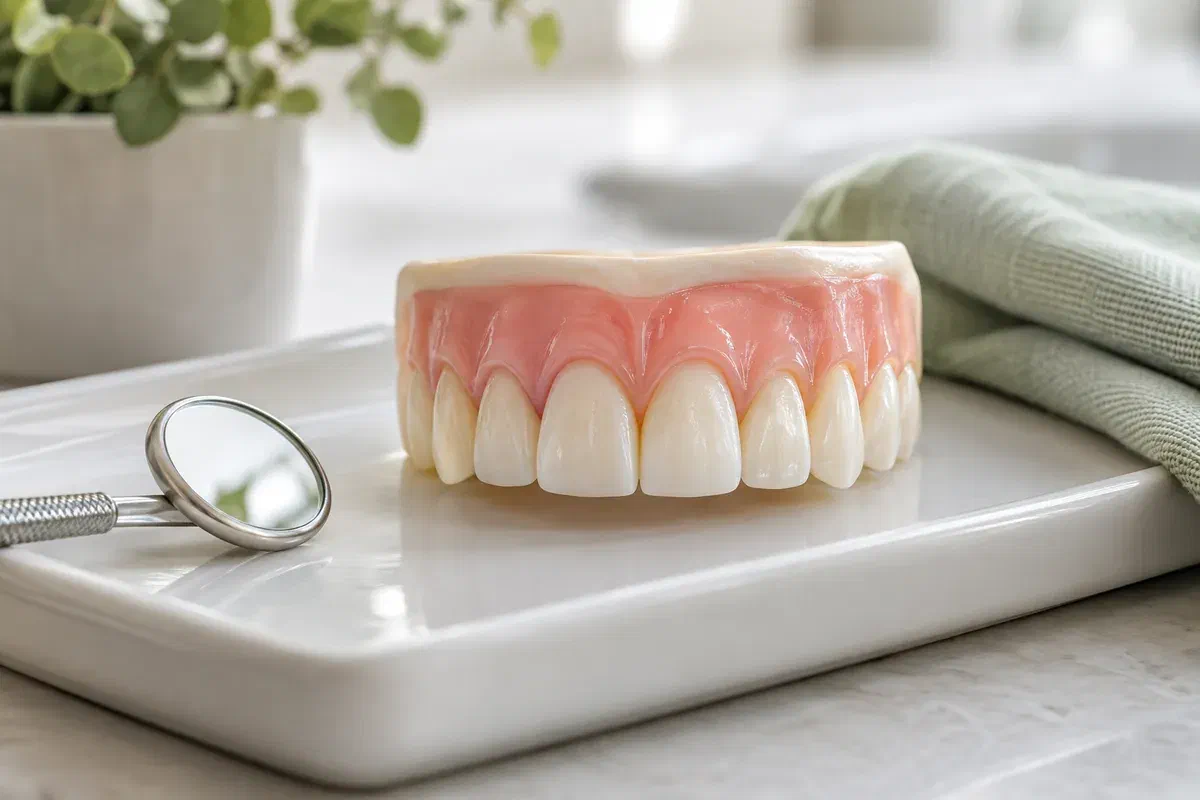
Front teeth partly hidden by gum
A tooth may look short because gum covers more of it, because its edge is worn, or because of its natural shape. The clinician works out which. No snapshot can show how much tissue could be altered safely.


Choosing gum work is partly about the outcome and partly about the weeks around it. We assess whether your tissue is healthy and suited to reshaping, then help you plan treatment and healing around work, chores and the rest of the household.
On a rural property, there is rarely a quiet week. Animals still need feeding, the laneway still needs clearing, and someone still has to drive the kids. So a sensible question to ask about any elective gum procedure is not only whether it would help, but when you could realistically rest afterward.
First, though, comes whether it is suitable at all. Gum contouring is planned reshaping of the gum’s edge where surplus tissue or an uneven line changes how the teeth look. That depends on how the gum relates to the tooth and the bone that holds it. Plenty of healthy smiles show a good deal of gum and need no treatment.
Campbellville sits within Milton’s boundaries, so the conversation can start at our Bronte Street practice. We examine the tissue, explain what reshaping could achieve, mention when a periodontist should be consulted, and talk honestly about the recovery you would need to plan for.
Mention any bleeding, tenderness, swelling or gum that seems to be pulling back, as well as the look you would like to change. A health problem and a cosmetic preference lead to different plans and timelines.
A tooth may look short because gum covers more of it, because its edge is worn, or because of its natural shape. The clinician works out which. No snapshot can show how much tissue could be altered safely.
Tell us where it looks uneven and what you would prefer. Some natural variation suits a smile. It is worth asking whether treatment would involve one tooth or the proportions across several.
Changes in health, medicines and cleaning habits can all affect gum tissue. Enlargement may have a cause that needs treatment first. Recession is not the same as excess gum and is assessed on its own.
Do not stop a prescribed medicine because you suspect it affects your gums. Tell us and your prescriber, and any review can be coordinated safely.
If the anatomy allows, reshaping chosen areas can reveal more natural tooth or smooth an irregular edge. The change must suit the bone and tissue beneath. Showing gum when you smile is not, by itself, a reason to treat.
Surgery means healing time and the chance of complications, and the tissue may move a little as it settles. For a household with physical work, it is worth asking specifically about soreness, bleeding, infection, sensitivity, regrowth and whether extra treatment could become necessary.
Patient information: Cleveland Clinic — gum contouring, assessment, and recovery · American Academy of Periodontology — cosmetic periodontal procedures
Each tooth in the plan should be named with a reason. Find out whether the procedure would stay in the soft tissue or involve other structures. Hearing that your smile will look more balanced does not tell you that.
Discuss how the intended gumline relates to tooth length and how your lip moves. Your wishes matter, within limits that keep tissue healthy. Ask which parts of your concern would stay the same.
If veneers, crowns or orthodontic care are on the horizon, mention them. Healing affects the order of treatment. Ask when the gum will be re-examined before more work is designed around it.
The details depend on your findings. Ask who would provide treatment, whether a periodontist might be involved, and how much preparation and downtime to expect.
We talk about the change you want, your medical history, medicines and any past gum care. Then comes a hands-on look at the gum around each tooth. Records may be taken, and anything needing treatment first is flagged.
The proposed procedure is weighed against alternatives, including monitoring. You will learn whether only gum would be reshaped or whether bone is involved, as in crown lengthening. Risks, fees, healing and referral are discussed, along with when a lighter week might be available.
If you go ahead, the treating clinician proceeds with the agreed anaesthetic and technique. Agree on a signal for stopping, and ask what sensations are normal. Choosing a day with fewer demands afterward can make recovery easier.
You receive guidance on cleaning, eating, any recommended medicine and activity, plus a booked review. Ask when heavier tasks can resume, how to reach us, and when the tissue can be assessed for any further work.
Recovery reflects the extent and method of treatment. Your treating clinician’s instructions should guide when you return to heavy work, lifting or outdoor activity.
Learn a gentle cleaning method for the site and the day normal brushing can return. Have suitable foods ready at home. Avoid pulling your lip up repeatedly to look at the gum.
Take only recommended medicines at the doses given, considering allergies and other prescriptions. Ask specifically about lifting, strenuous chores, exercise, smoking or vaping. Not every recovery needs an antibiotic or special rinse.
Early healing can look different from the settled result. Attend your review and mention ongoing tenderness, sensitivity or worries about the shape. Ask when the outcome can be fairly judged.
Useful questions cover why treatment is being suggested, what it would involve on the day, and how the recovery would sit alongside the rest of your week. The answers should reflect your own case and your own commitments.
Book a consultation at our Bronte Street practice. Once your gums have been examined, we can explain suitable options and any specialist input, and help you think through timing so recovery fits your household.
Nothing is booked as treatment until your gums and anatomy have been assessed. Only then can we confirm the procedure, who would perform it and how much recovery time to set aside.
