Teeth that look shortened by gum
The cause may be extra tissue, a worn edge or simply tooth shape. The clinician examines which applies. Photos you bring can help explain your concern, though they cannot show how much tissue might be safely changed.

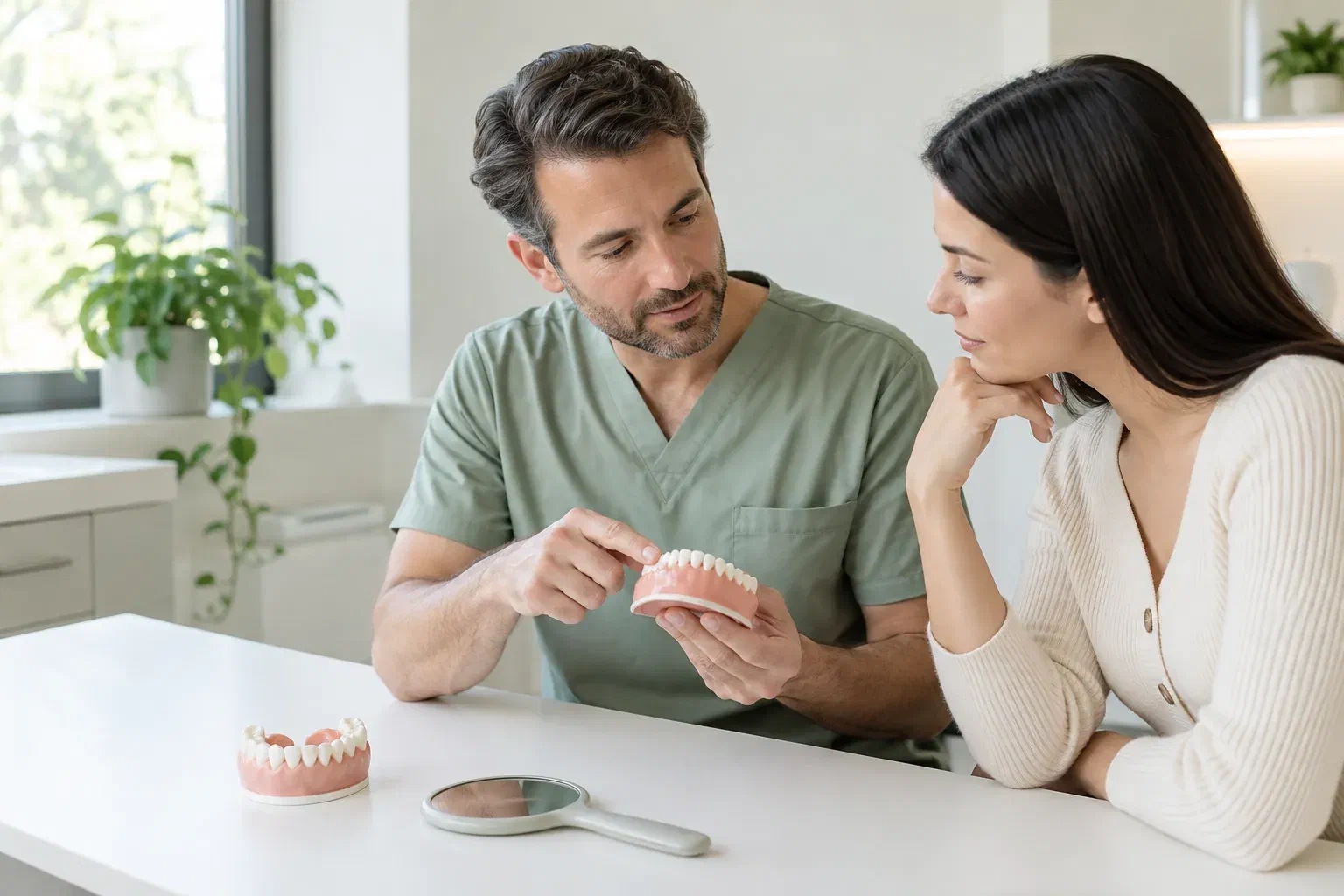
A gumline consultation is easier to fit into a longer trip when you know what each visit is for. We assess tissue health and proportions, explain whether reshaping or a specialist opinion suits you, and map out assessment, treatment and review.
When the clinic is a longer journey, you want to leave each visit knowing more than when you arrived. For a gumline concern, that means a first appointment that gathers what is needed: your goals, your health history, a proper look at the tissue and a straight answer about what might help.
Gum contouring itself is a planned reshaping of the gum’s margin in chosen spots, usually where extra tissue or an irregular line affects how the teeth look. It is suitable only when the gum, tooth and underlying bone relate in the right way. A smile with lots of gum showing may be healthy, and in that case leaving it is a valid choice.
Travelling from Etobicoke, it helps to say at booking that you would like visits grouped efficiently. We can then explain the findings, whether a periodontal specialist should be involved, and what a realistic timeline for treatment and healing looks like.
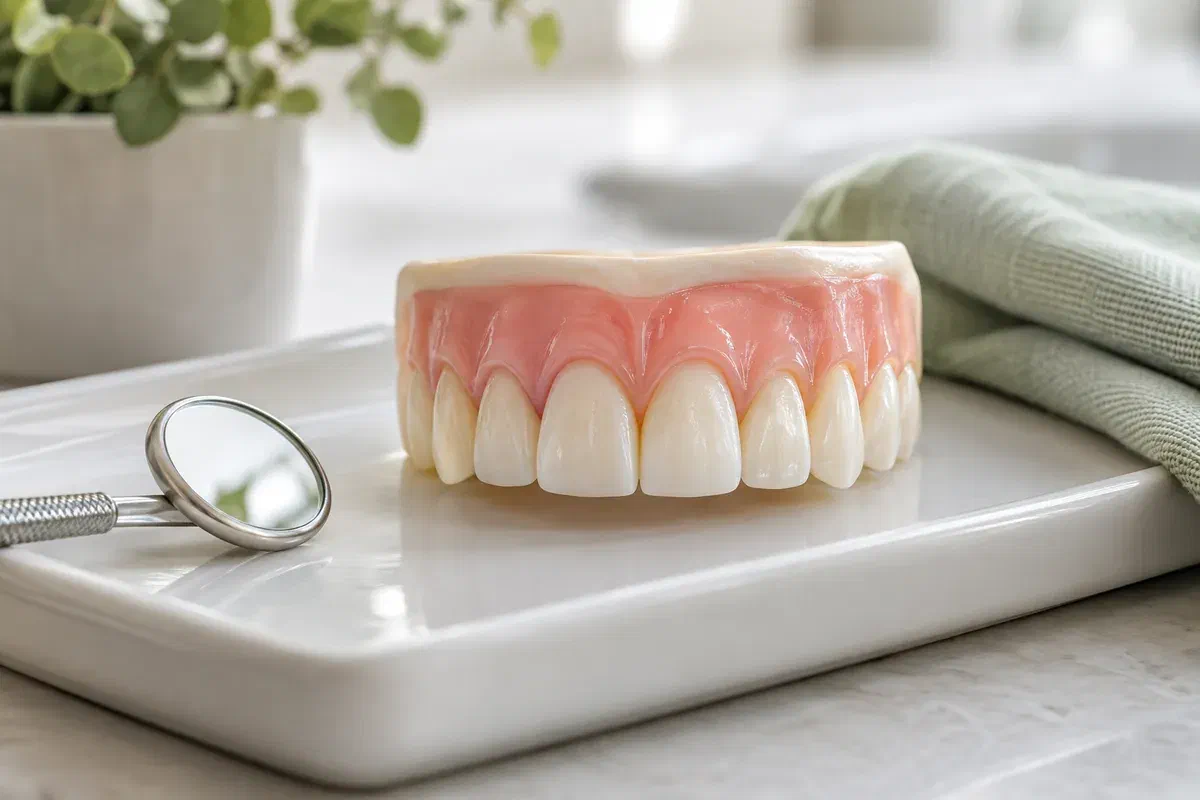
Jot down where the concern is, plus any bleeding, tenderness, swelling or gum pulling away. Bringing those notes saves time, because a cosmetic wish and a gum health problem lead to different plans.
The cause may be extra tissue, a worn edge or simply tooth shape. The clinician examines which applies. Photos you bring can help explain your concern, though they cannot show how much tissue might be safely changed.
Mark the area on a photo if that helps you describe it. Some natural variation is worth keeping. During the visit, find out whether a plan would involve one tooth, several teeth or the overall shape of the smile.
List recent health changes and current medicines before you come. Enlarged or uneven gum may need its cause found and treated first. Gum that has pulled back is a different issue from surplus tissue and calls for its own assessment.
Keep taking prescribed medicines even if you suspect they affect your gums. Mention it to us and to your prescriber so that any review is planned jointly and safely.
In a suitable case, reshaping selected tissue can show more natural tooth or smooth part of the visible edge. It has to suit the anatomy that is already there. The gum you see when smiling is not, in itself, evidence that you need treatment.
Surgery comes with a recovery period and a chance of complications, and tissues can shift as they heal. Planning around a longer trip makes it doubly worth asking about soreness, bleeding, infection, sensitivity, regrowth and the possibility of more treatment later.
Patient information: Cleveland Clinic — gum contouring, assessment, and recovery · American Academy of Periodontology — cosmetic periodontal procedures
Each tooth involved should be identified along with the reason. You should know whether only soft tissue would change or whether other structures are part of it. A general idea of a better smile does not explain the difference.
The planned gum edge should relate sensibly to your tooth length and lip movement. Your preferences shape the goal within healthy limits. Clarify which parts of the concern would remain after treatment.
If veneers, crowns or orthodontics are planned, possibly with a dentist closer to home, say so early. Healing affects the sequence. Ask when the gumline would be checked before anyone else designs work around it.
The exact path depends on findings. Ask who would perform treatment, whether a referral is likely, and which steps could be combined to reduce trips.
We discuss your aims, medical history, medicines and any previous gum care. The clinician assesses the tissue and how it relates to the teeth. Records or measurements may be taken, and anything needing treatment first is identified.
Options are compared, including observation. You learn whether soft tissue alone is involved or crown lengthening that reshapes bone is under consideration. Risks, fees, healing and any specialist role are explained, sometimes in the same visit.
Where surgery suits the case, it is carried out with the anaesthetic and technique agreed beforehand. Ask how to signal a pause and what to expect. The method follows your anatomy rather than the service name.
You leave with guidance on cleaning, eating, recommended medicines and activity, plus a booked review. Ask how to reach us between visits and when the tissue could be assessed for any further work. If your schedule is tight, choose a review date before you leave so it is already in your calendar.
Recovery depends on the extent and technique of treatment. Since you will be healing further from the clinic, make sure you understand your own instructions before heading home.
Confirm how to clean the treated area and when your normal routine can resume there. Stock up on suitable foods beforehand. Avoid lifting your lip repeatedly to inspect the gum.
Take only the medicines and doses recommended, accounting for allergies and other prescriptions. Ask about commuting, work, exercise, smoking or vaping. Antibiotics and special rinses are not given to everyone.
The early look is rarely final. Keep your follow-up and mention persistent soreness, sensitivity or concerns about the outline. Ask when the result can be judged and when other treatment might proceed.
Ask about the reason for treatment, what it involves and how recovery works. Answers should fit your anatomy and your schedule.
Book a gumline consultation at our Bronte Street practice and mention that you are travelling from further away. We will examine your gums, explain suitable options and any specialist input, and outline a sensible schedule.
Suitability depends on gum health and anatomy. Procedure, provider and recovery plan are confirmed after assessment.
