

Illustrative patient discussing the appearance of her gumline with a dental clinician
Cosmetic Dentistry

Gum Contouring in Oakville

Planning veneers or crowns and wondering about the gums first? The order of treatment matters. We look at tissue health, tooth length and lip line, then talk through whether reshaping, a periodontal opinion or no gum work at all makes sense.

For smile plans that start in Oakville

Frame first, then the picture

When people start researching veneers or new crowns, the gums often come up as an afterthought. Yet the gumline sets the top edge of every front tooth, and a restoration designed against tissue that later shifts can end up looking out of place. That is why the conversation about gums frequently comes before the one about porcelain or resin.

In plain terms, gum contouring reshapes the margin of the gum in chosen areas, usually where extra tissue or an uneven edge changes the look of the teeth. It only suits certain situations, depending on how the gum relates to the tooth and the bone that supports it. Plenty of smiles that show a lot of gum are perfectly healthy and need nothing done.

If you are travelling from Oakville for a smile consultation, bring your wider plans with you. We can assess the tissue, explain whether reshaping would help, and say when a periodontist’s view would be useful, so that each later step rests on a stable foundation.

Plan the gumline with us
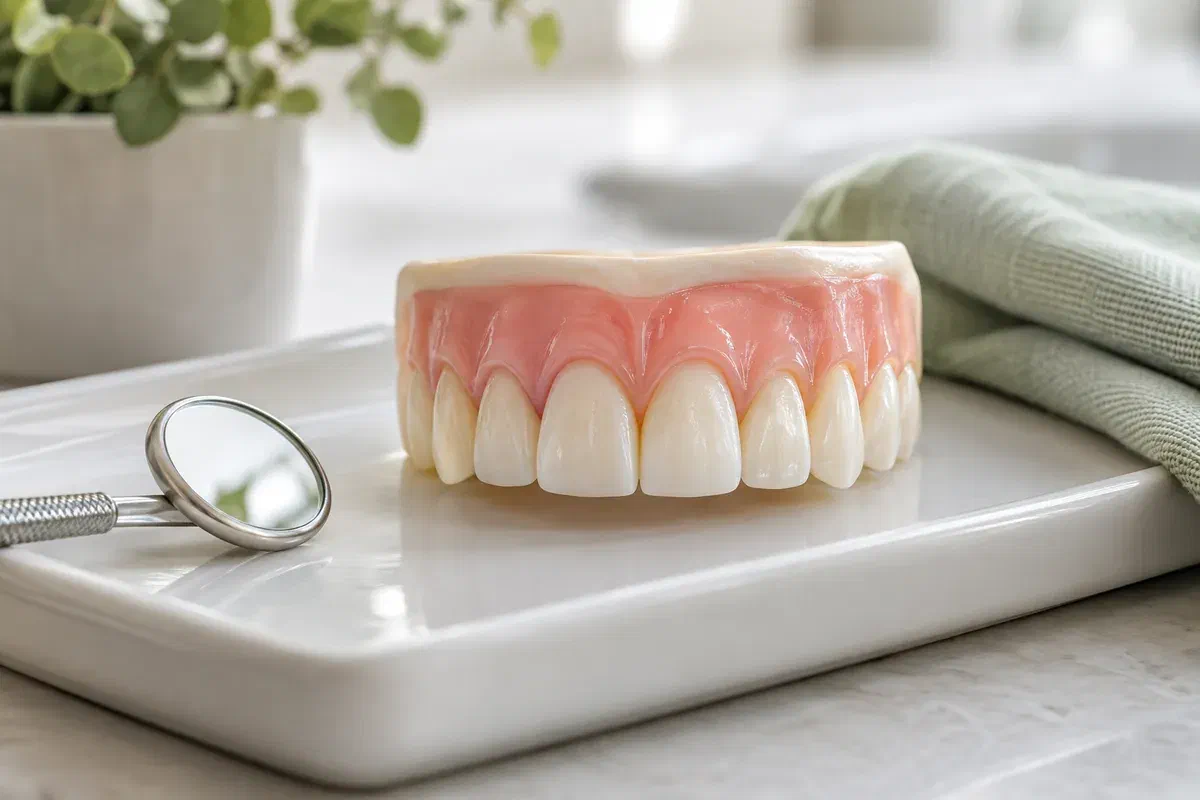
Illustrative front-teeth teaching model showing a gently scalloped gumline
Before anything is designed

Check the tissue, not just the outline

Let us know where your concern is and whether you have noticed bleeding, soreness, puffiness or gum pulling back. Wanting a different look and having a gum condition are separate matters with separate solutions.

Front teeth that look stubby

A tooth can look short because gum covers part of it, because the edge is worn, or because that is simply its shape. The clinician considers each possibility. An image alone will not reveal how much tissue could sensibly be changed.

Gum heights that don’t line up

Show us where the mismatch is and describe your ideal. Some variation looks natural and may be better preserved. Ask whether any treatment would be confined to one tooth or would reshape the proportions across the smile.

Swollen, sore or receding gums

Tell us about changes in health, medication and daily cleaning. Overgrown or irregular tissue may have a cause worth investigating before cosmetic work. Receding gum is a different issue from too much gum and needs its own conversation.

Keep any prescribed medicine going even if you suspect it affects your gums. Mention the worry to us and to the doctor who prescribed it, so any change can be considered safely.

Why the groundwork pays off

Restorations look better on settled tissue

Where the anatomy permits, a well-planned tissue change may show more of the natural tooth or level part of the outline, giving any future restoration a sound edge to meet. That change must suit what is already there. The amount of gum visible when you grin is not a reason for surgery by itself.

There are real trade-offs to discuss. Surgery means a recovery phase and the chance of complications, and tissue can move while it heals. Find out what to expect in terms of discomfort, bleeding, infection risk, sensitivity and tissue regrowth, and whether further assessment or treatment could follow.

Patient information: Cleveland Clinic — gum contouring, assessment, and recovery · American Academy of Periodontology — cosmetic periodontal procedures

Clarity on which teeth are included

Ask for each tooth in the plan to be identified with a reason. Find out whether the change is limited to soft tissue or reaches other structures. A general promise of balance does not explain that distinction.

A gum position that fits tooth length and lip

Discuss how the new line would relate to the length of each tooth and how high your lip lifts. Your preferences count within healthy limits. Ask which parts of the concern would be solved and which would remain.

Coordination with the restorative team

Tell us early if veneers, crowns or orthodontics are planned, and who will provide them. Healing can affect timing. Ask when the gum will be reassessed before a dentist or lab designs work around its new position.

The sequence, step by step

What happens between the first look and the next restoration?

Every stage depends on what is found. Ask who would perform the procedure, whether a referral is likely, and what preparation and review it would involve.

  1. Assessment of goals and periodontal health

    We discuss the result you want, your health history, medicines and previous gum care. The clinician examines the gums and how they sit around each tooth. Records or measurements may be taken, and anything that needs treating first is noted.

  2. Options explained, decision made with you

    The suggested procedure is compared with reasonable alternatives, including waiting. The clinician clarifies whether only gum tissue would change or whether crown lengthening with bone reshaping is being considered. Risks, fees, healing and specialist roles are covered before consent.

  3. Treatment with suitable comfort measures

    If surgery is appropriate, the treating clinician uses the agreed anaesthetic and technique. Ask how you can request a pause and what you will feel. The method suits your case rather than being assumed from the service name.

  4. Aftercare, review and timing for next steps

    You receive guidance on cleaning, eating, recommended medicines and activity, and a review is booked. You know how to contact us. Ask when the tissue can be assessed as ready for veneers, crowns or other planned work.

While the tissue settles

Healing is part of the plan, not a delay

Recovery varies with how much tissue was treated and the method used. Rely on your treating clinician’s instructions rather than general advice meant for a different gum procedure.

Gentle cleaning and sensible food choices

Learn how to keep the area clean and when to return to your normal routine there. Choose foods as advised so the site is not disturbed. Avoid tugging at your lip to check progress.

Medicines and daily activities, as advised

Take only the medicines and doses suggested for you, with allergies and other treatment in mind. Ask about workouts, work demands, smoking or vaping. Antibiotics and medicated rinses are not part of every recovery.

A review before restorations go ahead

The early look is not the final one. Attend the follow-up and report persistent soreness, sensitivity or concerns about the shape. Ask when the gumline will be stable enough for the next stage of your plan.

Possible routes

Not every uneven gumline needs trimming

Ask what is causing the look and which treatment addresses it. Concerns that appear similar can lead to different advice.

Suited to cases where a small change is sound

Limited soft tissue contouring

Certain areas may be reshaped with a soft tissue procedure. Ask how the outline was chosen and how much gum would remain afterward. Health and healing must guide the plan, not a mock-up alone.

When bone and support deserve a closer look

Crown lengthening or a periodontist’s opinion

Some situations involve the bone and gum relationship or another feature of the smile. A periodontal opinion can clarify this. Ask why that route takes more work, and what it means for recovery and for future restorations.

For gums where health or another issue leads

Gum treatment first, or no change at all

Inflamed or receding gums usually call for a different plan. A healthy gumline can stay as it is if you prefer. Ask which findings need care and which choices are yours to make.

Patient information: Cleveland Clinic — gingivectomy and crown lengthening distinctions

Planning questions

Gums, veneers and timing, answered for Oakville

Ask why a procedure is recommended, what it involves and how healing fits your wider plans. Answers should reflect your own anatomy.

(905) 876-4488
Do I need gum work before getting veneers?
Not always. Many veneer cases need no gum treatment. Where the gumline is uneven or covers part of a tooth, the clinician may discuss whether reshaping first would help. The decision depends on tissue health and your goals.
How long should I wait between contouring and new crowns?
There is no single timeline. Healing and tissue stability vary with the procedure and the person. Ask when the gumline will be re-examined and what signs show it is ready for the next stage.
Can a mock-up show what my gums would look like?
Images or models can help explain a proposed outline, but they are planning tools rather than promises. Healing may differ from a preview. Ask how the planned line was chosen and what could change.
Is crown lengthening the same thing as gum contouring?
Not quite. Contouring can involve soft tissue alone, while crown lengthening may also reshape the supporting bone. Ask which structures your plan affects, since that shapes healing time and treatment scope.
Could my own dentist place the veneers if you do the gum work?
That can often be coordinated. Tell us who is providing the restorations so records and timing can be shared with your consent. Clear communication helps make sure everyone works from the healed gumline.
Could the gum grow back after it is reshaped?
Some regrowth or change is possible as the tissue heals and over time. Ask about that before treatment, along with the follow-up plan. A reshaped outline is not a lifetime guarantee.
Gum contouring for Oakville smiles

Set a sound base for your smile plans

Book time with us on Bronte Street to discuss your gums and any restorations you have in mind. We will explain your options, whether a specialist should be involved, and what to decide before treatment.

Suitability depends on gum health and anatomy. The procedure, who provides it, and the recovery plan are confirmed after assessment.

Visit Milton Dental Clinic
Unit 1, 342 Bronte St. S, Milton, ON L9T 5B7
Get directions Clinic hours
Monday–Thursday
11am–7pm
Friday–Sunday
By appointment only

Areas we serve

  • Milton
  • Oakville
  • Mississauga
  • Georgetown
  • Halton Hills
  • Acton
  • Campbellville
  • Brampton
  • Burlington
  • Puslinch
  • Rockwood
  • Erin
  • Caledon
  • Etobicoke
  • Old Milton
  • Bronte Meadows
  • Timberlea
  • Dorset Park
  • Dempsey
  • Clarke
  • Beaty
  • Coates
  • Harrison
  • Scott
  • Willmott
  • Ford
  • Bowes
  • Cobden
  • Walker
  • Mountain View
  • Milton Heights
  • Hawthorne Village
  • Valley View
  • Fallingbrook
  • Nassagaweya
  • Trafalgar
  • Esquesing
  • Nelson
  • Brookville
  • Moffat
  • Glen Williams
  • Norval
  • Limehouse
  • Stewarttown
  • Ashgrove
  • Hornby
  • Silver Creek
  • Speyside
  • Scotch Block
  • North Oakville
  • River Oaks
  • Glen Abbey
  • West Oak Trails
  • Palermo
  • Bronte Creek
  • College Park
  • Joshua Creek
  • Uptown Core
  • Preserve
  • Iroquois Ridge
  • Lisgar
  • Meadowvale
  • Meadowvale Village
  • Churchill Meadows
  • Erin Mills
  • Central Erin Mills
  • Streetsville
  • East Credit
  • Creditview
  • Heartland
  • Sheridan
  • Mount Pleasant
  • Credit Valley
  • Huttonville
  • Churchville
  • Springbrook
  • Northwest Brampton
  • Bram West
  • Fletcher's Meadow
  • Fletcher's Creek South
  • Alton Village
  • Orchard
  • Millcroft
  • Headon Forest
  • Tansley
  • Brant Hills
  • Tyandaga
  • Kilbride
  • Lowville
  • Aberfoyle
  • Morriston
  • Arkell
  • Hillsburgh
  • Freelton
  • Carlisle
  • Waterdown
  • Flamborough
  • Mountsberg

How can we help?

Milton Dental Clinic

Have a question about your smile? Choose the option that works best for you.

For urgent dental concerns, please call.
Messages are reviewed during clinic hours.