

Illustrative patient discussing the appearance of her gumline with a dental clinician
Cosmetic Dentistry

Gum Contouring in Old Milton

Has your gumline always looked this way, or has it shifted over the years? That one question changes everything. We assess tissue health, tooth proportions and any recession before talking about reshaping, referral or leaving well alone.

Old Milton smiles, then and now

Is it new, or has it always been there?

Look at an old wedding album and then at a recent selfie, and the gums may not sit quite where they once did. Tissue can creep down over a tooth, pull back from it, or stay exactly the same while the teeth around it move. Each of those stories points toward a different kind of care.

Gum contouring is a planned reshaping of the gum’s edge, generally for particular spots where surplus tissue or an irregular line changes how the teeth appear. Suitability hinges on how gum, tooth and bone fit together. Showing a lot of gum is not a disease, and reshaping only makes sense when an exam confirms it would deal with the real concern.

For people living in Milton’s historic downtown, our Bronte Street practice is a natural place to have that conversation. Tell us what you have noticed and roughly when. We can explain the findings, the choices, and whether a periodontist should be part of the decision.

Talk to us about a gumline change
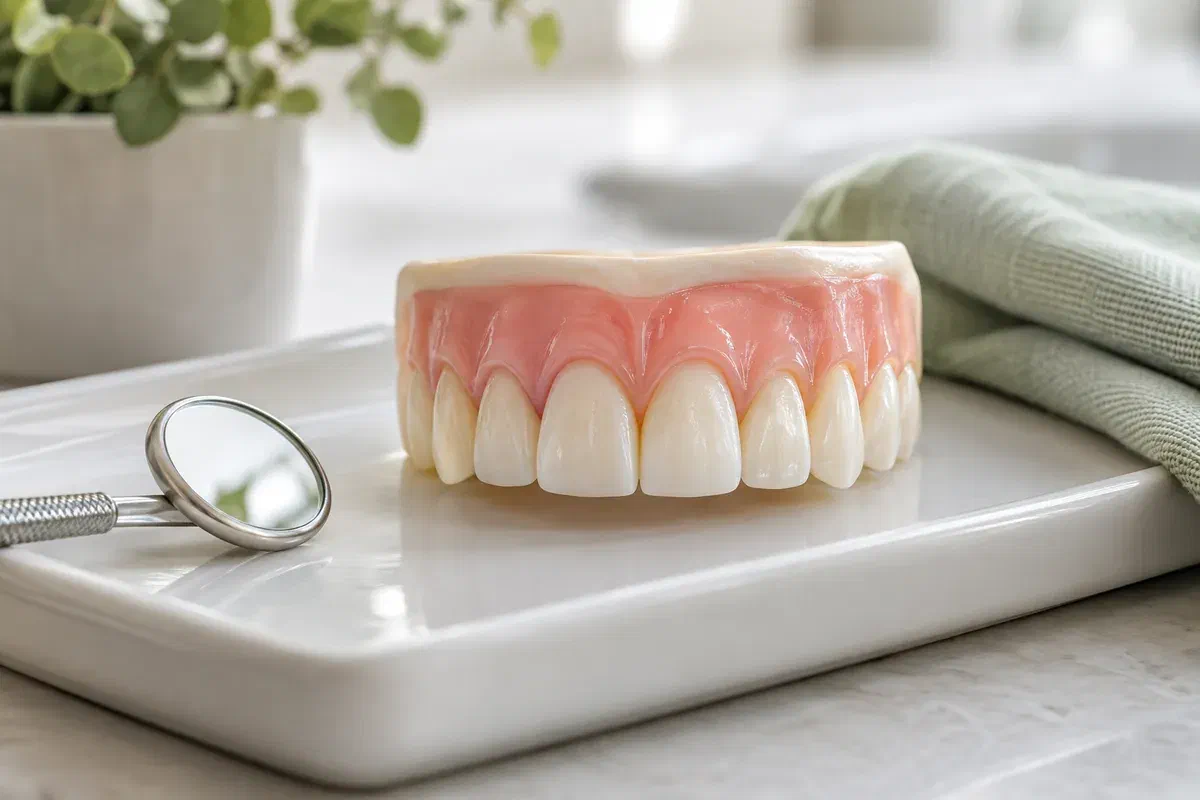
Illustrative front-teeth teaching model showing a gently scalloped gumline
Clues the clinician looks for

Where has the tissue gone, or where has it gathered?

Mention any bleeding, tenderness, swelling or gum pulling back, and when you first spotted the change. A cosmetic wish and an active gum condition lead to quite different next steps.

Teeth that seem to be disappearing under the gum

If a tooth looks smaller than it used to, the reason may be tissue, wear, or the tooth’s own shape. An examination tells these apart. No photograph can show how much gum, if any, could reasonably be removed.

A line that has become patchy from tooth to tooth

Point to the area and say what you would like it to look like. Some irregularity is natural and worth keeping. It is fair to ask whether treatment would touch one tooth, several, or alter the proportions of your whole smile.

Gums that are puffy, sore or creeping upward off the teeth

Changes in your general health, medicines and home care all matter here. Enlarged or uneven tissue may have an underlying cause that should be found before anything cosmetic happens. Recession is the opposite problem to extra tissue and is assessed on its own terms.

Please keep taking any prescribed medicine even if you wonder whether it is affecting your gums. Raise it with us and with the prescriber so a review, if needed, can be arranged together.

The potential upside

A truer view of the tooth, if the tissue allows it

In the right situation, a planned change to the tissue can uncover more of a natural tooth or smooth part of the outline. The result has to respect the anatomy underneath. Gum showing when you smile is a description, not a diagnosis.

Weigh the costs as well as the gains. Any surgery brings a recovery period and possible complications, and tissue can reshape itself as it heals. Ask specifically about tenderness, bleeding, infection, sensitivity, regrowth and whether more treatment might be required later.

Patient information: Cleveland Clinic — gum contouring, assessment, and recovery · American Academy of Periodontology — cosmetic periodontal procedures

A precise map of what would change

You should know which teeth are included and the reason for each. Ask whether the work stays in the soft tissue or extends to other structures. A broad claim about a more even smile does not tell you that.

Proportions that suit your face and lip

Ask how the planned gum position relates to your tooth length and how far your upper lip rises. What you want matters, and it still has to stay within healthy limits. Find out which part of your concern would be addressed and which would not.

Sensible sequencing with existing or planned dental work

Older crowns, planned veneers or orthodontics can all affect the order of treatment. Healing gum may settle in a new position. Ask when the line will be re-checked before anyone builds restorations around it.

Four stages

Looking, explaining, treating, reviewing

Findings shape every stage. You can ask early on who would provide the procedure, whether referral is likely, and what preparation and aftercare are involved.

  1. A history of the change and a gum examination

    Describe when the gumline began to look different, along with your medical history, current medicines and earlier gum care. The clinician checks the tissue and its relationship to the teeth. Measurements may be recorded, and any condition needing treatment first is flagged.

  2. An honest comparison of options

    You hear how the suggested procedure stacks up against alternatives, including watching the area. The clinician explains whether only soft tissue is involved or whether crown lengthening with bone reshaping is on the table. Risks, fees, healing and specialist involvement come before any yes.

  3. The procedure itself, if you go ahead

    Where surgery fits, the treating clinician uses the agreed anaesthetic and method. Ask how to pause during treatment and what sensations are normal. Technique is chosen for your tissue, not decided by a cosmetic label.

  4. Healing guidance and a return visit

    You leave with advice on cleaning, food, recommended medicines and activity, plus a review booking and a way to reach us. Ask when the area can be evaluated if veneers or other work are meant to follow.

Recovery at home in Old Milton

Patience matters more than inspection

Healing depends on the extent of treatment and the technique used. Follow the instructions you were given rather than a timetable borrowed from someone else’s gum procedure.

Keep the site clean without disturbing it

Find out how to clean the treated area gently and when ordinary brushing can resume there. Stick to suggested foods. Resist checking the result repeatedly by pulling back your lip or touching the gum.

Be careful and specific with medicines

Take only what was recommended, at the stated dose, with your allergies and other medicines considered. Ask whether exercise, physical work, smoking or vaping should wait. Not everyone needs an antibiotic or a prescription rinse.

Return for the scheduled check

Early swelling can hide the eventual shape. Keep your review and mention any ongoing tenderness, sensitivity or concerns about how the outline looks. Ask when it is fair to judge the result and plan any next step.

Three possible directions

The cause decides the route

Ask what is producing the appearance and which approach treats that particular cause. Gumlines that look alike can call for very different care.

If the tissue relationship supports a modest change

Limited soft tissue contouring

Selected spots may be reshaped with a soft tissue procedure. Ask how the outline was planned and how much gum would remain. Health and healing come first, ahead of a neat line on a screen.

If bone and support need a broader look

Crown lengthening or a periodontal referral

Some smiles involve the bone-to-gum relationship or another contributing factor. A periodontist can clarify what is needed. Ask what makes that route more involved and how it would affect recovery and later restorations.

If gum health or another issue comes first

Treating inflammation or recession, or simply monitoring

Inflamed or receding tissue usually needs a different plan from cosmetic reshaping. A healthy gumline can also be left untouched. Ask which findings require care and which choices are elective.

Patient information: Cleveland Clinic — gingivectomy and crown lengthening distinctions

Common questions

What Old Milton visitors ask when gums change over time

Useful questions ask why treatment is proposed, what tissue it involves and how healing works. Expect answers tied to your own mouth.

(905) 876-4488
My gums look different than they did ten years ago. Is that normal?
Gum position can change with age, oral hygiene, tooth movement and gum disease, among other things. Some change is harmless and some needs care. An examination can tell you which applies and whether anything should be done.
If my gums have pulled back, can contouring even them out?
Generally not. Recession means tissue has been lost, and removing more gum elsewhere may not be appropriate. Ask whether the issue is recession, tooth position or something else, and whether a periodontist could help.
Do older fillings or crowns near the gum affect contouring?
They can. The edges of existing restorations, and how the gum sits around them, may influence planning. Mention any dental work near the area so the clinician can consider whether it would need attention before or after treatment.
How do I know whether bone would be involved?
The clinician assesses the relationship between the gum, the tooth and the bone beneath. Some plans reshape soft tissue only, while crown lengthening may reshape bone too. Ask which applies to you and how it changes healing.
Will my general health affect whether I can have this done?
It may. Medical conditions, medicines and healing factors are all part of the assessment. Share your full health history and current medicines. The clinician may suggest coordinating with your physician before any procedure.
Is it fine to decide against treatment after the assessment?
Yes. An assessment is information, not a commitment. If your gums are healthy and the appearance does not bother you enough, keeping things as they are is a legitimate choice.
Gumline visits in Old Milton

Find out what has changed, and why

Book an appointment at our Bronte Street practice to have your gums examined and your concern explained. We will set out sensible options, mention any need for specialist input, and list the questions to answer before treatment.

Contouring depends on periodontal health and anatomy. Any procedure, provider and recovery plan is confirmed after the assessment.

Visit Milton Dental Clinic
Unit 1, 342 Bronte St. S, Milton, ON L9T 5B7
Get directions Clinic hours
Monday–Thursday
11am–7pm
Friday–Sunday
By appointment only

Areas we serve

  • Milton
  • Oakville
  • Mississauga
  • Georgetown
  • Halton Hills
  • Acton
  • Campbellville
  • Brampton
  • Burlington
  • Puslinch
  • Rockwood
  • Erin
  • Caledon
  • Etobicoke
  • Old Milton
  • Bronte Meadows
  • Timberlea
  • Dorset Park
  • Dempsey
  • Clarke
  • Beaty
  • Coates
  • Harrison
  • Scott
  • Willmott
  • Ford
  • Bowes
  • Cobden
  • Walker
  • Mountain View
  • Milton Heights
  • Hawthorne Village
  • Valley View
  • Fallingbrook
  • Nassagaweya
  • Trafalgar
  • Esquesing
  • Nelson
  • Brookville
  • Moffat
  • Glen Williams
  • Norval
  • Limehouse
  • Stewarttown
  • Ashgrove
  • Hornby
  • Silver Creek
  • Speyside
  • Scotch Block
  • North Oakville
  • River Oaks
  • Glen Abbey
  • West Oak Trails
  • Palermo
  • Bronte Creek
  • College Park
  • Joshua Creek
  • Uptown Core
  • Preserve
  • Iroquois Ridge
  • Lisgar
  • Meadowvale
  • Meadowvale Village
  • Churchill Meadows
  • Erin Mills
  • Central Erin Mills
  • Streetsville
  • East Credit
  • Creditview
  • Heartland
  • Sheridan
  • Mount Pleasant
  • Credit Valley
  • Huttonville
  • Churchville
  • Springbrook
  • Northwest Brampton
  • Bram West
  • Fletcher's Meadow
  • Fletcher's Creek South
  • Alton Village
  • Orchard
  • Millcroft
  • Headon Forest
  • Tansley
  • Brant Hills
  • Tyandaga
  • Kilbride
  • Lowville
  • Aberfoyle
  • Morriston
  • Arkell
  • Hillsburgh
  • Freelton
  • Carlisle
  • Waterdown
  • Flamborough
  • Mountsberg

How can we help?

Milton Dental Clinic

Have a question about your smile? Choose the option that works best for you.

For urgent dental concerns, please call.
Messages are reviewed during clinic hours.