

Illustrative patient and dental clinician comparing tooth shades during a consultation
Cosmetic Dentistry

Internal Tooth Bleaching

A single dark tooth may need a different approach from whitening a whole smile. Discuss internal tooth bleaching in Milton to review the tooth's history, root canal treatment, and suitability for a carefully supervised colour change.

A closer look at internal tooth bleaching

Understand the darker tooth before deciding how to lighten it.

Internal bleaching is a technique used to lighten selected discoloured teeth that have already had root canal treatment. It addresses colour from within the crown portion of the tooth, using a clinician-directed method. It is different from applying whitening products only to the outside surfaces.

A dark tooth should not be assumed to be ready for bleaching. The cause of the colour, the condition of the root canal treatment, the surrounding tissues, and the remaining tooth structure all need consideration. Symptoms or an unresolved problem may require care before appearance is addressed.

At Milton Dental Clinic, bring any history of injury, root canal treatment, or earlier whitening attempts. Tell us whether the colour is stable or changing and what match you hope to achieve. We can discuss the assessment needed and whether internal bleaching or another option is appropriate.

Discuss a single darker tooth
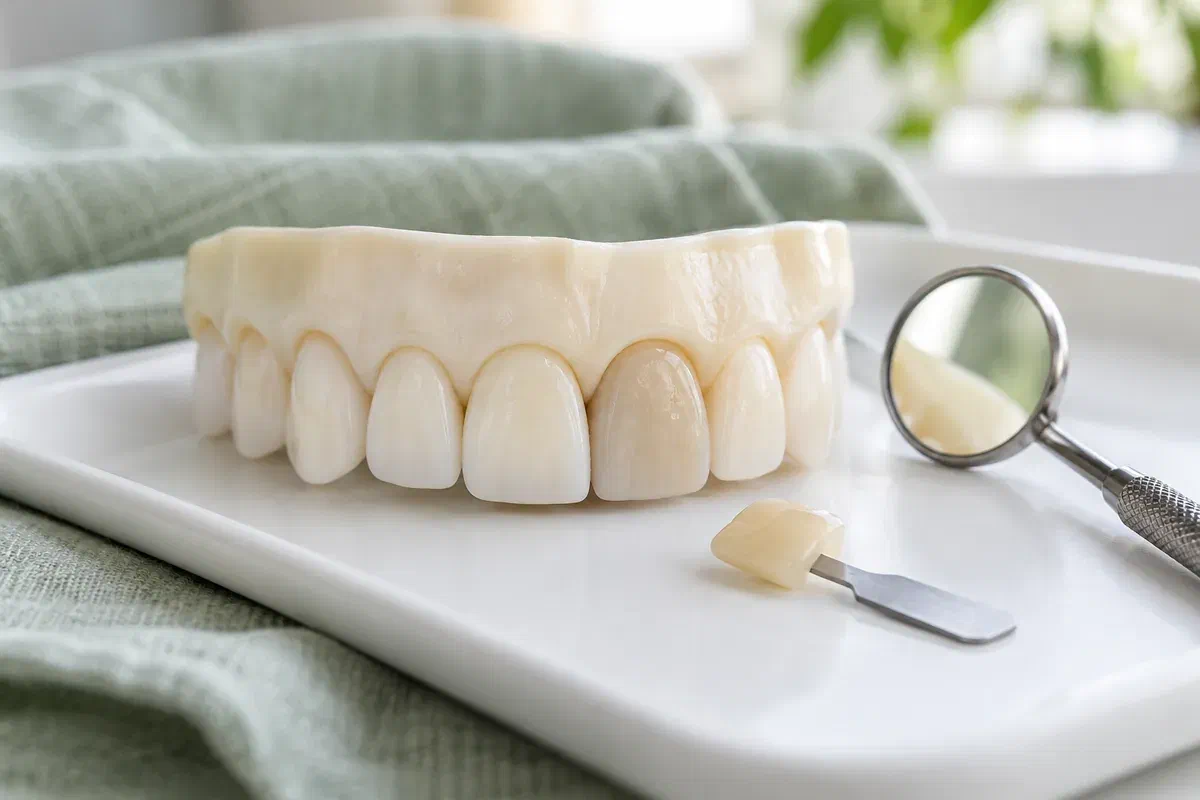
Illustrative front-teeth model with one subtly darker central tooth beside a shade sample
Questions about the tooth's history

Colour is one finding. The tooth's condition guides the decision.

Explain when the change began and whether the tooth has been treated before. A cosmetic discussion should build on an understanding of the tooth rather than replace that assessment.

Darkening after a previous injury

Tell the clinician when the injury happened and what care followed, even if it was years ago. The history can matter when reviewing the tooth and the risks of treatment. A change in colour alone does not establish the current status of the tissues.

A root-treated tooth that no longer blends

Point out the difference that concerns you and describe any earlier restoration or bleaching. Ask whether the colour comes from the tooth, restorative material, or another source. That distinction affects what a bleaching procedure might reasonably change.

Pain, swelling, or a problem with an existing filling

Mention symptoms and changes in the access filling or other restoration. Bleaching does not treat an infection or repair a structural defect. The clinician can explain whether further endodontic or restorative assessment should come first.

Do not open a tooth, remove a filling, or place a whitening product inside it yourself. Internal bleaching requires assessment, protection of the root filling, and a specific professional treatment plan.

What internal bleaching may offer

Consider a colour change before committing to broader coverage.

For a suitable tooth, internal bleaching may lighten discolouration without covering the entire visible surface with a veneer or crown. The amount of improvement varies. A closer match may be possible, but complete or permanent matching should not be promised.

The comparison includes risks and future care. Colour can return, existing restorations may no longer match, and further treatment may be needed. An uncommon but potentially serious complication is external cervical root resorption, involving loss of tooth structure near the neck of the root.

Patient information: Leeds Teaching Hospitals — whitening and non-vital bleaching · Research review — internal bleaching and external cervical resorption

A focused approach to one tooth's colour

Ask whether the proposal targets the specific cause of the dark appearance. You may want the tooth to blend with the existing smile rather than whiten every tooth. Clarify how the desired shade will be assessed and when the result will be reviewed.

A comparison that includes preservation of structure

Discuss how bleaching compares with covering the tooth and what preparation each alternative would require. The tooth may still need a suitable final restoration for its existing condition. Colour improvement and structural protection are related decisions, but they are not identical.

A plan for monitoring rather than assuming success

Ask how the clinician will assess the response and decide when to stop or reconsider the approach. You should understand the review schedule and what would happen if the colour change is limited. A useful plan includes an endpoint, not indefinite bleaching.

How internal bleaching is planned

Assess the root-treated tooth, protect it, and review the response.

The clinician chooses a suitable technique after examination. Ask about the appointments, temporary restoration, safety measures, and final sealing of the tooth.

  1. Check the tooth and establish the starting shade

    Review the history, symptoms, existing restoration, and root canal treatment. Relevant radiographs and colour records may be needed. Ask whether the tooth is suitable now or whether endodontic review, repair, or another investigation is required first.

  2. Discuss the method, risks, and alternatives

    The clinician explains the proposed technique and how the root filling and surrounding tissues will be protected. Review expected limits, possible complications, costs, and the alternative of accepting the current colour. Confirm what is included in follow-up and the final restoration.

  3. Carry out the supervised bleaching stages

    Access to the crown portion is managed by the clinician, with an appropriate protective barrier and bleaching protocol. Some approaches use a temporary seal between appointments. Follow only the instructions for your procedure and attend the scheduled reviews rather than changing the treatment yourself.

  4. Assess the colour and restore the access appropriately

    The response is reviewed and the clinician decides when bleaching should stop. The tooth then needs an appropriate final seal or restoration at the planned time. Ask whether an existing visible filling needs shade adjustment and what longer-term monitoring is advised.

Between visits and after bleaching

Protect the tooth and keep the review schedule.

Aftercare depends on the technique and restoration stage. Ask for clear written instructions and a contact route if the temporary filling, tooth, or surrounding tissue changes.

Follow the exact professional instructions

Do not add extra whitening products, extend a treatment stage, or alter a temporary seal yourself. If instructions are unclear, contact the team before improvising. The clinician needs to know what has been used and how the tooth has responded.

Look after any temporary restoration

Follow the eating and cleaning advice for the tooth while treatment is underway. Report a temporary filling that loosens, breaks, or comes away. Do not assume that the planned review is the right time to mention a lost seal.

Complete the final restoration and ongoing reviews

Attend the appointment to finish the access restoration even if you are already satisfied with the colour. Continue the recommended dental reviews and report later changes. A lighter appearance does not remove the need to monitor a previously root-treated tooth.

Patient information: American Association of Endodontists — root resorption

Choosing a response to a darker tooth

The cause of the colour and the tooth's condition come first.

Ask what each option would change and whether the tooth needs treatment beyond appearance. The least extensive suitable choice may differ from one case to another.

When the assessment supports a supervised colour change

Internal bleaching of a suitable root-treated tooth

This approach may be considered for internal discolouration after the relevant condition of the tooth has been reviewed. Discuss the response limits, protective measures, and final restoration. It is not the same as using a general whitening strip or tray.

When health or structural findings need attention

Endodontic or restorative care before cosmetic treatment

An inadequate seal, a symptom, or another concern may require investigation or treatment first. Ask why that step is recommended and whether it could affect the cosmetic options. Bleaching cannot substitute for resolving an active problem.

When the tooth or your preference calls for another choice

A surface restoration, another whitening approach, or observation

Depending on the cause, a different approach may be more suitable. Compare preparation, maintenance, and likely matching limits. You can also accept a healthy colour difference after understanding the findings and the alternatives.

Questions about internal tooth bleaching

Understand why one tooth may need a different whitening discussion.

Bring questions about the earlier root canal treatment, the expected colour change, and the stages needed to protect and restore the tooth.

(905) 876-4488
Can any dark tooth be internally bleached, even if it has never had root canal treatment?
No. Internal bleaching is considered for selected root-treated teeth after assessment. A dark tooth without that history needs a diagnosis of the colour change and tissue condition. Root canal treatment should not be assumed necessary simply to make whitening possible.
Why might the dentist request an X-ray before internal bleaching?
The clinician may need to review the root filling, surrounding tissues, and relevant structural findings. The image answers questions about suitability and any care needed first. Ask what the record is intended to clarify in your case.
Will internal bleaching also lighten the filling already visible on that tooth?
Restorative material does not change colour like natural tooth tissue. An existing filling may need reassessment if the tooth shade changes. Discuss that possibility and any additional restoration costs before beginning the bleaching stages.
What is the root resorption risk discussed before internal bleaching?
External cervical resorption is loss of tooth structure near the neck of the root. It is an uncommon but important potential complication. Ask how your tooth’s history affects the discussion, what protective measures are planned, and how it will be monitored.
If my internally bleached tooth darkens again, should I repeat the procedure automatically?
No. A returning colour difference should be reassessed. The clinician can consider the tooth, restoration, previous response, and risks before discussing repeat treatment or another option. Do not restart a whitening protocol without advice.
Why do I need the final access filling if the tooth already looks lighter?
The cosmetic response is only one part of treatment. The access needs an appropriate final restoration and seal according to the plan. Keep that appointment and ask about timing rather than leaving the tooth in an unfinished treatment stage.
Internal tooth bleaching in Milton

Bring the history behind the tooth that looks different.

Contact our Bronte Street practice to discuss a darker tooth and its previous treatment. We can assess the relevant findings, explain suitable options, and help you understand whether an internal bleaching discussion is appropriate.

Suitability depends on the tooth and its root canal history. Colour improvement varies, and treatment requires professional supervision and appropriate final restoration.

Visit Milton Dental Clinic
Unit 1, 342 Bronte St. S, Milton, ON L9T 5B7
Get directions Clinic hours
Monday–Thursday
11am–7pm
Friday–Sunday
By appointment only

How can we help?

Milton Dental Clinic

Have a question about your smile? Choose the option that works best for you.

For urgent dental concerns, please call.
Messages are reviewed during clinic hours.