Where and when it came off
Note the side and tooth and the day you noticed the gap. Mention whether you were eating, working outdoors, or removing the tray at the time. If you are unsure an attachment was there, we can confirm from your plan.


Out in Campbellville, a trip into town is usually combined with other errands. If an aligner attachment comes off, call first so we can tell you what to bring and whether the repair can fit into a single, well-timed visit.
Rural households tend to bundle things: groceries, a school pickup, a hardware run, and maybe a dental visit, all in one outing. That works well for an attachment repair too, as long as you arrive with what the clinician needs and the visit is timed to suit your treatment stage.
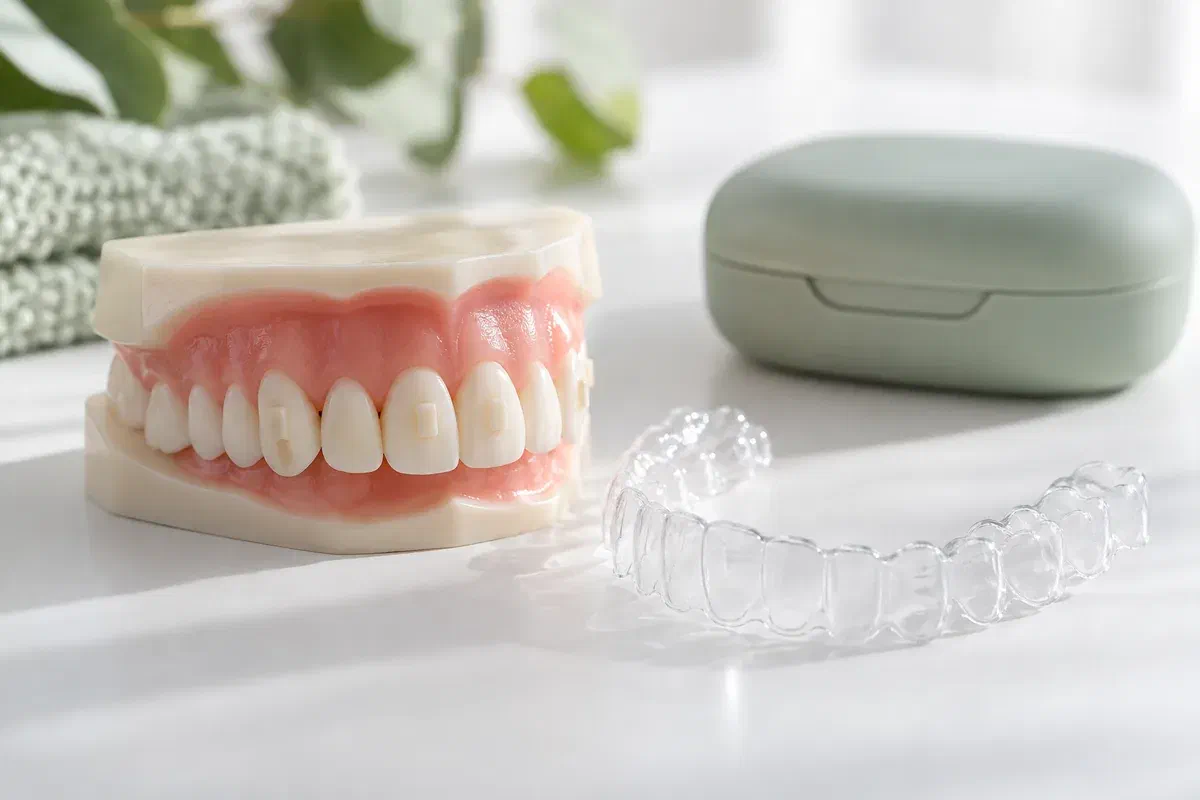
An attachment is a tiny tooth-coloured composite shape bonded to a tooth so the aligner can push or hold it precisely. Its form comes from your treatment plan. When one goes missing, the questions are the same everywhere: which tooth, how the tray now fits, and which stage you are on.
If our team supervises your aligners, phone with those details and we will suggest when to come in. If another office runs treatment, ask them first so any help is coordinated. Until then, resist the temptation to rebuild the bump with anything from the house.
Nobody expects you to know whether it is serious or why it happened. Having these answers ready means the call is short and the visit is useful.
Note the side and tooth and the day you noticed the gap. Mention whether you were eating, working outdoors, or removing the tray at the time. If you are unsure an attachment was there, we can confirm from your plan.
Check for space between tray and tooth, a sloppier fit, a bent edge, or new resistance going in. Write down the number on the tray. Please do not force it or move to the next tray to see if that helps.
Tell us about a rough edge, tender gum, or an attachment that has come away before. Patterns help the clinician look at surface, fit, or habits. A straightforward account is all that is needed, with no fault attached.
Bring your current aligners in their case, plus any other trays the team asks for. Check which tray to wear until the visit and whether your planned change should move.
Attachments are part of a designed system, so a replacement should follow the prescribed shape and position. When you are already making the trip, the clinician can also check that the aligner is tracking and catch anything else that needs care before it becomes a second outing.
An early call saves guessing about whether to stay in a tray or switch. The team can say whether to come before your next change and what to do in the meantime. Missing attachments vary enough that no single waiting time suits everyone.
Patient information: Invisalign — the purpose and placement of attachments
Ask whether the lost attachment is active right now and how much it changes this week’s instructions. Sometimes there is room to plan the visit around other commitments; sometimes sooner is better. Your plan decides.
Mention cracks, sharp spots, or fit changes in the aligner as well. The clinician can separate an attachment issue from a tray issue and address both. That spares you a follow-up trip for something that could have been checked.
Confirm your current tray, next change date, and next review. If anything differs from your printed schedule, ask for it again or have it written down. You should not have to call back later to fill in gaps.
What happens depends on whether the attachment is entirely gone, partly broken, or linked to something else. Mention any filling, crown, or recent work on the tooth.
We cover the tray you are wearing, your daily wear, the date of the loss, and how the area feels. The clinician then checks what your plan expects of that tooth. If another office supervises, we may need their records first.
Any composite still in place is assessed, and the aligner is seated where it helps to compare. Ask whether the issue extends beyond the attachment. You will hear the findings before any material goes on.
For a replacement, the enamel surface is primed for bonding and composite is formed to the planned design, usually using a template. A curing light sets it and leftover material is trimmed. This step belongs in the clinic.
The tray is tried over the new attachment and the clinician explains how to continue. If removal has been tricky, practise before you go. Confirm your stage, your next change, and whether to call before driving in if it happens again.
Keep to your treating clinician’s wear and change instructions. A replacement on its own is not a reason to repeat a tray, skip forward, or add days.
If the tray catches, ask for a refresher at your next contact. Avoid removing aligners more than necessary and do not flex them over a ridge. Report fit concerns instead of trimming or filing.
Brush gently around each attachment and stay with your interdental routine, including on long days outdoors. Ask for tips on hard-to-reach spots. Do not avoid a tooth because of an attachment, and mention irritation that lingers.
Do not pick at attachments or use your teeth to open things. If one chips or comes off again, note the date and call before you make the trip. Repeated loss calls for reassessment, not force or home adhesive.
When you call, have the tooth, tray number, and any fit or comfort changes to hand. We can then suggest the best timing for your visit.
If you are having aligner treatment with us and an attachment chips or comes off, phone our Bronte Street practice. Tell us your tray, the tooth involved, and how it feels, so we can suggest a visit time that suits your stage.
If another clinic supervises your aligners, contact them for direction first. Please call about urgent symptoms rather than relying on an online request.
