

Illustrative adult patient discussing a limited aligner plan with a dental clinician
Cosmetic Dentistry

Invisalign Express in Halton Hills

Already holding one aligner proposal and unsure about it? For people across Halton Hills, a second conversation can clarify whether Invisalign Express is a sensible scope for your teeth, what it would leave alone, and how it compares with broader options.

A second look at a limited plan

Two proposals rarely say the same thing, and that is useful.

Perhaps someone has already suggested a short aligner course, or you have seen a quote that seems too simple or too involved. Invisalign Express is intended for selected minor tooth movements, such as a little crowding, a small space, or modest relapse after past braces. A second opinion helps test whether the proposed movements really fit that narrower scope.

Comparing plans is easier when you know what to compare. Each limited plan stops at a chosen endpoint. Look at where the teeth would finish, how the bite would close, and which features each proposal intends to leave unchanged, rather than comparing only tray numbers or estimates.

From Georgetown, Acton, Glen Williams, or a smaller hamlet in Halton Hills, bring any proposal you have received, earlier orthodontic records, and your own list of priorities to our Bronte Street practice. We will explain what we would need to examine and give you our own view on whether short-scope treatment is sensible. Ask which product and terms would apply here, since offers from different offices can vary considerably.

Get a second view on your plan
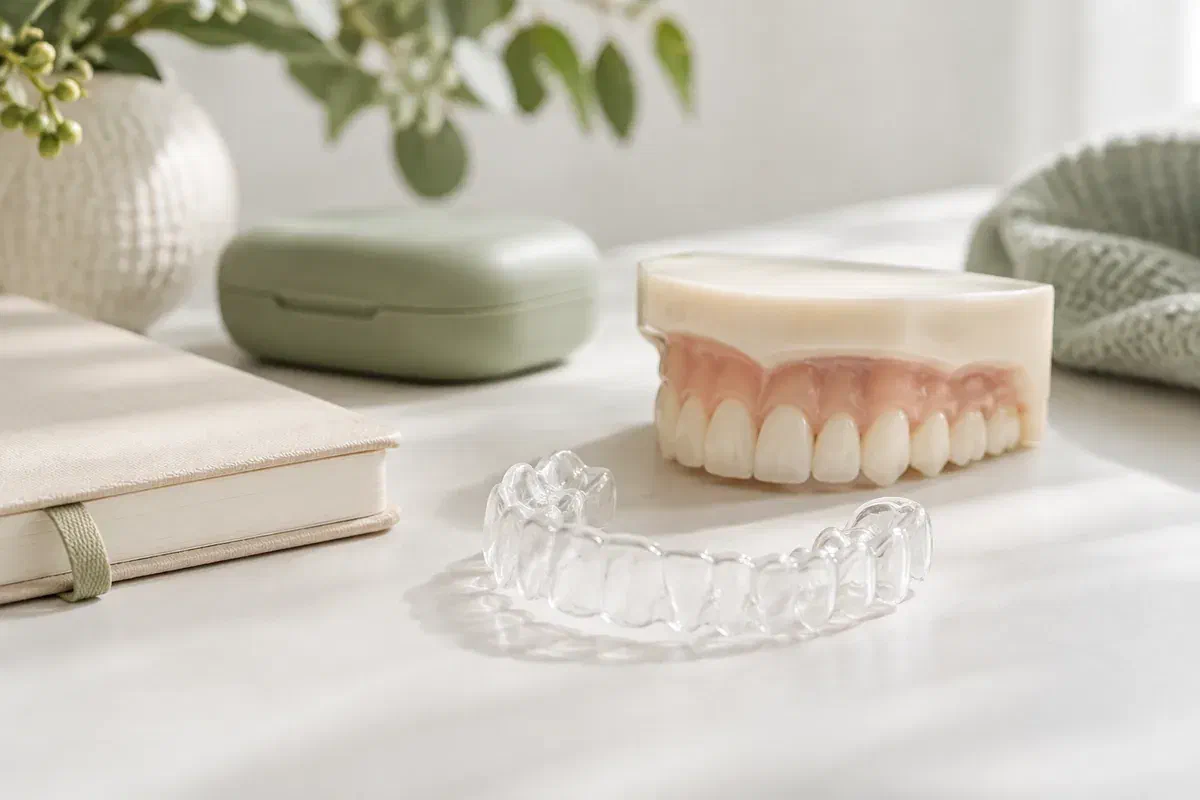
Illustrative clear aligner, tooth model, notebook, and protective case
What a second opinion examines

Look past the package to the movement.

Gaps, turned teeth, and relapse after braces each have their own causes. A sound review links your visible concern with the teeth, gums, and bite around it, whatever another proposal assumed.

Change since earlier orthodontic care

Share when you first saw the shift and whether your retainer still fits or has been lost or damaged. Bring it if you have it. Past treatment makes limited aligners worth discussing, though it does not settle suitability, and a tight retainer should not be pushed back in.

A front tooth linked to how you bite

Ask whether straightening the tooth you notice needs room from other teeth or a change in the bite. Appearance and function belong in the same conversation. A narrow plan should still consider the contacts that surround the tooth.

Pressure to start by a certain date

If the first proposal came with a suggested start or finish date, tell us. Timing preferences are legitimate but cannot dictate scope. Ask what is realistic for your movements, what could lengthen treatment, and whether beginning soon is wise.

No package title fixes your tray count, duration, fee, or eligibility for more aligners. Ask that each proposal you are comparing be explained line by line before you decide.

Where a limited plan can be the right call

A narrow scope is a strength when it matches the problem.

If your concern genuinely suits limited treatment, a short plan keeps the work on a small, agreed set of changes. Its value lies in that clarity of scope. It still involves examination and review, and any clinician should be able to explain why the scope is appropriate.

Laying two clear proposals side by side shows where they truly differ. If one recommends broader treatment, ask what added issue it addresses and whether that matters to you. If you decide not to proceed with either, ask whether any exam finding needs care regardless.

Patient information: Align Technology — limited-treatment product scope

Goals you can compare directly

Ask each clinician to name the teeth and contacts included and to describe the expected result. When goals are stated plainly, you can compare substance rather than packages that simply sound quicker or less expensive.

Openness about what is excluded

Some crowding or bite features may be left untouched by a shorter plan. Ask which ones, why, and what that could mean later. If two proposals exclude different things, that difference is often the most important part of the comparison.

Retention spelled out in both plans

Check whether each proposal explains the retainer, when it would be supplied, and how follow-up works. A plan that is silent on retention leaves an important question unanswered, however short its active phase.

How a review proceeds

Hear the concern, examine, compare, decide.

Our recommendation follows our own findings, not the earlier package. These stages describe the conversation and assessment, with no assumed tray count or finishing date.

  1. Walk us through your concern and the prior proposal

    Show the change you want and explain any recent shifting, soreness, or retainer issue. Bring the earlier proposal and records if you have them. Tell us your priorities and practical constraints so our view reflects the whole situation.

  2. An independent examination

    The clinician assesses teeth, gums, and how they meet. Fresh records may be needed even if others were taken elsewhere. Ask what each record shows and whether another dental issue should be addressed before alignment.

  3. A frank comparison

    We review the intended changes, limits, risks, responsibilities, and estimate, and how they differ from what you were shown. Ask about attachments and their purpose. If the movement exceeds a limited package, a broader plan or referral may be advised.

  4. Clarity before any commitment

    If you choose to begin, confirm wear time, tray changes, review visits, and who to contact about fit. Ask what will show the clinician that movement is complete, since the last tray in a set does not prove it.

If you go ahead

The routine is the same, whichever plan you choose.

Your instructions and your reviews carry a short course. Even a modest goal depends on regular wear, clean aligners, and getting in touch when anything changes.

Arrange wear around family and work

Ask how meals, drinks, cleaning, and busy household mornings fit your instructions. Keep a case handy and practise before a full week. A shorter sequence never justifies shorter wear or early tray changes.

Speak to the team about fit problems

If a tray no longer seats, cracks, or an attachment comes loose, contact the treating clinic and say which stage you are at. Wait for direction rather than skipping, repeating, or reverting to an earlier tray by yourself.

Prepare the retainer stage early

A few weeks before treatment is due to wrap up, raise the question of retainers. Will they need a scan, and can it happen at a review you already have? Find out which appliance to wear while you wait, and keep that note somewhere the whole household can find it.

Comparing paths in Halton Hills

Which plan addresses what you actually want changed?

Ask what each option is meant to achieve. A good comparison exposes the real differences in scope instead of implying that every aligner package ends the same way.

When the minor movement is confirmed on review

Invisalign Express as proposed

A limited plan may be reasonable when the needed changes fit its scope. Check what it includes, what it leaves, and how slower progress would be managed. Confirm the actual package and terms before you sign.

When the second look finds more involved

A more comprehensive orthodontic plan

If the movements exceed what a limited plan can handle, we may suggest wider treatment or the view of an orthodontic specialist. Ask why the added scope matters. A seemingly small concern can need a more involved approach to correct responsibly.

When waiting suits you or other care comes first

Neither, at least for now

After comparing, you might decide that alignment is not a current priority. Ask whether a retainer assessment or monitoring would be helpful and whether any dental finding still needs care. Waiting should still come with clear next steps.

Second-opinion questions

Useful things to ask when comparing aligner plans

These answers help you separate a product name from the treatment each clinician is actually recommending.

(905) 876-4488
Is it reasonable to ask for a second opinion on an aligner proposal?
Yes. Elective orthodontic treatment is a decision worth taking time over. Bring the earlier proposal so the differences in scope, limits, and retention can be discussed clearly.
Why might two clinicians suggest different scopes for the same teeth?
They may weigh the bite, spacing, or your goals differently. Ask each one to explain which features their plan addresses and which it leaves, so you can see where the difference lies.
Can records taken at another office be used for an Express assessment?
Sometimes existing records are helpful as background, but new ones may still be needed for planning. Ask what is required and why.
Do two Express quotes include the same number of refinements?
Not necessarily. Ask each provider how further assessment, extra aligners, and changes in scope are handled, and confirm any limits or separate fees in writing.
Does an Invisalign Express plan always leave the bite as it is?
Not always, but a limited plan may intentionally leave some bite features outside its scope. Ask which ones and what that could mean for you over time.
Should both proposals include a retention plan?
They should. Ask how the achieved positions would be held, which retainer is proposed, and when it would be provided. Missing retention details are worth questioning.
Visit from Halton Hills

Bring the plan you were given.

Book a conversation on Bronte Street about short-scope orthodontics. We will look at your teeth independently, explain what assessment involves, and help you weigh the scope, the alternatives, and your next decision.

Suitability and package availability are confirmed after assessment. The service name guarantees no treatment length, tray count, or result.

Visit Milton Dental Clinic
Unit 1, 342 Bronte St. S, Milton, ON L9T 5B7
Get directions Clinic hours
Monday–Thursday
11am–7pm
Friday–Sunday
By appointment only

Areas we serve

  • Milton
  • Oakville
  • Mississauga
  • Georgetown
  • Halton Hills
  • Acton
  • Campbellville
  • Brampton
  • Burlington
  • Puslinch
  • Rockwood
  • Erin
  • Caledon
  • Etobicoke
  • Old Milton
  • Bronte Meadows
  • Timberlea
  • Dorset Park
  • Dempsey
  • Clarke
  • Beaty
  • Coates
  • Harrison
  • Scott
  • Willmott
  • Ford
  • Bowes
  • Cobden
  • Walker
  • Mountain View
  • Milton Heights
  • Hawthorne Village
  • Valley View
  • Fallingbrook
  • Nassagaweya
  • Trafalgar
  • Esquesing
  • Nelson
  • Brookville
  • Moffat
  • Glen Williams
  • Norval
  • Limehouse
  • Stewarttown
  • Ashgrove
  • Hornby
  • Silver Creek
  • Speyside
  • Scotch Block
  • North Oakville
  • River Oaks
  • Glen Abbey
  • West Oak Trails
  • Palermo
  • Bronte Creek
  • College Park
  • Joshua Creek
  • Uptown Core
  • Preserve
  • Iroquois Ridge
  • Lisgar
  • Meadowvale
  • Meadowvale Village
  • Churchill Meadows
  • Erin Mills
  • Central Erin Mills
  • Streetsville
  • East Credit
  • Creditview
  • Heartland
  • Sheridan
  • Mount Pleasant
  • Credit Valley
  • Huttonville
  • Churchville
  • Springbrook
  • Northwest Brampton
  • Bram West
  • Fletcher's Meadow
  • Fletcher's Creek South
  • Alton Village
  • Orchard
  • Millcroft
  • Headon Forest
  • Tansley
  • Brant Hills
  • Tyandaga
  • Kilbride
  • Lowville
  • Aberfoyle
  • Morriston
  • Arkell
  • Hillsburgh
  • Freelton
  • Carlisle
  • Waterdown
  • Flamborough
  • Mountsberg

How can we help?

Milton Dental Clinic

Have a question about your smile? Choose the option that works best for you.

For urgent dental concerns, please call.
Messages are reviewed during clinic hours.