

Illustrative adult patient discussing clear aligners with a dental clinician
Cosmetic Dentistry

Invisalign for Adults in Etobicoke

When the clinic is a longer trip, aligner treatment works best with well-organised visits and a clear plan for problems between them. From Etobicoke, explore adult Invisalign with attention to your bite, gum health, existing restorations, daily wear and long-term retention.

Planning aligners from a distance

Make each visit count.

Coming from the west end of Toronto means a longer trip than most people on our schedule make. That changes the practical questions. How many visits will this take? Which of them can be grouped? What do I do if a tray cracks on a weeknight and the next review is weeks away?

Invisalign itself is a series of removable aligners, prescribed to move teeth in planned steps. An examination of your teeth, gums and bite decides whether it is suitable, along with any crowns, implants or history of gum care. The travel involved is not a clinical factor, but it is a real one for planning.

For adults coming from Etobicoke, a consultation at our Bronte Street practice is a good place to map out the full course before committing. We can discuss what assessment is needed, how reviews might be scheduled and whether aligners, another approach or a specialist nearer home would serve you better.

Plan an aligner consultation
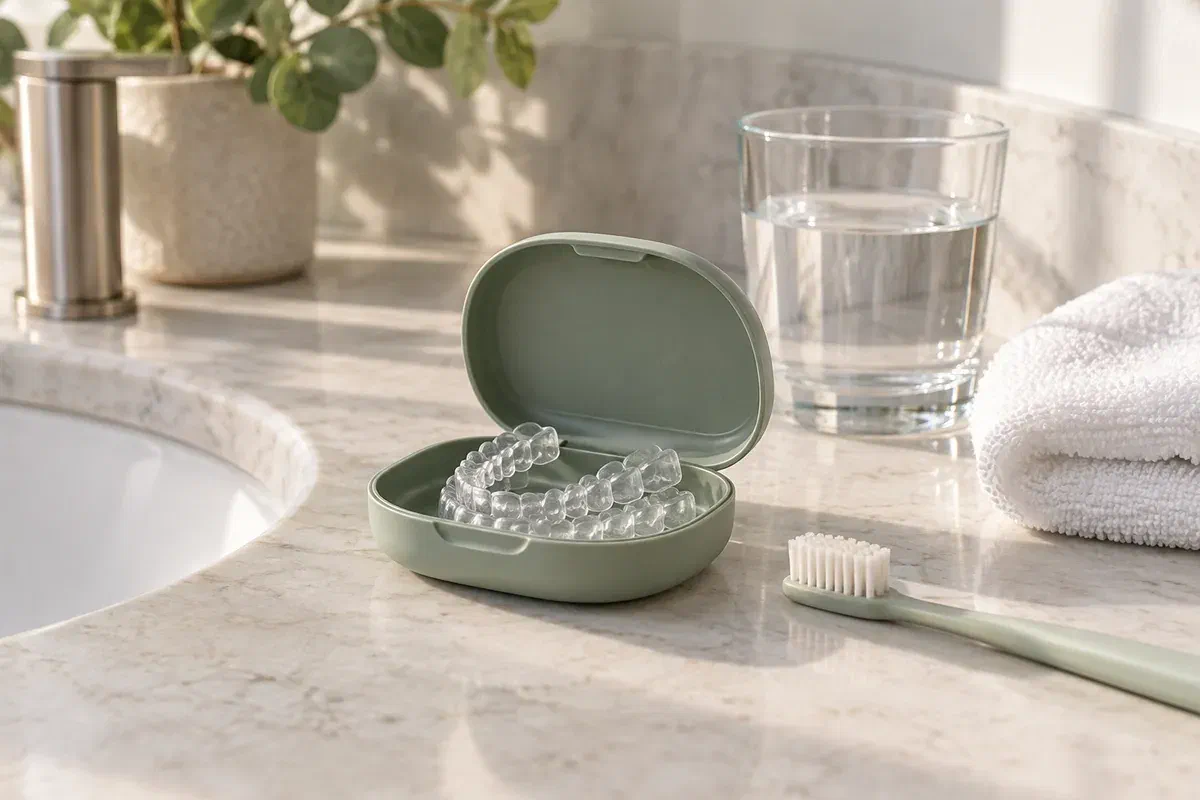
Illustrative adult aligner-care arrangement with a case, toothbrush, towel, and water
Raise these at the first visit

Get the full picture on the table early.

Explain what you want to change and what the plan must respect. When you are travelling further, complete information up front can save a return trip and helps the clinician explain limits clearly.

Restorations, present and planned

Bring a list of crowns, bridges, implants and large fillings, and any upcoming procedures with your regular dentist. These affect movement and sequence. An implant stays where it was placed, so the teeth around it must be planned with its position in mind.

Gum history and records

Mention bleeding, recession, any looseness and past periodontal treatment, and bring records if you have them. The supporting tissues need to be assessed before movement. If gum care is required, ask who will provide it and whether it can happen closer to where you live.

Travel, work and family logistics

Describe your commute, work schedule and family responsibilities, including how easily you can get to appointments. A removable appliance relies on consistent wear at home. Being upfront about constraints helps build a plan you can actually follow.

Suitability is not settled by age. The current health of your mouth, the movement involved and your ability to follow the routine matter more.

Is the trip worth it?

Judge the plan by its whole course.

Removable aligners can make eating and cleaning simpler during treatment. They also rely entirely on your wear between visits, which matters more when appointments are spaced out. Consider whether that independence suits you before comparing aligners with other options.

Your goals might centre on one tooth or several concerns. Ask the clinician which changes treatment can reasonably achieve and which features may remain. That explanation gives you a basis for deciding whether the result justifies the commitment, including the travel.

Patient information: British Orthodontic Society — considering adult orthodontic treatment

A clear focus on your main concern

Perhaps it is crowding, a rotated tooth, relapse after earlier braces or space needed for other dental work. Name it. Ask how it fits with the examination findings and whether other issues should be dealt with before alignment begins.

Coordination with your local dentist

If your regular dentist is closer to home, ask how checkups, cleanings and any specialist care will fit with aligner reviews. Agree on who handles each piece and how records will be shared, so nothing falls between offices.

A realistic schedule for the long term

Discuss how many reviews to expect, possible refinement stages, retainers and maintenance after treatment. Ask what happens if you move or your circumstances change. Knowing the full commitment is as important as the first trays.

Organising the visits

A plan designed to keep trips purposeful

Your consultation should cover your history, concerns and questions, and ideally how the appointment schedule would work for you. Ask what is included and which records or decisions may follow.

  1. Prepare before you come

    Gather your dental history, medications, health conditions and any previous orthodontic records. Think about why you want treatment now and what outcome would make it worthwhile. Mention any symptoms, even ones that seem unrelated to appearance.

  2. Assessment and records in one visit where possible

    The clinician examines the teeth, gums and bite and decides which records are needed. Ask whether these can be taken at the same appointment. Find out whether other dental or periodontal care should come first, and whether a specialist assessment is advised.

  3. Weigh the plan and the schedule

    Review the scope, risks, monitoring and alternatives, along with how often you would need to attend. Ask about attachments. Go through the estimate, extra stages and retention before deciding whether the plan suits you.

  4. Leave with everything you need

    At the start of treatment, learn how to insert, remove and clean your aligners and who to contact between visits. Confirm your wear and change schedule. Book key reviews in advance and ask which concerns can be handled by phone.

Between appointments

Be ready to handle the small things at home.

With longer gaps between visits, a dependable routine matters even more. Your treating clinician sets the instructions and can advise when something makes them hard to follow.

Keep your kit with you

Carry your case and the cleaning supplies you were shown, and keep the previous aligner set if you have been told to. Plan for meals at work and evenings out. If cleaning away from home is tricky, ask for advice rather than leaving trays out.

Stay on top of regular dental care

Continue checkups and cleanings with your regular dentist, and tell them you are in aligner treatment. Let both offices know about any procedures planned, since changes to a tooth or restoration can affect how the trays fit.

Call before you drive in

If a tray breaks, fit changes or soreness is significant, phone the team first. They can advise whether to switch aligners, wait for your review or come in. Never speed through trays to make up for missed wear.

Patient information: Invisalign Canada — treatment responsibilities and follow-up

Options worth comparing

Consider the treatment, and the travel each option involves.

Wanting a removable appliance is a fair preference. It is weighed alongside the findings, the movements required, any other treatment and how often each approach would need you to attend.

When aligners suit the agreed goals

Invisalign with planned reviews

Aligners may be appropriate when they can achieve the agreed scope and you can follow the routine between visits. Ask about limitations, review frequency and retention. Understand the plan fully before appliances are ordered.

When a different method fits the problem

Another approach or a specialist

Some movements or bite issues may be better treated another way or by an orthodontist, possibly one nearer home. Ask what that would achieve and why it is recommended. A preference for discreet treatment can still be discussed.

When health or timing should come first

Preparatory care or a later start

Other dental care may be needed first, or the timing may not suit your work or travel. Ask which findings need attention regardless. Find out how the plan could be revisited once those issues are resolved.

Planning from further away

Questions about visits, timing and the in-between

Distance adds a layer of logistics to adult treatment. These questions can help you work through it.

(905) 876-4488
Can the consultation and records be done on the same day?
Sometimes, depending on what the clinician needs after examining you. Ask when booking whether records may be taken at the first visit, and bring your dental history and medication list so the appointment is as productive as possible.
What should I do if an aligner cracks between reviews?
Contact the treating team and explain which aligner you are on and what happened. They can advise whether to move ahead, go back to the previous set or arrange a replacement. Keep earlier trays if you have been asked to.
Can my regular dentist near home handle cleanings during treatment?
Yes, ongoing checkups and hygiene visits can usually continue with your own dentist. Let them know you are in aligner treatment and ask both offices to share relevant updates, especially before any restorative work.
How many appointments does adult Invisalign usually involve from Etobicoke?
The number depends on your plan and how teeth respond. Ask at the consultation how often reviews are expected and which ones must be in person. Booking several ahead can make the travel easier to organise.
What if I have jaw clicking or discomfort before starting?
Mention it during your health history and examination. The clinician needs to know about jaw symptoms when assessing your bite and planning treatment. Ask whether further assessment is recommended before any tooth movement begins.
Can my retainers be checked without a long trip each time?
Ask about the retention plan and how follow-up would work. Some checks may need to be in person. Find out who to contact if a retainer is lost or damaged and how replacements are arranged.
Visiting from Etobicoke

Plan the whole course before your first tray.

Our Bronte Street practice can walk you through adult orthodontic assessment and whether Invisalign suits your needs. We will go over the questions, the order of care, the visit schedule and your daily responsibilities so you can decide with confidence.

Suitability, scope and any need for specialist involvement depend on an individual assessment.

Visit Milton Dental Clinic
Unit 1, 342 Bronte St. S, Milton, ON L9T 5B7
Get directions Clinic hours
Monday–Thursday
11am–7pm
Friday–Sunday
By appointment only

Areas we serve

  • Milton
  • Oakville
  • Mississauga
  • Georgetown
  • Halton Hills
  • Acton
  • Campbellville
  • Brampton
  • Burlington
  • Puslinch
  • Rockwood
  • Erin
  • Caledon
  • Etobicoke
  • Old Milton
  • Bronte Meadows
  • Timberlea
  • Dorset Park
  • Dempsey
  • Clarke
  • Beaty
  • Coates
  • Harrison
  • Scott
  • Willmott
  • Ford
  • Bowes
  • Cobden
  • Walker
  • Mountain View
  • Milton Heights
  • Hawthorne Village
  • Valley View
  • Fallingbrook
  • Nassagaweya
  • Trafalgar
  • Esquesing
  • Nelson
  • Brookville
  • Moffat
  • Glen Williams
  • Norval
  • Limehouse
  • Stewarttown
  • Ashgrove
  • Hornby
  • Silver Creek
  • Speyside
  • Scotch Block
  • North Oakville
  • River Oaks
  • Glen Abbey
  • West Oak Trails
  • Palermo
  • Bronte Creek
  • College Park
  • Joshua Creek
  • Uptown Core
  • Preserve
  • Iroquois Ridge
  • Lisgar
  • Meadowvale
  • Meadowvale Village
  • Churchill Meadows
  • Erin Mills
  • Central Erin Mills
  • Streetsville
  • East Credit
  • Creditview
  • Heartland
  • Sheridan
  • Mount Pleasant
  • Credit Valley
  • Huttonville
  • Churchville
  • Springbrook
  • Northwest Brampton
  • Bram West
  • Fletcher's Meadow
  • Fletcher's Creek South
  • Alton Village
  • Orchard
  • Millcroft
  • Headon Forest
  • Tansley
  • Brant Hills
  • Tyandaga
  • Kilbride
  • Lowville
  • Aberfoyle
  • Morriston
  • Arkell
  • Hillsburgh
  • Freelton
  • Carlisle
  • Waterdown
  • Flamborough
  • Mountsberg

How can we help?

Milton Dental Clinic

Have a question about your smile? Choose the option that works best for you.

For urgent dental concerns, please call.
Messages are reviewed during clinic hours.