

Illustrative patient discussing treatment information with a dental clinician
Cosmetic Dentistry

Invisalign Second Opinions in Acton

A folder of printouts, a few photos on your phone and a box of old trays: is that enough for another clinician to give a useful opinion? From Acton, we can help you work out which records matter, how to request them, and what a second-opinion visit can realistically tell you.

Acton second opinions

Good records make a good opinion possible.

Most people know their question long before they know what paperwork to collect. You may want to understand a proposal, check how treatment is progressing or review a suggested next phase. Gathering the right information first means the appointment can focus on your question instead of on what's missing.

An opinion rests on context. The original treatment goals, examination findings, X-rays, photographs and progress notes each tell part of the story. A snapshot from your phone or the number printed on a tray can't show whether a plan suits you or why something has changed.

Ring our Bronte Street practice, say that you'd like a second opinion and mention whether treatment has started. We'll suggest which records help and how to ask for them. Booking with us doesn't move your care; the clinician currently supervising you keeps giving instructions.

Ask what records to bring
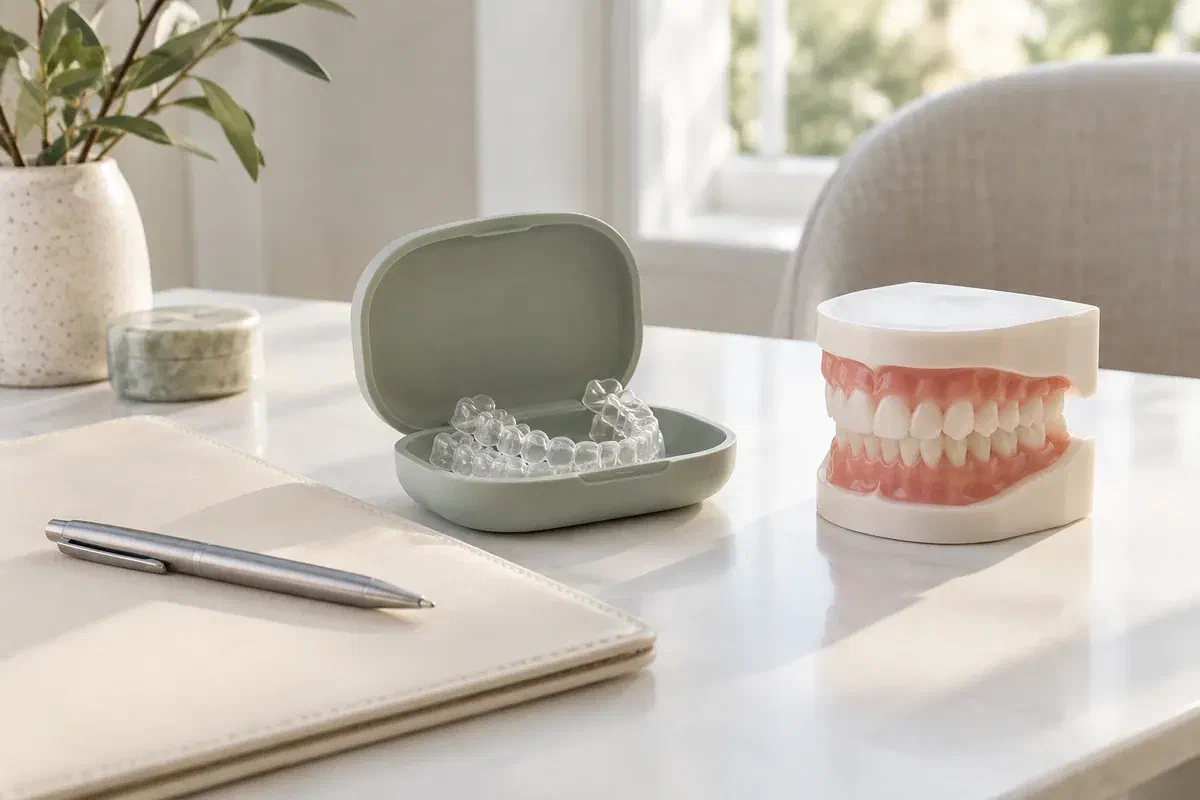
Illustrative consultation folder, pen, clear aligners, protective case, and tooth model
Reasons people start gathering records

What's prompting the question?

You can come in without a theory. Describe the recommendation or experience you'd like clarified, and we'll help you match it with the information that would address it.

Proposals that don't seem to agree

If two offices proposed different treatment, bring both written plans. Ask what each one is designed to achieve and what it leaves untouched. Differences in scope often explain why lengths and estimates vary so widely.

A tray, tooth or bite that worries you

Keep a brief log of when the issue began and which tray you were on. Bring current aligners and instructions if asked. A careful review sets the symptom beside the records and examination before discussing possible reasons.

A recommendation for the next phase

Refinements, a change of approach or a move to retainers may be on the table. Find out which documents a reviewing clinician would need to weigh it. Then decide if you're after the reasoning, a fresh independent assessment, or a conversation about moving your care.

Asking for copies of your records and another opinion is a normal, accepted part of informed care. It doesn't presume that anything has gone wrong.

Why records change the conversation

From general advice to an explanation about you

With the right information, a review can say more than generalities. It can identify which of your questions are already answered in the records, where details are missing, and whether an orthodontic specialist would be better placed to comment.

Even complete records don't make a single visit all-powerful. An exam may still be needed before commenting on a proposal. An opinion on your present needs doesn't establish fault, resolve a payment question with another office, or promise a different result.

Plans compared on what they aim to do

With both proposals in hand, ask whether they target the same concern. A limited cosmetic plan, a full bite correction and a restorative option weigh differently. Comparing aims, not just totals, explains why advice can diverge.

A clear note of what the records do and don't show

Ask which conclusions your records support and which questions they leave open. Observations and possible explanations should be kept distinct. If something is missing, ask what it would add and how to obtain it.

A next step chosen with full information

You may return to your provider with sharper questions, seek specialist input, or explore another arrangement. Ask what each would involve. The visit should inform your decision without pressing you into one.

Collecting and using your records

Request, gather, review, decide

Tell us where you are in treatment so we can suggest the right records. Someone choosing between proposals needs different material from someone partway through a series.

  1. Clarify your question with us first

    Describe what you want reviewed and any symptoms. Ask whether you'll be booking a conversation, a clinical exam or a fuller assessment. Find out the cost and what a visit of that length can reasonably include.

  2. Ask your treating office for copies

    Useful items may include the written proposal, radiographs, photographs, progress notes and correspondence. Request copies in writing, or authorise them to send records directly. Bring your trays, case and a list of questions if we ask.

  3. Walk through the history and examine

    Explain the sequence of treatment, any instruction changes and when concerns started. The clinician compares the records with what an examination shows today. Where the paperwork has gaps, you may be asked for more before a view is given.

  4. Discuss findings and confirm responsibilities

    Ask what the review suggests, what remains uncertain and whether specialist care is recommended. Agree on how findings may be shared with your treating clinician. Leave knowing who gives your ongoing instructions and whether a transfer needs separate discussion.

Once the review is complete

File the findings with the rest of your records.

A second opinion adds another document to the story. Keep track of what was recommended and by whom before you change anything about your treatment.

Keep a written summary of both views

Note what's now clear and what isn't. Where opinions differ, ask whether the difference relates to diagnosis, goals, scope or approach. If it helps, ask the clinicians to compare findings directly rather than relaying technical details yourself.

Check instructions with your supervising clinician

While you think things over, the clinician directing your active treatment should confirm which tray to wear and when to return. Don't stop, skip ahead or combine instructions from different plans. Call promptly if a new concern makes wear hard.

Put any transfer agreement in writing

Changing providers requires clear terms covering who accepts the case, which records move, each party's responsibilities, fees and the plan. Booking a review doesn't mean another office has taken charge. Check how the handover would be coordinated and who you'd phone with an urgent problem.

What the findings can lead to

Your records, your decision

Your findings and your original question shape the sensible next move. Ask which parts of the advice rest on evidence and which choices are yours to make.

When the explanation fills the gaps

Stay with your original clinician

A clearer understanding of the goals and limits may be all you needed. Bring any remaining questions back to the treating team, and ask whether anything from the review is worth sharing with them.

When key information is still missing

Obtain more records or orthodontic input

Sometimes the records can't support a confident opinion, or the concern calls for specialist expertise. Ask what extra information or referral would settle. Confirm who continues to supervise your treatment while that happens.

When you'd like to consider a change

Explore a structured move to another provider

Ask whether another clinician could accept you and what their approach would involve. Go through the records, estimates and responsibilities before agreeing. Plan any change around continuity rather than assuming it after one visit.

Records and second opinions in Acton

What to request, what to bring, what to expect

The right records and a focused question make the visit far more useful. Let us know about current treatment when you call.

(905) 876-4488
Am I entitled to copies of my Invisalign treatment records?
Patients in Ontario can generally request copies of their dental records. Ask your treating office how to make the request and whether there’s a fee for copying. Explain that the copies are for a second opinion.
Are the digital treatment simulations part of my records?
That varies, so check with the office that planned your treatment. Some planning information may be available as images or reports. The clinician reviewing your case can tell you whether it would be helpful for their assessment.
What if I can't get all my records before the appointment?
Let the reviewing clinic know. Some questions can still be discussed with partial information, but the opinion may be more limited. Further records or an examination may be suggested to fill the gaps.
Should I bring old aligners as well as my current ones?
Ask when booking. Current trays are often the most relevant, but the clinic may want to see others depending on your question. Keep wearing your current tray as directed while you wait.
Will the reviewing dentist keep a copy of my records?
A clinic that examines you creates its own record of the visit and may keep copies of documents reviewed. Ask how your information will be stored and shared, and with whom.
Can I drop off records from Acton before my visit?
Call first to ask how records are best delivered. Many offices prefer them to arrive directly from your treating clinic with your consent, so nothing is lost and the reviewing clinician can look ahead of time.
Arrange your review from Acton

Gather what you can. We'll help with the rest.

Contact our Bronte Street practice to set up a second-opinion appointment. Let us know if treatment has begun, and we'll walk you through the useful records, the scope of the visit and the usual next steps.

No review can guarantee different advice or acceptance of a transfer. Please ask about fees and any records required when booking.

Visit Milton Dental Clinic
Unit 1, 342 Bronte St. S, Milton, ON L9T 5B7
Get directions Clinic hours
Monday–Thursday
11am–7pm
Friday–Sunday
By appointment only

Areas we serve

  • Milton
  • Oakville
  • Mississauga
  • Georgetown
  • Halton Hills
  • Acton
  • Campbellville
  • Brampton
  • Burlington
  • Puslinch
  • Rockwood
  • Erin
  • Caledon
  • Etobicoke
  • Old Milton
  • Bronte Meadows
  • Timberlea
  • Dorset Park
  • Dempsey
  • Clarke
  • Beaty
  • Coates
  • Harrison
  • Scott
  • Willmott
  • Ford
  • Bowes
  • Cobden
  • Walker
  • Mountain View
  • Milton Heights
  • Hawthorne Village
  • Valley View
  • Fallingbrook
  • Nassagaweya
  • Trafalgar
  • Esquesing
  • Nelson
  • Brookville
  • Moffat
  • Glen Williams
  • Norval
  • Limehouse
  • Stewarttown
  • Ashgrove
  • Hornby
  • Silver Creek
  • Speyside
  • Scotch Block
  • North Oakville
  • River Oaks
  • Glen Abbey
  • West Oak Trails
  • Palermo
  • Bronte Creek
  • College Park
  • Joshua Creek
  • Uptown Core
  • Preserve
  • Iroquois Ridge
  • Lisgar
  • Meadowvale
  • Meadowvale Village
  • Churchill Meadows
  • Erin Mills
  • Central Erin Mills
  • Streetsville
  • East Credit
  • Creditview
  • Heartland
  • Sheridan
  • Mount Pleasant
  • Credit Valley
  • Huttonville
  • Churchville
  • Springbrook
  • Northwest Brampton
  • Bram West
  • Fletcher's Meadow
  • Fletcher's Creek South
  • Alton Village
  • Orchard
  • Millcroft
  • Headon Forest
  • Tansley
  • Brant Hills
  • Tyandaga
  • Kilbride
  • Lowville
  • Aberfoyle
  • Morriston
  • Arkell
  • Hillsburgh
  • Freelton
  • Carlisle
  • Waterdown
  • Flamborough
  • Mountsberg

How can we help?

Milton Dental Clinic

Have a question about your smile? Choose the option that works best for you.

For urgent dental concerns, please call.
Messages are reviewed during clinic hours.