

Illustrative patient discussing treatment information with a dental clinician
Cosmetic Dentistry

Invisalign Second Opinions in Halton Hills

Your back teeth meet differently than they did a few months ago, or chewing feels unfamiliar since you started aligners. From anywhere in Halton Hills, you can book a second-opinion visit that looks at your bite, treatment records and goals before you decide what to do next.

Bite questions across Halton Hills

When your teeth don't seem to meet the way they used to

You notice it over dinner. One side seems to touch first, or your front teeth meet where they didn't before. Changes in how teeth come together can be part of aligner treatment, but when one worries you, it's fair to ask whether it fits the plan.

That question can't be settled by feel alone. Whether a bite change is expected depends on what treatment set out to achieve, how far along you are and what an examination shows. The original goals and records matter just as much as the symptom you're describing.

If you're coming from Georgetown, Acton, Glen Williams or a nearby hamlet, call our Bronte Street practice and describe what you've noticed and when. We'll explain the information that helps. A second opinion runs alongside your current care; your treating clinician still sets your wear instructions.

Request a bite-focused review
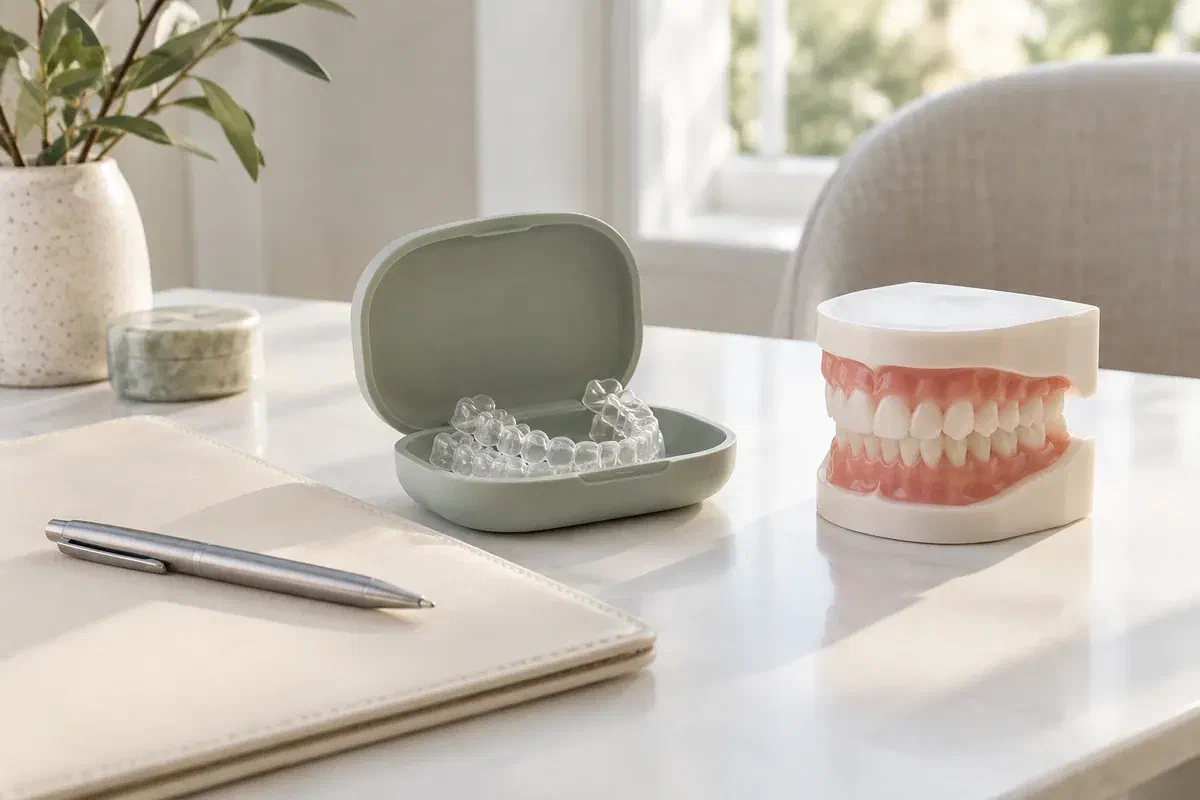
Illustrative consultation folder, pen, clear aligners, protective case, and tooth model
What people notice

A bite that feels new is worth describing carefully.

You don't need to know what's causing it. Tell us what you feel, when it began, and what you'd like explained, and we can shape the visit around that question.

Plans that set different bite goals

One proposal may have aimed only at straightening the front teeth, another at changing how the jaws meet. Bring the written plans and ask what each intended. Knowing the target explains a lot about how a bite is meant to feel along the way.

Contact, chewing or comfort changes

Keep notes on when you noticed the change, which tray you were wearing, and whether there's any soreness. Bring current aligners if asked. A sound review compares findings with your history before considering why it might be happening.

A proposed fix you'd like explained

You may have been offered refinements, attachments changed or an adjustment to the approach. Ask what records would help assess that suggestion. Be clear whether you're after an explanation, an independent view, or a conversation about switching providers.

Checking a concern with another clinician is a normal part of informed care. It doesn't mean you've decided your current treatment is going wrong.

How a review helps

Context for a change you can feel but can't explain

Reassurance and understanding are often the most useful results. Another assessment can show whether your concern has already been accounted for in the plan, what information is missing, and whether an orthodontic specialist should look at your bite before treatment continues.

There are things a single appointment can't do. The reviewing clinician may need records or a fuller exam before commenting. A view of your current bite isn't a judgment of fault, a way to resolve a cost disagreement, or a promise of a particular end result.

The intended bite, explained

Ask whether the plans you've seen aim for the same outcome. A front-teeth cosmetic change, a full bite correction and a restorative approach finish in different places. Seeing the destination helps explain how things should feel on the way.

Findings kept apart from guesses

Ask which conclusions the records support and what's still uncertain. Careful advice separates what's observed from what might explain it. If more information is suggested, ask what it would show and how it might change the advice.

Options without a deadline attached

You may go back to your provider with clearer questions, seek a specialist, or consider other arrangements. Ask what each would involve. The visit should help you weigh them in your own time.

What to expect

Question, records, exam, discussion

Mention which tray you're on and whether any discomfort is involved. That helps us suggest the right appointment and the records worth asking for.

  1. Describe the bite change when booking

    Tell us what you've felt, when it started and whether there's pain. Ask whether you're booking a discussion, an examination or a fuller assessment. Check the fee and how much can reasonably be covered in one appointment.

  2. Ask for the plan and progress notes

    Helpful items may include the treatment proposal, X-rays, photographs and any notes on attachments or adjustments. Request copies, or have the offices share them with your consent. Bring your trays and a list of questions if asked.

  3. Go over your timeline and examine the bite

    Explain the tray sequence and any changes in instructions or symptoms. The clinician weighs the records against today's examination findings. Gaps in information may mean further records are needed before an opinion is fair.

  4. Discuss what was found and who follows up

    Ask what the review suggests, what can't yet be known and whether specialist input would help. Agree on sharing findings with your treating clinician. Before you leave, confirm who directs your ongoing wear and whether a move of care is a separate step.

In the days after

Stay steady while you weigh what you heard.

A second view may answer your bite question or lead to new ones. Clarify the recommendation before you adjust how or when you wear aligners.

Sort out where the views differ

Write down what's settled and what isn't. If advice from two clinicians diverges, ask whether it's about diagnosis, goals, scope or technique. It's reasonable to ask them to compare notes rather than trying to reconcile bite details yourself.

Keep to the instructions you already have

Your treating clinician remains the one to tell you which tray to wear and when to return. Avoid stopping, jumping ahead or mixing guidance from separate plans. If discomfort makes wear hard, ask for advice promptly.

Get clarity before any handover

Moving care means agreeing on who accepts the case, how records move, who is responsible for what, the fees involved and the revised plan. A consultation alone isn't a takeover. Ask how care would stay coordinated and who to call urgently.

Next steps to consider

Different findings point to different choices.

What makes sense depends on the examination and the question you brought. Ask which advice follows from the evidence and which decisions are left to you.

When the bite change fits the plan

Continue with your treating clinician

Learning that a change is expected, or understanding the limits better, may be enough to carry on. Take any remaining questions back to your provider. Ask whether anything from the review is worth passing on.

When the question needs closer study

Seek more records or a specialist bite assessment

The records may not support a firm view, or your bite may need specialist orthodontic expertise. Ask what the next assessment would aim to clarify. Confirm who supervises your trays until then.

When you'd like to explore another clinician

Look at a carefully arranged change of care

Ask whether a different provider could take you on and how their approach would differ. Review the records, likely costs and each party's role before agreeing. Plan any switch around continuity rather than assuming it after one appointment.

Halton Hills FAQ

Bite changes, aligners and second opinions

A clear description of the change and relevant records help the visit. Tell us about current treatment when you call.

(905) 876-4488
Is it normal for my bite to feel different during aligner treatment?
Some change in how teeth meet can occur as they move. Whether a particular change is expected depends on your plan and findings. Ask your treating clinician first, and consider a second opinion if questions remain.
Should I stop wearing aligners if my bite feels off?
Don’t stop or change trays on your own. Contact the clinician supervising your treatment for instructions. If there’s significant pain or you can’t wear the tray, seek prompt advice instead of waiting for a later appointment.
Can a second opinion look at jaw discomfort as well as my teeth?
You can describe any jaw discomfort, and the clinician can consider it within the examination. Some concerns may need further assessment or referral. Ask what the visit can address when booking.
What records help if my concern is about my bite?
Ask for a specific list. The treatment proposal, X-rays, photographs and progress notes about attachments or adjustments may all be useful. Your current trays can also help if the clinic asks you to bring them.
Could a bite concern mean I need an orthodontist rather than a general dentist?
It might, depending on findings. A second opinion can suggest specialist input when a concern seems to need it. Ask what a referral would aim to answer and who supervises you meanwhile.
How can households in Halton Hills fit a review into a busy week?
Our hours are Monday to Thursday, 11am to 7pm, with Friday to Sunday by appointment only. Ask whether records can be sent ahead and how long to allow, so one visit covers as much as possible.
Book from Halton Hills

Tell us how your bite feels now. We'll take it from there.

Contact our Bronte Street practice to arrange a second-opinion appointment. Mention which tray you're on and what's changed, and we'll explain the records, scope and possible next steps.

A review doesn't guarantee a different recommendation or that we can take over care. Ask about fees and records when you book.

Visit Milton Dental Clinic
Unit 1, 342 Bronte St. S, Milton, ON L9T 5B7
Get directions Clinic hours
Monday–Thursday
11am–7pm
Friday–Sunday
By appointment only

Areas we serve

  • Milton
  • Oakville
  • Mississauga
  • Georgetown
  • Halton Hills
  • Acton
  • Campbellville
  • Brampton
  • Burlington
  • Puslinch
  • Rockwood
  • Erin
  • Caledon
  • Etobicoke
  • Old Milton
  • Bronte Meadows
  • Timberlea
  • Dorset Park
  • Dempsey
  • Clarke
  • Beaty
  • Coates
  • Harrison
  • Scott
  • Willmott
  • Ford
  • Bowes
  • Cobden
  • Walker
  • Mountain View
  • Milton Heights
  • Hawthorne Village
  • Valley View
  • Fallingbrook
  • Nassagaweya
  • Trafalgar
  • Esquesing
  • Nelson
  • Brookville
  • Moffat
  • Glen Williams
  • Norval
  • Limehouse
  • Stewarttown
  • Ashgrove
  • Hornby
  • Silver Creek
  • Speyside
  • Scotch Block
  • North Oakville
  • River Oaks
  • Glen Abbey
  • West Oak Trails
  • Palermo
  • Bronte Creek
  • College Park
  • Joshua Creek
  • Uptown Core
  • Preserve
  • Iroquois Ridge
  • Lisgar
  • Meadowvale
  • Meadowvale Village
  • Churchill Meadows
  • Erin Mills
  • Central Erin Mills
  • Streetsville
  • East Credit
  • Creditview
  • Heartland
  • Sheridan
  • Mount Pleasant
  • Credit Valley
  • Huttonville
  • Churchville
  • Springbrook
  • Northwest Brampton
  • Bram West
  • Fletcher's Meadow
  • Fletcher's Creek South
  • Alton Village
  • Orchard
  • Millcroft
  • Headon Forest
  • Tansley
  • Brant Hills
  • Tyandaga
  • Kilbride
  • Lowville
  • Aberfoyle
  • Morriston
  • Arkell
  • Hillsburgh
  • Freelton
  • Carlisle
  • Waterdown
  • Flamborough
  • Mountsberg

How can we help?

Milton Dental Clinic

Have a question about your smile? Choose the option that works best for you.

For urgent dental concerns, please call.
Messages are reviewed during clinic hours.