

Illustrative patient discussing treatment information with a dental clinician
Cosmetic Dentistry

Invisalign Second Opinions in Mississauga

A move, a new job or a change in your schedule can make you rethink where aligner treatment continues. For people in Mississauga weighing a change of provider, a second-opinion visit can explain the records, current findings and steps a careful transfer would actually require.

Mississauga transfer questions

Changing offices mid-treatment starts with understanding the plan.

Life rarely pauses for orthodontic treatment. People relocate, change commutes or simply want care closer to their routine, and the question becomes what happens to the aligners already in the drawer. Before any handover, an independent review can help you understand where treatment stands.

Taking on someone else's case is not as simple as picking up the next tray. A new clinician needs the original goals, the treatment records and an examination of how things look today. Only then can anyone say whether a transfer is practical and what it would involve.

Reach out to our Bronte Street practice and explain that you're exploring a change, not just a check. We'll describe the information that helps and what a first visit can establish. Until a transfer is formally agreed, your current clinician stays responsible for your instructions.

Discuss a possible transfer
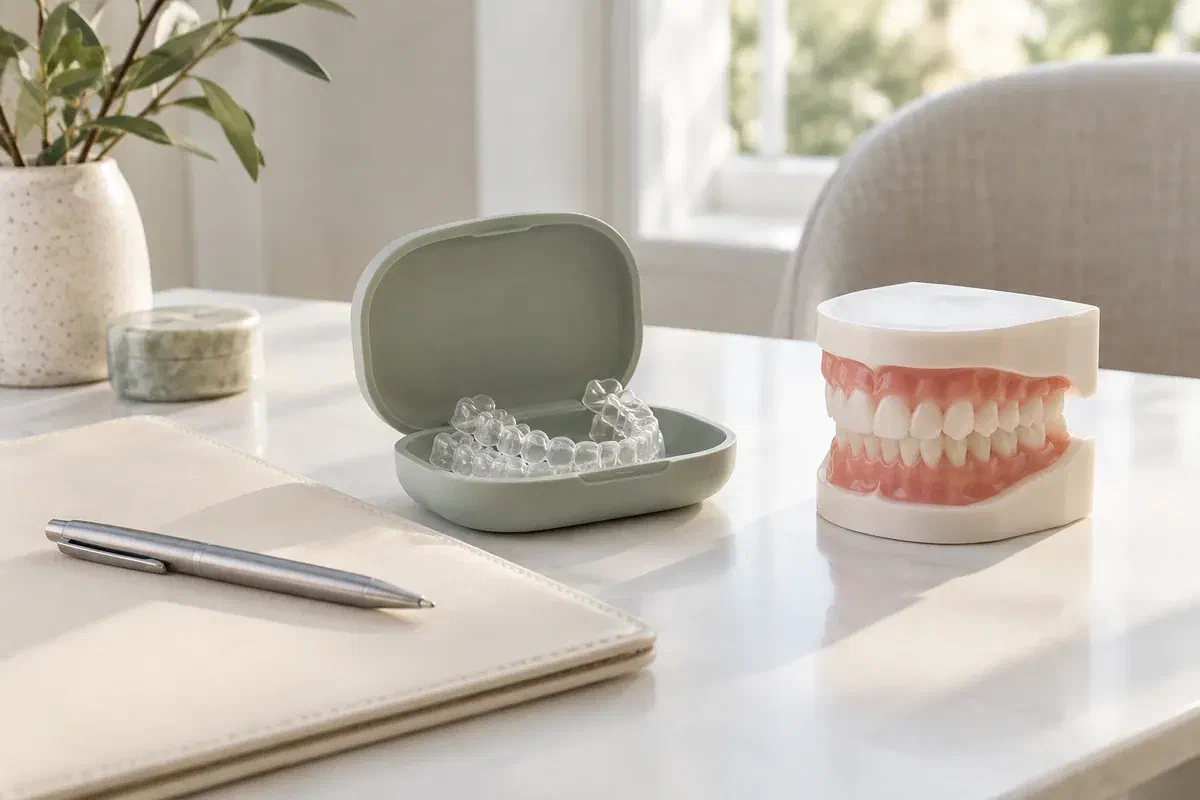
Illustrative consultation folder, pen, clear aligners, protective case, and tooth model
Situations that lead to this visit

Relocation is one reason. There are others.

Some people want another view before moving; others want reassurance before staying. Tell us what's behind the question and what you'd like to leave knowing.

Two offices, two different plans

A new clinic may describe your case differently from the one that started it. Bring any written proposals and ask what each is meant to achieve. A difference in scope often explains why the suggested next steps don't match.

Concerns about how treatment is going

Note any fit problems, bite changes or remaining worries, and when they began. Bring your trays and instructions if asked. A good review sets symptoms beside findings before discussing possible reasons, rather than guessing from a quick summary.

A next stage that's hard to follow

Perhaps you've been told refinements are due, or that retention is next, just as you're thinking about moving. Ask what records would help evaluate that. Decide whether you want an explanation, an independent opinion, or a transfer discussion.

Exploring another provider or another opinion is a normal decision for an informed patient. It doesn't require you to believe your current care has been wrong.

What a review clarifies before a move

Know what you'd be handing over.

A transfer works best when everyone understands the starting point. An independent assessment can show which parts of the plan are clear, where records are incomplete, and whether a specialist orthodontist should be involved before care changes hands.

Be realistic about what one appointment can settle. The reviewing clinician may need further records or an exam before commenting. An opinion on your current needs doesn't decide fault, sort out refunds or fees with another office, or guarantee that a new provider can take the case.

A shared understanding of the goal

Ask whether the original plan and any new suggestion are aiming at the same result. A limited cosmetic change, broader bite correction and a restorative route each carry different tradeoffs. That comparison matters most when someone new may continue the work.

A record of what's known so far

Ask which conclusions the records can support and which remain open. Findings and possible explanations should be described separately. If more information is needed, ask what it would clarify and how it might affect whether a transfer makes sense.

Realistic options for continuing care

You may decide to stay, seek specialist care, or pursue a planned handover. Ask what each would involve in time, records and coordination. The goal is to help you choose, not to hurry you into switching.

From enquiry to clear next steps

Here's how the review usually unfolds.

Tell us if you're still at your original office, between providers, or about to move. Your situation affects which appointment and records make sense.

  1. Explain why you're looking at a change

    When booking, describe your reasons and any current symptoms. Ask whether the visit is a discussion, a clinical exam or a more detailed assessment. Confirm the fee and what can be reviewed in the time available.

  2. Request your records with permission

    Items that help may include the treatment proposal, X-rays, photographs, progress notes and correspondence. Ask your current office for copies, or authorise them to share directly. Bring your remaining trays and a list of questions if requested.

  3. Review progress and examine today's position

    Describe the tray sequence, instruction changes and any symptoms. The clinician reviews what the records show alongside current findings. If key information is missing, more records may be needed before a transfer can be discussed properly.

  4. Agree on findings and who leads for now

    Ask what the review shows, what's uncertain and whether specialist input is recommended. Discuss how findings can be shared with your treating office. Before leaving, confirm who gives day-to-day instructions and what a formal transfer would require.

While you decide whether to switch

One clinician in charge until the handover is real.

It's easy to feel in limbo between offices. Keep a single set of instructions and be sure what's been agreed before changing anything.

Compare advice from each office

Write down what's settled and what isn't. If recommendations differ, ask whether the difference is about diagnosis, goals, scope or approach. Where it helps, ask the clinicians to talk with each other rather than relaying technical points yourself.

Keep wearing trays as currently directed

Your present clinician should still guide which aligner to wear and when to return. Don't pause, skip forward or mix advice from separate plans. If a new issue makes the instruction hard to follow, contact them promptly.

Get transfer terms agreed explicitly

A handover needs clear agreement on acceptance, records, responsibilities, fees and the revised plan. One consultation isn't a takeover. Ask how coordination will work during the switch and who answers urgent questions in between.

Once the review is done

Stay, refer, or plan a transfer

The sensible next step depends on findings and what you needed answered. Ask which recommendation the evidence supports and which choices remain yours.

When staying put now feels workable

Continue where treatment began

With the goals and limits clearer, you may decide the original office is still the right fit. Take remaining questions back to them. Ask whether anything from the review would be worth sharing.

When the situation needs more detail first

Get further records or a specialist opinion

Current information may not support a firm view, or the case may call for orthodontic expertise. Ask what the next assessment would aim to resolve. Clarify referral steps and who supervises active care meanwhile.

When moving care is the goal

Arrange a coordinated change of provider

Ask whether another clinician can accept the case and what a revised plan would require. Review records, estimates, responsibilities and limitations before agreeing. A transfer should be planned for continuity, not assumed after a single appointment.

Mississauga aligner transfer FAQ

Moving your treatment? Start with these answers.

Relevant records and a clear reason for the visit make it more productive. Mention any ongoing treatment when you get in touch.

(905) 876-4488
Can another clinic simply continue my existing Invisalign trays?
Not automatically. A new clinician would need to review your records and examine you before deciding whether to accept the case. They may continue the current plan, suggest changes, or recommend a different approach.
What happens to the trays I've already paid for if I switch?
That depends on your agreement with the original office and on what a new clinician recommends. A second opinion can’t resolve financial arrangements. Ask both offices directly so you understand the terms before deciding.
How do I request my orthodontic records for a transfer?
Ask your current office for copies, explaining the purpose. Useful items may include the proposal, radiographs, photographs and progress notes. You can also authorise them to send records directly to the reviewing clinic.
Do I have to tell my current office I'm considering a move?
You’ll usually need to request records, so they’ll likely know. Being open can help keep care coordinated. Your current clinician remains responsible for instructions until a transfer is formally agreed.
Can a second opinion tell me whether a transfer is a good idea?
It can help you weigh it by explaining current findings and what the records support. The decision is yours, and acceptance by another clinician is a separate step that depends on a fuller assessment.
Can I visit from Mississauga on a weekday evening?
Our hours are Monday to Thursday, 11am to 7pm, with Friday to Sunday by appointment only. Ask about visit length and what records to send ahead so the appointment is well organised.
Plan your review from Mississauga

Thinking about a switch? Talk it through first.

Contact our Bronte Street practice to arrange a second-opinion appointment. Let us know you're considering a transfer, and we'll explain the records, scope of the visit and what a handover would involve.

A consultation doesn't guarantee that we can accept your case or that advice will differ. Ask about fees and required records when booking.

Visit Milton Dental Clinic
Unit 1, 342 Bronte St. S, Milton, ON L9T 5B7
Get directions Clinic hours
Monday–Thursday
11am–7pm
Friday–Sunday
By appointment only

Areas we serve

  • Milton
  • Oakville
  • Mississauga
  • Georgetown
  • Halton Hills
  • Acton
  • Campbellville
  • Brampton
  • Burlington
  • Puslinch
  • Rockwood
  • Erin
  • Caledon
  • Etobicoke
  • Old Milton
  • Bronte Meadows
  • Timberlea
  • Dorset Park
  • Dempsey
  • Clarke
  • Beaty
  • Coates
  • Harrison
  • Scott
  • Willmott
  • Ford
  • Bowes
  • Cobden
  • Walker
  • Mountain View
  • Milton Heights
  • Hawthorne Village
  • Valley View
  • Fallingbrook
  • Nassagaweya
  • Trafalgar
  • Esquesing
  • Nelson
  • Brookville
  • Moffat
  • Glen Williams
  • Norval
  • Limehouse
  • Stewarttown
  • Ashgrove
  • Hornby
  • Silver Creek
  • Speyside
  • Scotch Block
  • North Oakville
  • River Oaks
  • Glen Abbey
  • West Oak Trails
  • Palermo
  • Bronte Creek
  • College Park
  • Joshua Creek
  • Uptown Core
  • Preserve
  • Iroquois Ridge
  • Lisgar
  • Meadowvale
  • Meadowvale Village
  • Churchill Meadows
  • Erin Mills
  • Central Erin Mills
  • Streetsville
  • East Credit
  • Creditview
  • Heartland
  • Sheridan
  • Mount Pleasant
  • Credit Valley
  • Huttonville
  • Churchville
  • Springbrook
  • Northwest Brampton
  • Bram West
  • Fletcher's Meadow
  • Fletcher's Creek South
  • Alton Village
  • Orchard
  • Millcroft
  • Headon Forest
  • Tansley
  • Brant Hills
  • Tyandaga
  • Kilbride
  • Lowville
  • Aberfoyle
  • Morriston
  • Arkell
  • Hillsburgh
  • Freelton
  • Carlisle
  • Waterdown
  • Flamborough
  • Mountsberg

How can we help?

Milton Dental Clinic

Have a question about your smile? Choose the option that works best for you.

For urgent dental concerns, please call.
Messages are reviewed during clinic hours.