

Illustrative patient discussing a small alignment concern with a dental clinician
Cosmetic Dentistry

Minor Tooth Movement

A small change in tooth position can still affect the surrounding bite. Discuss minor tooth movement in Milton to understand the assessment, a suitable treatment scope, alternatives, and the retention needed after any planned alignment.

A closer look at minor tooth movement

Start with the tooth you notice. Consider the bite around it.

Minor tooth movement describes a limited orthodontic goal rather than one particular appliance. It may involve assessing a small overlap, a space, or the position of a tooth in preparation for other dental work. The proposed movement still needs to be appropriate for the whole mouth.

What looks minor in the mirror may involve more than the visible tooth. Space, root positions, the supporting tissues, and contacts with neighbouring or opposing teeth can affect planning. A limited approach should follow an assessment, with its intended changes and accepted limitations explained.

At Milton Dental Clinic, show us the specific feature that concerns you and describe what you would like to change. We can discuss the information needed and whether a limited plan, a broader orthodontic assessment, or another approach is worth considering. You do not need to choose an appliance before that conversation.

Discuss a small alignment concern
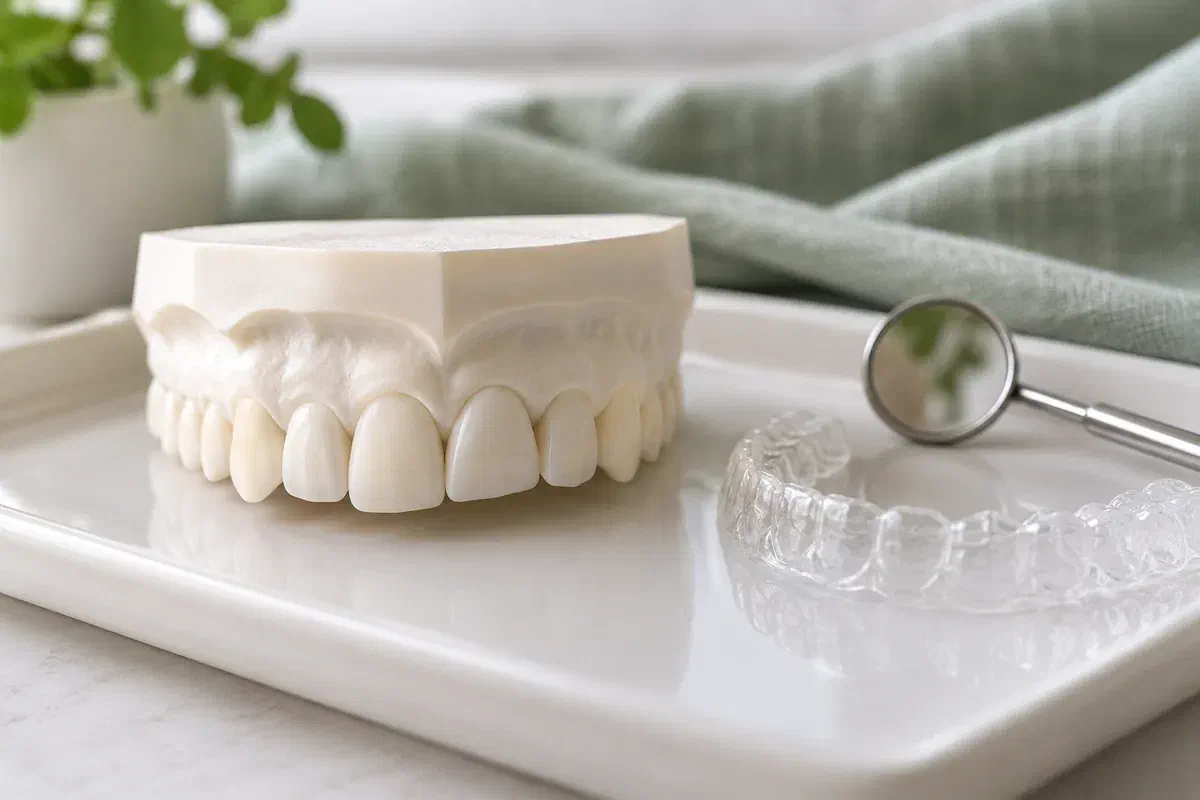
Illustrative upper-teeth model with a subtly rotated tooth beside a clear appliance
Understanding the concern

A visible detail is the starting point for a wider assessment.

Tell the clinician what you notice, when it appeared, and whether it affects comfort or function. Those details help define the question that treatment would need to answer.

A tooth that overlaps or sits out of line

Point out the tooth and explain whether its position has changed recently. Ask what would need to move around it to create a suitable arrangement. The number of teeth you notice does not establish the number that a treatment plan may need to consider.

A space that affects a planned restoration

Mention any proposed crown, bridge, bonding, or tooth replacement. Ask whether changing a position would help the restorative plan and who would coordinate the sequence. Different clinicians should agree on the intended space and responsibilities before treatment proceeds.

A limited goal after previous orthodontics

Bring relevant treatment history and your retainer if requested. Explain whether the change is recent or longstanding. A previous course of braces does not automatically make a new adjustment simple; current findings and the desired endpoint still need review.

Minor tooth movement is different from treating a loose tooth. New looseness, pain, swelling, or rapid movement should be assessed as a dental concern rather than assumed to need cosmetic alignment.

What a considered limited plan can offer

Understand the purpose of the change before choosing its scope.

A limited plan may suit an assessed concern when its benefits and boundaries are clear. Ask why the proposed movement is appropriate and what it deliberately leaves unchanged. A smaller scope should be an informed choice, not simply the result of selecting the quickest-looking option.

This conversation also helps distinguish position from shape. Moving a tooth changes where it sits; adding or removing tooth material changes its form. The right discussion depends on the cause of the concern and the implications of each option.

Patient information: British Orthodontic Society — limited treatment objectives and alternatives

An agreed target for treatment

Ask the clinician to describe the desired change in terms you can follow. Discuss whether the aim concerns appearance, space for other care, or a particular contact. A specific target makes it easier to understand both the recommendation and the review at the end.

A realistic account of compromises

A limited approach may not address every bite or alignment feature. Ask which concerns remain and whether leaving them is appropriate. You should understand the alternatives before accepting that boundary, including a broader assessment where the findings justify it.

A coordinated plan for what follows

If restorative work or retention is part of the overall proposal, ask when it would happen and who would provide it. Clarify the sequence before active movement starts. The usefulness of a small adjustment can depend on the care arranged afterward.

Planning a small orthodontic change

Assess the relationships, explain the choices, and define the next step.

The visit should clarify whether the concern can responsibly be addressed within a limited scope. Appliance selection comes after understanding the required movement and relevant oral-health findings.

  1. Discuss the particular change you have in mind

    Explain what you see and why it matters to you. Include any earlier orthodontic care, injuries, retainers, and planned dental work. Mention a deadline or practical difficulty so the clinician can discuss expectations before a treatment proposal is developed.

  2. Examine the teeth, gums, and bite

    The clinician checks relevant structures and considers which records are needed to understand the concern. Ask what photographs, radiographs, or other records would contribute. A dental or periodontal issue may need attention before movement is considered.

  3. Compare a limited plan with other reasonable options

    Discuss the intended changes, limitations, risks, likely responsibilities, and estimate. Ask whether aligners, another appliance, or specialist assessment is appropriate. If a broader plan is recommended, ask which additional issue makes the difference.

  4. Agree on monitoring and the endpoint

    Before starting, confirm who supervises treatment, how reviews are arranged, and what would prompt a reassessment. Discuss retention and any subsequent restorative appointment. A plan should explain how completion will be judged rather than rely only on an estimated duration.

During and after minor tooth movement

Follow the prescribed plan even when the intended change is small.

Limited treatment still needs reliable follow-up and care. Your instructions will depend on the appliance and the movements being attempted, so keep them accessible and ask about anything unclear.

Use the appliance as instructed

Follow the wear, cleaning, and review schedule provided for your plan. Tell the team if the routine is difficult or the appliance is damaged. Do not use online instructions to alter wires, add elastic bands, or change a prescribed sequence yourself.

Keep the rest of your dental care coordinated

Continue recommended dental visits and tell the treating clinician about procedures planned elsewhere. A new restoration can affect how an appliance fits. Ask how appointments should be sequenced rather than assuming separate treatments can proceed independently.

Prepare for maintenance of the result

Ask about retention before active movement ends, including the appliance, wear instructions, and review arrangements. If another dental procedure is due afterward, confirm how the position will be managed during that interval. Keep a contact route for later fit concerns.

Selecting the right scope

A small appearance concern can lead to different care choices.

Ask what each recommendation changes and what it leaves alone. The choice should reflect the examination, your priorities, and the commitments involved.

When an assessed narrow goal is appropriate

Limited orthodontic movement

A focused plan may be considered when the required movement and accepted limits are suitable. Discuss the appliance options, monitoring, and retention. A limited goal does not remove orthodontic risks or guarantee a short treatment time.

When the wider bite needs consideration

A comprehensive orthodontic assessment

A broader plan or specialist opinion may be recommended if moving the visible tooth alone would create an unsuitable compromise. Ask which relationships require attention and how the proposed scope differs. You should understand the reasoning before deciding.

When position is not the only issue

A restorative discussion, monitoring, or no elective change

If tooth shape or another finding explains the concern, a separate discussion may be more useful. Review the implications of adding or removing material and the option to defer elective care. Any underlying dental problem should still have an appropriate plan.

Minor tooth movement questions

Ask how a limited goal relates to your own mouth.

The word minor describes the intended scope. It does not answer every question about diagnosis, appliance choice, or the responsibility after treatment.

(905) 876-4488
Does minor tooth movement always mean using clear aligners?
No. It describes a limited goal rather than a single appliance. The clinician can explain which approach may suit the required movement and whether specialist assessment is appropriate. Choose the method after understanding the findings and proposed scope.
Can a small tooth movement be planned before a bridge or implant restoration?
Sometimes the position or available space is part of a wider restorative discussion. Ask whether movement would help your particular plan and who will coordinate it. The orthodontic and restorative aims should be agreed before either stage proceeds.
Why might several teeth need assessment when only one tooth bothers me?
The position of one tooth relates to available space, neighbouring teeth, and the opposing bite. Ask how those relationships affect the proposed change. A concern involving one visible tooth does not mean treatment can be planned in isolation.
Is minor tooth movement the same thing as enamel reshaping?
No. Orthodontic movement changes position, while reshaping removes a limited amount of tooth material to alter contour. Ask which feature causes your concern and what each approach would involve. Neither should be chosen solely from a photograph.
Can I use a rubber band at home to close a tiny gap?
No. Do not attempt tooth movement with household bands or improvised appliances. A gap needs assessment before treatment, and uncontrolled force can harm teeth and supporting tissues. Arrange a professional discussion about suitable options.
Will a limited tooth-movement plan include every bite correction I might need?
Not necessarily. Ask which goals are included and what remains outside the scope. The clinician should explain whether accepting those limits is appropriate and how a broader plan would differ. You can consider that information before committing.
Minor tooth movement in Milton

Bring the detail you notice and the change you hope to make.

Arrange a discussion at our Bronte Street practice about a limited alignment concern. We can explain the assessment needed, possible approaches, and how the proposed change relates to your wider dental care.

The appropriate scope, appliance, and any referral depend on assessment. A small visible concern does not guarantee simple or rapid treatment.

Visit Milton Dental Clinic
Unit 1, 342 Bronte St. S, Milton, ON L9T 5B7
Get directions Clinic hours
Monday–Thursday
11am–7pm
Friday–Sunday
By appointment only

How can we help?

Milton Dental Clinic

Have a question about your smile? Choose the option that works best for you.

For urgent dental concerns, please call.
Messages are reviewed during clinic hours.