

Illustrative adult patient discussing tooth movement after earlier orthodontic care
Cosmetic Dentistry

Orthodontic Relapse Treatment

If your teeth have shifted after braces or aligners, start with a review of what changed. Discuss orthodontic relapse treatment in Milton to assess current alignment, retainer fit, oral health, and whether maintaining or changing the present positions is the appropriate next step.

A closer look at orthodontic relapse

Understand the change before deciding how to respond.

Orthodontic relapse refers to unwanted changes in tooth position after earlier alignment treatment. You may notice an overlap returning, a space reopening, or a retainer that no longer seats as it once did. The next step is to assess the present situation rather than assume the original treatment must be repeated.

Changes after treatment can involve several factors, including ongoing changes in the mouth and the condition or use of a retainer. A new dental or gum concern may also need consideration. The review should explore the history without reducing every change to a missed night of wear.

At Milton Dental Clinic, bring your appliance and any available information from the earlier treatment. Explain what you notice and whether you want to restore a previous position or understand how to maintain the current one. We can discuss assessment and any need for specialist orthodontic input.

Arrange a relapse assessment
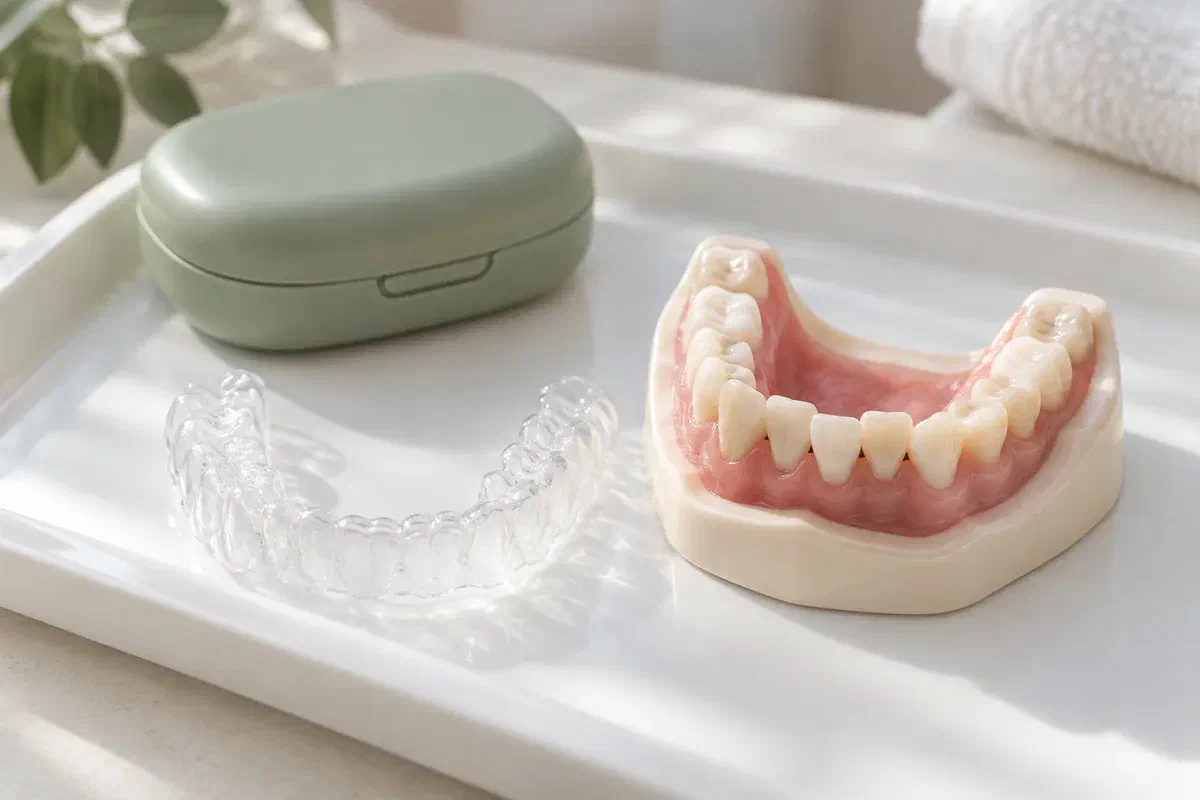
Illustrative lower-teeth model with mild crowding beside a removable retainer and case
Changes worth reviewing

Tell us what moved, when you noticed it, and what happened to the retainer.

The details help distinguish an appliance problem from a change in the teeth or supporting tissues. Include symptoms even if your main concern is appearance.

A removable retainer that no longer fits

Explain whether the appliance feels tight, lifts away, or will not seat. Mention damage or heat exposure as well as any interruption in wear. Do not force a painful or poorly fitting retainer into place; bring it for assessment and ask what to do meanwhile.

Movement despite a bonded retainer

A wire may still be present even if a bond has loosened or the appliance has changed. Report a new gap, rough area, or unexpected tooth position. Avoid pulling or bending the wire yourself and ask for its condition and the surrounding teeth to be checked.

A change after years without orthodontic follow-up

It is useful to review longstanding concerns as well as recent ones. Describe any changes in your bite, dental work, or gum health since treatment ended. Earlier photographs or records may help explain the history, but the current examination guides the recommendation.

Sudden movement with pain, swelling, bleeding, or marked looseness should not be assumed to be ordinary relapse. Contact the clinic for an appropriate assessment of the symptom.

What a relapse assessment can clarify

Separate preserving the current position from moving teeth again.

A replacement retainer and another course of orthodontic movement are different decisions. The review should explain whether the immediate aim is to maintain an acceptable current position, address an appliance problem, or consider realignment. That distinction matters before new records or appliances are ordered.

Your priorities may have changed since the first treatment. Ask what is reasonable now, which alternatives exist, and what the maintenance commitment would involve. There is no need to decide on another course simply because some movement has occurred.

Patient information: American Association of Orthodontists — movement after orthodontic treatment

A clearer account of the present findings

Ask which teeth have changed and whether the bite or supporting tissues need further attention. Where earlier records exist, the clinician may compare them with current findings. An explanation should distinguish observed changes from assumptions about their cause.

A plan matched to your current goal

You may want a previous alignment restored, or you may be comfortable with the present appearance. Explain that preference. Ask what each choice would require and whether retaining the present position is clinically appropriate before choosing an appliance or treatment scope.

A more workable maintenance arrangement

Discuss what made retention difficult before, including loss, damage, discomfort, travel, or unclear instructions. The goal is a practical arrangement you understand. Ask how future problems would be handled and who will review the appliance after any further treatment.

How a relapse review can proceed

Review the earlier care, examine the present position, and explain the choices.

The assessment depends on the amount and nature of the change. Ask what the appointment includes and whether further records or specialist review may be needed before a recommendation.

  1. Reconstruct the relevant treatment and retainer history

    Explain when active treatment ended, what retention was prescribed, and when the current concern appeared. Bring appliances and available records as requested. Mention any changes to the teeth, restorations, health, or routine that occurred in the interval.

  2. Assess alignment, the bite, and appliance condition

    The clinician examines the current teeth and supporting tissues and checks the retainer if available. Additional records may be needed to understand the change or plan movement. Ask whether any oral-health problem should be addressed before the orthodontic decision.

  3. Discuss maintenance and realignment as separate options

    Review what a new or repaired retainer would aim to do and whether further movement is appropriate. If realignment is considered, discuss its scope, risks, alternatives, monitoring, and estimate. A specialist opinion may help with a more involved concern.

  4. Agree on an immediate instruction and longer plan

    Confirm what to wear, if anything, before the next appointment and what to do if fit or symptoms change. Ask when new records, an appliance, or a review is expected. Avoid leaving with only a future plan and no clear instruction for the interval.

After a relapse assessment

Follow the agreed response rather than trying to recover the old result yourself.

The advice may involve retention, further treatment, or additional assessment. Keep the purpose of the next step clear and contact the team if circumstances change.

Use the appliance only as specifically advised

Do not restart old aligner sequences or force an old retainer to move teeth back. Ask the clinician which appliance is appropriate for the present position. If you are told to stop using a damaged item, clarify what the replacement or interim arrangement will be.

Attend the review that checks the response

Bring the appliance and describe changes since the assessment. If new treatment is underway, follow its prescribed schedule rather than treating it as an informal touch-up. Report fit problems or lost attachments promptly so the plan can be reviewed when needed.

Make the revised retention routine sustainable

Ask for clear wear and cleaning instructions and an explanation of future review arrangements. Keep a protective case where you routinely remove the appliance. Discuss foreseeable difficulties now, including travel or a move, rather than waiting until the routine breaks down.

Responding to changed tooth positions

The next step depends on the findings and the position you want to maintain.

Ask what each option is intended to achieve. A new appliance should have a clear purpose, and further movement should be planned from current information.

When maintaining an acceptable position is appropriate

Assess, repair, or replace the retention arrangement

A retainer discussion may be suitable when the current positions are acceptable and the appliance needs attention. Ask whether repair or replacement is reasonable and what records are needed. A newly made retainer should not be assumed to recreate an earlier alignment.

When realignment is appropriate and desired

Plan further orthodontic movement

A limited or broader course may be considered depending on the required changes. Ask why the proposed scope fits the findings and what retention would follow. Previous treatment does not guarantee that a short course will address every current concern.

When the history or examination needs more explanation

Investigate another cause or seek specialist input

Gum findings, bite changes, or complex movement may call for further assessment before appliances are changed. Ask which question a referral is intended to answer. Clarify who will manage any immediate issue while the longer-term plan is developed.

Orthodontic relapse questions

Understand the choices without assuming you have to start over.

A review can distinguish an appliance problem, a maintenance decision, and a need for further active treatment.

(905) 876-4488
Does orthodontic relapse always mean another full course of braces?
No. The amount of change, oral-health findings, bite, and your goals need assessment. Options may involve retention advice, an appliance change, limited movement, or a broader plan. Ask what the recommendation aims to achieve in your particular case.
Can a replacement retainer return my teeth to their position after braces?
Do not assume it will. A retainer made for current positions generally has a different purpose from planned realignment. Ask whether the goal is to maintain the present arrangement or move teeth and what assessment is needed for that decision.
Why should I report relapse when my bonded wire still seems attached?
The wire’s presence does not confirm that every bond and tooth position is unchanged. Ask for the appliance and surrounding teeth to be checked. Do not bend or pull it to correct a position yourself.
Can teeth change years after successful orthodontic treatment?
Yes, tooth positions can change over time, which is one reason retention is discussed as ongoing care. A new concern deserves review rather than an assumption about its cause. Bring your retainer and explain when you first noticed the difference.
Should I bring old orthodontic photographs to a relapse appointment?
They may help describe the history, especially alongside relevant clinical records. Ask the clinic what would be useful and bring current appliances if requested. Photographs alone cannot establish the present condition of the roots, gums, or bite.
Can I choose to keep a small relapse instead of moving the teeth again?
You can discuss that preference. The clinician can explain whether the current position is appropriate to maintain and whether any other finding needs care. Ask about a suitable retention arrangement rather than assuming either retreatment or doing nothing is the only choice.
Orthodontic relapse treatment in Milton

Bring the retainer, the history, and the change you have noticed.

Arrange an assessment at our Bronte Street practice to discuss movement after previous orthodontic care. We can explain the current findings, retention questions, and options for further review or treatment.

The appropriate response depends on examination and relevant records. Contact us promptly if an appliance is lost, broken, painful, or no longer fits.

Visit Milton Dental Clinic
Unit 1, 342 Bronte St. S, Milton, ON L9T 5B7
Get directions Clinic hours
Monday–Thursday
11am–7pm
Friday–Sunday
By appointment only

How can we help?

Milton Dental Clinic

Have a question about your smile? Choose the option that works best for you.

For urgent dental concerns, please call.
Messages are reviewed during clinic hours.