

Illustrative adult patient discussing tooth movement after earlier orthodontic care
Cosmetic Dentistry

Orthodontic Relapse Treatment in Milton

Spotted a front tooth turning again or a little space where there used to be none? A relapse review here in Milton looks at how your teeth sit today, how your retainer fits, and whether keeping the current position or moving teeth again makes more sense for you.

Shifting teeth, close to home in Milton

The retainer went into a drawer. Now something looks different.

It often happens quietly. Life gets busy, the nightly retainer slips from routine, and months later you catch a slight overlap in a photo or feel the appliance pinch when you try it again. Unwanted movement after earlier alignment is called orthodontic relapse, and the sensible first move is to look at where things stand now.

More than one thing can be involved. Teeth and the tissues around them keep changing over a lifetime, retainers wear out or get damaged, and a new gum or dental problem can play a part too. A good review asks about all of that instead of blaming a few skipped nights.

For a visit to Milton Dental Clinic, bring the retainer, even if it no longer fits, and anything left from the earlier treatment. Tell us whether you hope to regain a previous alignment or simply hold things steady. We can discuss the assessment and whether a specialist orthodontist should weigh in.

Book a relapse review
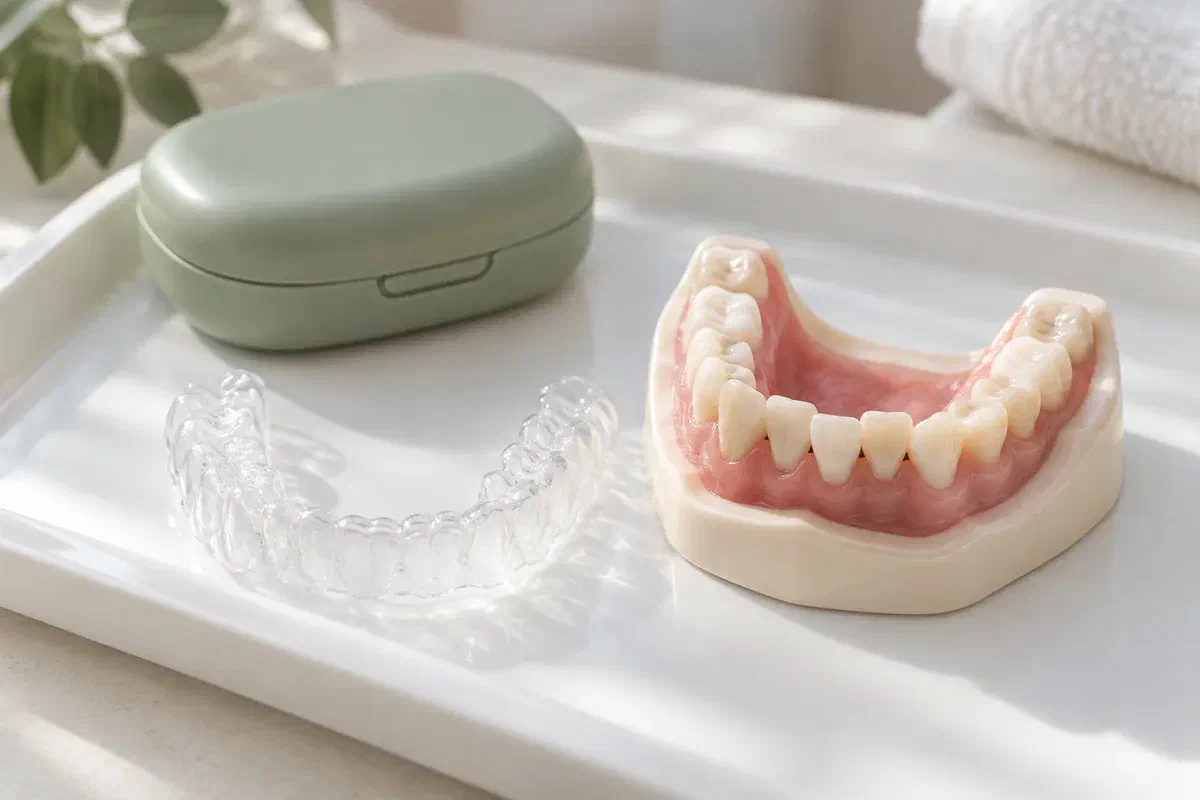
Illustrative lower-teeth model with mild crowding beside a removable retainer and case
What to mention at the visit

A few details help us tell an appliance issue from a change in the teeth

Say what moved, roughly when you first saw it, and what has happened with your retainer since treatment ended. Mention any discomfort as well, even if appearance is what brought you in.

A clear or removable retainer that won't seat

Describe how it behaves now: snug and sore, rocking, or refusing to go in at all. Note any cracks, warping from heat, or long breaks in wear. Please don't push a painful retainer into place. Bring it along and ask what you should wear until the appointment.

A fixed wire that is still there, yet teeth have moved

A bonded retainer can look intact while one of its attachment points has let go. Let us know about a fresh gap, a sharp spot your tongue finds, or a tooth sitting differently. Leave the wire alone rather than pressing or bending it, and have it checked along with the neighbouring teeth.

Change noticed long after your last orthodontic visit

Concerns that built up over many years are as worth raising as new ones. Tell us about fillings, crowns, gum treatment, or bite changes since your braces or aligners came off. Old photos can fill in the story, but today's examination shapes the advice.

If movement comes on suddenly with pain, swelling, bleeding, or a tooth that feels very loose, treat it as more than routine relapse and call us so the symptom can be assessed properly.

Why a review comes first

Holding a position and changing it are two separate decisions.

Ordering a fresh retainer is not the same as starting another round of tooth movement. Your review should make clear which one is on the table: keeping an acceptable current position, fixing an appliance problem, or looking at realignment. Knowing that before anything new is made saves confusion later.

What you wanted at seventeen may not be what you want now. Ask what is realistic today, what other routes exist, and how much ongoing wear each would ask of you. Some movement on its own is not a reason to commit to more treatment.

Patient information: American Association of Orthodontists — movement after orthodontic treatment

An honest picture of what has changed

Find out which teeth have shifted and whether your bite, gums, or bone need attention. If older records are available, they can be compared with what the clinician sees today. The explanation should keep observed changes separate from guesses about why they happened.

Advice that fits the goal you have now

Maybe you want your old alignment back. Maybe the current look is fine and you only want it to stay that way. Say so early. Then ask what each route involves and whether keeping things as they are is a sound choice before any appliance is chosen.

A retainer routine you can actually keep

Talk about what got in the way last time: a lost case, a cracked appliance, soreness, a busy Milton household, or unclear instructions. Aim for an arrangement that suits your life, and ask who checks the retainer after any further treatment.

What the appointment involves

History, examination, then a plain explanation of the options

How much is needed depends on how far the teeth have moved and why. Feel free to ask what the first visit covers and whether more records or a specialist opinion may come before any recommendation.

  1. Piece together the earlier treatment

    Tell us roughly when your braces or aligners finished, which retainer you were given, and when you first saw a change. Bring appliances and any records you have. Mention new dental work, health changes, or shifts in your daily routine since then.

  2. Examine your teeth, bite, and retainer

    The clinician looks at the present alignment, your gums and supporting tissues, and the retainer if you have it. Photographs, scans, or X-rays may be suggested to understand the movement or plan next steps. Ask whether anything else in your mouth should be treated first.

  3. Weigh maintenance and realignment side by side

    We explain what a repaired or new retainer would be for and whether further movement is reasonable. If realignment is an option, go over its scope, risks, alternatives, follow-up, and estimate. A more involved situation may benefit from an orthodontic specialist's view.

  4. Leave with instructions for now and a plan for later

    Before you go, know what to wear in the meantime, if anything, and whom to ring if the appliance starts to rub or loosen. Ask when records, a new appliance, or the next check are expected. A long-term idea is not enough without guidance for the weeks in between.

In the weeks that follow

Stick with the plan you agreed on, not a do-it-yourself fix

Your next step might be retention, active treatment, or further assessment. Keep its purpose in mind and get in touch if anything changes along the way.

Wear only the appliance you were told to wear

Resist digging out leftover aligner trays or forcing an old retainer to nudge teeth back. Ask which appliance suits your teeth as they are now. If a damaged one is retired, check what will replace it and what to do until then.

Come back for the follow-up check

Bring the appliance and mention anything you have noticed since the assessment. If new treatment has started, follow its schedule as prescribed rather than wearing it casually. Call promptly about poor fit or a lost attachment so the plan can be adjusted.

Build retention into your real routine

Get clear instructions for wearing and cleaning the retainer, plus a sense of when it will be reviewed. Keep its case wherever you normally take it out, perhaps by the bathroom sink. Raise likely obstacles, such as travel or a move, before they derail you.

Possible ways forward

Your findings and your preferred position guide what comes next.

For each option, ask what it is meant to accomplish. A new appliance needs a clear reason, and any further movement should rest on current information rather than old plans.

When the present position is acceptable to keep

Check, fix, or remake the retainer

If you are happy with where your teeth are and the appliance is the issue, retention may be the focus. Ask whether repair or a replacement makes sense and which records are required. Keep in mind that a new retainer is not designed to bring back an earlier result.

When realignment suits the findings and your wishes

Consider moving teeth again

A short or more extensive course may be discussed depending on what needs to change. Ask why a particular scope was suggested and what retention would look like afterward. Having had treatment before does not mean a brief course will resolve everything.

When the picture needs more explanation

Look into another cause or get a specialist view

Gum concerns, a changing bite, or complex movement may warrant more assessment before any appliance changes. Ask what question a referral would answer. Also confirm who looks after any immediate problem while a longer plan is worked out.

Common questions about relapse

Answers for when your teeth have started to wander

Some changes need only a retainer conversation. Others call for a closer look or active treatment. These answers explain the difference.

(905) 876-4488
My teeth moved after braces. Do I have to go through the whole process again?
Not necessarily. The amount of movement, your bite, your oral health, and your goals all shape the advice. Retention guidance, a new appliance, limited movement, or a broader plan may be discussed. Ask what any recommendation is meant to achieve for you.
Is it okay to keep wearing a retainer that feels tight after a break?
A retainer that feels a little snug is different from one that hurts or will not seat. Call to describe what you feel. Avoid forcing it in, and bring it to your appointment so the fit can be checked and advice given for the meantime.
How do I know if my bonded retainer has come loose?
You might feel a rough or sharp spot, notice a tooth moving, or see a new gap. Sometimes nothing is obvious at all. Ask for the wire and nearby teeth to be checked, and avoid bending or tugging it yourself.
What should I bring to my first relapse appointment?
Bring any retainers you have, even broken ones, plus records or photos from earlier treatment if they are easy to find. A list of later dental work helps too.
Can I book a relapse review without a referral?
Yes, you can contact us directly to arrange an assessment. If the findings suggest a specialist orthodontic opinion would help, we can explain why and what that referral would be meant to answer.
What if I like how my teeth look now and only want them to stop moving?
That is a reasonable thing to raise. The clinician can tell you whether your current position is appropriate to keep and whether anything else needs care. Ask about a retention plan that suits you instead of assuming retreatment is the only path.
Relapse care in Milton

Bring your retainer and tell us what changed.

Book an assessment at our Bronte Street practice to talk about movement since your earlier orthodontic care. We will explain what we find, answer retention questions, and outline options for further review or treatment.

The right next step depends on examination and relevant records. Get in touch soon if a retainer is lost, broken, painful, or no longer fits.

Visit Milton Dental Clinic
Unit 1, 342 Bronte St. S, Milton, ON L9T 5B7
Get directions Clinic hours
Monday–Thursday
11am–7pm
Friday–Sunday
By appointment only

Areas we serve

  • Milton
  • Oakville
  • Mississauga
  • Georgetown
  • Halton Hills
  • Acton
  • Campbellville
  • Brampton
  • Burlington
  • Puslinch
  • Rockwood
  • Erin
  • Caledon
  • Etobicoke
  • Old Milton
  • Bronte Meadows
  • Timberlea
  • Dorset Park
  • Dempsey
  • Clarke
  • Beaty
  • Coates
  • Harrison
  • Scott
  • Willmott
  • Ford
  • Bowes
  • Cobden
  • Walker
  • Mountain View
  • Milton Heights
  • Hawthorne Village
  • Valley View
  • Fallingbrook
  • Nassagaweya
  • Trafalgar
  • Esquesing
  • Nelson
  • Brookville
  • Moffat
  • Glen Williams
  • Norval
  • Limehouse
  • Stewarttown
  • Ashgrove
  • Hornby
  • Silver Creek
  • Speyside
  • Scotch Block
  • North Oakville
  • River Oaks
  • Glen Abbey
  • West Oak Trails
  • Palermo
  • Bronte Creek
  • College Park
  • Joshua Creek
  • Uptown Core
  • Preserve
  • Iroquois Ridge
  • Lisgar
  • Meadowvale
  • Meadowvale Village
  • Churchill Meadows
  • Erin Mills
  • Central Erin Mills
  • Streetsville
  • East Credit
  • Creditview
  • Heartland
  • Sheridan
  • Mount Pleasant
  • Credit Valley
  • Huttonville
  • Churchville
  • Springbrook
  • Northwest Brampton
  • Bram West
  • Fletcher's Meadow
  • Fletcher's Creek South
  • Alton Village
  • Orchard
  • Millcroft
  • Headon Forest
  • Tansley
  • Brant Hills
  • Tyandaga
  • Kilbride
  • Lowville
  • Aberfoyle
  • Morriston
  • Arkell
  • Hillsburgh
  • Freelton
  • Carlisle
  • Waterdown
  • Flamborough
  • Mountsberg

How can we help?

Milton Dental Clinic

Have a question about your smile? Choose the option that works best for you.

For urgent dental concerns, please call.
Messages are reviewed during clinic hours.