A removable retainer that has gone missing, broken, or warped
Get in touch soon rather than waiting for a routine visit. Say whether you still have it to bring. Keep every piece in the case, and avoid glue, hot water, or bending as a fix.


Most retainers live a quiet life: in at bedtime, out at dawn, into the case. When that routine slips or the fit changes, households in Campbellville can arrange a check of teeth and appliance together, compare removable and bonded designs, and plan for loss or damage.
For many people, wearing a retainer is a nightly habit that rarely gets a second thought. Its purpose is to help teeth stay in the alignment reached with braces or aligners. Some retainers come out each morning; others are wires bonded permanently behind selected teeth. How you wear yours, and which type you have, should be explained for your own mouth rather than settled by appearance or habit alone.
The routine tends to get tested at certain points: the first weeks with a new appliance, the gradual wear of years of use, and the morning it suddenly feels tight or will not snap in. The cause is found by checking your teeth and the retainer at the same visit. Making a new one is a clinical step, not a reorder, particularly if crowns, fillings, or tooth positions have changed.
When you contact us, describe the retainer and what has changed, and bring it along. If you finished treatment with an orthodontist who still follows your retention, tell us so the guidance can be shared. We can talk about an assessment, what options fit your situation, and whether that orthodontist should weigh in.
Let us know which appliance you wear and what feels different. Note when it started, any soreness, and how regularly you have actually been wearing it.
Get in touch soon rather than waiting for a routine visit. Say whether you still have it to bring. Keep every piece in the case, and avoid glue, hot water, or bending as a fix.
Tell us about it, along with any tooth that seems to have turned or moved. Fixed retainers need routine professional checks. A wire that is still partly attached may not be holding every tooth it was placed for.
If you are unsure whether every night is still required, or how the retainer fits with a night guard or a helmet-sport mouthguard, ask. Bring those devices too. They serve different purposes, and switching between them needs personal advice.
If a retainer will not click into place or hurts, do not push it. Ask to be assessed and what to do with it until then.
A retainer is one part of keeping your orthodontic result steady. The recommended design reflects which tooth positions are being held, your bite, how easily the area can be cleaned, and other details about you. Some people wear a bonded wire plus a removable tray, each for a clear reason.
A well-run fitting leaves you comfortable with the whole routine. You should be able to put the appliance in and take it out easily, recognise a normal amount of snugness, and know which changes deserve a call. That confidence keeps you from reaching for the toolbox when something feels off.
Patient information: British Orthodontic Society — types of orthodontic retainer
Ask why a removable, fixed, or combined approach was chosen. Talk about your day-to-day life, from early starts to outdoor work, and hear how the clinical factors shape the advice. A neighbour's retainer is no guide to yours.
The clinician checks the appliance and shows you how to use it. For a removable design, have a go yourself before leaving. Mention pressure, sharp edges, or questions so the guidance reflects what you are feeling.
Find out who to call when something goes wrong, how reviews are scheduled, and what repair or replacement fees might apply. Settling this early means a problem can be handled in one call.
You may come in for a fit check, records for a replacement, or to have a fixed wire looked over. Ask what the appointment covers and whether you should plan a second trip.
Explain when braces or aligners finished, who provided them, and what retention was prescribed. Bring the retainer and any instructions. Mention new fillings, crowns, injuries, or changes in how it fits before a replacement is considered.
Your current tooth positions and the retainer's condition are examined, along with any oral-health points that matter. If there has been movement, discuss whether keeping things as they are now is reasonable. A retainer visit should not become a silent step toward more active treatment.
If a new appliance is warranted, you will hear its purpose, its limits, the care it needs, and an estimate. A scan or impressions may be taken. Ask what to do until it is ready, and whether your orthodontist should be involved.
At the fitting, the clinician confirms how it seats and walks you through using it. Cover wear, cleaning, storage, and follow-up. For a bonded wire, ask to be shown how to clean along it and which signs mean trouble. Note who to contact.
The correct care depends on your retainer's material and design. A routine meant for another appliance may harm yours, so check with us before switching.
Use the brush and cleaner recommended for your appliance, with water that is not hot. Heat and improvised chemical soaks can distort it. Keep up your own brushing and flossing, and ask for help if a fixed wire makes cleaning awkward.
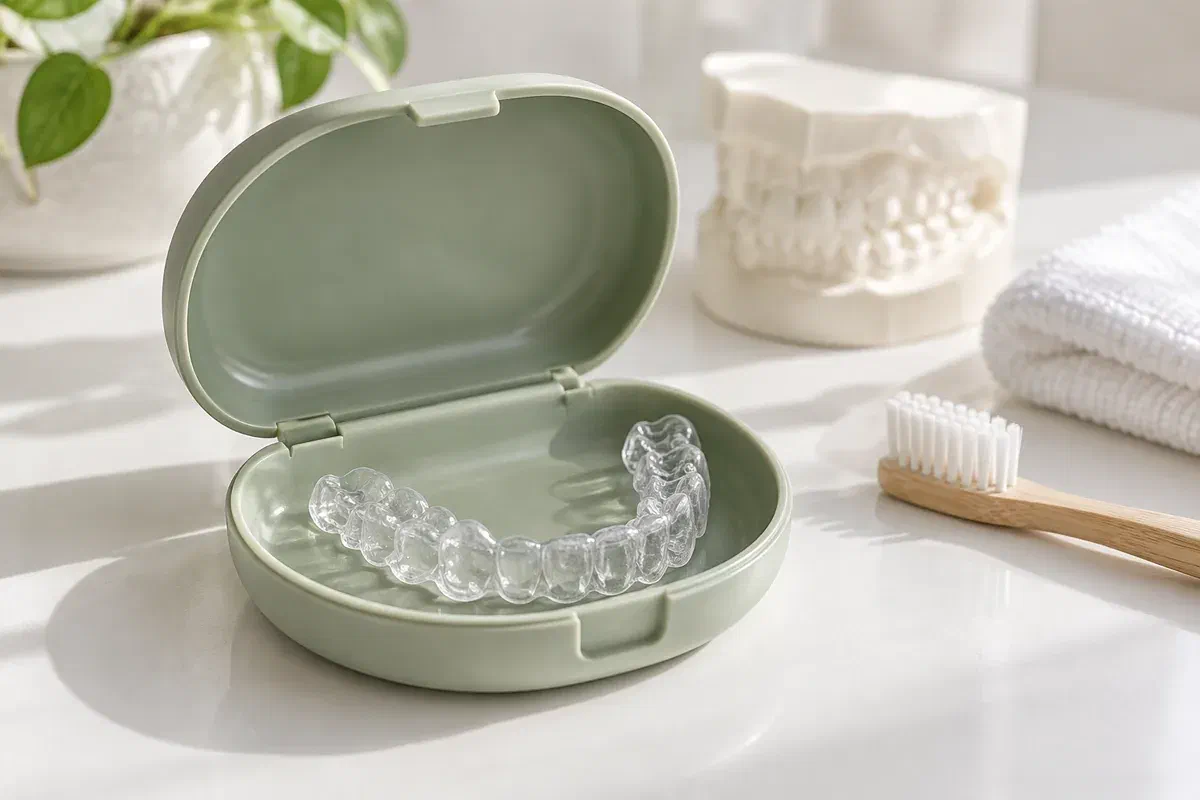
As soon as it comes out, it goes into its case, away from dogs, toddlers, and heat. A pocket, a truck console, or a napkin is how many retainers are lost or crushed. Bring the case to reviews.
Tell the clinic managing your retention if the tray splits, feels unfamiliar, or will not seat, or if a fixed wire starts to lift. Avoid bending, cutting, or gluing it. Ask whether it can still be worn and how soon you should come in.
Patient information: British Orthodontic Society — retainer handling and patient instructions
Bring your retainer along if you can. Its condition and fit often tell the clinician as much as your description.
Reach our Bronte Street practice by phone or message about fit, damage, or a replacement. Let us know who did your orthodontic treatment and whether that office still follows your retention.
The right design, whether a repair is possible, records, and fees are all decided after assessment. Get in touch soon if your retainer has gone missing, broken, or stopped fitting well.
