A removable retainer that is lost, cracked, or misshapen
Reach out promptly rather than holding out for a routine appointment. Say whether you have the appliance to bring. Keep any fragments, and skip home repairs with glue, hot water, or bending.


Spotted a lower front tooth edging out of line, or a retainer that no longer clicks in? From anywhere in Halton Hills, book an assessment of your teeth and appliance together, weigh removable against bonded options, and get practical steps for loss or damage.
Many people first think about their retainer again when they notice a change in the mirror. Retainers are designed to help teeth keep the alignment achieved with braces or aligners. They come as removable trays and plates or as wires bonded to the back of certain teeth. Which design you wear, and how often, should be explained in terms of your teeth, not simply picked for looks or ease.
A noticeable shift is one prompt; others include a brand-new appliance that feels unfamiliar, a retainer worn thin with time, or one that has started to feel loose. The answer comes from examining your teeth and the appliance at the same visit. If a tooth has moved, or you have had dental work since the retainer was made, replacing it is a clinical decision rather than a simple reorder.
Tell us which retainer you have and what you have noticed, and bring it along. Whether you are in Georgetown, Acton, Glen Williams, or one of the smaller hamlets, let us know if an orthodontist still manages your retention so we can coordinate. We will talk about assessment, appropriate options, and whether that provider or a specialist should be consulted.
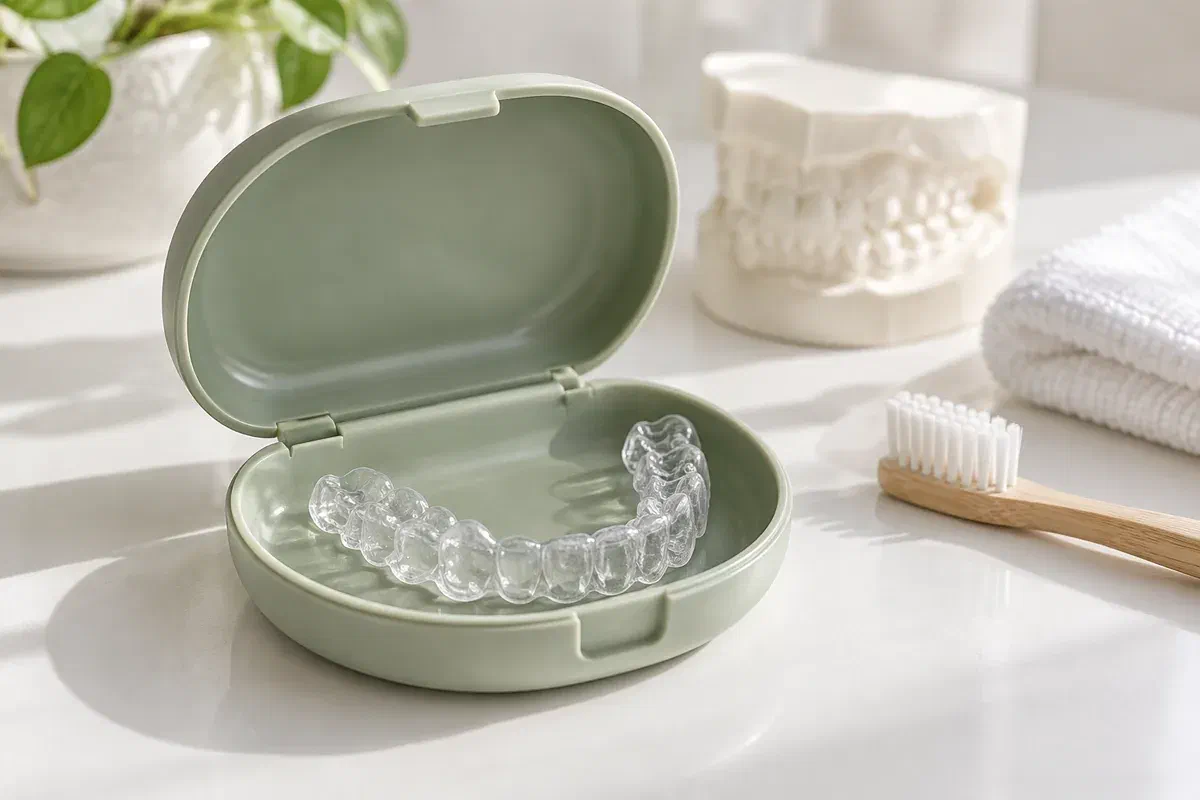
Describe your appliance and what has shifted, in your teeth or in the fit. Timing, any soreness, and how regularly you have worn it all shape the advice.
Reach out promptly rather than holding out for a routine appointment. Say whether you have the appliance to bring. Keep any fragments, and skip home repairs with glue, hot water, or bending.
A lifted section, a sharp edge, food trapping, or a neighbouring tooth that has turned should be reported. Fixed retainers need professional review. A wire still partly attached may be leaving some teeth unsupported.
If you are unsure whether you should still be wearing it nightly, or how it fits alongside a night guard or sports guard, ask. Bring the other devices. They serve different purposes, and swapping or combining them calls for individual advice.
Pressing a stubborn or painful retainer into place can cause harm. Ask for an assessment and an interim instruction.
Retention is one part of maintaining what orthodontic care achieved. The recommendation depends on which positions need holding, your bite, how easily you can clean, and other individual factors. Some plans combine a bonded wire with a removable appliance, and each should have a role you understand.
Just as important is what you take away from the fitting: confidence handling the appliance, a sense of how a normal fit feels, and a clear idea of which changes need attention. That clarity makes it far less likely you will try to adjust or fix the retainer yourself.
Patient information: British Orthodontic Society — types of orthodontic retainer
Ask why one approach is being proposed over another. Share your preferences and routines, and hear how clinical factors shape the advice. Online rankings and other people's retainers are poor guides to your own needs.
The appliance is checked and its use demonstrated. For a removable retainer, practise putting it in and taking it out before leaving. Speak up about pressure, rough areas, or doubts, so the guidance responds to your real experience.
Know who to contact when something goes wrong, how reviews are arranged, and what repair or replacement fees may apply. With that settled ahead of time, a problem can be addressed quickly.
A visit may centre on fit, records for a new retainer, or a review of a bonded wire. Ask what yours will include and whether a follow-up is likely.
Share when orthodontic treatment ended, who provided it, and the retention you were given, along with when you first saw the change. Bring the appliance and any instructions. Mention fillings, crowns, or injuries since then.
The clinician checks where your teeth sit now, the condition of the appliance, and any oral-health findings that matter. If a tooth has moved, discuss whether holding the current position is appropriate. Agreeing on retention should never quietly turn into an assumption that realignment is planned.
If a new retainer suits you, talk through its purpose, limits, care, and estimate. A scan or impressions may be needed. Ask what to do until it is ready and whether your treating orthodontist should be informed.
At the fitting, seating is checked and the instructions are explained. Cover wear, cleaning, storage, and reviews. If the appliance is bonded, ask for help cleaning around the wire and spotting trouble. Leave knowing who to contact.
Care varies with the retainer's material and design. A routine meant for a different appliance may not suit yours, so check before you change it.
Use the brush and cleaner you were recommended, at a water temperature the material can tolerate. Heat and home-made chemical soaks can warp or weaken the material. Keep caring for your teeth as usual, and ask for advice if a fixed wire makes cleaning awkward.
Put it in its case whenever it is out, away from pets, small children, and heat. Tissues, napkins, and loose pockets are where many go astray. Bring the case to review visits.
If a removable retainer splits, feels different, or will not seat, or a bonded wire loosens, contact the clinic managing your retention. Avoid trimming, bending, or gluing it. You will be told whether it is safe to wear meanwhile and when to come in.
Patient information: British Orthodontic Society — retainer handling and patient instructions
Bring your retainer if you have it. Its fit and wear help the clinician understand what has changed.
Reach our Bronte Street practice about shifting teeth, a fit concern, damage, or a replacement. Share details of your earlier orthodontic treatment and whether an orthodontist is still involved.
We confirm the appliance design, any repair, the records required, and fees once you have been assessed. A lost, broken, or poorly fitting retainer is worth a prompt call.
