

Illustrative patient discussing follow-up and retention with a dental clinician
Cosmetic Dentistry

Post-Orthodontic Retention

The end of braces or aligners should come with a plan for what follows. Discuss post-orthodontic retention in Milton to clarify your retainer routine, review appointments, responsibilities, and the response to changes in fit or tooth position over time.

A closer look at post-orthodontic retention

Finish active treatment with a clear plan for the years that follow.

Post-orthodontic retention is the ongoing care intended to help maintain tooth positions after braces or aligners have finished their active work. It includes more than receiving an appliance. Wear instructions, fit checks, cleaning, follow-up, and a response to loss or damage all belong in the plan.

Teeth can change position after treatment and throughout life. Retention is therefore usually a long-term responsibility rather than a brief final appointment. Your clinician should explain what that means for you, including the prescribed schedule and when it should be reviewed rather than changed independently.

At Milton Dental Clinic, bring your current instructions and appliances when discussing retention. If another provider completed your orthodontic treatment, tell us who manages follow-up. We can discuss the care needed and help clarify responsibilities, including when the original clinician or a specialist should be involved.

Discuss your retention plan
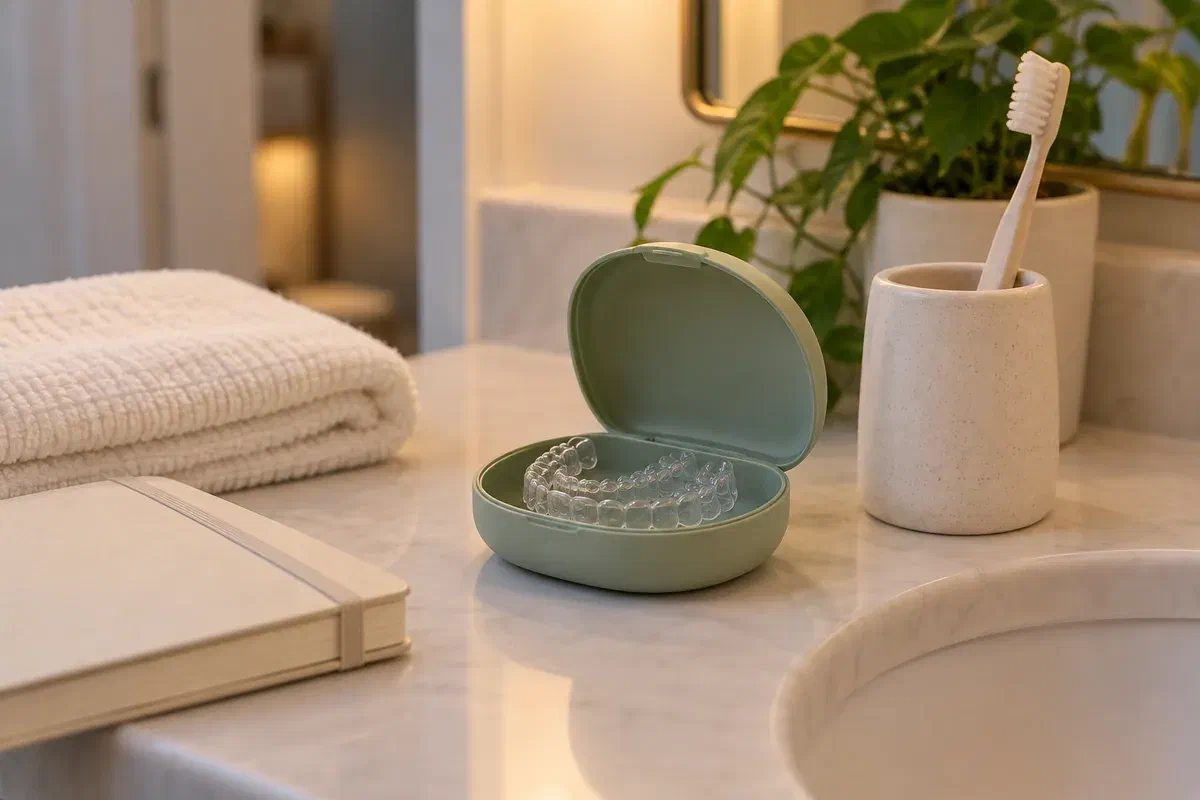
Illustrative evening retainer-care arrangement with a case, toothbrush, towel, and notebook
Questions to settle before treatment ends

Know what to wear, who to see, and what to do if something changes.

The transition should be explicit. Ask about any interval between the final active appliance and retainer provision so you are not left making your own wear decisions.

Unclear instructions at the end of active treatment

Ask whether active movement is complete and what appliance should be used next. Confirm the wear schedule, fitting appointment, and immediate review plan. The end of a box of aligners or removal of braces is not a substitute for those instructions.

A routine that becomes difficult over time

Travel, changing work hours, discomfort, and lost appliances can interrupt retention. Raise the practical obstacle early. Ask how to manage it within your prescribed plan rather than gradually reducing wear without knowing what that means for your teeth.

A gap in responsibility between providers

If orthodontic treatment occurred elsewhere or you are moving, ask who will check retainers and manage later concerns. Routine dental care and orthodontic retention reviews may have different responsibilities. Confirm the arrangement rather than assuming each clinic knows what the other is doing.

A retention plan should include a contact route for a lost, broken, loose, or poorly fitting appliance. Ask promptly when a problem occurs instead of waiting for the next scheduled review.

What ongoing retention care supports

Make maintenance a known part of care rather than an afterthought.

A retention discussion sets expectations for the period after active tooth movement. It should explain the appliance's purpose and the part you play in using and caring for it. That understanding matters even when the teeth look settled and the earlier treatment feels far behind you.

The plan also needs to remain workable as your circumstances change. A new restoration, a damaged appliance, or a move to another community may call for review. Knowing whom to contact helps you respond without guessing how to adapt the original instructions.

Patient information: American Association of Orthodontists — retention as part of orthodontic treatment

A clear transition from movement to maintenance

Ask how the clinician decides that active treatment is complete and what retention will begin afterward. Discuss any accepted limitations in the result. The next stage should have its own instructions, not simply an assumption that the last appliance can be used indefinitely.

A routine you can explain and follow

Confirm when to wear removable appliances and how to care for any bonded retainer. Ask for clarification if instructions differ from what you expected. A routine is easier to maintain when you know its purpose and how to raise a practical difficulty.

A plan for reviews and unexpected problems

Ask which appointments are recommended and whether repair or replacement costs are included in the original agreement. Keep the contact details with your instructions. A clear process helps prevent an appliance problem becoming a prolonged gap in the intended care.

Building a retention plan

Confirm completion, provide instructions, and arrange continuing care.

Retention should be discussed before active treatment ends and revisited when needed. These steps describe the planning conversation, with the exact arrangements tailored to your treatment and appliances.

  1. Review the end-of-treatment findings

    Discuss whether the agreed alignment goals have been assessed and whether any concern remains. Ask which issues, if any, require separate care. The clinician can explain the decision to finish active movement and what positions the retention plan is intended to maintain.

  2. Agree on the appliance and transition arrangements

    Review the proposed retainer type or combination and the records needed to provide it. Confirm what to wear until it is fitted. If another clinician will provide restorative work, ask how the sequence and appliance fit will be coordinated.

  3. Practise the routine and clarify written instructions

    At fitting, ask for a demonstration of handling and cleaning appropriate to the design. Confirm the wear schedule, circumstances for removal, and signs that should prompt contact. Explain foreseeable difficulties so practical questions are addressed before you leave.

  4. Set review responsibilities and future contact details

    Ask who will assess fit, bonded-retainer integrity, and changes in position over time. Clarify the next appointment and what happens when the original follow-up period ends. If care is being transferred, confirm the receiving clinician has accepted the relevant responsibility.

Keeping retention practical

Use consistent habits and review changes instead of quietly working around them.

Your schedule should come from the treating clinician. Long-term retention works best as an understood routine with a clear response when an appliance or circumstance changes.

Follow the prescribed schedule through ordinary busy days

Keep the appliance case and cleaning supplies where they support your routine. Plan for trips and nights away rather than leaving retention to memory alone. Ask before reducing wear, even if the teeth appear unchanged or a friend follows a different schedule.

Bring appliances to the reviews requested

A conversation about fit is more useful when the retainer can be examined. Describe changes in comfort, seating, or tooth position, and continue ordinary dental visits. Ask how any bonded retainer is being checked and cleaned as part of your ongoing care.

Act on damage or loss without improvising

Contact the responsible clinic promptly and explain which appliance is affected. Ask what to wear while waiting for assessment or replacement. Do not substitute old aligners, reshape plastic, or alter a wire unless the treating clinician gives an appropriate specific instruction.

Patient information: British Orthodontic Society — continuing care after braces

Responding as retention needs change

The plan may continue, need an appliance review, or require reassessment.

Ask which decision is being made and why. Maintaining positions and planning new movement are different aims, even when both conversations begin with a retainer concern.

When fit and the reviewed findings remain suitable

Continue the current retention arrangement

The clinician may recommend continuing the prescribed routine with planned follow-up. Confirm whether anything changes and when the next review is needed. A reassuring check does not automatically mean retention can stop or the schedule can be reduced.

When the device or practical needs require attention

Repair, replace, or revise the appliance arrangement

Wear, damage, dental work, or handling difficulties may prompt an appliance discussion. Ask what the proposed change would address and what records are required. Confirm the interim instructions so replacing an appliance does not leave the maintenance plan unclear.

When the teeth or supporting tissues have changed

Assess movement or another oral-health concern

If positions, bite, or oral health have changed, further assessment may be needed before new retention is prescribed. Ask whether maintaining the current position is appropriate or whether another treatment discussion is warranted. A specialist opinion may be recommended.

Post-orthodontic retention questions

Plan beyond the final treatment appointment.

These questions focus on the ongoing arrangement, including changes in routine, providers, and responsibilities over time.

(905) 876-4488
When should I first ask about the retention plan after orthodontics?
Ask before committing to treatment and again as active movement approaches completion. Clarify the proposed appliance, wear, reviews, and costs. Before the final stage ends, confirm the specific instructions and any appointment needed to provide the retainer.
Can I stop retention once my teeth have looked stable for a year?
Do not assume appearance over a particular period means retention is no longer needed. Long-term wear is commonly part of maintaining alignment. Ask your treating clinician to review the schedule and explain any recommended change before altering it.
Who should review retention if I have moved away from my orthodontic clinic?
Ask the original provider about transferring relevant information and arranging appropriate local follow-up. Confirm that the new clinician has accepted the retention responsibility and understands the appliances involved. Keep clear instructions while the handover is organised.
Does the end of included follow-up appointments mean retention is finished?
No. An administrative follow-up period and the need to maintain tooth positions are different things. Ask who will provide later checks, how to arrange them, and what fees apply. Keep using the prescribed arrangement unless the responsible clinician changes the advice.
How should a planned crown or bonding appointment fit with ongoing retention?
Tell both the restorative and retention clinicians before treatment. Ask whether the proposed change could affect appliance fit and how any replacement would be timed. Bring the retainer if requested and avoid forcing it after a tooth’s shape has changed.
What should I clarify if I lose a retainer while away from Milton?
Contact the clinic responsible for retention promptly. Explain which appliance is missing, how long you will be away, and whether you have any other prescribed appliance. Ask for an interim plan and appropriate local assessment if needed rather than using an old tray without advice.
Post-orthodontic retention in Milton

Make the next stage of care as clear as the treatment that came before.

Arrange a retention discussion at our Bronte Street practice. Bring your appliances and existing instructions so we can review the questions, appropriate follow-up, and responsibilities for ongoing care.

Wear schedules and review needs are individual. Ask promptly about lost, damaged, or poorly fitting appliances and confirm any transfer arrangements explicitly.

Visit Milton Dental Clinic
Unit 1, 342 Bronte St. S, Milton, ON L9T 5B7
Get directions Clinic hours
Monday–Thursday
11am–7pm
Friday–Sunday
By appointment only

How can we help?

Milton Dental Clinic

Have a question about your smile? Choose the option that works best for you.

For urgent dental concerns, please call.
Messages are reviewed during clinic hours.