

Illustrative patient discussing follow-up and retention with a dental clinician
Cosmetic Dentistry

Post-Orthodontic Retention in Puslinch

Night shifts, early starts and rotating schedules can make “wear it while you sleep” surprisingly complicated. From Puslinch, talk with us about fitting your prescribed retainer routine around real working hours, with reviews you can actually attend.

Retention and irregular hours

What does “nightly” mean if you sleep at noon?

Retainer instructions are often phrased around a typical bedtime. Plenty of people do not have one. Retention is the continuing care after braces or aligners finish moving your teeth, and it includes the appliance, your wear schedule, cleaning, fit checks and what you do if something is lost or damaged.

Whatever your hours, the underlying reason for retention stays the same. Teeth can shift after treatment and continue to change over a lifetime, so the plan is usually long-term. Your treating clinician should translate the prescribed schedule into your actual routine, and that translation should come from them rather than from trial and error.

Coming from Puslinch, tell us about your work pattern along with your treatment history. Bring each retainer and its instructions, and let us know who did your orthodontics and who reviews it. We can talk about what you need, who is responsible, and when the orthodontist or a specialist should advise on the schedule.

Fit retention to your hours
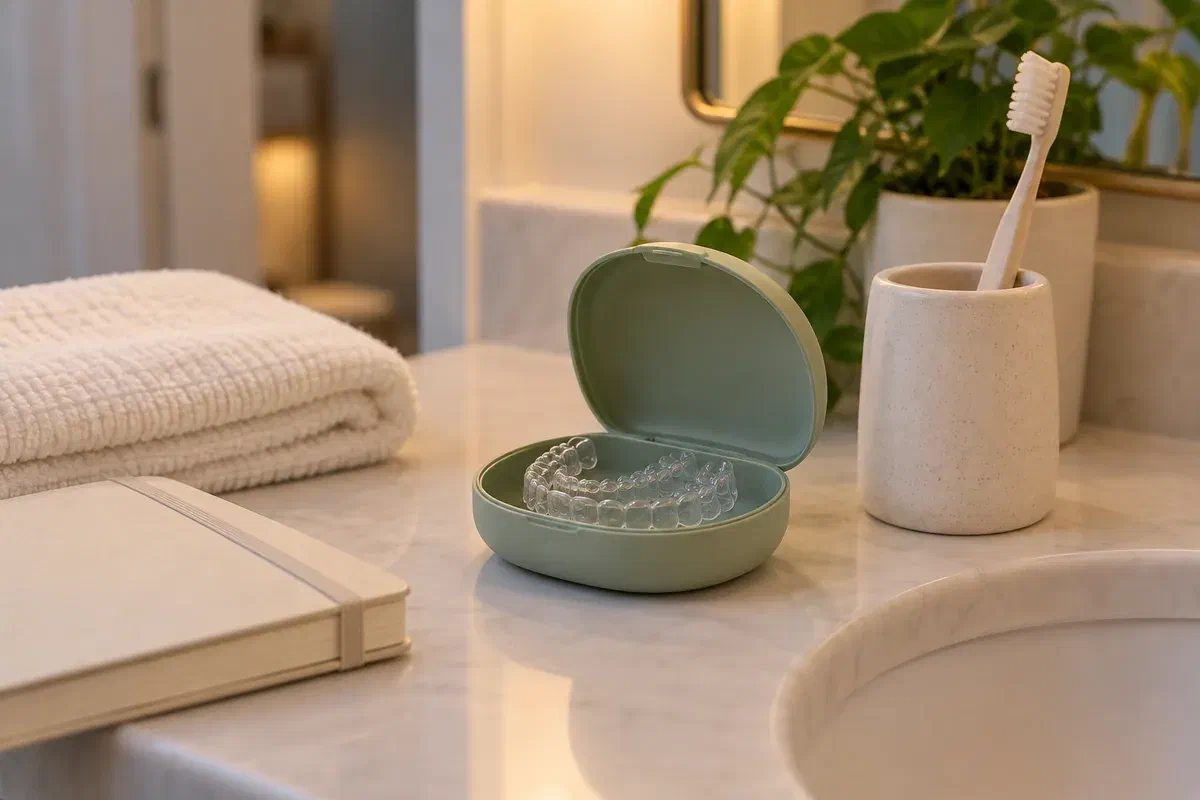
Illustrative evening retainer-care arrangement with a case, toothbrush, towel, and notebook
Where shift work gets in the way

Three pressures on an irregular schedule

Unusual hours magnify every unclear instruction. Before active treatment wraps up, also ask whether there is a wait for the retainer and what to wear until then.

Instructions written for a nine-to-five

If you are finishing treatment, confirm that movement is complete and which retainer follows. Ask how the prescribed hours apply when your sleep shifts week to week. Get the schedule, fitting date and first review in writing, with your pattern taken into account.

Rotations that scramble the habit

Switching between days and nights, overtime or travel for work can make wear inconsistent. Raise it early rather than quietly wearing the retainer less. Ask how to anchor the routine to something that stays constant, such as your main sleep.

Reviews that clash with work

It is easy to skip retention checks when appointment times rarely line up with shifts. Ask which office reviews your retainer and how flexible scheduling is. If your orthodontist and dentist share the job, confirm who does what.

Odd hours do not change the rule for problems. Contact the office managing retention promptly if an appliance is lost, cracked, loose or no longer fits.

Why a tailored plan helps

A routine built around your real week

A retention conversation that reflects your actual hours is far more useful than generic advice. It explains what the appliance is meant to do and what you need to do, in terms that match how you live. That still matters years after treatment, when habits are easy to let slide.

Work changes, and so can the plan. A new shift pattern, a damaged retainer, new dental work or a move can all prompt a review. A clear contact means you can ask rather than stretching instructions to fit a schedule they were never written for.

Patient information: American Association of Orthodontists — retention as part of orthodontic treatment

A defined handover from active treatment

Ask how your clinician concluded that treatment was finished and which retention follows. Discuss any accepted limitation in the result. Retention needs its own instructions, separate from whatever you wore during movement.

Wear anchored to your sleep, whenever it happens

Ask how the prescribed hours translate to your schedule and how to look after any bonded wire. If what you hear differs from what you expected, ask why. A routine that fits your life is one you are more likely to keep.

A clear route for reviews and repairs

Ask how often you should be checked and whether repairs or replacement were part of your original agreement. Keep contact details with your case. Knowing the process means a crack or loss does not wait until your next day off.

How we plan it

Treatment history first, then your timetable

Retention is best raised before treatment ends and revisited when life changes. These steps describe the conversation, shaped by your treatment, appliances and working pattern.

  1. Confirm where treatment finished

    Discuss whether the alignment goals were assessed and whether any concern remains. Ask which issues need separate care. Your clinician can describe the positions retention is designed to keep and the reasons movement has ended.

  2. Pick the appliance and plan the gap

    Go over the proposed retainer, or combination, and the records needed to make it. Ask what to wear until it is ready. If restorative work is coming, ask how it will be scheduled around the appliance and your shifts.

  3. Map the routine onto your week

    At fitting, ask for a demonstration of handling and cleaning your design. Then talk through a typical week, including night shifts and days off, and agree how wear fits. Confirm the signs that should prompt a call.

  4. Agree on reviews you can keep

    Settle who will check fit, inspect a fixed wire and watch for tooth movement, and at what kind of interval. Ask what happens once included follow-up ends. If your care is transferring, make sure the new clinician has accepted it.

Making it stick

Tie the retainer to your sleep, not the clock

Your treating clinician sets the schedule. Retention works well as a routine you understand, with a clear plan for the times your appliance or your hours change.

Keep a case wherever you sleep

If you rest at different times or places, keep the case and cleaning supplies where you actually sleep, and a travel case in your bag. Avoid leaving it in a hot vehicle. Ask before cutting wear, even when teeth look unchanged.

Bring every appliance to check-ups

Fit cannot be judged well without the retainer present. Mention changes in comfort or seating, and keep routine dental appointments as well. Ask how a fixed wire is being checked between visits.

Call, then wait for instructions

If an appliance breaks or goes missing, contact whoever manages retention and say which one. They can advise on interim wear. Avoid old aligners, home trimming or bending wire unless you have been specifically told to.

Patient information: British Orthodontic Society — continuing care after braces

After a review

Stay the course, adjust the appliance, or dig deeper

Ask what the clinician is weighing and why. Keeping teeth where they are and planning new movement are different aims, even if both begin with a retainer that has been worn inconsistently.

When fit and findings remain suitable

Keep the current routine

You may be advised to keep going with your adapted routine and follow-up. Ask whether anything needs to change, and when to return. A good result at one visit is not permission to wear the retainer less.

When the appliance or practical needs have changed

Repair or replace the retainer

Damage, wear, dental work or handling difficulty may lead to a new appliance. Ask what it would address and which records are required. Confirm interim instructions so the changeover does not leave your maintenance uncertain.

When positions or oral health have changed

Assess the teeth and gums

If the teeth, bite or gums have changed, further assessment may come before any new retainer. Ask whether holding the current position is suitable or whether another treatment discussion would help. Specialist input may be advised.

Shift-work retention FAQs

Retainers and unpredictable schedules

These answers focus on fitting retention into irregular hours, along with storage and follow-up.

(905) 876-4488
I work nights. When should I wear a retainer prescribed for sleep?
Ask your clinician. The prescribed hours may be tied to your main sleep, whenever it happens, but the specific advice should come from the clinician who prescribed the appliance, based on your treatment.
Does napping with my retainer count toward my wear time?
That depends on your prescribed schedule. Ask whether short rests count, or whether your clinician wants the retainer worn for a particular stretch. Avoid inventing your own formula.
Will wearing a retainer during the day affect how I speak at work?
Some people notice slight changes in speech with a removable retainer, especially at first. If daytime wear is prescribed and speech remains a concern, mention it so the clinician can advise.
Is it okay to keep a spare case in my truck or car?
Keeping a case handy is helpful, but avoid leaving the retainer itself in a hot vehicle, since heat can distort some plastics. Carry it with you instead.
My shifts changed and I keep missing wear. What should I do?
Tell the clinician managing retention. Explain what has changed and how often wear is missed. They can help adapt the routine within the prescribed plan or check fit if the retainer now feels tight.
Can retainer reviews from Puslinch be booked around rotating shifts?
Let us know your pattern when booking. Our weekday hours and weekend appointments by arrangement may help, and we can try to pair a retainer check with routine dental care to save a trip.
Puslinch retention planning

A retainer routine that works on your schedule

Arrange a retention visit at our Bronte Street practice. With your appliances, your instructions and a sense of your typical week, we can discuss your questions, workable follow-up and which clinician looks after each part of care.

Wear schedules and review needs vary. Get in touch promptly if a retainer is lost, broken or stops fitting, and put any change in provider in writing.

Visit Milton Dental Clinic
Unit 1, 342 Bronte St. S, Milton, ON L9T 5B7
Get directions Clinic hours
Monday–Thursday
11am–7pm
Friday–Sunday
By appointment only

Areas we serve

  • Milton
  • Oakville
  • Mississauga
  • Georgetown
  • Halton Hills
  • Acton
  • Campbellville
  • Brampton
  • Burlington
  • Puslinch
  • Rockwood
  • Erin
  • Caledon
  • Etobicoke
  • Old Milton
  • Bronte Meadows
  • Timberlea
  • Dorset Park
  • Dempsey
  • Clarke
  • Beaty
  • Coates
  • Harrison
  • Scott
  • Willmott
  • Ford
  • Bowes
  • Cobden
  • Walker
  • Mountain View
  • Milton Heights
  • Hawthorne Village
  • Valley View
  • Fallingbrook
  • Nassagaweya
  • Trafalgar
  • Esquesing
  • Nelson
  • Brookville
  • Moffat
  • Glen Williams
  • Norval
  • Limehouse
  • Stewarttown
  • Ashgrove
  • Hornby
  • Silver Creek
  • Speyside
  • Scotch Block
  • North Oakville
  • River Oaks
  • Glen Abbey
  • West Oak Trails
  • Palermo
  • Bronte Creek
  • College Park
  • Joshua Creek
  • Uptown Core
  • Preserve
  • Iroquois Ridge
  • Lisgar
  • Meadowvale
  • Meadowvale Village
  • Churchill Meadows
  • Erin Mills
  • Central Erin Mills
  • Streetsville
  • East Credit
  • Creditview
  • Heartland
  • Sheridan
  • Mount Pleasant
  • Credit Valley
  • Huttonville
  • Churchville
  • Springbrook
  • Northwest Brampton
  • Bram West
  • Fletcher's Meadow
  • Fletcher's Creek South
  • Alton Village
  • Orchard
  • Millcroft
  • Headon Forest
  • Tansley
  • Brant Hills
  • Tyandaga
  • Kilbride
  • Lowville
  • Aberfoyle
  • Morriston
  • Arkell
  • Hillsburgh
  • Freelton
  • Carlisle
  • Waterdown
  • Flamborough
  • Mountsberg

How can we help?

Milton Dental Clinic

Have a question about your smile? Choose the option that works best for you.

For urgent dental concerns, please call.
Messages are reviewed during clinic hours.