

Illustrative patient and clinician discussing tooth contours using a dental model
Cosmetic Dentistry

Tooth Reshaping in Acton

If dental visits make you uneasy, it can help to know exactly what a small cosmetic procedure involves before you agree to anything. From Acton, book a relaxed conversation about an uneven tooth edge, how enamel contouring works, what it permanently changes, and how comfort is handled.

For Acton adults who prefer to know first

Knowing what to expect makes the decision easier.

For some people, the hardest part of fixing a small cosmetic detail is booking the appointment at all. It may help to know that reshaping is a limited procedure. A clinician removes a small amount of enamel from the outer surface to refine a tooth's outline or smooth an uneven edge. Nothing is added to the tooth, and its position stays the same.

Small does not mean trivial, though. Enamel does not grow back once removed, so the clinician checks the tooth's health, its enamel thickness, and how it meets other teeth before suggesting anything. You are entitled to understand each step, ask as many questions as you like, and stop the conversation at the planning stage if you prefer.

If you are coming from Acton and feel nervous about dental care, tell us when you book. Let us know what tends to make visits harder for you, and which tooth or edge bothers you. We can talk through the assessment first, explain what a modest adjustment could achieve, and agree on how comfort will be managed.

Start with a conversation
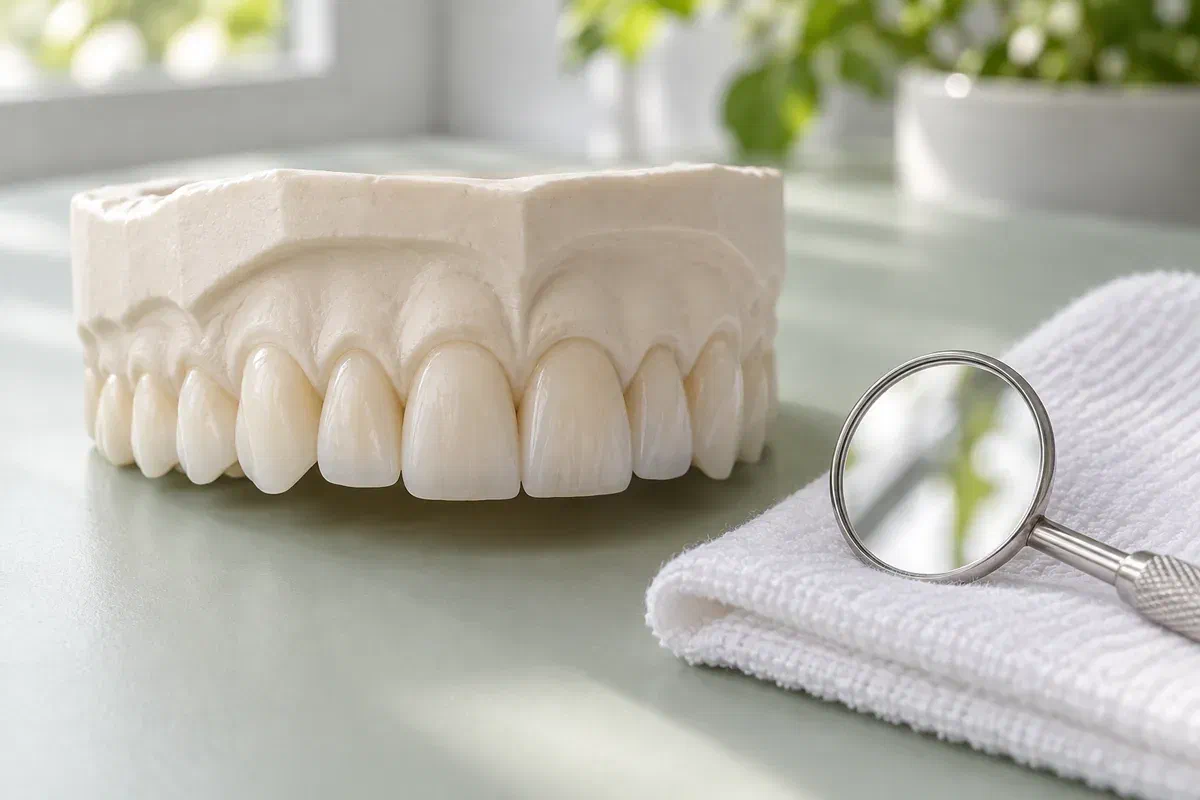
Illustrative dental teaching model with natural incisor edges beside a dental mirror
Understanding the tooth before deciding

What you notice, and what might be behind it

Knowing whether a feature is natural, recent, or changing helps the clinician decide whether contouring is suitable. You do not need to know the answer; just describe what you see and feel.

A shape that has always bothered you a little

Point out the feature in a mirror and describe what you would change. Ask how small an adjustment would need to be, and what would stay untouched. A gentle approach, or leaving the tooth as it is, may be the most reasonable outcome.

Something that has changed recently

If an edge chipped or roughened after a knock, a hard bite, or dental work, mention it. A new defect may need repair rather than smoothing, and it should be examined before being treated as a cosmetic matter.

Edges that look shorter or more worn

Share any clenching, grinding, sensitivity, or change in how your teeth meet. Wear can make teeth look uneven. Understanding the cause matters more than trimming teeth to match an outline that may keep changing.

Please avoid trying to smooth a tooth yourself, even if visiting a dental office feels daunting. Only a professional examination can show whether enamel removal is appropriate and what it would mean for that particular tooth.

Why a gentle, planned approach helps

A small step, fully explained

For a suitable tooth with a minor feature, contouring may make a change without placing a covering restoration. For many nervous patients, that limited scope is reassuring. Still, ask how it applies to your tooth, what exactly would be removed, and what bonding or doing nothing would mean for you instead.

The assessment also clarifies whether shape is the right target. A tooth that looks long may simply sit differently, and a chipped one may need material added. Knowing this early means you are not agreeing to a procedure that cannot deliver what you want.

A clear explanation of each step

Ask the clinician to show you which area would be adjusted, how long it might take, and what you might feel. Knowing the sequence often makes the appointment feel more manageable. You can ask for a pause at any point.

Comfort discussed before treatment

Talk about what helps you feel at ease, whether that is breaks, signals to stop, or knowing what comes next. Ask how comfort will be managed for the planned adjustment. These details are part of the plan, not an afterthought.

Freedom to decide later, or not at all

You can have the assessment on one day and decide another, or decide not to go ahead. Raise any worry about the change itself or the experience. Agreement should reflect the specific adjustment described and your comfort with it.

Step by step

What happens at each stage

Appointment length depends on the tooth and whether other care is involved. If it helps, ask for the assessment and the adjustment to be booked separately.

  1. Talk first, with no instruments needed

    Begin by describing what bothers you and how you feel about dental visits. Mention past fillings, orthodontics, sensitivity, injuries, and wear. That history helps the clinician understand whether the edge is natural enamel, older dental work, or newly damaged.

  2. A gentle examination and a look at options

    The clinician examines the tooth and how it fits your bite, arranging further assessment where needed. Ask whether contouring suits this tooth, what risks are relevant, and whether bonding, alignment advice, or monitoring might be better.

  3. Agree on the plan and your comfort signals

    Confirm the tooth, the area, and the expected result. Agree on a signal if you need a break, and ask how comfort will be handled. The adjustment should follow the plan, and nothing further happens without discussion.

  4. Finish, look together, and confirm next steps

    After the planned contour, the surface is polished and the result reviewed with you. Take your time looking and mention anything that feels unexpected. Confirm the aftercare and which signs, such as sensitivity or a changed bite, mean you should call.

Once you're home

Nothing complicated, and help is a phone call away.

Follow the advice for the treatment you actually had, particularly when bonding was done during the same visit. Different cosmetic procedures can carry different aftercare.

Know what is normal and what isn't

Ask how to care for the treated area and which sensations deserve a call. Continue your usual brushing and flossing unless advised otherwise. If a sensitivity toothpaste is suggested, confirm how long to use it.

Call about any edge that still catches

If something feels rough, your bite seems different, or discomfort lingers, let the team know. Describe what you notice when you eat or talk. A short review is a better choice than trying an abrasive product at home.

Ask why if things change again

If new wear or a chip shows up, ask what might be causing it. Discuss whether a night guard or habit change is relevant. Repeated smoothing does not replace understanding a recurring problem.

Your options, explained plainly

Smaller, larger, or no procedure at all

Ask what each option involves in practice, from preparation to aftercare. Comparing the experience as well as the result can help if dental visits make you anxious.

When a minor feature can be safely reduced

A light enamel contour

Contouring may suit an appropriate edge after an exam. Ask how much a careful, limited adjustment would change, and what the appointment would involve. Keep the change proportionate, since enamel cannot be replaced.

When the tooth needs material added

Bonding or a repair

Adding tooth-coloured material may suit a short or chipped tooth. Ask what the process feels like, how long it takes, and how the material is maintained. Existing restorations are assessed on their own.

When position or your own preference decides

Alignment advice, or leaving it natural

If the uneven look comes from position, ask whether orthodontic advice is worth considering. Choosing to keep a healthy natural shape is entirely reasonable. Weigh both before treating contouring as the default.

Patient information: British Orthodontic Society — comparing alignment and restorative changes

Acton questions about comfort

What nervous patients often want to know

These answers focus on the experience of contouring and how to make an appointment more manageable. Bring your own questions, including what would happen if you decided to leave the tooth unchanged.

(905) 876-4488
What does enamel contouring feel like?
Experiences vary. Many people describe vibration or pressure from the instrument, and some feel sensitivity. Ask the clinician to explain what to expect for your tooth, and agree on a signal if you want a pause.
Can I meet the clinician before any treatment is booked?
Yes. An assessment visit can focus entirely on looking at the tooth and talking through options. You can decide on any treatment afterward, once you feel comfortable with the plan.
Will I need an injection for reshaping?
It depends on the tooth, the amount of contouring, and how sensitive your teeth are. Ask how comfort will be handled in your case and what alternatives exist if you are worried about needles.
How long does a contouring appointment usually take?
Timing depends on the number of teeth and whether other care is involved. Ask when booking so you know how long to plan for, which can make the visit feel less uncertain. If you would like extra time to settle in or ask questions before anything starts, mention that as well.
Can someone come with me to the appointment?
Ask the team when you book. Having a familiar person nearby can help some people feel more settled, and the clinic can explain what arrangements are possible. It can also help to bring written questions, so nothing important is forgotten if you feel flustered on the day.
Is it worth the trip from Acton for a first conversation only?
For many people a first conversation removes most of the uncertainty. You leave knowing whether contouring suits you and what it would involve, without having committed to treatment. If you later go ahead, the appointment itself will feel more familiar.

Patient information: British Orthodontic Society — interproximal reduction as a planned orthodontic procedure

From Acton, at your own pace

A talk first; everything else can wait.

Arrange a relaxed appointment with our Bronte Street team about an uneven edge or tooth shape that bothers you. We will explain the examination, how comfort is handled, and how a limited contour compares with other options.

Because the enamel removed cannot return, contouring goes ahead only when an examination supports it. Scope, comfort options, visit length, and fees are talked through with you individually.

Visit Milton Dental Clinic
Unit 1, 342 Bronte St. S, Milton, ON L9T 5B7
Get directions Clinic hours
Monday–Thursday
11am–7pm
Friday–Sunday
By appointment only

Areas we serve

  • Milton
  • Oakville
  • Mississauga
  • Georgetown
  • Halton Hills
  • Acton
  • Campbellville
  • Brampton
  • Burlington
  • Puslinch
  • Rockwood
  • Erin
  • Caledon
  • Etobicoke
  • Old Milton
  • Bronte Meadows
  • Timberlea
  • Dorset Park
  • Dempsey
  • Clarke
  • Beaty
  • Coates
  • Harrison
  • Scott
  • Willmott
  • Ford
  • Bowes
  • Cobden
  • Walker
  • Mountain View
  • Milton Heights
  • Hawthorne Village
  • Valley View
  • Fallingbrook
  • Nassagaweya
  • Trafalgar
  • Esquesing
  • Nelson
  • Brookville
  • Moffat
  • Glen Williams
  • Norval
  • Limehouse
  • Stewarttown
  • Ashgrove
  • Hornby
  • Silver Creek
  • Speyside
  • Scotch Block
  • North Oakville
  • River Oaks
  • Glen Abbey
  • West Oak Trails
  • Palermo
  • Bronte Creek
  • College Park
  • Joshua Creek
  • Uptown Core
  • Preserve
  • Iroquois Ridge
  • Lisgar
  • Meadowvale
  • Meadowvale Village
  • Churchill Meadows
  • Erin Mills
  • Central Erin Mills
  • Streetsville
  • East Credit
  • Creditview
  • Heartland
  • Sheridan
  • Mount Pleasant
  • Credit Valley
  • Huttonville
  • Churchville
  • Springbrook
  • Northwest Brampton
  • Bram West
  • Fletcher's Meadow
  • Fletcher's Creek South
  • Alton Village
  • Orchard
  • Millcroft
  • Headon Forest
  • Tansley
  • Brant Hills
  • Tyandaga
  • Kilbride
  • Lowville
  • Aberfoyle
  • Morriston
  • Arkell
  • Hillsburgh
  • Freelton
  • Carlisle
  • Waterdown
  • Flamborough
  • Mountsberg

How can we help?

Milton Dental Clinic

Have a question about your smile? Choose the option that works best for you.

For urgent dental concerns, please call.
Messages are reviewed during clinic hours.